
Agnes Mine: The gold story that refused to die
The origins of Agnes are somewhat tangled, as is often the case with a mine that has been worked, consolidated and renamed over more than a century.
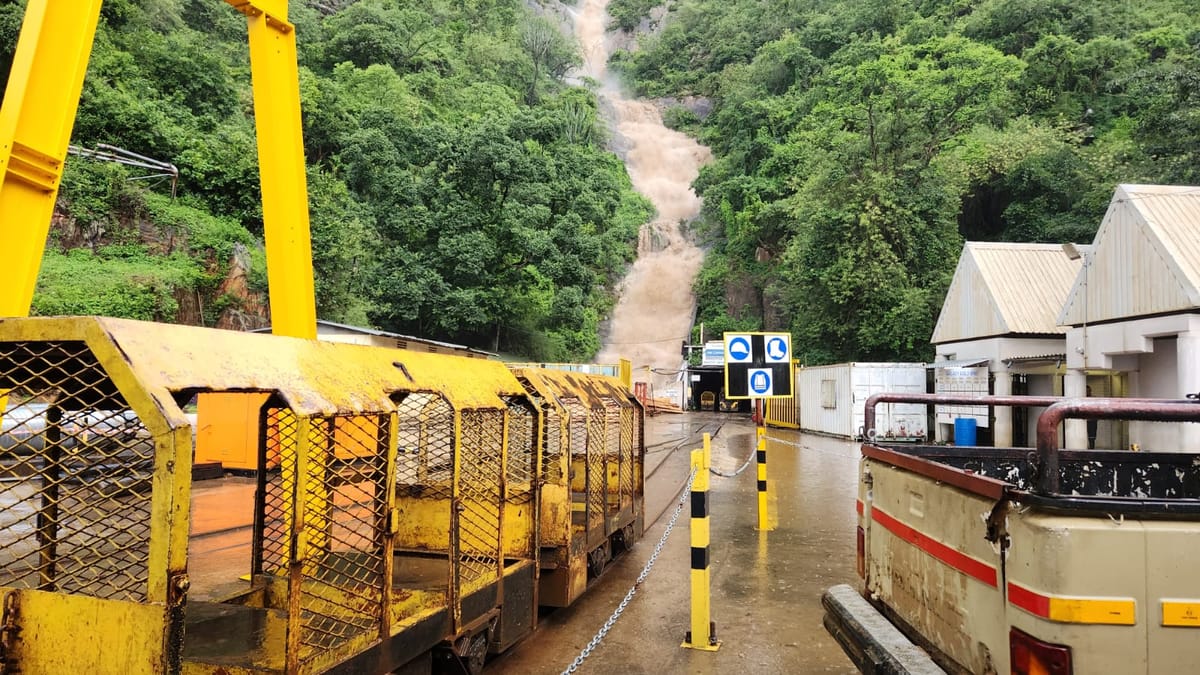
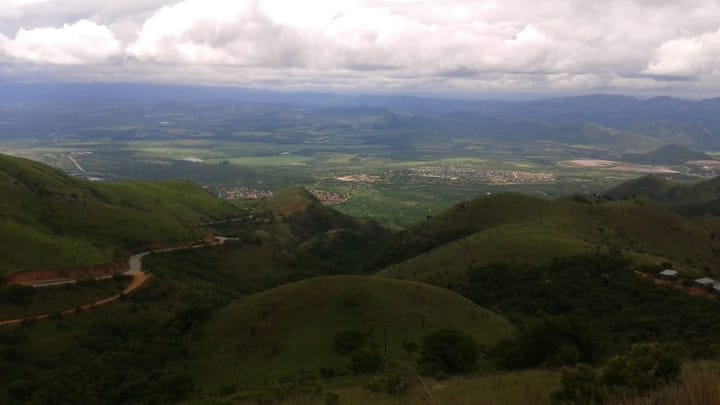
There are some places in Barberton where the past is never really past. The old workings, shafts, adits and scars in the hills are reminders that long before the town became a heritage destination, thousands of people came to the De Kaap Valley chasing the glitter of gold. Among those places is Agnes Mine.
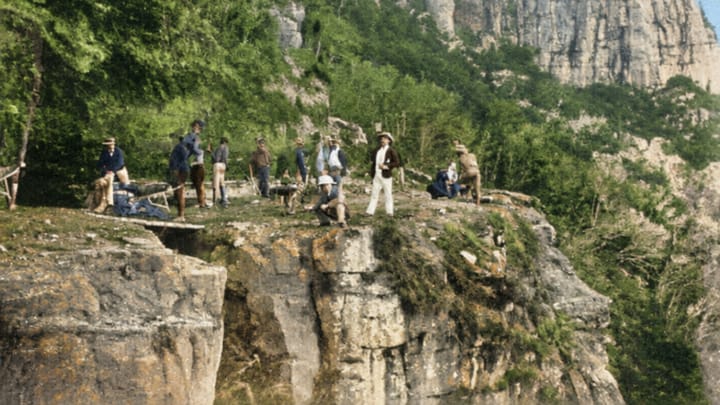
Its story began during the extraordinary rush for gold that transformed Barberton and the surrounding mountains in the late nineteenth century. The origins of Agnes are somewhat tangled, as is often the case with a mine that has been worked, consolidated and renamed over more than a century. Historical sources place the discovery of the Agnes deposits in the early 1880s, with Auguste Robert, better known as “French Bob”, associated with discoveries in the Moodies, Saddleback and Sheba fault systems. Other local historical accounts credit prospector Jack Greaves with discovering the gold associated with what became Agnes in 1888.
The mine eventually acquired the name by which Barberton knows it today from Jessie Agnes Greaves, the wife of Jack Greaves. According to local historical accounts, Greaves eventually sold his interest for about £1,000, and the property subsequently passed through several hands before becoming a more formal mining operation.
By the beginning of the twentieth century, Agnes was moving from the rough-and-ready prospecting days of the gold rush towards organised mining. In 1908, A.J. Knuckey started the Agnes Mine, working the Agnes, Ivy and Woodbine reefs. The smaller properties were eventually consolidated, and in 1915 the Agnes Gold Mining Company was formed under W.R. Rowe and O.W.W. Gibson.
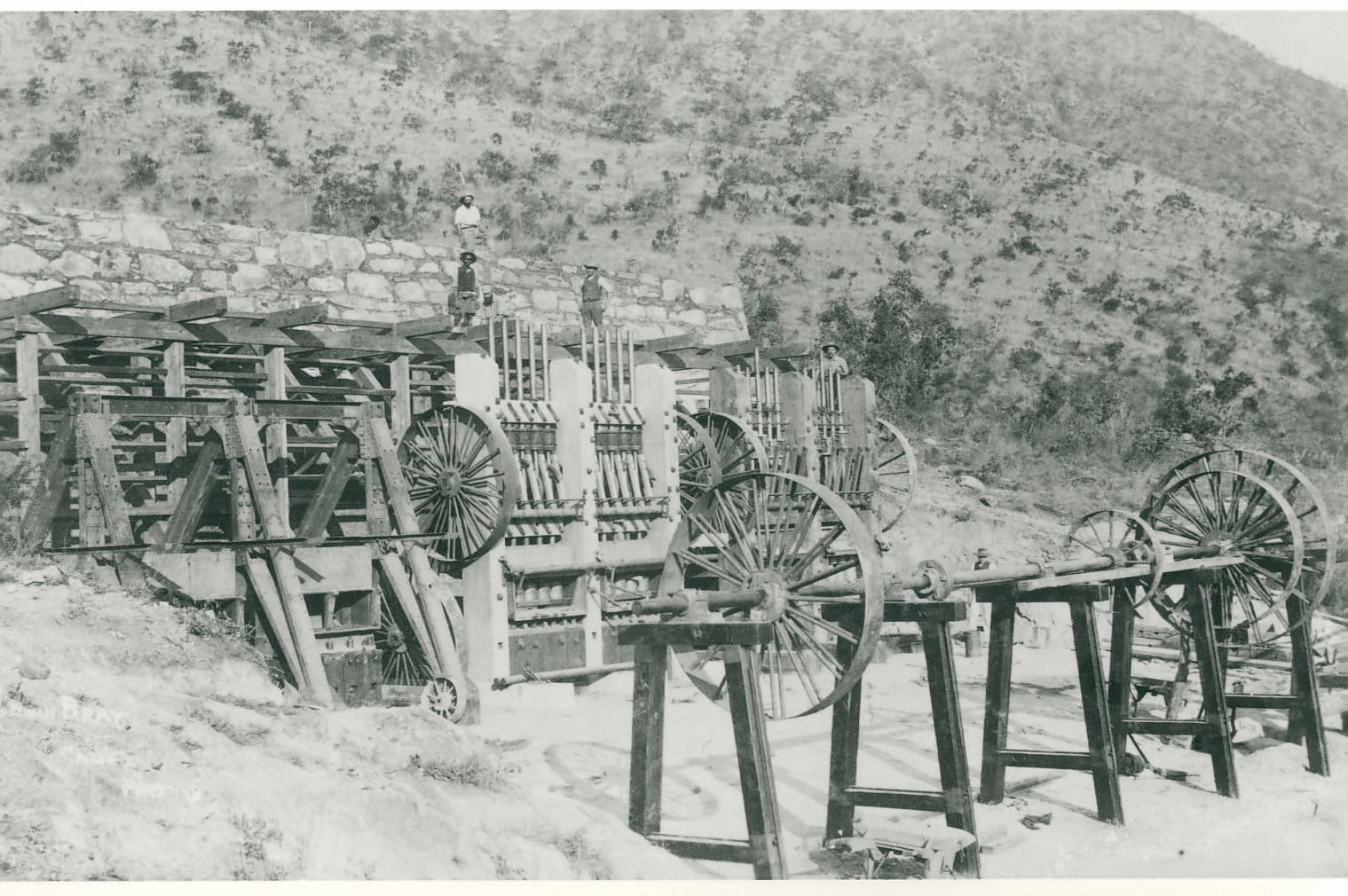
The mine developed from its early surface workings into an extensive underground operation. Historical records describe dozens of old adits in the mining area, evidence of generations of prospectors and miners following the reefs through the ancient rocks of the Barberton Greenstone Belt. The underground workings eventually reached deep levels, with the mine developing to Level 28 at a depth of approximately 852 metres.
For anyone who has only ever driven past the mine, it is difficult to imagine what lies beneath the surface. The visible landscape tells only a fraction of the story. Underground, miners followed narrow and often unpredictable gold-bearing structures through rock that had already been folded, fractured and altered by geological forces billions of years ago.
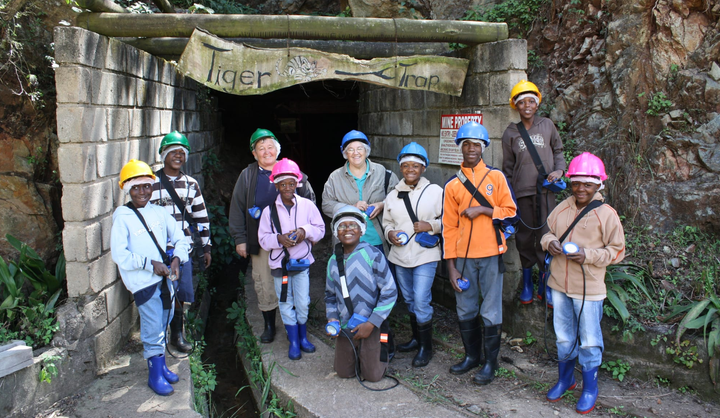
One historical account of an underground visit to Agnes describes the old Tiger Trap workings, where visitors could see evidence of the painstaking methods used by earlier miners. The same account noted that Agnes was one of four Barberton mines responsible for the majority of the area's gold production, with hundreds of smaller operations contributing the remainder.
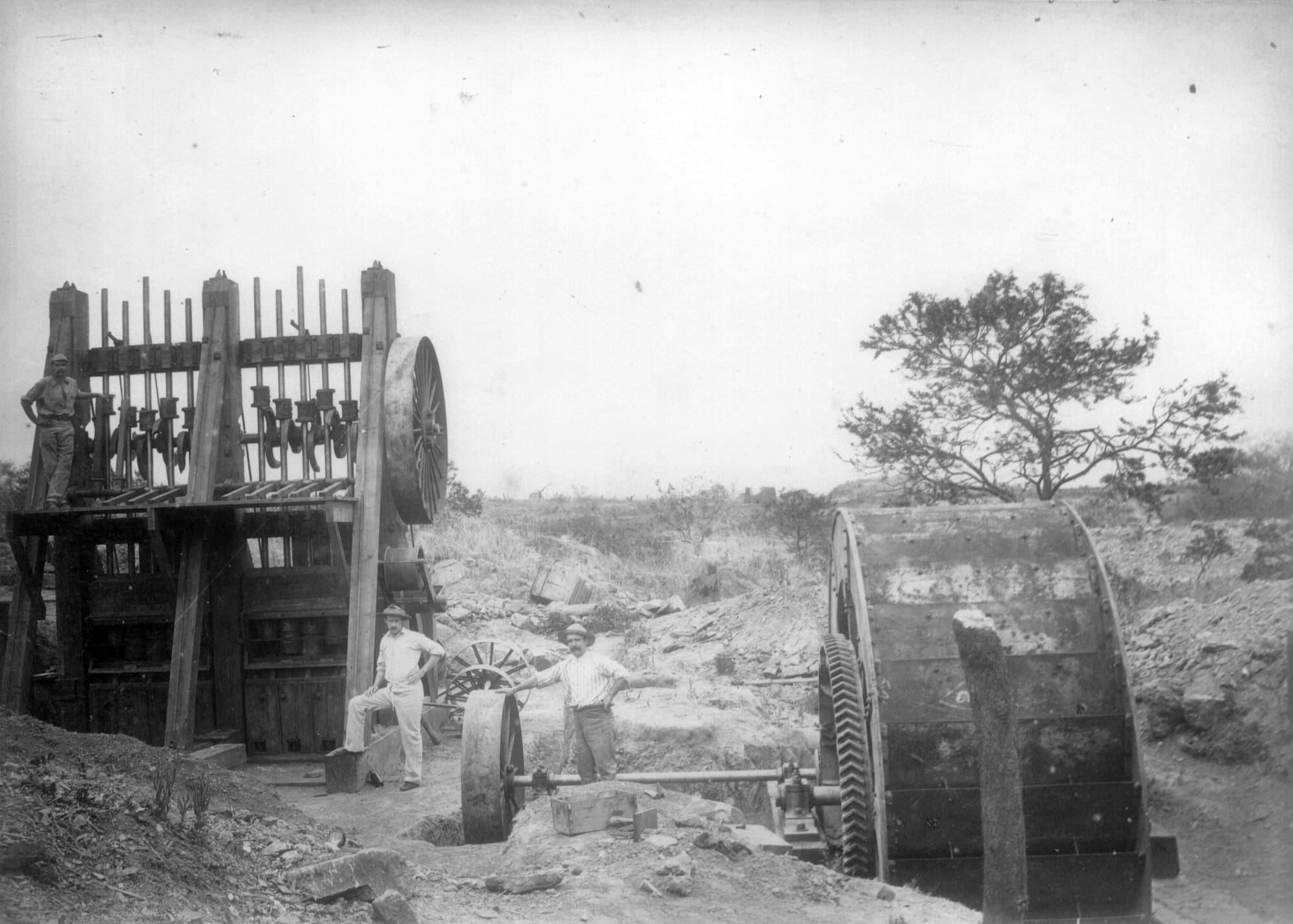
The Barberton ores presented their own challenges, and the history of Agnes is also a history of changing mining and metallurgical technology. Methods that worked at one stage became uneconomic at another. Recovery rates, the grade of the ore, the cost of mining and the fluctuating economics of gold all played their part.
Ownership changed as well. Agnes became part of Eastern Transvaal Consolidated Mines, with the takeover recorded in 1949 and other historical records placing the consolidation under ETCM in 1951. The distinction reflects the complicated history of the mine and the consolidation of surrounding mineral rights. For decades, the mine continued beneath the Barberton hills. Then came the periods when its future looked far less certain.
The technical history of the operation records a final closure under ETCM in 1999, followed by the acquisition of the mine and surrounding mineral rights by Cluff Mining. Metallon Gold subsequently acquired Cluff Mining's South African operation, which became associated with African Pioneer Mining. For a mine that had already survived generations of changing fortunes, this might have been the end of the story, but it wasn't.
In 2007, Agnes was placed on maintenance. The old mine was quiet once again, and it would have been easy to assume that another chapter of Barberton's mining history had come to an end. Instead, the story took another turn. In 2008, the mine was acquired by Tyax Trading Nelspruit for about R17 million. The company was subsequently renamed Agnes Gold Mining and later Galaxy Gold Reefs Mining. Under the new ownership, plans were developed to revive the operation and investigate the wider mineral potential of the property.
The revival attracted considerable attention. By 2010, reports were describing the discovery and evaluation of numerous additional ore bodies beneath and around the old workings. The vision was to use modern exploration and mining methods to breathe new life into an operation whose history stretched back to the earliest days of Barberton's goldfields. The name Galaxy eventually became associated with the old Agnes operation.
Agnes is not merely a company name on a mining document. It is a piece of Barberton's landscape and history. It represents the prospectors who first climbed into the hills, the miners who followed the reefs underground, the companies that rose and disappeared, and the generations who depended on the mines for employment and livelihood.
The gold rush itself did not last forever.
Barberton's brief period as the centre of a frantic gold boom eventually gave way to the discovery of richer fields elsewhere. Many of the little mines and settlements that sprang up during those heady years disappeared completely. Agnes did not. It changed hands. It changed names. It closed. It reopened. It was consolidated, expanded, placed on maintenance and brought back into consideration by people convinced that there was still gold beneath the old workings.
Even today, the historical footprint of Agnes is enormous. The technical records refer to more than 75 historical adits across the mining area, a remarkable physical record of more than a century of people following gold through the Barberton Greenstone Belt.
The real story behind Agnes is one of people and persistence. It is about men and women who took enormous risks because they believed the mountains were hiding something valuable. It is about the technology and hard labour required to bring that treasure to the surface. It is about fortunes made and lost, companies coming and going, and an old mine repeatedly being given another chance.
More than a century after organised mining began at Agnes, the mine remains a reminder that Barberton's gold story was never simply about one spectacular discovery. Agnes became part of Barberton's identity, and that, perhaps more than anything else, is why its story refused to die.
 Anchen Coetzee

 Lynette Spencer

 Liz Thorne

Comments ()