
Makhonjwa: our ancient mountain
The name Makhonjwa carries its own intriguing history, although its precise origin remains uncertain.
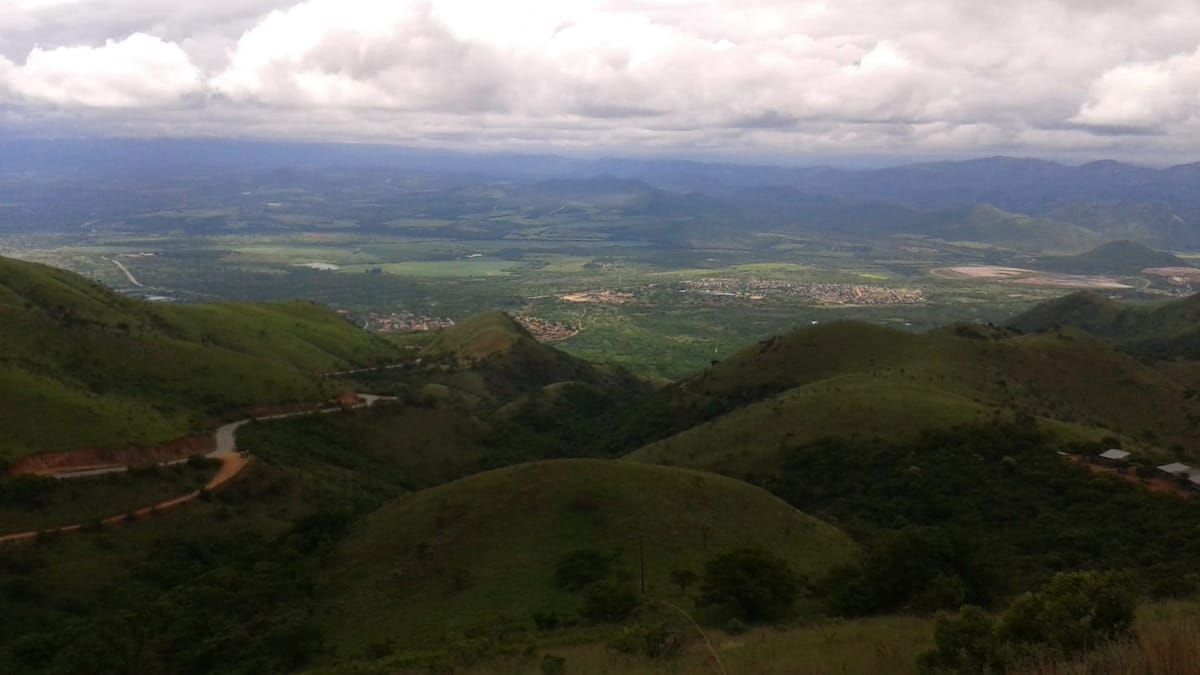
For people who live in Barberton and the surrounding De Kaap Valley, the mountains are part of everyday life. They form the familiar skyline on the drive into town, frame the landscape around the goldfields and provide a constant reminder of the natural beauty of the Lowveld. Yet these mountains are far more than a scenic backdrop. They preserve a record of the early Earth that has attracted scientists from around the world, and their different names tell another story about how people have come to know and understand this remarkable landscape.
The name Makhonjwa carries its own intriguing history, although its precise origin remains uncertain. A heritage survey of the Barberton area records two possible explanations. One suggests that the name is linked to a word meaning a path or route that shows the way, possibly referring to routes used by Swazi travellers between present-day Eswatini and the Barberton area during the mid-19th century. Another explanation is rooted in local folklore, according to which pointing at the mountains could bring bad luck or summon violent storms. While neither interpretation can be regarded as conclusively established, both offer a glimpse into the cultural history surrounding these remarkable mountains.
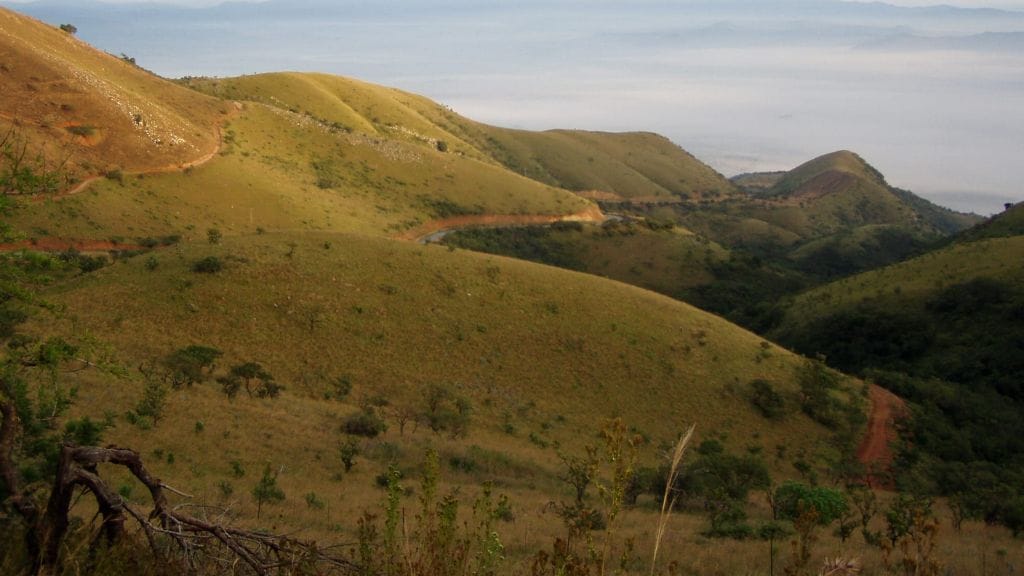
What is clear is that Makhonjwa is now firmly associated with one of South Africa's most extraordinary natural treasures: the Barberton Makhonjwa Mountains, which were inscribed on the UNESCO World Heritage List in 2018.
The mountains contain some of the oldest and best-preserved volcanic and sedimentary rocks on Earth. These rocks date from approximately 3.6 billion to 3.25 billion years ago, a period when the planet was still in its early stages of development and the first continents were beginning to form. The area provides scientists with an exceptional opportunity to investigate the conditions that existed on Earth long before complex life appeared.
The World Heritage property covers 113,137 hectares and includes approximately 40% of the Barberton Greenstone Belt. Its importance lies not only in the age of its rocks but also in their remarkable preservation. They contain evidence of ancient volcanic activity, meteorite impacts, early oceans and the processes through which the Earth's crust developed.
For Barberton, this international recognition placed the region on a much wider map. The town is known historically for its gold rush, but the mountains reveal a story that began billions of years before the first prospectors arrived in search of mineral wealth. The different names used for the mountains can cause some confusion, particularly because they are sometimes used as though they mean exactly the same thing. In fact, each has its own geographical or scientific context.
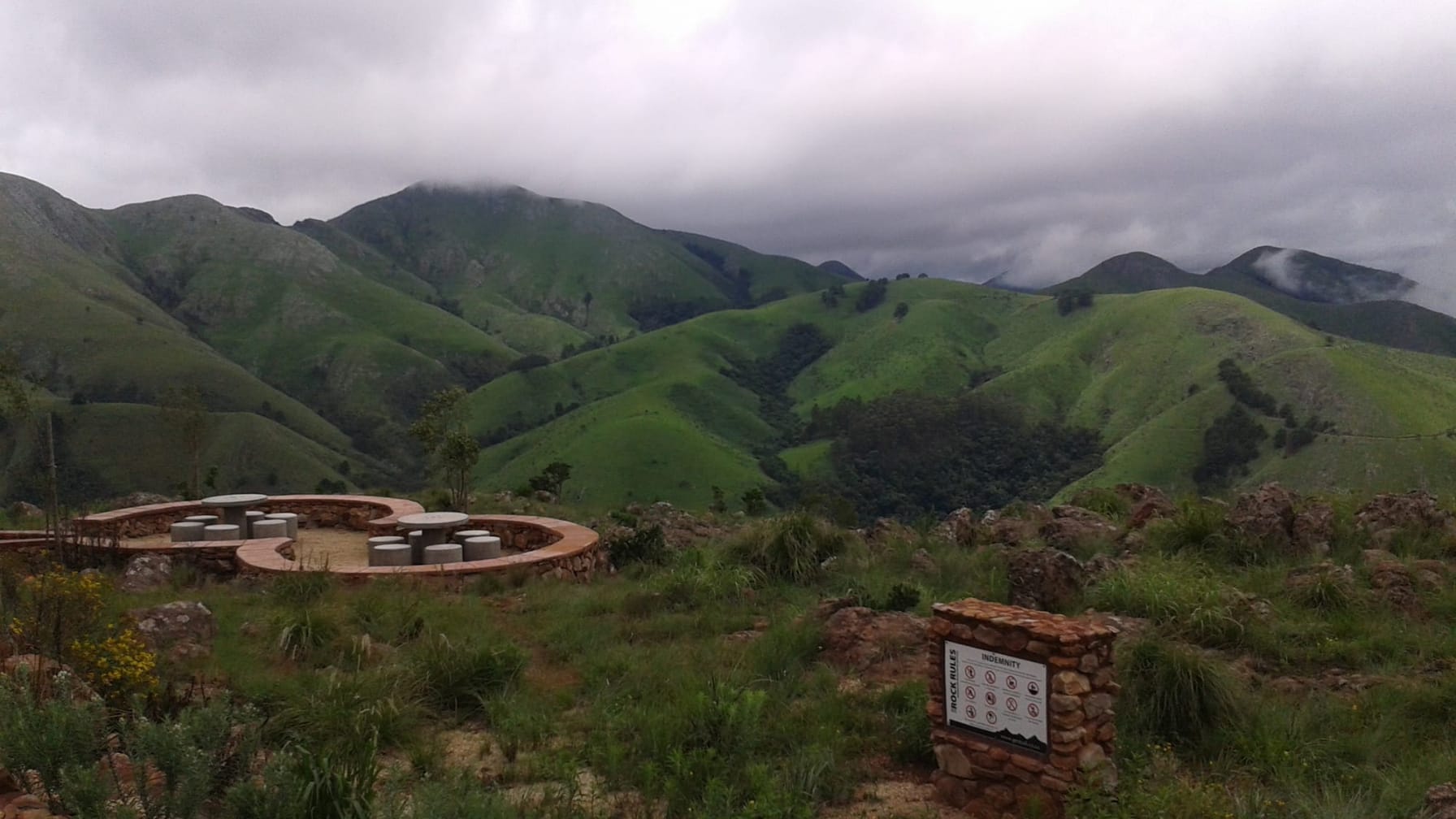
The name Barberton Mountain Land appears frequently in geological and heritage literature. In documentation prepared during the process of seeking World Heritage status, it was used as a convenient geographical term for the mountainous region extending roughly from Badplaas in the south-west towards Kaapmuiden in the north-east. The same documentation noted that names such as Makhonjwa Mountains and Ngwenya Mountains were also associated with the area.
The term Barberton Greenstone Belt, meanwhile, refers to the geological formation underlying much of this landscape. Greenstone belts are ancient geological structures made up of volcanic and sedimentary rocks that have undergone varying degrees of alteration over geological time. The Barberton Greenstone Belt is internationally important because it preserves such an extensive and well-studied record of the Archaean Eon, one of the earliest chapters in Earth's history.
The distinction matters. The mountain range is a geographical feature, while the greenstone belt describes a geological formation that extends beyond the mountains themselves. The UNESCO World Heritage property encompasses a significant part of that geological belt, selected for the exceptional scientific value of its rock outcrops.
The mountains also have a long history of scientific study. Geologists have examined their rocks for more than a century, and the discoveries made here have contributed to our understanding of the planet's earliest environments. Among the features preserved in the rocks are evidence of meteorite impacts, ancient tidal processes and komatiites, an unusual type of volcanic rock associated with exceptionally hot lava flows.
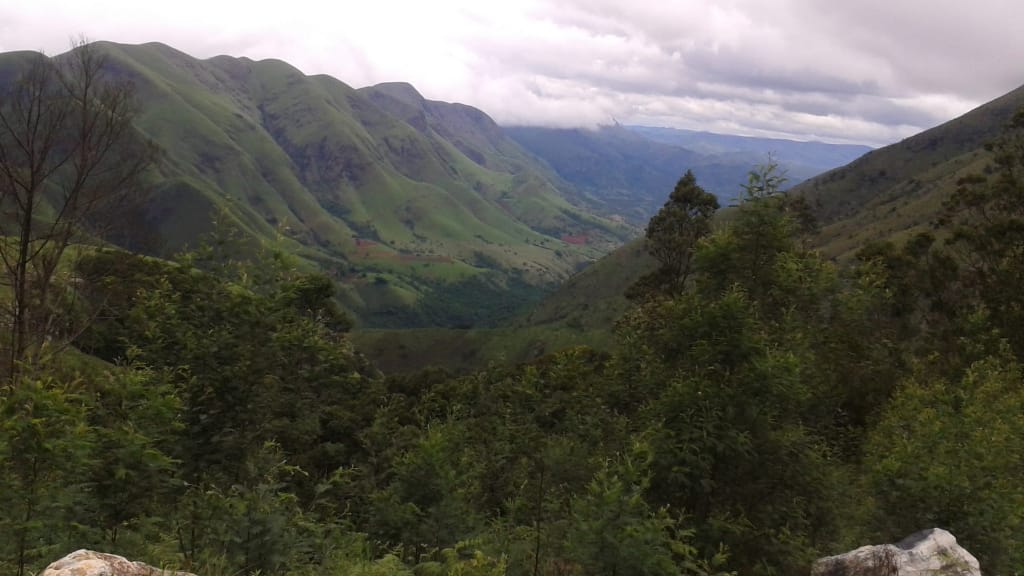
These are not merely interesting details for specialists. They help scientists reconstruct the conditions under which the first continental landforms developed and the environment in which some of the earliest evidence of life on Earth emerged. The mountains are, in effect, an open-air archive containing clues to a world almost unimaginably different from the one we know today.
The landscape's heritage value was formally recognised in South Africa as well. In June 2018, the South African Heritage Resources Agency published a declaration identifying 51 geosites within the Barberton Makhonjwa Mountains as national heritage sites. Shortly afterwards, UNESCO inscribed the mountains on the World Heritage List, recognising their outstanding universal value.
For the communities living in and around Barberton, this recognition offers an opportunity to see the region through a different lens. The town's mining heritage remains an important part of its identity, but the surrounding landscape has a much older story to tell. Its significance reaches beyond provincial and national boundaries, connecting this corner of Mpumalanga to the earliest stages of the planet's history.
Perhaps the unanswered question about the name Makhonjwa makes the story all the more interesting. We can describe the rocks in extraordinary scientific detail and trace geological processes over billions of years, yet the precise origin of a name used for these mountains remains uncertain. That does not diminish their significance. Instead, it reminds us that heritage is made up of many layers. Geological evidence tells us how the landscape formed, written records reveal how it has been described and studied, and local knowledge may hold clues to the names by which generations of people have known it.
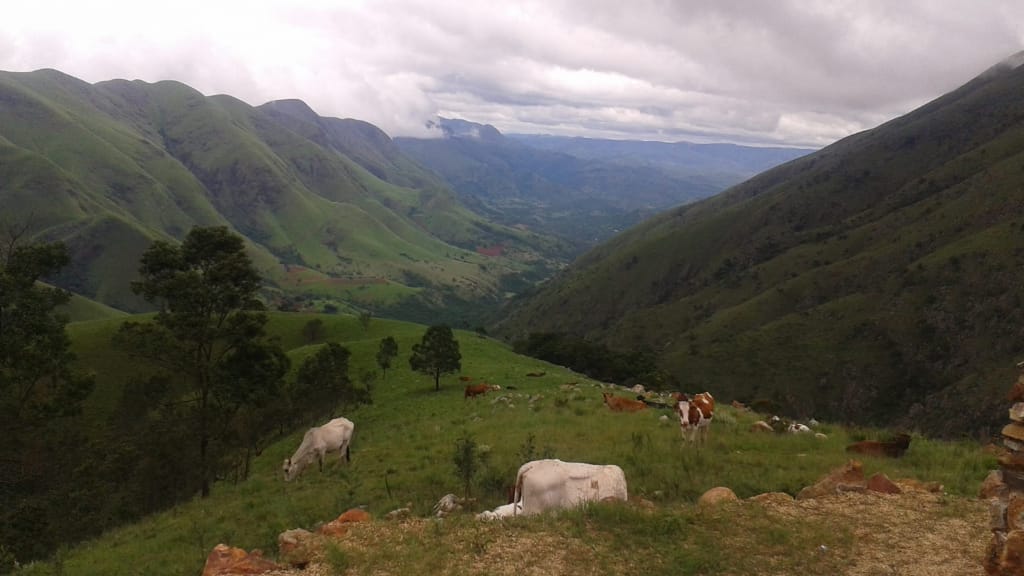
For now, Makhonjwa remains a name closely associated with one of the world's most remarkable geological landscapes. Its exact linguistic roots may still need to be established, but the importance of the mountains themselves is beyond doubt. Perhaps that is reason enough for Barberton residents to look at their familiar mountain skyline with renewed interest. Beneath those ancient slopes lies a story that began billions of years before Barberton existed, while the name by which we know them today holds a smaller, more recent mystery still waiting to be solved.
 Naomi Roebert

 Liz Thorne

 Mariana Balt
🎶 𝖣𝖾𝗄𝖺𝖽𝖾𝗌 𝗌𝖾 𝗈𝗈𝗋𝗌𝗉𝗋𝗈𝗇𝗄𝗅𝗂𝗄𝖾 𝖠𝖿𝗋𝗂𝗄𝖺𝖺𝗇𝗌𝖾 𝖽𝗂𝗀𝗄𝗎𝗇𝗌 𝗄𝗋𝗒 𝗇𝗎𝗐𝖾 𝗅𝖾𝗐𝖾 𝖽𝖾𝗎𝗋 𝗆𝗎𝗌𝗂𝖾𝗄. 𝖶𝖾𝗅𝗄𝗈𝗆 𝗂𝗇 𝗆𝗒 𝖪𝗅𝖾𝗂𝗇 𝖪𝖺𝗋𝗈𝗈 - 𝖡𝗈𝗅𝖺𝗇𝖽𝗌𝖾 𝖻𝗂𝗇𝗇𝖾𝗄𝖺𝗆𝖾𝗋.

Comments ()