
Gold might have been buried beneath the mountains, but getting anything in or out of Barberton was another matter altogether. For the people of the young town, a railway was not simply a convenience. It was a lifeline.
Imagine Barberton in the early 1890s. The gold rush had transformed a quiet corner of the Lowveld into a bustling mining town almost overnight. Hotels, shops, mining houses and businesses sprang up around the goldfields, while wagons struggled along rough roads carrying everything from food and building materials to heavy mining machinery.
Gold might have been buried beneath the mountains, but getting anything in or out of Barberton was another matter altogether. For the people of the young town, a railway was not simply a convenience. It was a lifeline.
The idea of connecting Barberton to the growing railway network had been discussed as the goldfields developed, but there was a considerable problem. The country between Barberton and Kaapmuiden was anything but railway-friendly. There were mountains, rivers, difficult gradients, malaria, tsetse fly and, in the Lowveld, the ever-present threat of heavy rain and flooding.
The cost of building a railway through such country was so high that the government of the Zuid-Afrikaansche Republiek was initially reluctant to undertake it. Local businessmen Lewis and Marks and Frank Watkins, however, were determined that Barberton should not remain isolated. They formed a syndicate and contracted Pettegrew & Co. to build the line. It proved to be a formidable undertaking.
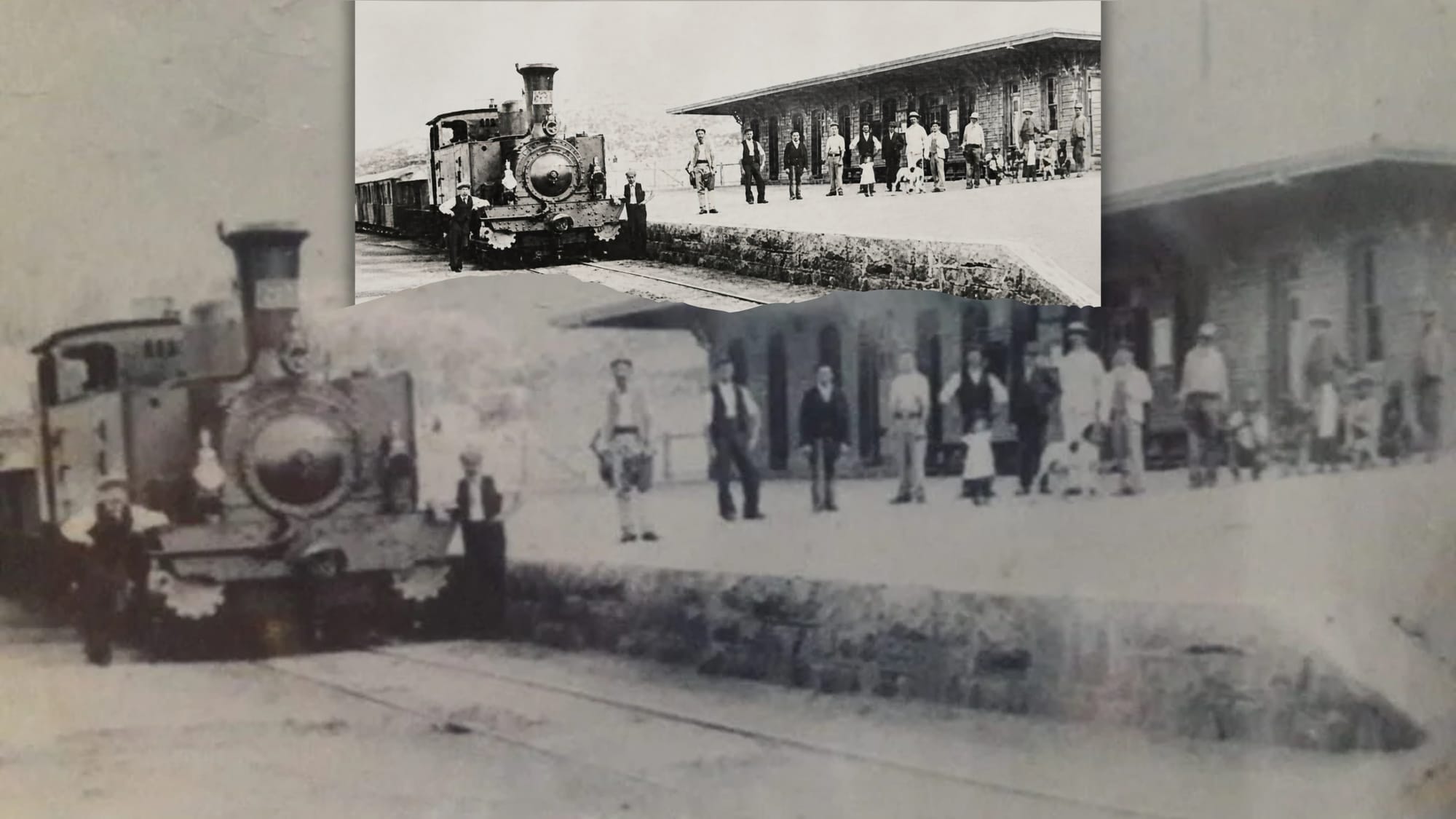
Heavy rains in 1895 caused flooding that damaged two Kaap River bridges while they were still under construction. The difficulties became too much for the contractors and the syndicate was eventually dissolved. The Nederlandsche Zuid-Afrikaansche Spoorweg-Maatschappij, better known as NZASM, stepped in and took over the work. The railway was finally completed in 1896, giving Barberton a rail connection to Kaapmuiden and, from there, to the wider railway system running towards Pretoria and Delagoa Bay. The branch line stretched for about 55 kilometres through some remarkably difficult country.
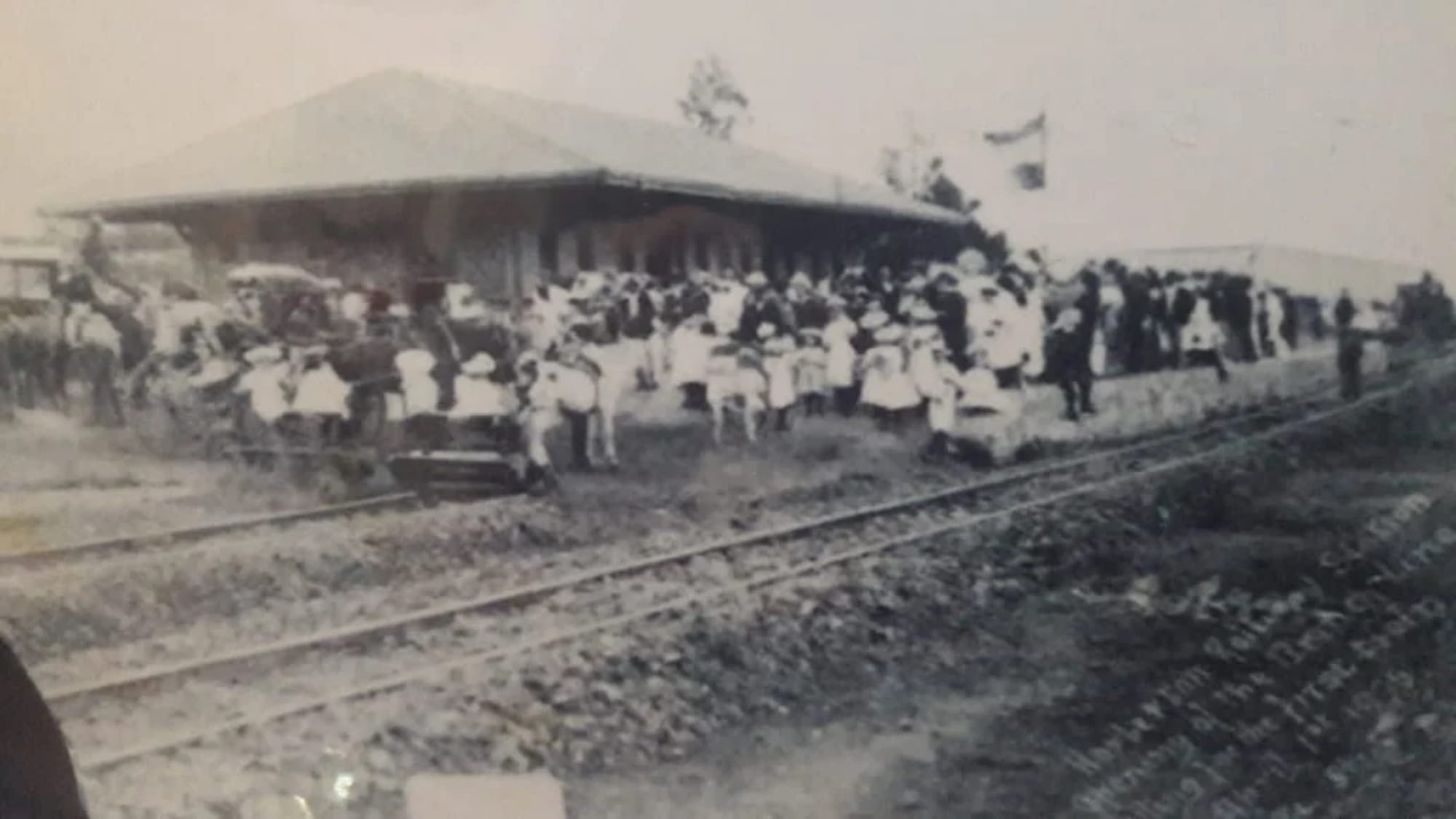
For Barberton, the arrival of the railway changed far more than the way people travelled. Before the railway, the town depended heavily on wagon transport. Every load of machinery, every bag of supplies and every item that could not be produced locally had to make its way over difficult roads. Transport was slow, expensive and vulnerable to weather. The railway brought a new sense of connection.
Goods could move more efficiently. Heavy mining equipment could reach the goldfields. People could travel more easily between Barberton and the outside world. Agricultural produce and other commodities could be transported to markets. The railway helped turn what had been a relatively isolated gold-rush settlement into a town connected to a much larger economic network.
For people accustomed to ox wagons, coaches and horses, the sight and sound of a steam locomotive must have been extraordinary. The hiss of steam, the blast of the whistle, the rhythmic clatter of wheels over rails and the plume of smoke rising above the Lowveld would have announced something more than the arrival of a train.
The railway also brought with it an entire working community. Railway lines required drivers, firemen, guards, maintenance workers, signalmen, station staff and engineers. Stations and railway housing became part of the landscape, and the line itself became a corridor of human activity stretching between Kaapmuiden and Barberton. Some of that physical heritage has survived.
Research into the NZASM's surviving built heritage has identified bridges over the Sheba River, Low's Creek and the Kaap River, culverts, railway-related buildings and staff housing along the Barberton branch. One heritage survey describes the route as particularly significant because much of its original trajectory and substructure remains, making it an unusually authentic surviving example of the old NZASM railway system.
The railway also found itself caught up in one of the darkest periods in the region's history. During the Anglo-Boer War, the line became strategically important. When British forces occupied Barberton in 1900, railway infrastructure and rolling stock became valuable military assets. Historical accounts record large numbers of locomotives and railway trucks being captured at Barberton, Avoca and Kaapmuiden. Bridges were also targeted and damaged during the conflict, disrupting the railway connection.
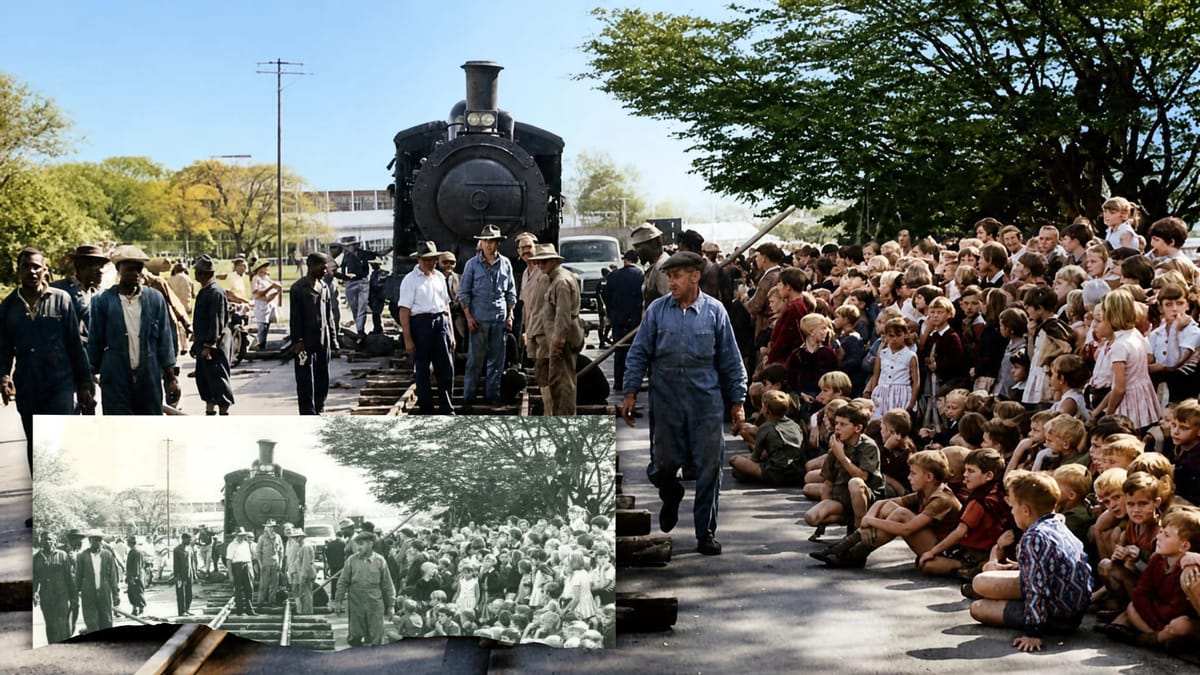
Yet the trains continued to form part of Barberton's life for generations. The old railway became woven into the town's identity. For children, a train arriving at the station was an event. For businesses, it meant deliveries. For travellers, it was a connection to the outside world. For mining, it was an essential link to the industry that had created Barberton in the first place. Today, perhaps the most visible reminder of that era stands quietly in General Street.
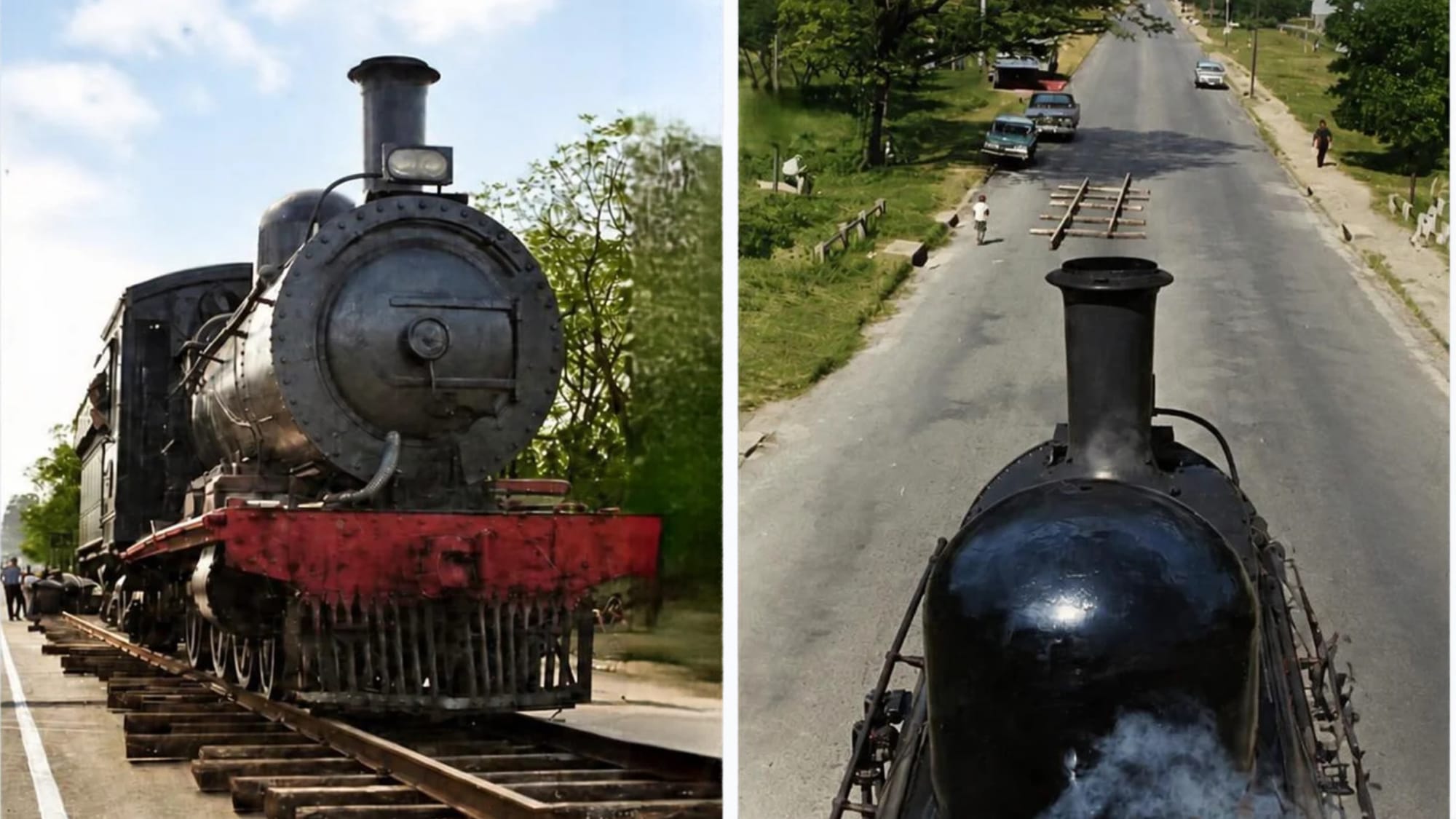
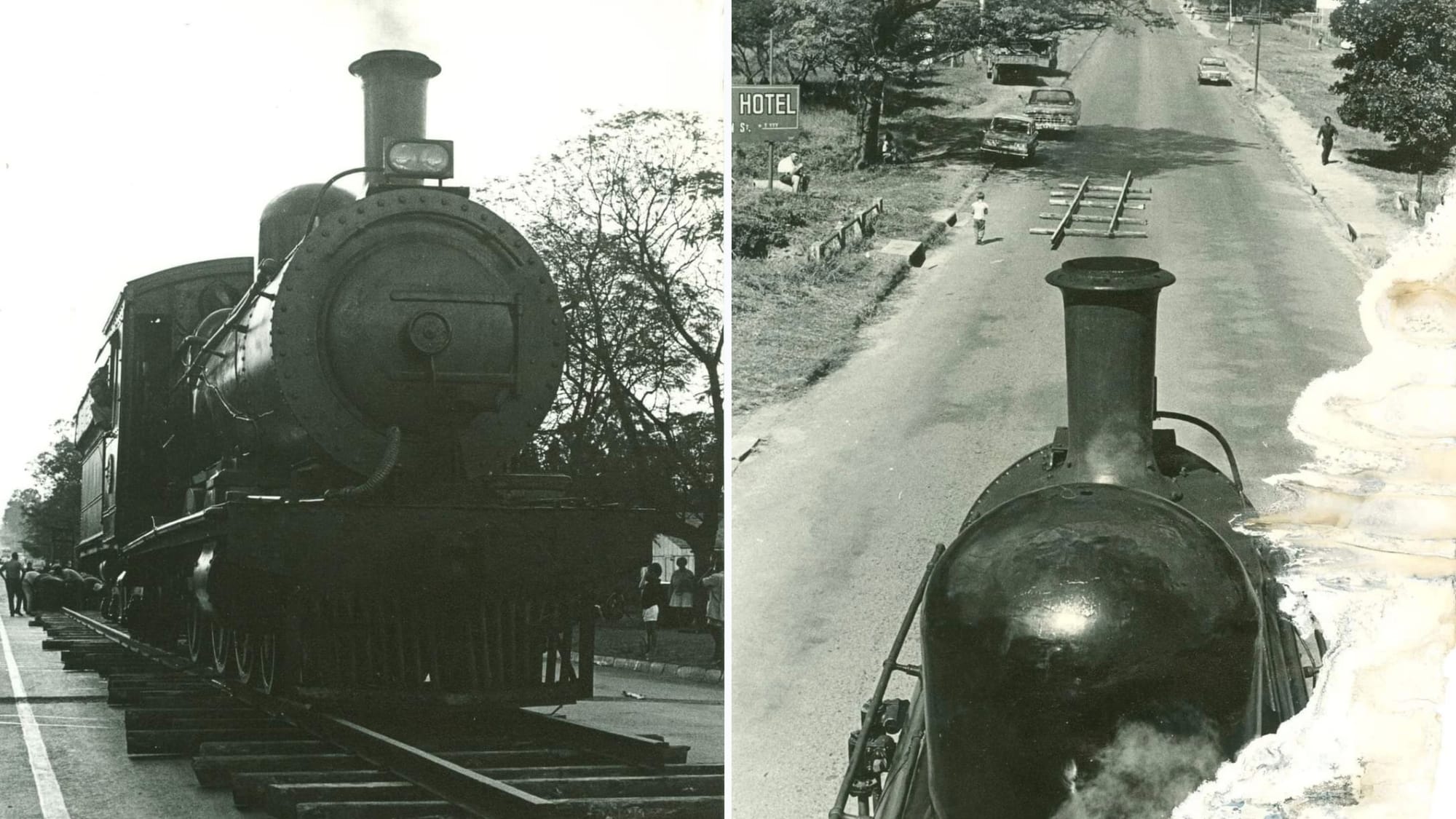
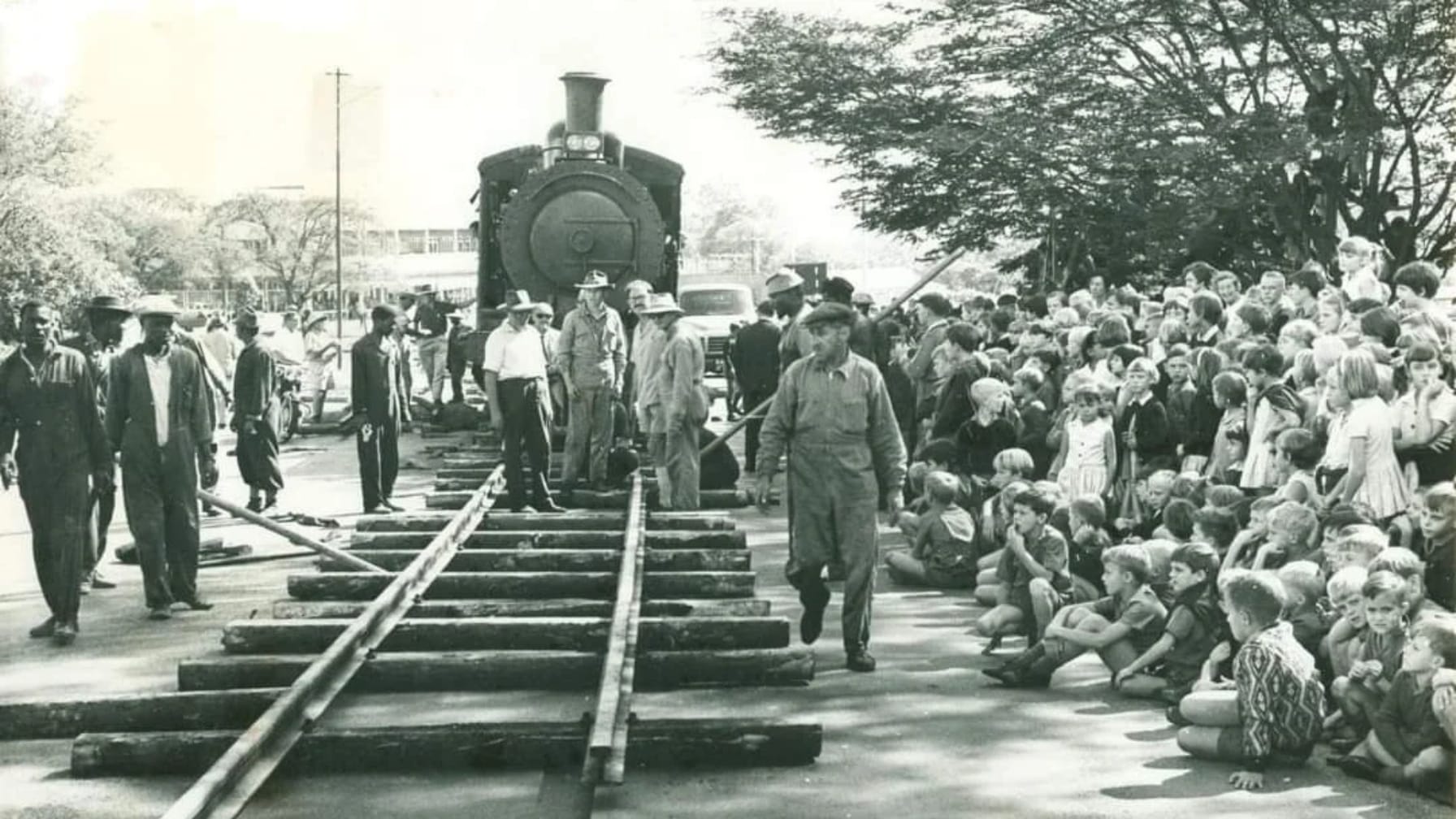
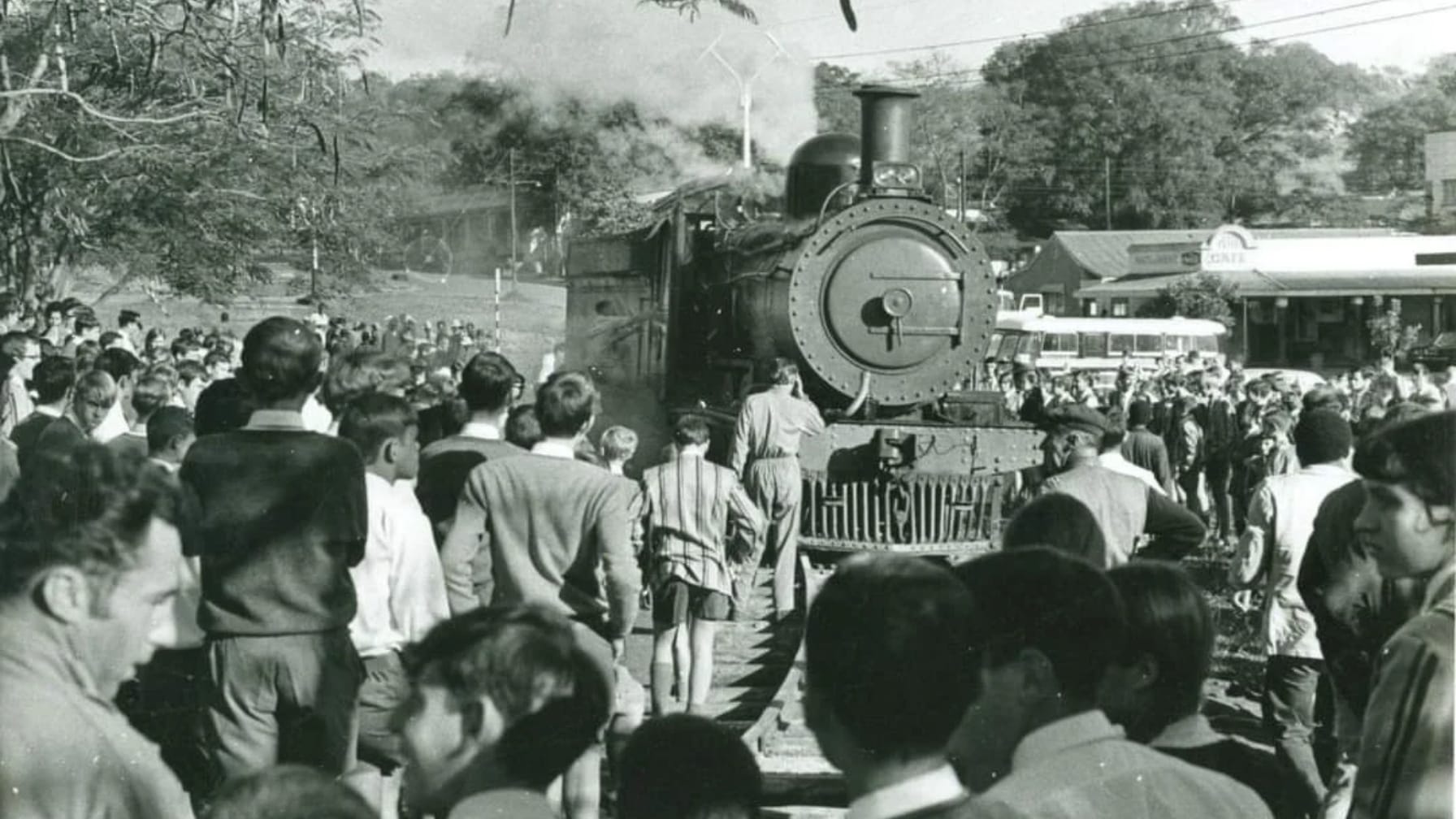
The old Class 6 steam locomotive was in service on the Barberton–Kaapmuiden line around 1899. More than seven decades later, on 13 May 1971, it was moved from the railway station to its present location on temporary sections of loose rail, travelling under its own steam. It was officially handed over to the Barberton City Council the following year.
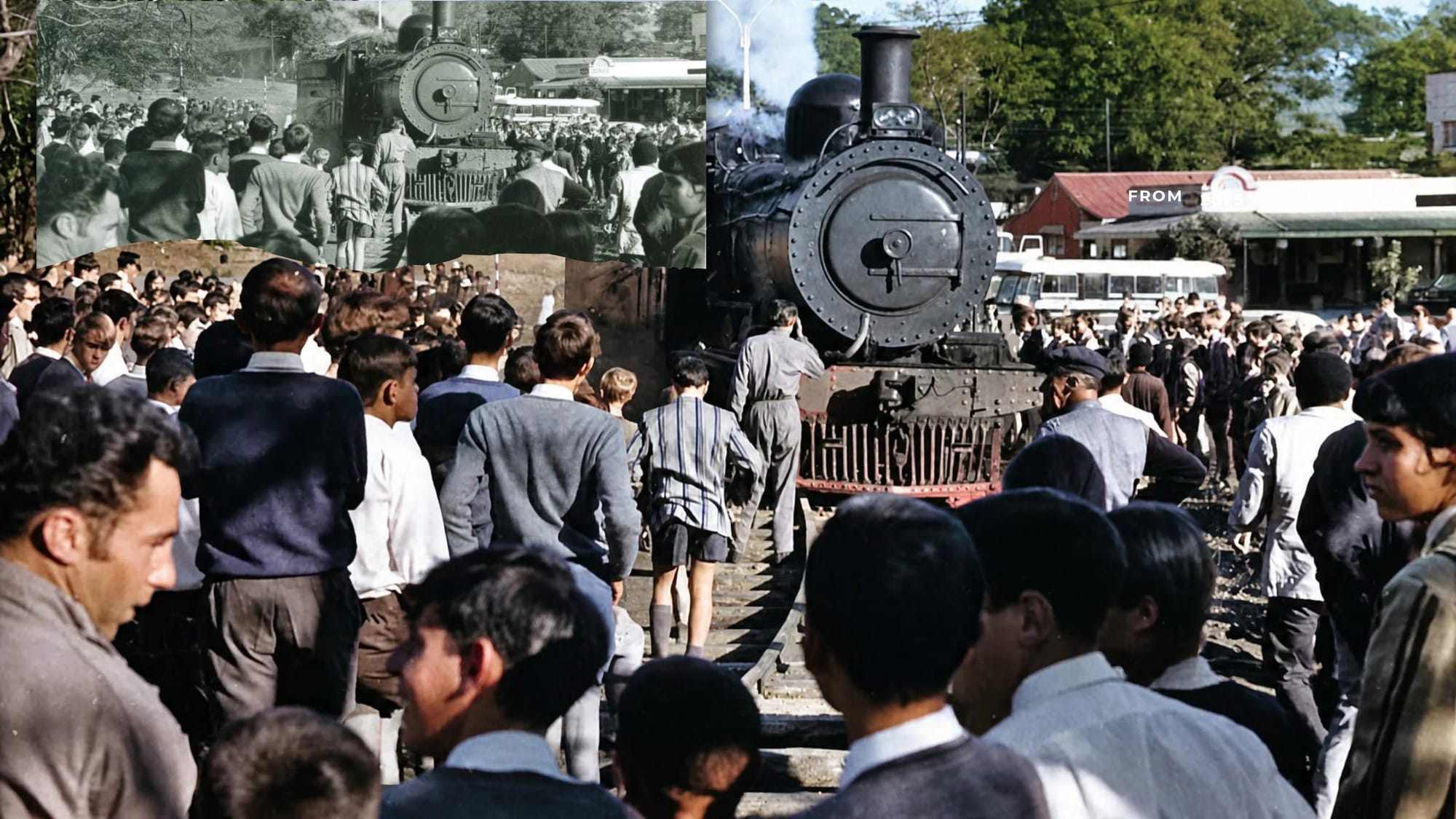
A machine that once represented the latest technology of its age, and which helped connect Barberton with the wider world, eventually became a monument to the age of steam. Standing beside the old locomotive today, it is difficult not to think about how dramatically the meaning of rail has changed. The railway that once brought Barberton closer to the world has itself become part of the town's past.
Across South Africa, railway infrastructure has suffered from years of neglect, vandalism, theft and declining services, and much of the country's once-extensive rail heritage has disappeared or deteriorated. What was once a symbol of development can now, in many places, be a symbol of what happens when infrastructure and heritage are not maintained.
Barberton's old railway story therefore deserves to be remembered for more than nostalgia. It was an extraordinary feat of engineering. It changed commerce. It changed travel. It brought people and goods into the town and connected the goldfields with the wider world. It provided livelihoods and helped shape the physical development of Barberton.
Remarkably, more than a century later, pieces of that original railway landscape can still be found along the old route. Perhaps we should look at them differently. The old bridges are not simply old bridges. The railway cottages are not simply old houses. The embankments and culverts are not merely remnants of a forgotten transport system and the weathered locomotive in General Street is not just an old machine.
Together, they tell the story of a time when Barberton looked towards the future and believed that progress could be built, one rail, one bridge and one steaming locomotive at a time. The whistle may have fallen silent, but the railway's story is still very much part of Barberton.
 Naomi Roebert
 Liz Thorne
 Mariana Balt
Comments ()