
Tiger Trap, where the gold rush still lives underground
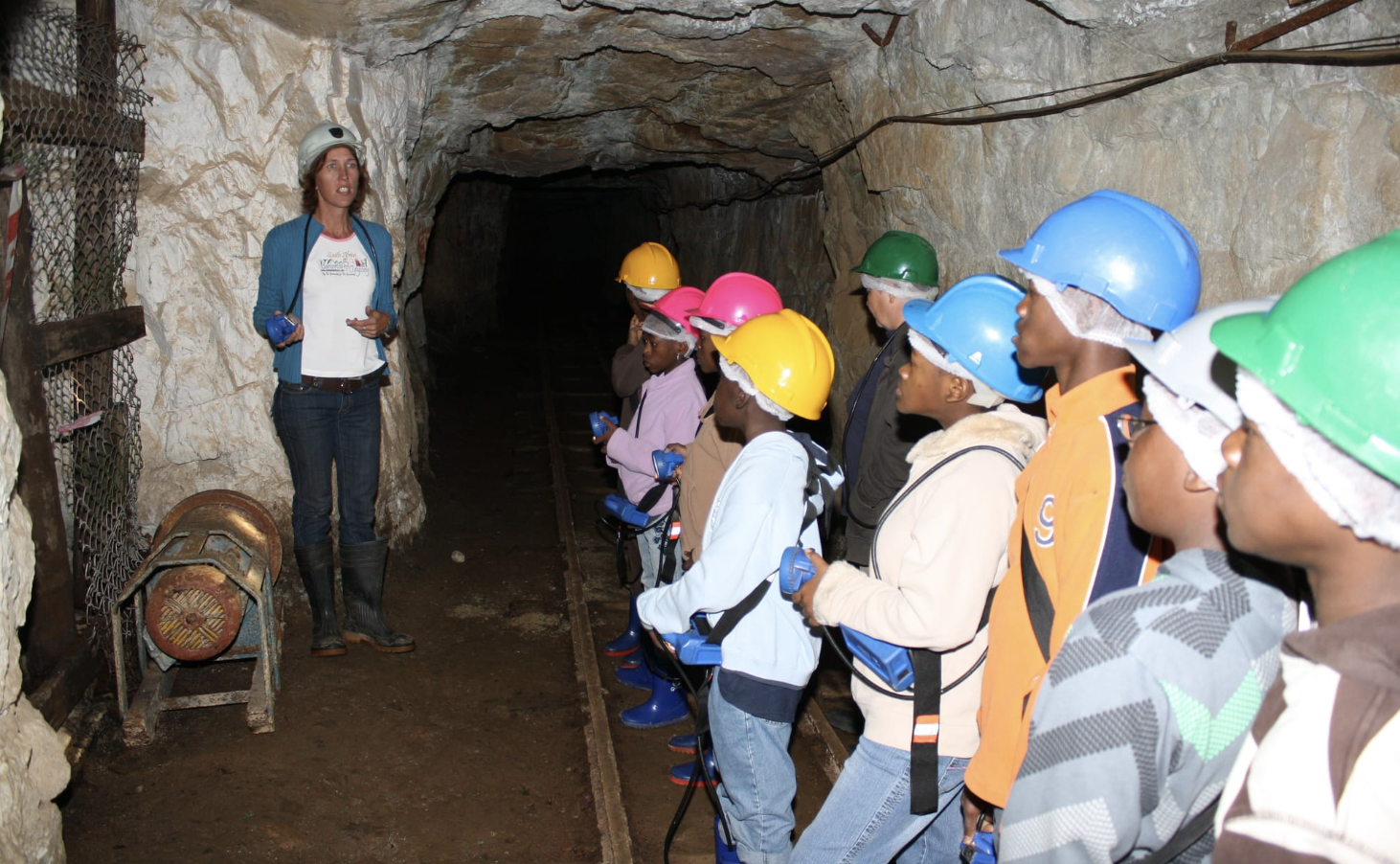
Today, Tiger Trap forms part of the historic mining experience associated with Agnes Mine, where visitors can venture into an old underground working mine and even try their luck at gold panning.
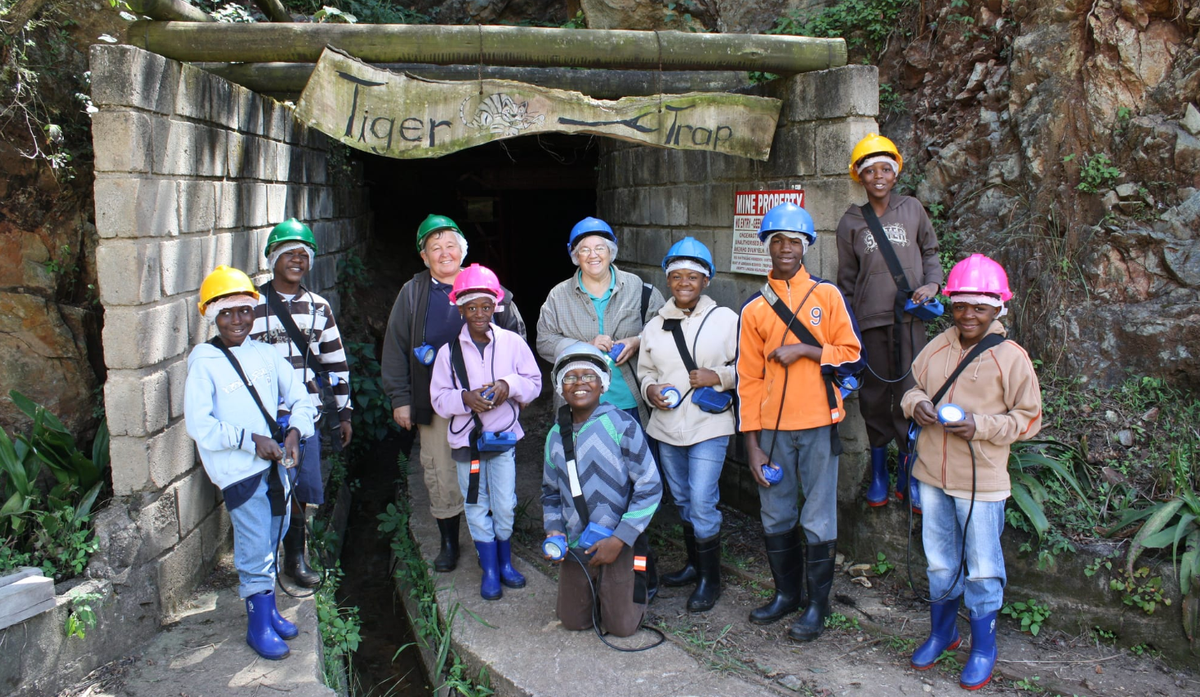
There are places around Barberton where history is not safely tucked away behind glass in a museum. It is still beneath your feet, inside the hills and along the old tracks where men once searched for the gold that transformed a remote corner of the Lowveld into a bustling mining town. Tiger Trap is one of those places.
Today, Tiger Trap forms part of the historic mining experience associated with the Agnes Mine, where visitors can venture into an old underground working and even try their luck at gold panning. But more than 140 years ago, this was not a tourism attraction. It was part of the extraordinary gold rush that put Barberton on the map.
The story begins with French Bob, Auguste Robert, whose discovery of gold on 3 June 1883 helped ignite the Barberton gold rush. The Pioneer lode became the first gold discovery in the district and was extensively worked. Tiger Trap was one of a number of early workings along what became known as the Pioneer Line. Modern geological records still identify Pioneer, Tiger Trap, Beaver Trap, Beehive and other historic workings as part of this important gold-bearing structure.
By 1886, Tiger Trap was already an established mining concern. A contemporary report on the new goldfields described the Pioneer Reef as having been traced through the claims of the Beehive, Whitehead, Pioneer, Tiger Trap and Natalia companies. In most of these workings, the reef had been developed to a depth of about 250 feet, with the reef measuring between two and three feet wide and reportedly averaging about two ounces of gold per ton.
Tiger Trap was not simply a hole in the ground where hopeful diggers scratched around for nuggets. It had machinery and was processing ore. The 1886 report records that the Tiger Trap Company had five stamps worked by an overshot water-wheel. The company had £12,000 in capital, illustrating just how much money and speculation was pouring into the Barberton goldfields during those heady early years.
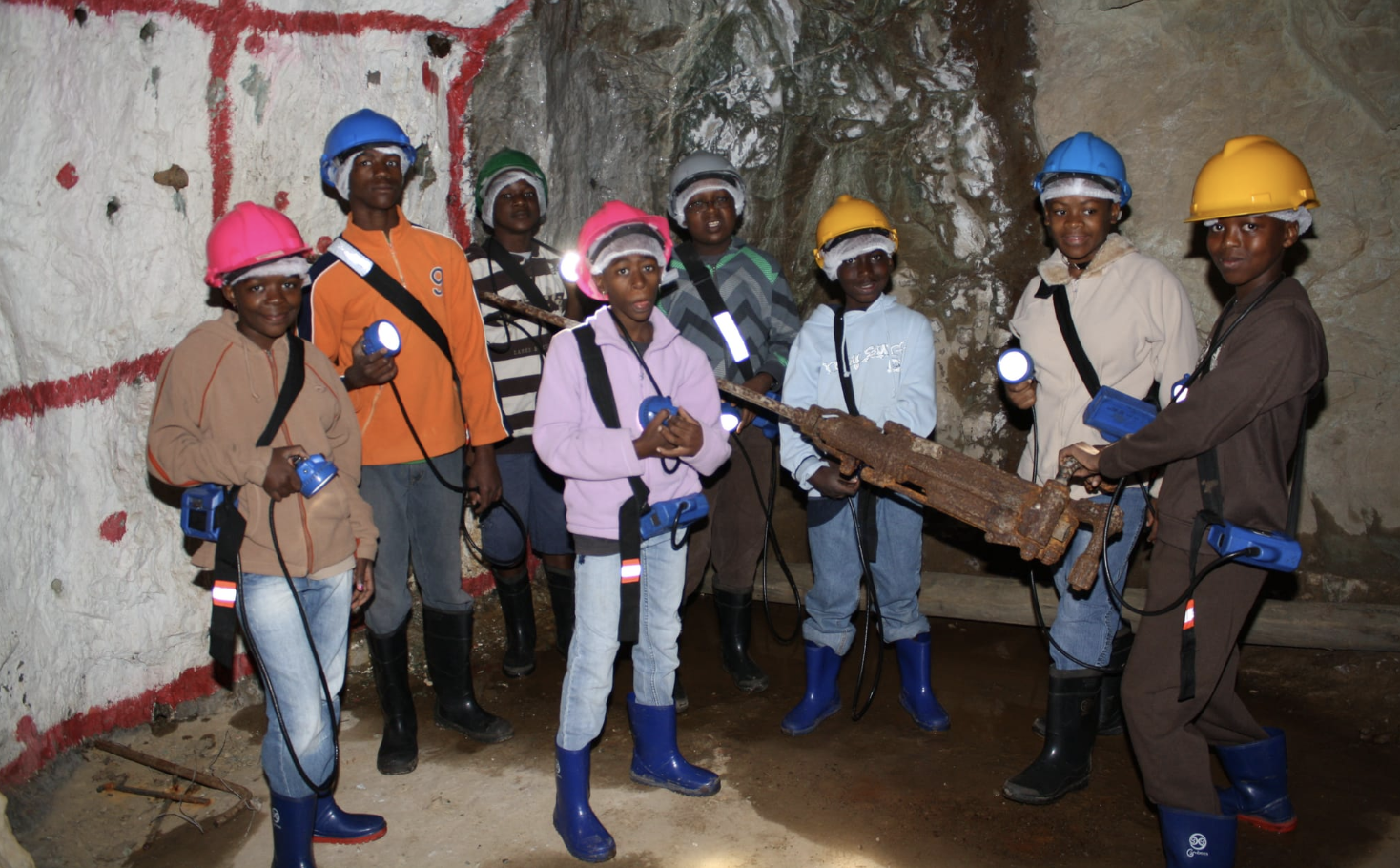
Water power was particularly important to these early mines. Long before modern electrical machinery, the rushing streams of the Barberton mountains could be harnessed to drive the heavy stamps that crushed gold-bearing rock. A later technical account of the district refers to the early Tiger Trap installation as a small stamp mill powered by a homemade water-wheel. The exact number of stamps appears to have changed over the years, reflecting the mine's changing fortunes and development.
Tiger Trap was also regarded favourably by visitors to the early goldfields. Robert Jameson, writing about a visit to the area, described Tiger Trap and neighbouring Whitehead's as well-managed properties and noted that both were regarded as sound mining concerns. He travelled through the valley past the two properties on his way to the Pioneer workings.
The name itself has survived remarkably well. Tiger Trap remains identified as a historic underground working within the modern mining area, alongside the Pioneer workings and other old ore bodies. Technical reports on the Galaxy Gold Mine still list Pioneer and Tiger Trap among the historic underground workings of the Pioneer Line.
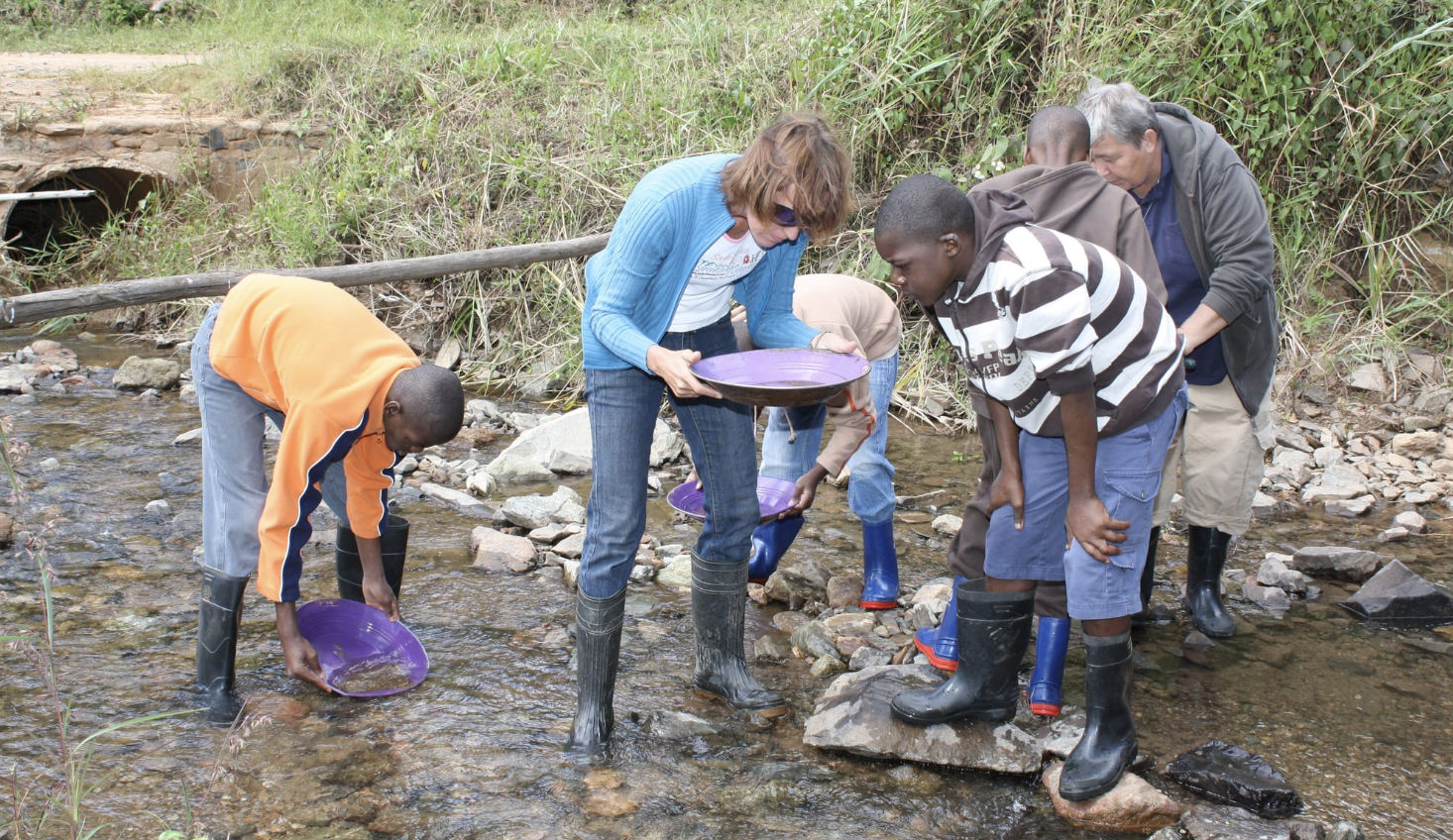
More than a century after the early prospectors descended on the De Kaap Valley in search of fortunes, visitors can enter the old Tiger Trap workings and then pan for gold themselves in the stream that runs outside the entrance to the mine. Archaeological Society visitors to the area have described touring the historic mine and trying their hand at gold panning, bringing a little of the excitement of the old goldfields back to life.
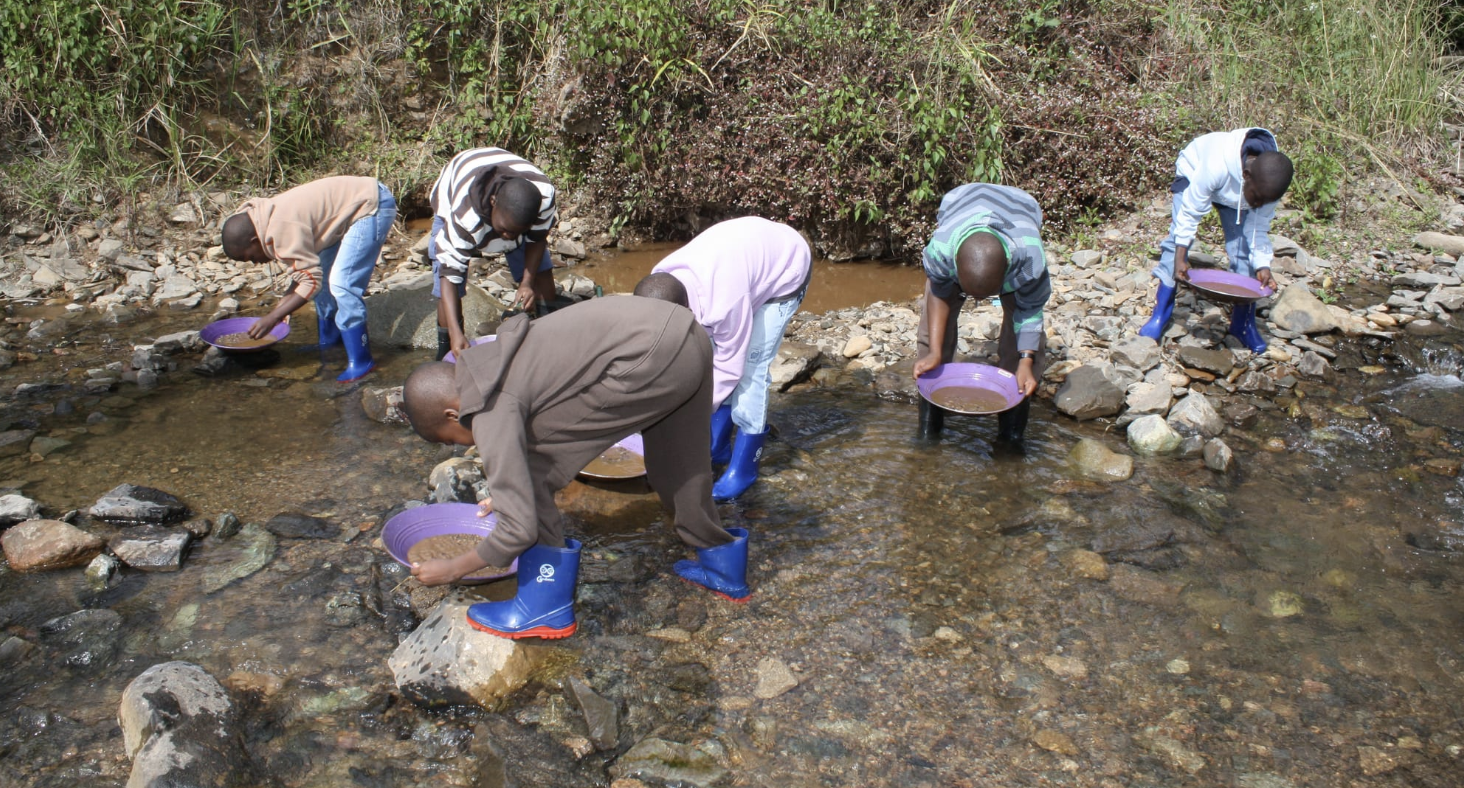
The early miners came because they believed there was gold in these hills. They dug, crushed, washed and processed the rock, often with very little idea of what the future held. Today, we can walk into the same landscape with rather less at stake.
Tiger Trap has therefore become something rather special. Not simply an old mine, but a surviving piece of the story that made Barberton. Its tunnels, machinery and surrounding landscape remind us that the town's history was built not only around famous names such as Sheba and Agnes, but also around the many smaller workings where determined men followed reefs into the mountains in the hope that the next rock would make them rich.
Perhaps that is the charm of gold panning at Tiger Trap today. For a few minutes, everyone gets to feel like a Barberton gold digger. The difference is that we get to go home afterwards.
 Mariana Balt
 Naomi Roebert
 Liz Thorne
Comments ()