
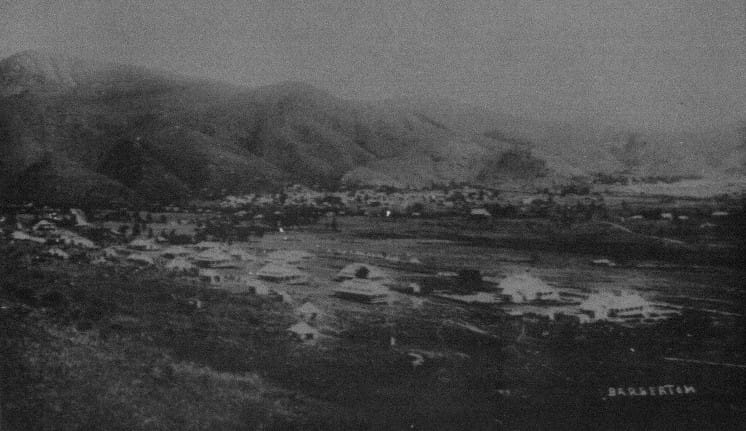
From blockhouses and military patrols to railway tragedies and fearful civilians, Barberton played an important role during the Anglo-Boer War.
When the Anglo-Boer War broke out in October 1899, the quiet gold mining town of Barberton suddenly found itself caught in one of the most turbulent periods in South African history. Although major battles were fought elsewhere, Barberton became an important strategic point during the later guerrilla phase of the war, with British soldiers, Boer commandos, military camps and blockhouses becoming part of daily life.
For the people living in Barberton at the time, the war was not only about politics and armies. It was about uncertainty, shortages, fear, and adapting to a town transformed by conflict.
Barberton already had strategic importance because of its location near the eastern border and its railway connection to the Portuguese port of Delagoa Bay in present-day Mozambique. During the war, transport routes and railway lines became vital to both the British and Boer forces. Protecting these lines became a major priority for the British army once the conflict shifted into guerrilla warfare after 1900.
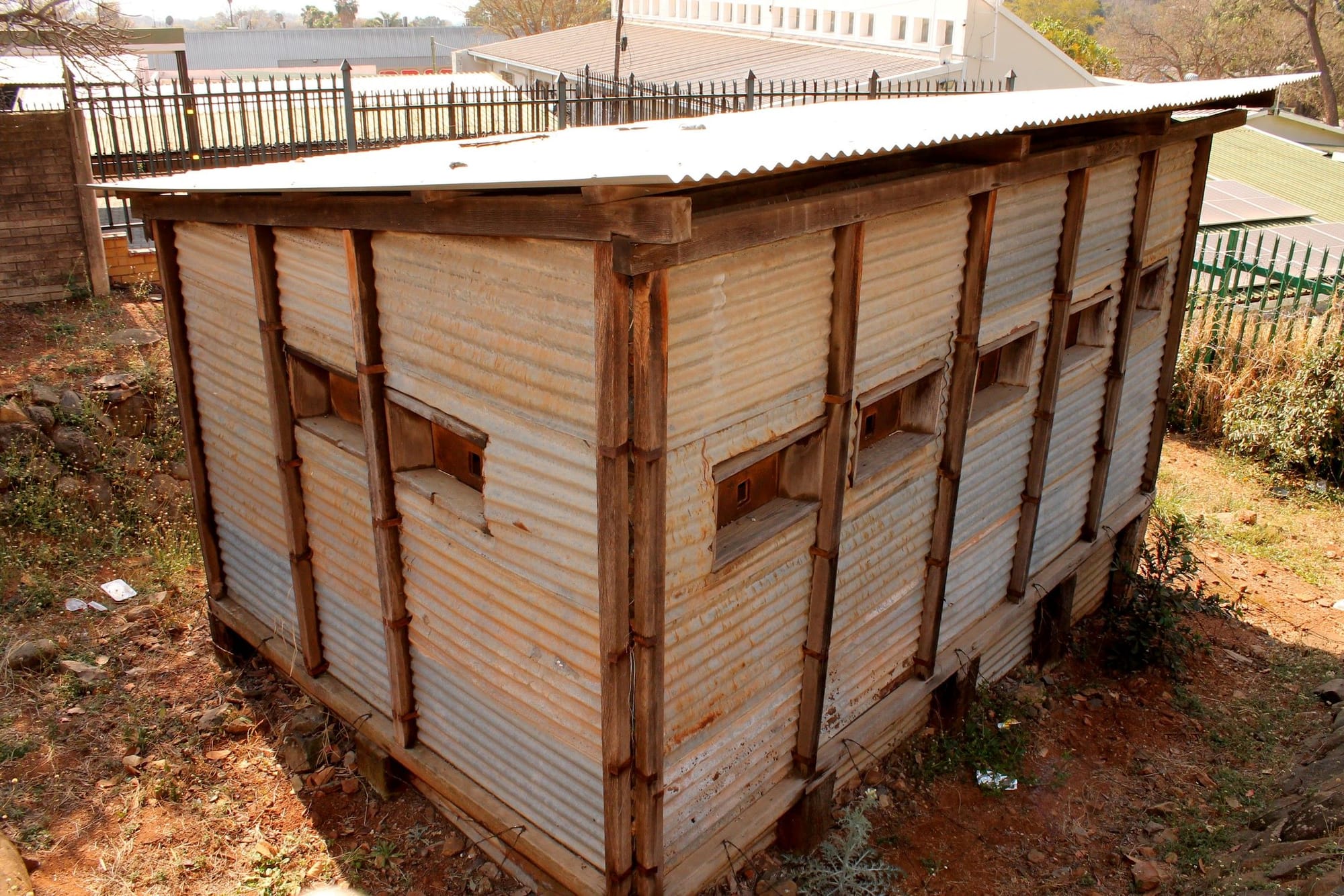
As Boer commandos began attacking supply lines and moving through remote areas, the British responded by building an extensive network of blockhouses across South Africa. These small forts were designed to guard railway lines, roads, bridges and strategic positions while restricting Boer movement. Thousands were eventually built across the country.
Barberton had several of these blockhouses constructed around the town. One of the most important surviving reminders of the war still stands today, the old British blockhouse near the town centre. Built in 1901, it is believed to be one of the earliest examples of British blockhouse design in South Africa and one of five originally constructed around Barberton.
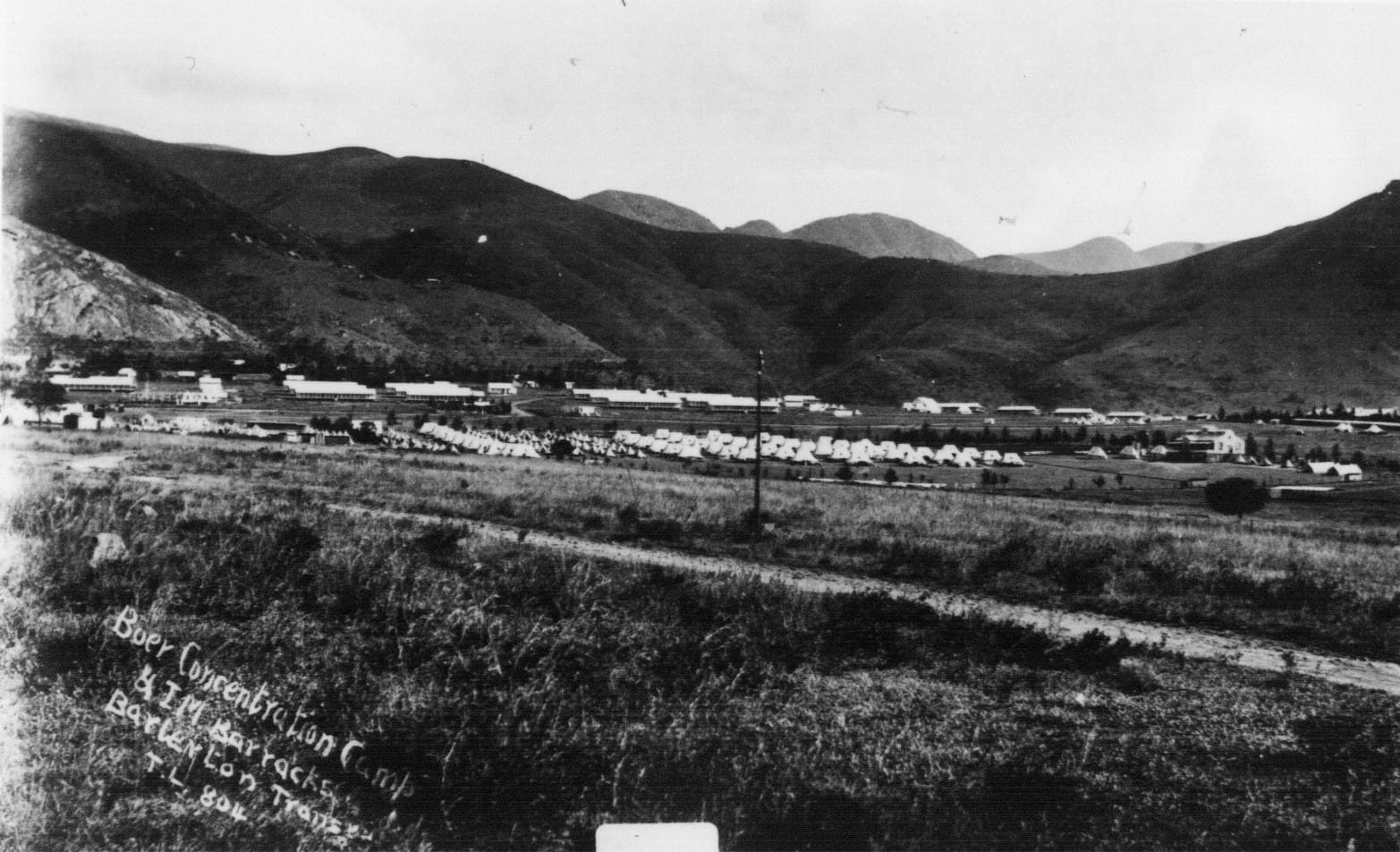
The blockhouse was manned by the Town Guard and served as protection for the concentration camp and hospital established in the area during the war. Interestingly, historical records note that no shot was ever fired from the structure, despite the tense atmosphere and constant fear of Boer attacks. Today it survives as a Provincial Heritage Site and remains one of Barberton’s most important Anglo-Boer War relics.
Life around these military structures would have been tense and heavily controlled. Soldiers patrolled roads and railway lines while local residents lived with curfews, inspections and the constant movement of troops through town. Wagons, horses and military convoys became common sights in the dusty streets of Barberton.
 Lynette Spencer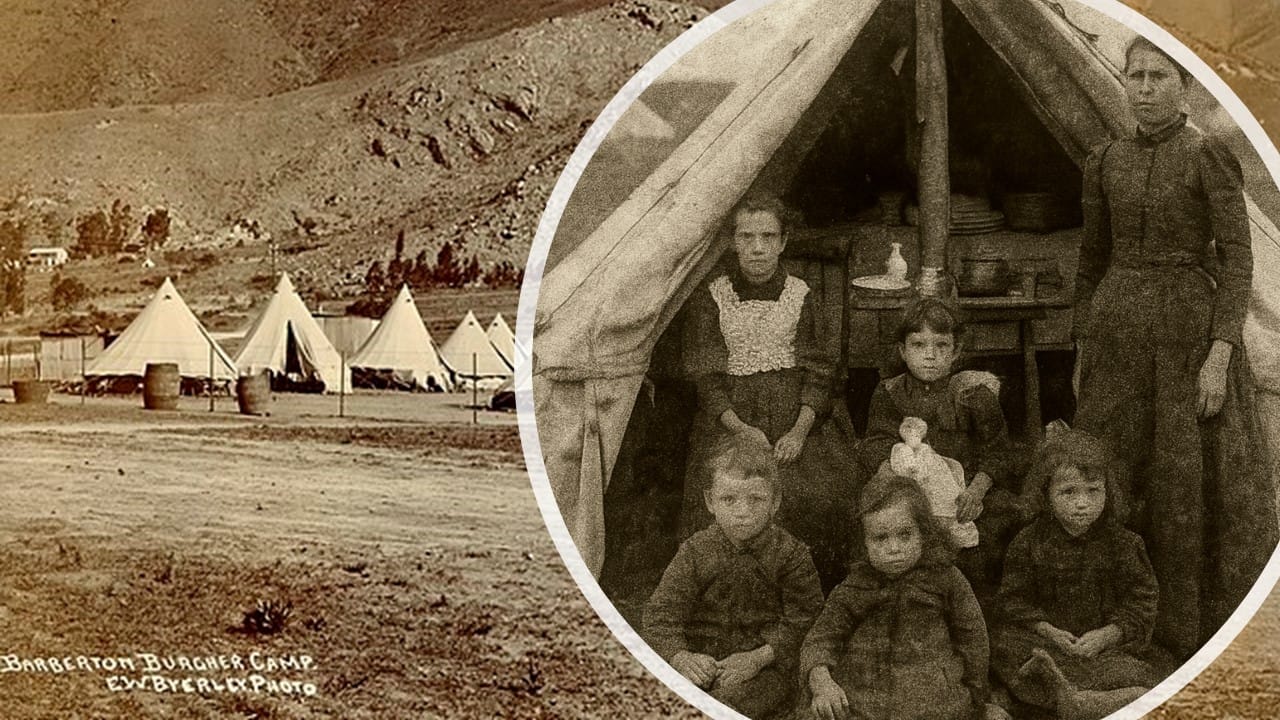
The war also brought suffering to civilians. During the guerrilla phase of the conflict, the British implemented the controversial scorched earth policy and established concentration camps for Boer women and children across the country. While Barberton’s camp was smaller than some of the larger camps elsewhere in South Africa, the presence of hospitals and guarded areas near the blockhouses reminds modern residents of the hardship endured by ordinary families during those years.
Rail travel through the area was dangerous during the war. Boer commandos frequently targeted railway infrastructure, forcing the British to heavily guard the lines. One of the most tragic wartime incidents near Barberton occurred on Easter Sunday, 30 March 1902, when a train carrying soldiers and civilians derailed between Barberton and Kaapmuiden. Forty-nine people lost their lives in what became one of the worst railway accidents of the Anglo-Boer War.
 Lynette Spencer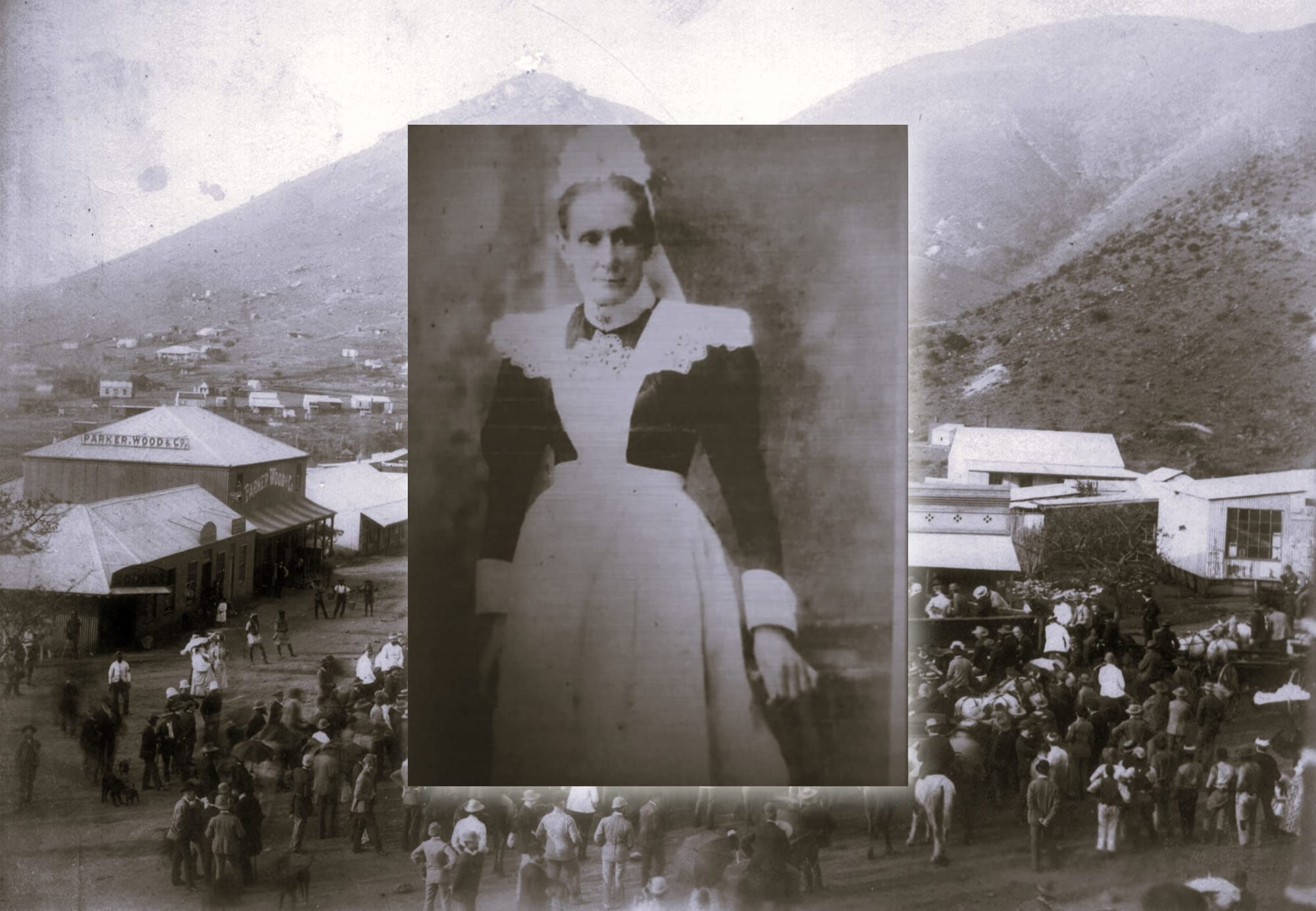
Historical accounts describe funeral processions through Barberton as soldiers and civilians gathered to bury the victims with military honours. The event deeply affected the local community and highlighted how dangerous life had become, even far from the main battlefields.
For local residents, daily life during the war was filled with uncertainty. Shops often struggled with shortages, communication with family members became difficult, and many families feared raids or military reprisals. Farmers in the surrounding districts faced enormous hardship as livestock, crops and supplies were commandeered or destroyed during military operations.
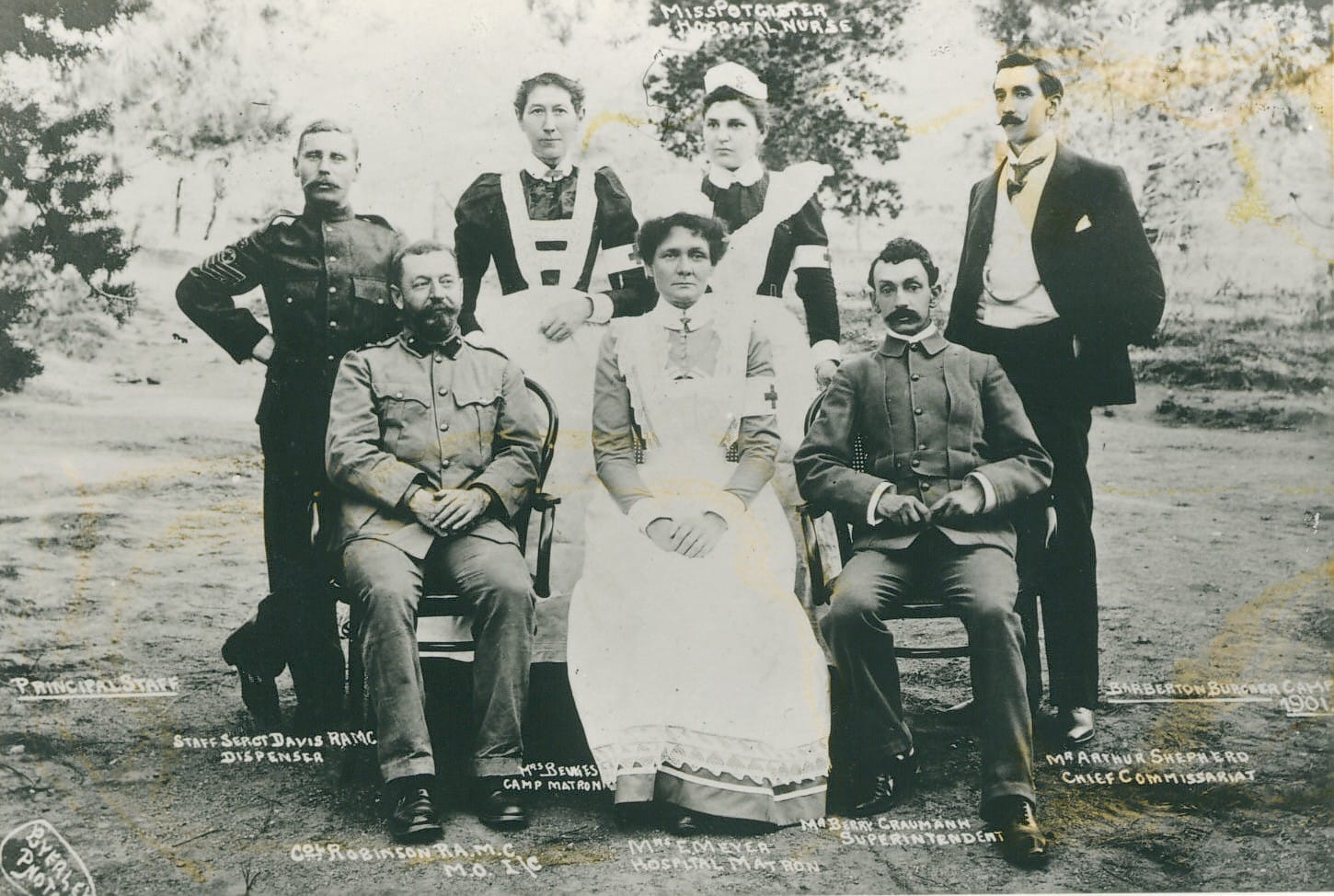
At the same time, Barberton’s mining industry slowed dramatically. Many miners and workers either left the area or became involved in military service. Some local men joined Boer commandos while others served in British-aligned town guards or support units, dividing communities and even families.
The surrounding mountains and valleys of the De Kaap area also made military operations difficult. Boer fighters used their knowledge of the terrain to move secretly through the region, while British patrols attempted to track them through the rugged landscape. This cat-and-mouse style of warfare defined the final years of the conflict.
Garden of Remembrance
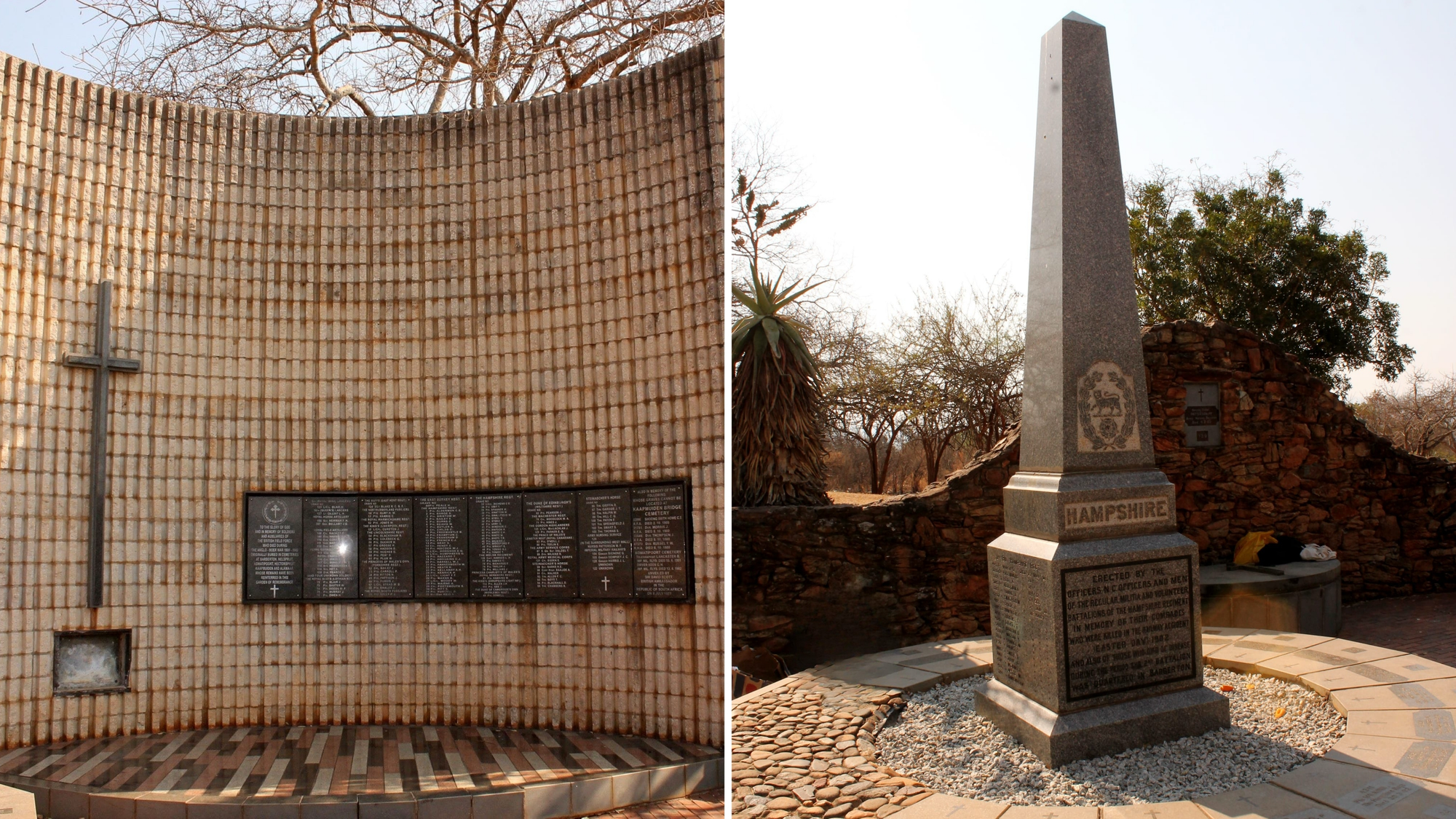
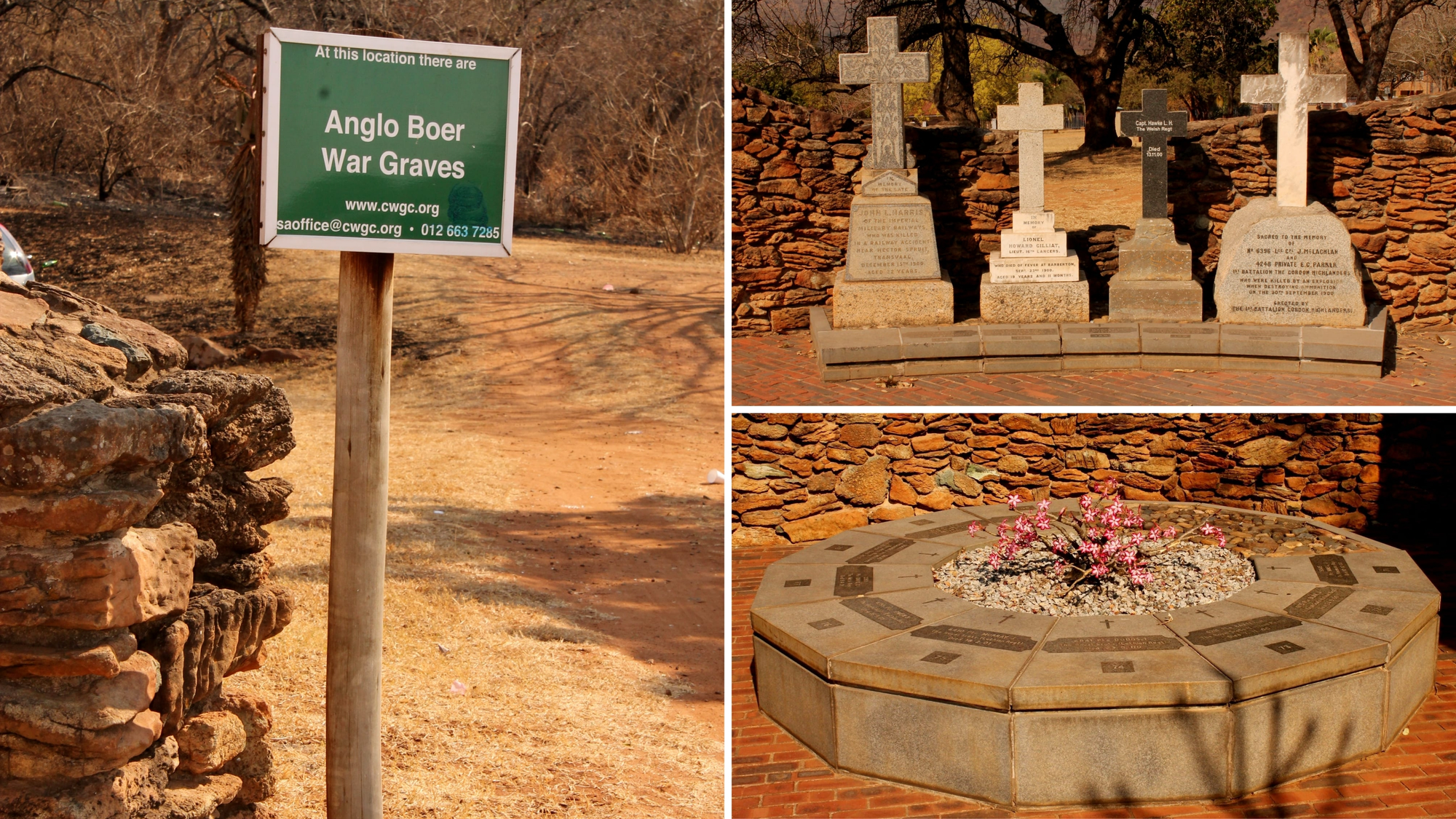
Today, more than 120 years later, reminders of the Anglo-Boer War can still be found in and around Barberton. The surviving blockhouse stands silently as a witness to a difficult chapter in the town’s history, a time when a gold rush town on the edge of the Lowveld became part of a far larger war that shaped South Africa forever. The Garden of Remembrance is another reminder of the war of bygone years.
 Naomi Roebert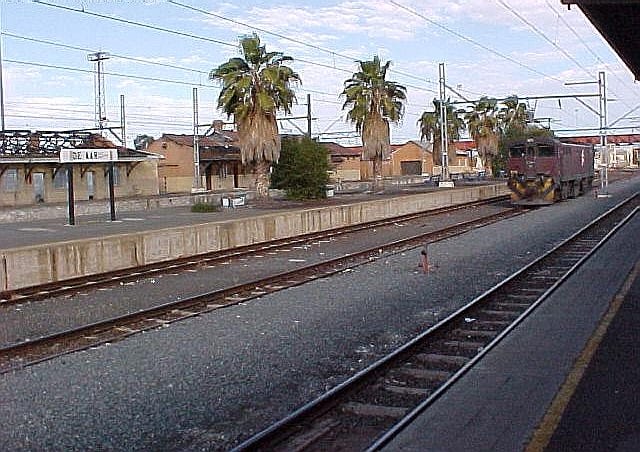
 Mariana Balt
 Anchen Coetzee

Comments ()