
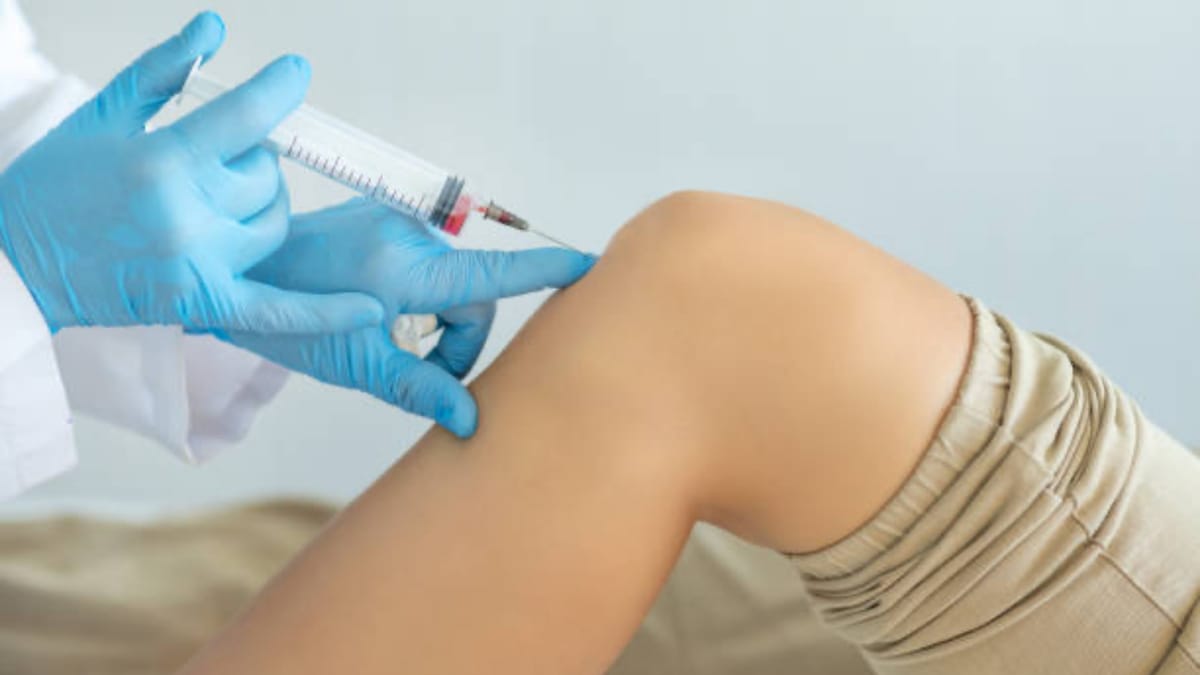
As Bone Marrow Stem Cell Donation and Leukaemia Awareness Month is observed throughout August, healthcare organisations are encouraging more South Africans to learn about stem cell donation and consider joining a donor registry.



For someone living with leukaemia, lymphoma or certain rare blood disorders, a stem cell transplant may offer the best chance of survival. Yet finding a suitable donor is often the greatest challenge, with thousands of patients around the world waiting for a match that may never come.
As Bone Marrow Stem Cell Donation and Leukaemia Awareness Month is observed throughout August, healthcare organisations are encouraging more South Africans to learn about stem cell donation and consider joining a donor registry.
Finding the right match
Unlike blood donation, stem cell donation depends on a close genetic match between donor and patient. These tissue characteristics, known as human leukocyte antigens (HLA), are inherited, making it far more likely that a patient will find a compatible donor within the same ethnic or ancestral background.
This presents a particular challenge in South Africa, where the country's rich diversity is not yet fully reflected in donor registries. The more people who register from different communities, the greater the chances of finding life-saving matches for patients both locally and internationally.
According to DKMS Africa, only a small percentage of registered donors are ever called upon to donate because the matching process is so specific. However, for the patient who does find a match, that donor may represent their only chance of recovery.




Separating fact from fiction
One of the biggest misconceptions about stem cell donation is that it always involves surgery. Today, most donations are collected through a process known as peripheral blood stem cell donation. Before the donation, the donor receives medication over several days to encourage stem cells to move into the bloodstream. The cells are then collected through a procedure similar to donating blood, with the remaining blood being returned to the donor.
Only a small proportion of donations require stem cells to be collected directly from the pelvic bone under general anaesthetic. Even then, the body naturally replaces the donated cells within a short period.
A simple decision that could save a life
Joining a stem cell donor registry is straightforward. Prospective donors usually complete a health questionnaire and provide a cheek swab to determine their tissue type. If they are ever identified as a match for a patient, they are contacted and guided through the next steps.
While the likelihood of being called to donate is relatively low, the impact for a patient can be life-changing.
As Bone Marrow Stem Cell Donation and Leukaemia Awareness Month reminds us, not every medical breakthrough happens in a laboratory. Sometimes it begins with an ordinary person deciding to spend a few minutes registering as a potential donor. For the patient waiting for a match, that simple decision could mean the difference between hope and heartbreak.


Comments ()