
The secrets to keeping orchids happy
Orchids have a reputation for being difficult, but perhaps they are simply particular.
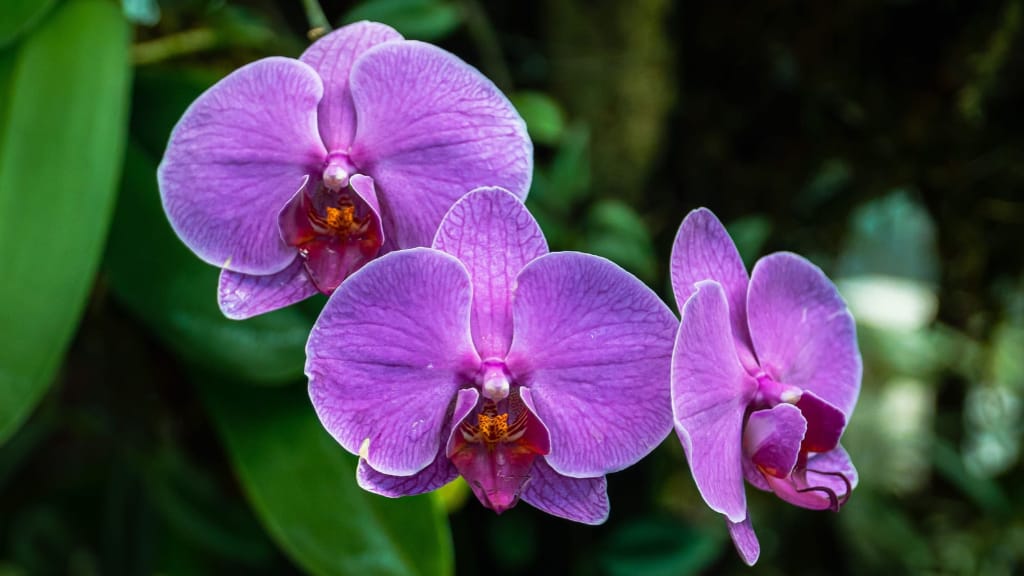



There are people who can grow orchids so successfully that their homes look like miniature botanical gardens. Their orchids flower for months, produce new leaves and roots, and generally behave as though they have been given a five-star life. Then there are the rest of us.
We buy an orchid because it is absolutely magnificent in the nursery, bring it home, find the perfect spot for it and admire it every morning. We water it, feed it, move it around, talk to it and generally give it all the attention we think a plant could possibly want. Then the flowers fall off and the orchid sits there looking at us with what can only be described as disappointment. Even worse, the leaves start to whither and eventually die.
The good news is that orchids are not necessarily difficult to grow. They are simply rather particular about what they like. In fact, one of the biggest mistakes we make is loving them a little too much.
The first thing to understand is that an orchid is not an ordinary pot plant. Many of the orchids sold as houseplants, particularly Phalaenopsis or moth orchids, are naturally adapted to growing on trees rather than in ordinary garden soil. Their roots are designed to absorb moisture and nutrients from the surrounding environment and to dry out between periods of moisture. This is why planting one in a pot of normal potting soil and keeping it permanently wet can be a recipe for disaster.
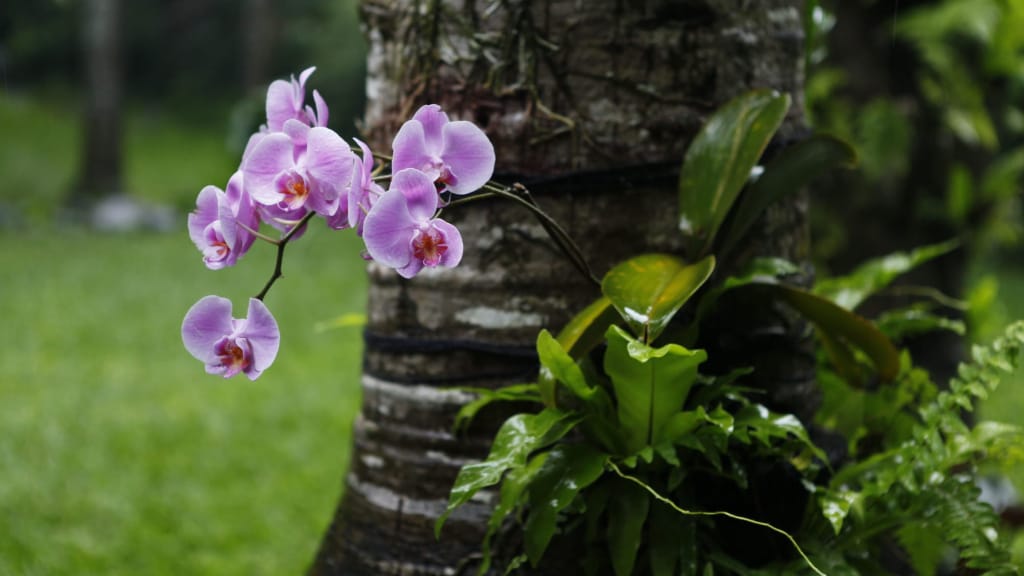
Light is another important factor. Orchids generally like plenty of bright, indirect light, but not hours of harsh, scorching midday sunshine. A position near a bright window can work beautifully, provided the plant is protected from excessive direct sun. If the leaves are very dark green and the plant refuses to flower, it may not be receiving enough light. On the other hand, yellowing or scorched-looking leaves can indicate too much direct sunlight.
Then comes the issue that has probably killed more orchids than neglect ever has, watering. The temptation is to water an orchid whenever the top of the growing medium looks dry, but orchids generally prefer a good drink followed by a period in which the roots are allowed to dry out. Exactly how often this happens depends on the temperature, humidity, potting medium and season.
The important thing is not to allow the roots to sit permanently in water. Good drainage is essential, and decorative pots that collect water at the bottom can quietly turn an otherwise healthy orchid into a victim of root rot.
One useful trick is to pay attention to the roots. Healthy Phalaenopsis roots are often firm and green when wet and become silvery or greyish as they dry. They can tell you far more about the plant's needs than a rigid watering timetable. Then there are those peculiar roots that insist on growing out of the pot and waving around in the air. These are perfectly normal and known as aerial roots. An orchid does not necessarily need every root tucked neatly into its pot.
Humidity is another piece of the puzzle. Orchids generally appreciate humid conditions, but they also need good air movement. This is particularly important in warm climates. A humid, stagnant corner can encourage fungal and bacterial problems, while a little gentle air circulation helps keep the plant healthier.
Feeding is equally important, but once again, more is not better. Orchids benefit from a suitable orchid fertiliser used according to the instructions. Over-fertilising can damage the roots and do far more harm than good. Think of fertiliser as a supplement rather than a three-course meal.
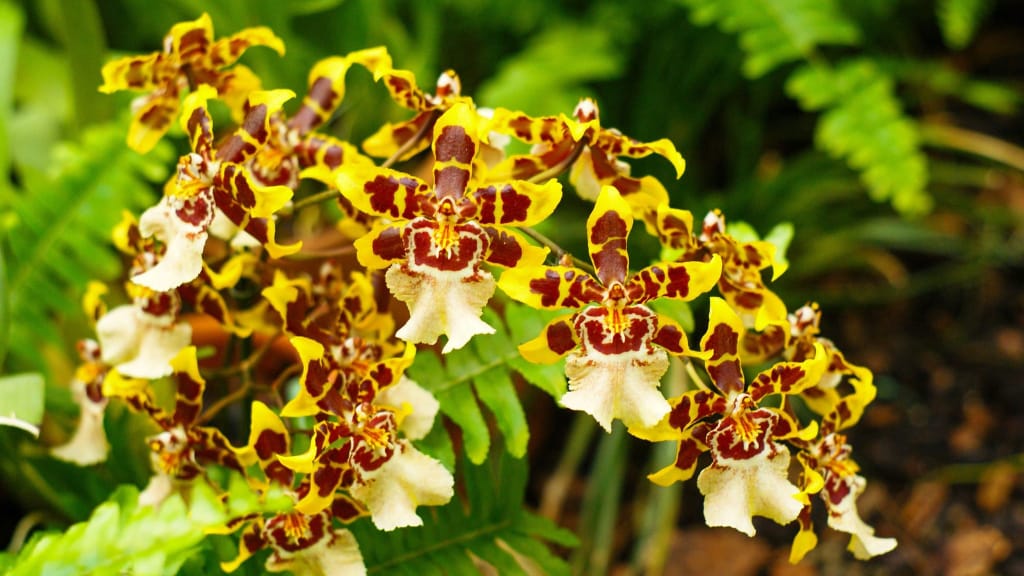
Perhaps the most frustrating moment for a new orchid owner comes when the flowers finally disappear. Orchids naturally go through flowering and resting periods. Once the flowers have faded, the plant is not necessarily dying. It may simply be gathering strength for its next flowering cycle. Healthy leaves and roots are a much better indication of the plant's wellbeing than the absence of flowers.
The flower spike is another matter. Whether it should be cut back depends on the condition and type of spike and the particular orchid. With a healthy green spike, some growers leave it in place because it may produce another flowering branch. If it has turned brown and dry, it can generally be cut back. A clean, sharp pair of scissors is preferable to hacking away at the plant with whatever happens to be in the garden shed.
Repotting is sometimes necessary too, particularly when the growing medium has broken down or the roots have become crowded or unhealthy. Orchids are usually happier in a purpose-made orchid mix containing materials such as bark rather than ordinary compost. Repotting is generally best done when the plant has finished flowering or when there is a clear reason that the existing medium is no longer suitable.
Perhaps the most important lesson, however, is patience. Sometimes the best thing you can do is put the plant somewhere suitable, give it the right amount of water and light, and then leave it alone. Sometimes the orchid's greatest need is for us to stop interfering.
So if you have an orchid sitting on a windowsill looking decidedly unimpressed with life, don't throw it away just because it is no longer flowering. Check its roots, examine the leaves, consider its light and watering routine, make sure it has proper drainage and give it time. If you are still struggling, take comfort in the fact that even experienced orchid growers occasionally lose one.
Perhaps the secret is not becoming the person whose house looks like a botanical garden. Maybe it is simply learning to keep the orchid alive long enough to bloom again. When it finally does, you are perfectly entitled to stand back, admire it and pretend you knew exactly what you were doing all along.
 Naomi Roebert
 Liz Thorne
 Mariana Balt


Comments ()