
Children need a little more dirt in their lives
For many of us, childhood came with a certain amount of dirt. It was part of the adventure, and nobody considered a muddy pair of shoes evidence of a failed afternoon.
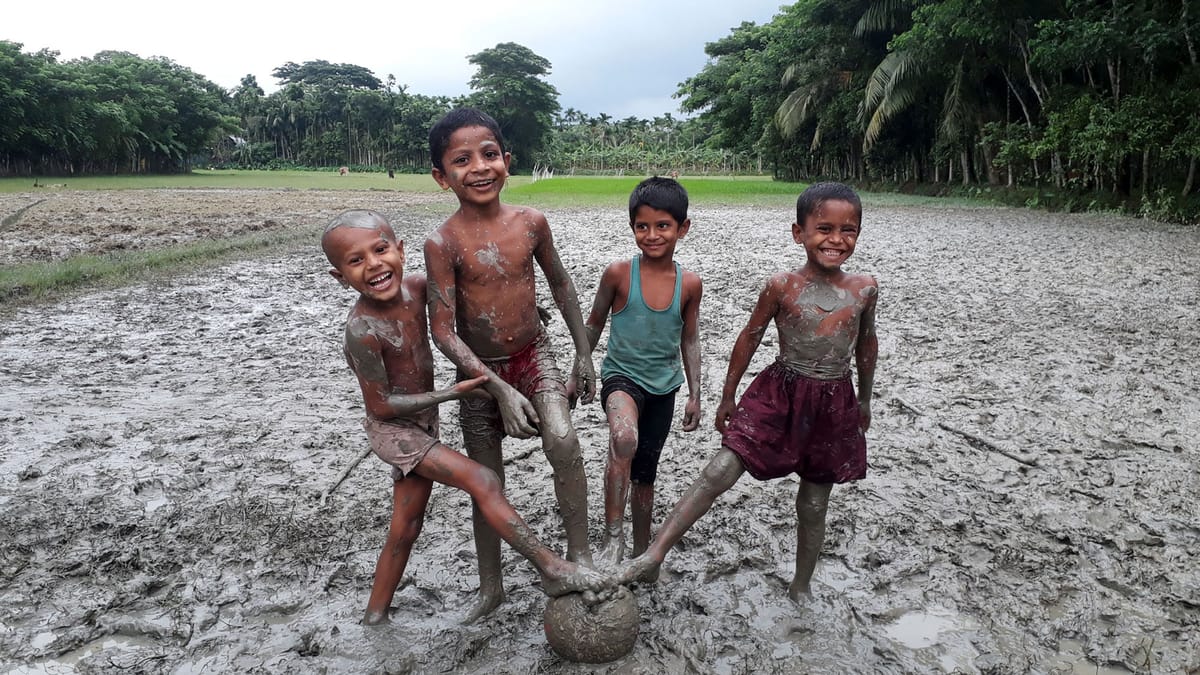
Remember the days when playing outside meant climbing trees, building mud pies, making secret hideouts and returning home with grass stains on your knees? When a patch of bare ground could become a construction site, a garden became a jungle and an ordinary stick was transformed into a sword, fishing rod or magic wand? For many of us, childhood came with a certain amount of dirt. It was part of the adventure, and nobody considered a muddy pair of shoes evidence of a failed afternoon.
Today, children's lives can look rather different. Between schoolwork, organised activities, electronic devices and the demands of everyday family life, opportunities for unstructured outdoor play can sometimes fall by the wayside. There is nothing wrong with technology or organised sport, but there is something wonderfully valuable about allowing children the freedom to explore the world beyond four walls, and sometimes, that means getting their hands dirty.
Give a child a patch of earth and a little imagination, and you might be surprised by what happens next.
A hole becomes a tunnel, a collection of stones becomes a treasure chest, and a handful of leaves might be the ingredients for a very questionable-looking soup. Unstructured outdoor play allows youngsters to invent their own games, make decisions and work out how things fit together. They can build, dig, collect, balance, climb and create, learning as they go. There is no prescribed outcome and no need for everything to be perfect. If the mud pie collapses, they can make another one. If the stick bridge does not support the collection of stones placed on it, they can rethink the design. These small experiments encourage problem-solving, creativity and persistence without turning learning into a formal lesson.
Sometimes the best discoveries happen when nobody has told a child exactly what to do.
Anyone who has spent time with a curious child knows that one question can lead to another, and another, until the original topic has disappeared into the distance. Rather than rushing to provide every answer, adults can encourage children to observe, investigate and think for themselves. Watch the ants together. Turn over a fallen leaf to see what might be hiding underneath. Plant a seed and check its progress over several weeks. These simple experiences introduce children to the natural world and help them understand that living things have needs, habits and relationships.
They also encourage patience, because nature does not always provide an immediate answer. A seed will not grow faster because a child is impatient, and a butterfly cannot be ordered to emerge from its chrysalis before lunchtime. Some things simply require time.
There is a difference between hearing about something and experiencing it for yourself. A child can read about rain, soil and plants, but digging in the garden after a shower provides a very different kind of lesson. They can feel the damp earth, notice how water changes the soil and discover the tiny creatures that emerge after rainfall. They can learn that plants need water and sunlight, that some surfaces are slippery when wet and that a tower of stones needs a reasonably stable base if it is going to remain standing.
These experiences help children connect ideas with the world around them. Outdoor play also provides opportunities to develop physical skills. Running across uneven ground, balancing on a log, carrying sticks or digging with a small spade all require coordination and movement. Children learn to judge distances, adjust their balance and become more aware of their bodies and surroundings.
Naturally, age-appropriate supervision and sensible boundaries remain important. Not every branch is safe to climb, and not every interesting-looking berry belongs in a child's mouth. The aim is to allow exploration while helping children recognise and manage risks. After all, confidence grows when children are given opportunities to try things, make mistakes and learn with appropriate support.
There is also value in allowing children a little freedom to decide what they want to do. Not every activity needs to be organised, supervised from beginning to end or measured against a particular achievement. Of course, there will be moments of boredom. A child may announce that there is absolutely nothing to do, despite standing in a garden full of potential adventures. It is tempting to produce an instant entertainment schedule, but sometimes boredom is the starting point of imagination. Given a little time, children often find their own ways to turn an ordinary afternoon into something memorable.
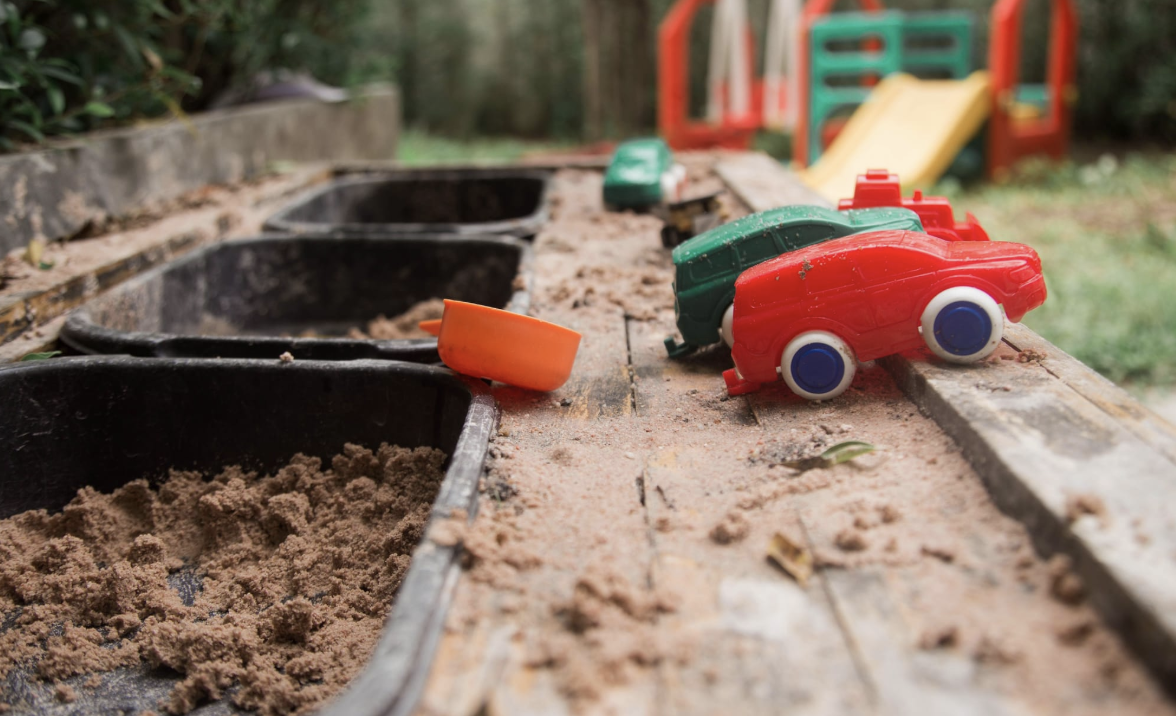
Spending time outdoors can also help children develop an appreciation for the natural world. When they regularly observe plants, insects, birds and changing weather, nature becomes something familiar rather than something encountered only in a book or on a screen. A child who has planted and cared for a seedling may begin to understand why plants should not be pulled out carelessly. One who has watched a caterpillar feed on leaves may become fascinated by its transformation into a butterfly.
These small encounters can nurture a sense of responsibility towards the environment. Children learn that the outdoors is not merely a playground, but a place shared with other living things. They can also learn to leave natural spaces as they found them, avoid disturbing wildlife and understand why litter does not belong in the garden, at the river or in the park.
Getting dirty is one thing. Leaving a mess behind for someone else to clean up is quite another.
Outdoor play does not have to involve a wilderness adventure or a grand family outing. A garden, a local park, a patch of grass or a safe outdoor space can provide plenty of opportunities for exploration. You do not even need expensive equipment or elaborate plans. Sometimes all that is required is a little time, suitable clothing and the willingness to accept that the washing basket may be fuller than usual.
Let children collect interesting stones, splash in puddles where it is safe, build with sticks or investigate what is happening beneath a fallen log. Join in if you feel like it, answer their questions where you can, and do not be afraid to admit when you do not know the answer. You might learn something yourself.
Perhaps we do not need to make childhood more complicated than it already is. Children need opportunities to move, imagine, explore and discover the world at their own pace. They do not need every moment to be structured or every experience to have a clearly defined outcome. So, the next time a youngster arrives home with dirty hands, muddy shoes and an enthusiastic account of an afternoon spent investigating something that sounds suspiciously like a hole in the ground, consider asking a few questions before reaching for the mop.
You may be looking at a budding scientist, engineer, naturalist or simply a child who has had a thoroughly wonderful day.


Comments ()