
The famous fig tree of Fig Tree Creek
Before there were roads, filling stations or cafés, one giant fig tree became the most famous stop on the journey to Barberton.
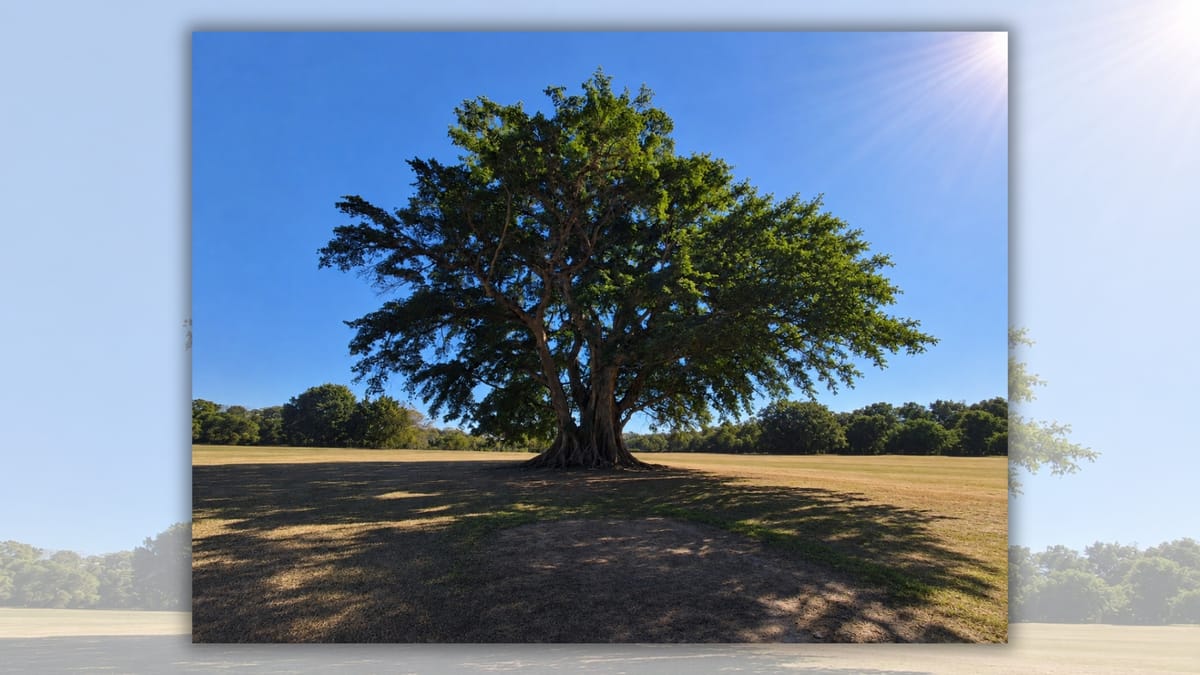

Your OppiDam Musiekfees 2026 adventure starts here. Book your tickets today.


There are so many interesting stories, some hearsay and some maybe not so true, of the early days of Barberton. One that I happen to stumble on was this one of a famous fig tree. Whether true or false, it gives a glimpse into the lives of the people that roamed our valley in the 1800s.
Long before there were filling stations, roadside cafés or even proper roads leading into Barberton, weary transport riders knew there was one place where they could always stop to rest. It was not a hotel or an inn. It was a magnificent sycamore fig tree standing beside a small stream in the De Kaap Valley.
For many years, this giant tree became one of the best-known landmarks on the route to the bustling Barberton goldfields, earning the nearby watercourse the name Fig Tree Creek.
Today, little remains to remind travellers of the famous tree that once stood there. Yet during the hectic years of the gold rush, almost everyone making the arduous journey to Barberton knew exactly where it was.
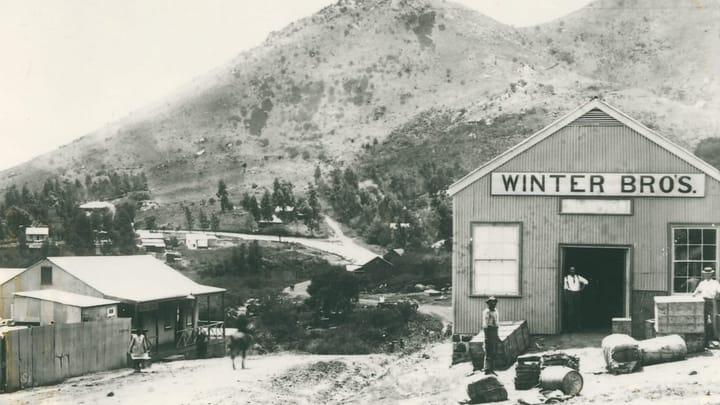
When gold was discovered in the De Kaap Valley in 1884, Barberton sprang into existence almost overnight. Thousands of prospectors, merchants and fortune seekers streamed into the area from every direction. But before they could begin searching for riches, everything they needed had to be transported over great distances.
Food, mining equipment, timber, clothing, tools, furniture and even pianos were loaded onto heavy ox wagons and hauled across rough country. There were no tarred roads, or bridges across river. The journey was slow, difficult and often dangerous. Oxen became exhausted, wagons broke down and rivers could become impassable after heavy rain.
Recognising the need for a reliable transport route, transport rider Robert Pettigrew established a wagon road from the Crocodile River through the De Kaap Valley to Barberton in 1886. It quickly became one of the busiest transport routes in the eastern Transvaal as endless wagon trains made their way towards the booming mining town.
Along this route stood an enormous sycamore fig tree. Its wide canopy offered welcome shade from the relentless Lowveld sun, making it the ideal resting place for both man and beast. Here, transport riders would outspan their oxen, allow them to graze and drink, and inspect their wagons before tackling the next stage of the journey.
The fig tree soon became much more than simply a place to rest. It became an unofficial meeting point where transport riders exchanged news of the goldfields, discussed road conditions and warned one another about flooded rivers or broken drifts ahead. Friendships were formed beneath its branches and business deals were struck while teams of oxen recovered their strength.
The stop was also something of an open-air workshop. Wagon wheels frequently needed repairing after travelling over rocky tracks, iron tyres loosened, axles cracked and harnesses broke under the enormous strain of hauling heavy loads. Blacksmiths travelling with the wagon trains often carried out emergency repairs beneath the shelter of the giant tree while waiting for the oxen to rest.
As more travellers used the route, the nearby stream simply became known as Fig Tree Creek. The name appeared on maps and entered everyday conversation. Rather than giving complicated directions, people would simply say, "Meet me at the Fig Tree," confident that everyone would know exactly where they meant.
Thousands of people must have paused beneath those spreading branches during the years when Barberton was growing from a rough mining camp into one of South Africa's busiest gold towns. Prospectors dreaming of striking it rich, traders delivering precious supplies, government officials, mail coaches and ordinary settlers all passed through this natural landmark on their way to the frontier town.
The significance of the site became evident many decades later. As recently as 1952, relics from the gold rush era were still being uncovered beneath the tree. Among the discoveries were old wagon wheels and a rusty blacksmith's bellows, silent reminders of the countless repairs carried out there by transport riders more than half a century earlier. Those forgotten objects provided a tangible link to the men whose determination kept Barberton supplied during its formative years.
Sadly, the great tree that had watched generations come and go did not survive forever. On March 13, 1989, a violent storm swept through the valley, causing catastrophic damage to the giant sycamore fig. One of Barberton's oldest natural landmarks, which had stood as a silent witness to the birth of the goldfields, was lost.
Although the tree itself is gone, its legacy lives on. The name Fig Tree Creek continues to preserve the memory of a place that played a surprisingly important role in Barberton's history. It reminds us that history is not only written in grand buildings or famous people, but also in the quiet places where ordinary men and women paused, worked, rested and prepared for another day on the road.
Every successful mining town depended on more than the miners who searched for gold. It relied on the transport riders who delivered supplies, the oxen that hauled impossible loads across unforgiving country and the landmarks that guided them on their journeys. The great fig tree of the De Kaap Valley was one such landmark. It asked for nothing, yet for many years it faithfully sheltered those who helped build Barberton.
Today, motorists travel the route in comfort, often reaching Barberton in less than an hour from the Crocodile Valley. Few would suspect that, beneath the wheels of modern vehicles, lies the path once carved out by ox wagons, or that nearby stood a giant fig tree whose shade became a welcome refuge for thousands of travellers during one of the most exciting chapters in the town's history. Though the tree has long since fallen, its story remains deeply rooted in the heritage of Barberton.
 Mariana Balt
 Liz Thorne
 Naomi Roebert
 Charlotte Hayes



Comments ()