
Remarkable and famous people who came to Barberton
The discovery of gold transformed the quiet De Kaap Valley into one of the most talked-about destinations in southern Africa.
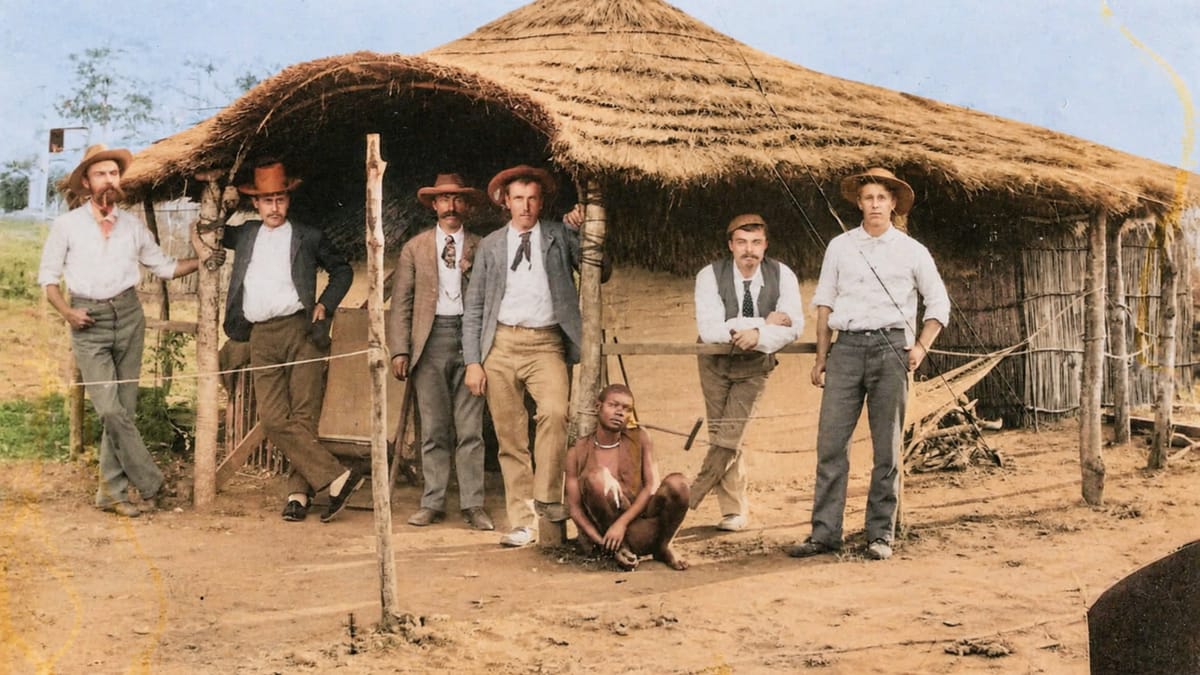
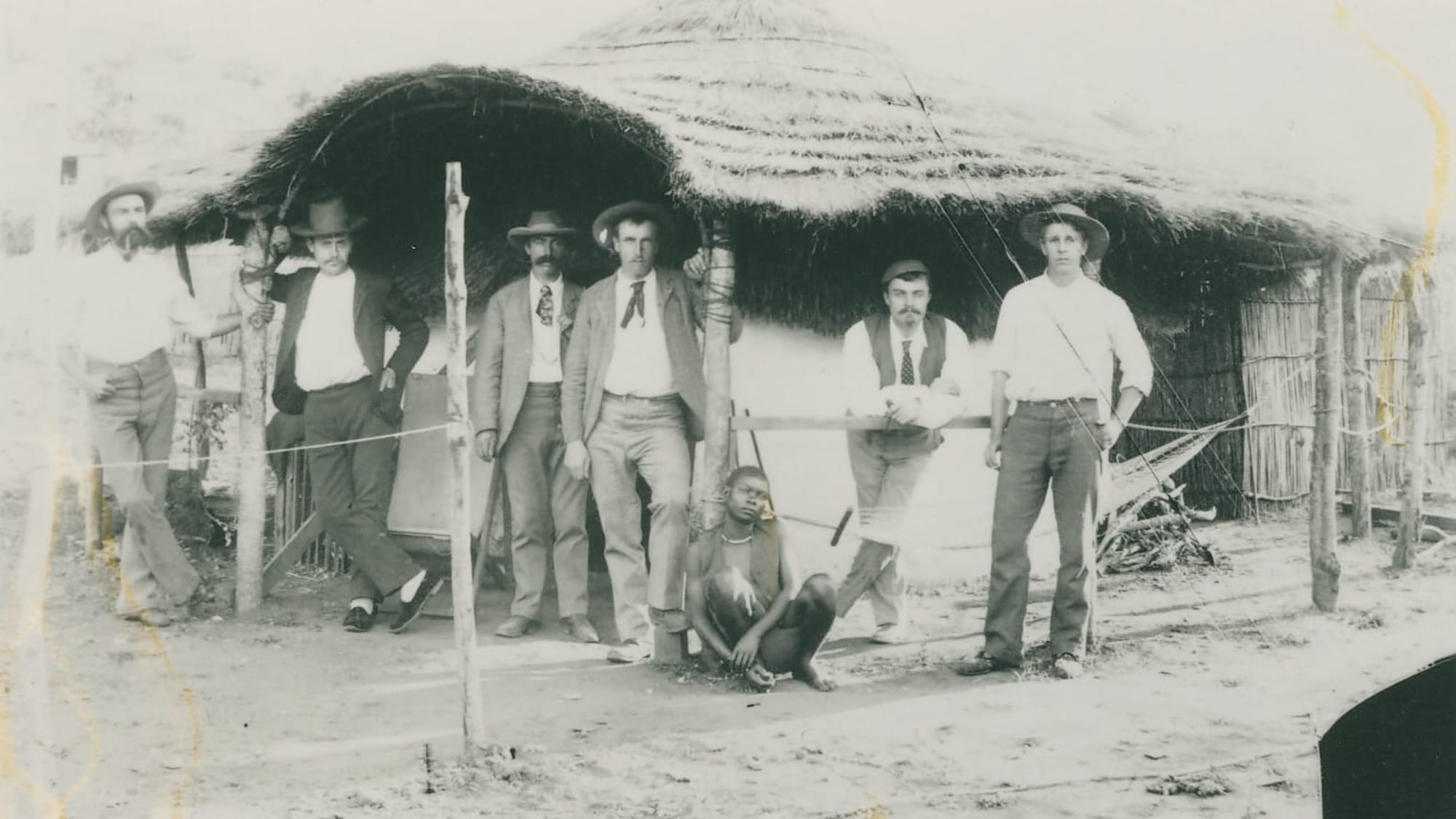
During the great gold rush of the 1880s, Barberton was far more than a small mining settlement hidden among the mountains of the eastern Transvaal. It was a bustling centre of opportunity, speculation, adventure and ambition. Men arrived from across the world, some carrying little more than a pickaxe and a dream, while others arrived with considerable wealth and business connections.
The discovery of gold transformed the quiet De Kaap Valley into one of the most talked-about destinations in southern Africa. Within a remarkably short time, the little settlement attracted mining magnates, politicians, businessmen, adventurers and personalities whose names would eventually become part of South African history.
Some came to inspect the goldfields and invest their fortunes. Others arrived hoping to make their own. A few stayed long enough to become part of Barberton's story, leaving behind connections that would later reach far beyond the town's borders.
One of the most notable political visitors was Paul Kruger, the president of the Zuid-Afrikaansche Republiek (ZAR), better known to generations of South Africans as Oom Paul. His visit to the newly established goldfields became one of the memorable events in Barberton's early history. The young mining settlement was not necessarily an easy audience for the conservative Boer president. The goldfields attracted large numbers of foreign prospectors, known as uitlanders, many of whom had complaints about mining regulations, administration and their rights in the republic. The Gold Commissioner was reportedly concerned about the reception Kruger might receive.
However, the president proved that he was capable of handling a difficult crowd. According to local historical accounts, he attended a church service on the Sunday after his arrival and met with the diggers the following day. Standing on a table, he reportedly waved his interpreter aside and addressed the gathering in English. His speech made such an impression that the miners subsequently prepared a petition for him to present to the Volksraad.
It was an unusual encounter between a president and a restless mining community, and one that Barberton has remembered for generations. The story of Kruger's visit has previously been explored by De Kaap Echo, including the local legend connecting his speech to the large fig tree at the Laerskool Barberton Primary sportsground.
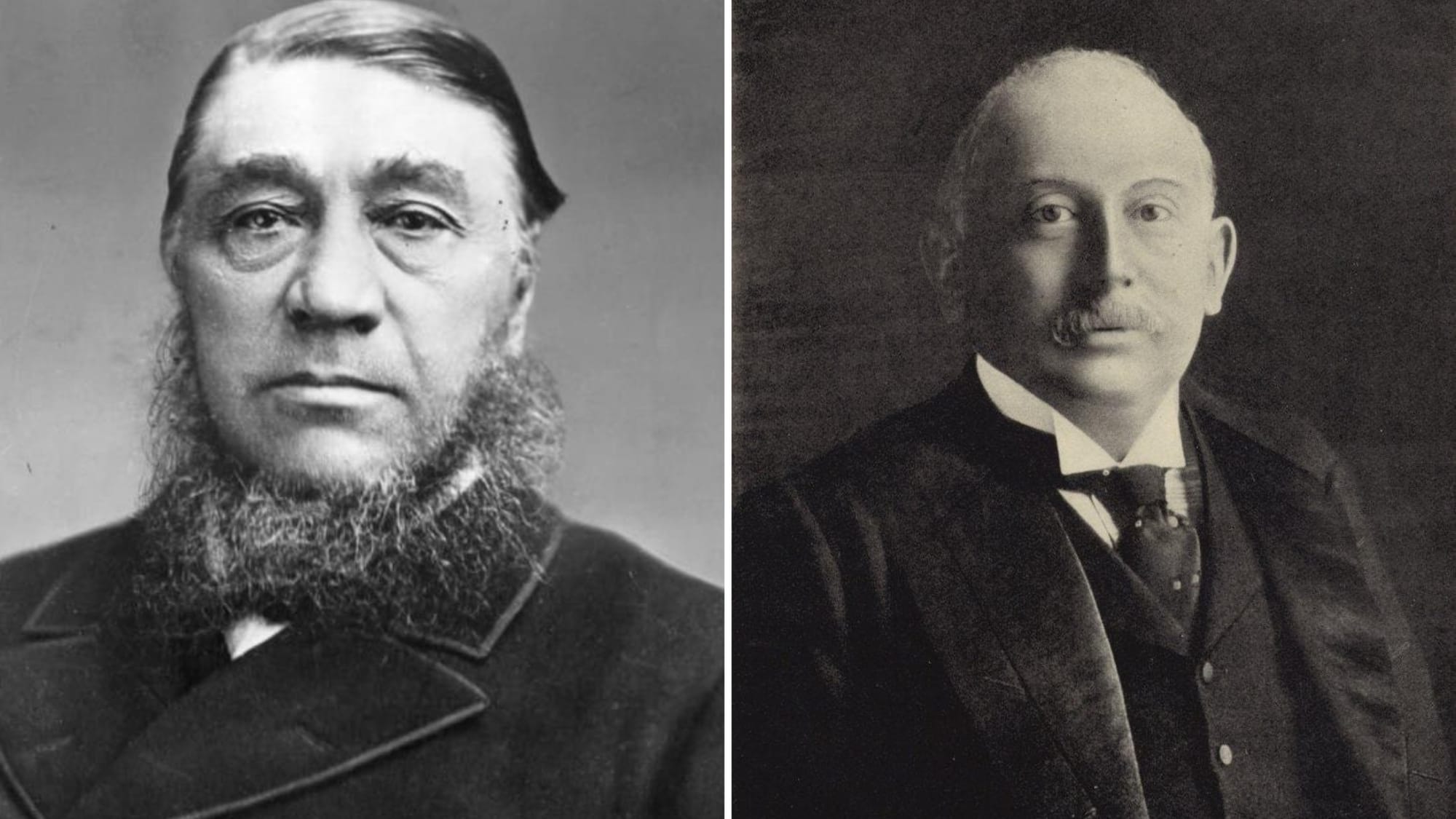
Another important visitor was the wealthy international mining financier Alfred Beit. Born in Hamburg, Germany, Beit became one of the most influential figures in the development of South Africa's mining industry. In 1884, he travelled to the De Kaap goldfields accompanied by French financier Jules Porges. The two men had already developed an interest in the diamond industry around Kimberley and were keen to investigate the possibilities offered by the newly discovered goldfields.
Beit inspected mining operations, travelling on horseback and on foot through difficult terrain to examine the potential of the claims. According to an account by Jim Taylor, his Barberton agent, Beit displayed remarkable energy while inspecting shafts and underground workings. He invested in mining companies, including the French Bob Company and the Kimberley Imperial Company, eventually becoming chairman of both. His involvement helped attract further capital and attention to the De Kaap goldfields.
His travelling companion, Jules Porges, was another influential figure in the international mining world. Born in Vienna, Porges established himself as a successful financier in Paris and became involved in major mining investments in southern Africa. Their journey to Barberton demonstrated that the town's reputation had already reached the financial centres of Europe.
Not everyone who came to Barberton was a wealthy investor, however. Some visitors arrived for entirely different reasons and found themselves caught up in the gold fever.
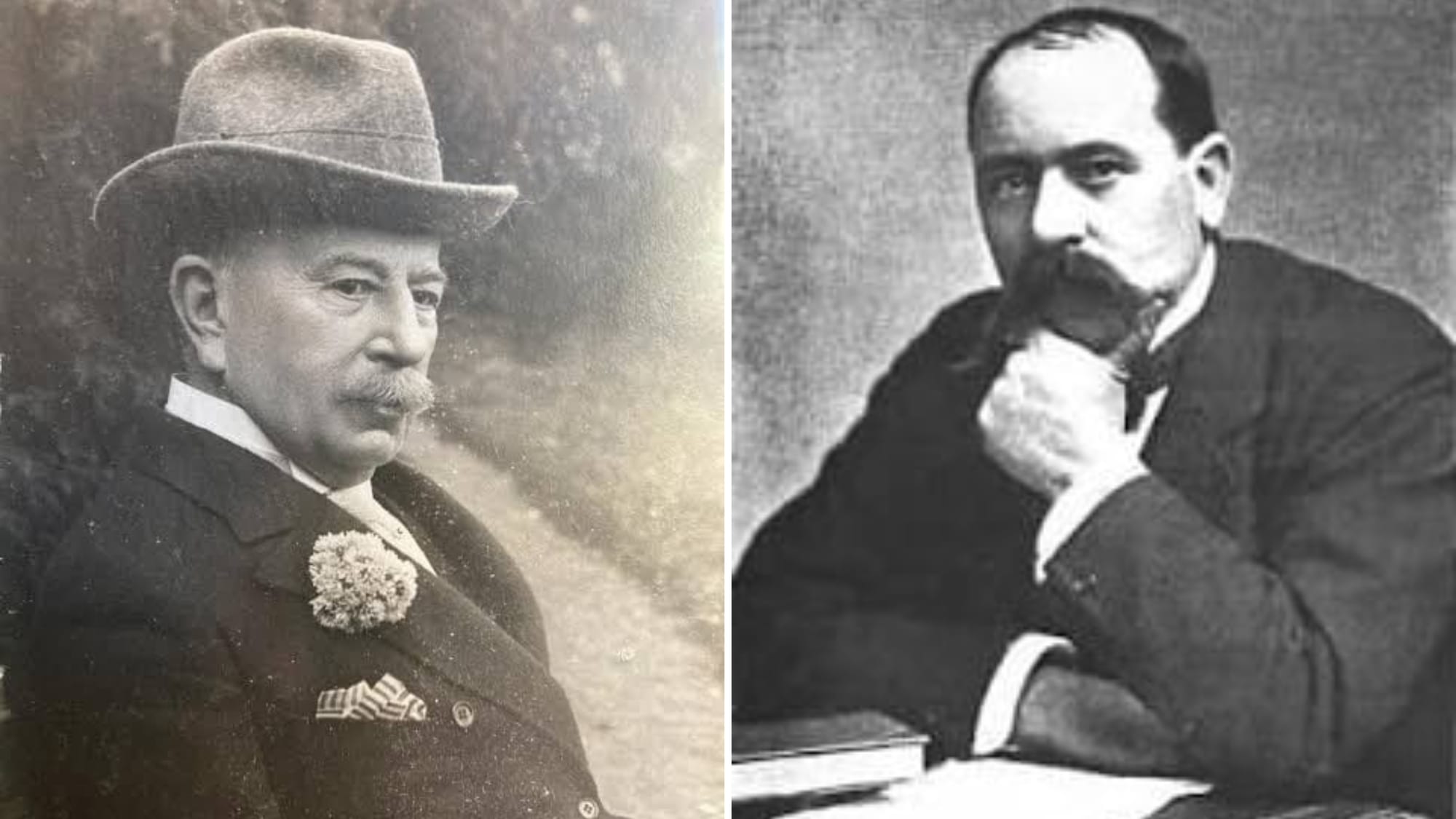
One such personality was Dr Hans Sauer, a young medical practitioner who visited the goldfields during a lengthy hunting expedition. The excitement surrounding the discoveries proved infectious, and Sauer began considering whether he should abandon medicine for a more adventurous life as a prospector. He eventually joined the rush himself, pegging out claims after hearing reports of promising gold discoveries at the Kimberley Imperial mine. His experiences provide an interesting glimpse into the atmosphere of the early goldfields, when even people with established professions were tempted by the possibility of striking it rich.
Barberton also became home to several men who would later achieve considerable fame in South African business, politics and literature. Among them was Sir James Percy FitzPatrick, the author of the much-loved classic, Jock of the Bushveld. FitzPatrick arrived in Barberton in 1884 as a young man of 22, seeking adventure and opportunity like so many others. His early working life was far removed from the comfortable existence of a successful author. He worked as a storeman, a prospector's assistant, a journalist and eventually a transport rider, travelling along difficult routes between the goldfields and the coast at Delagoa Bay, present-day Maputo.
FitzPatrick's connection with Barberton is particularly special because he was not simply passing through. He lived and worked here during a formative period of his life. The town's dusty roads, mining camps and colourful characters formed part of the world that helped shape the storyteller he eventually became.
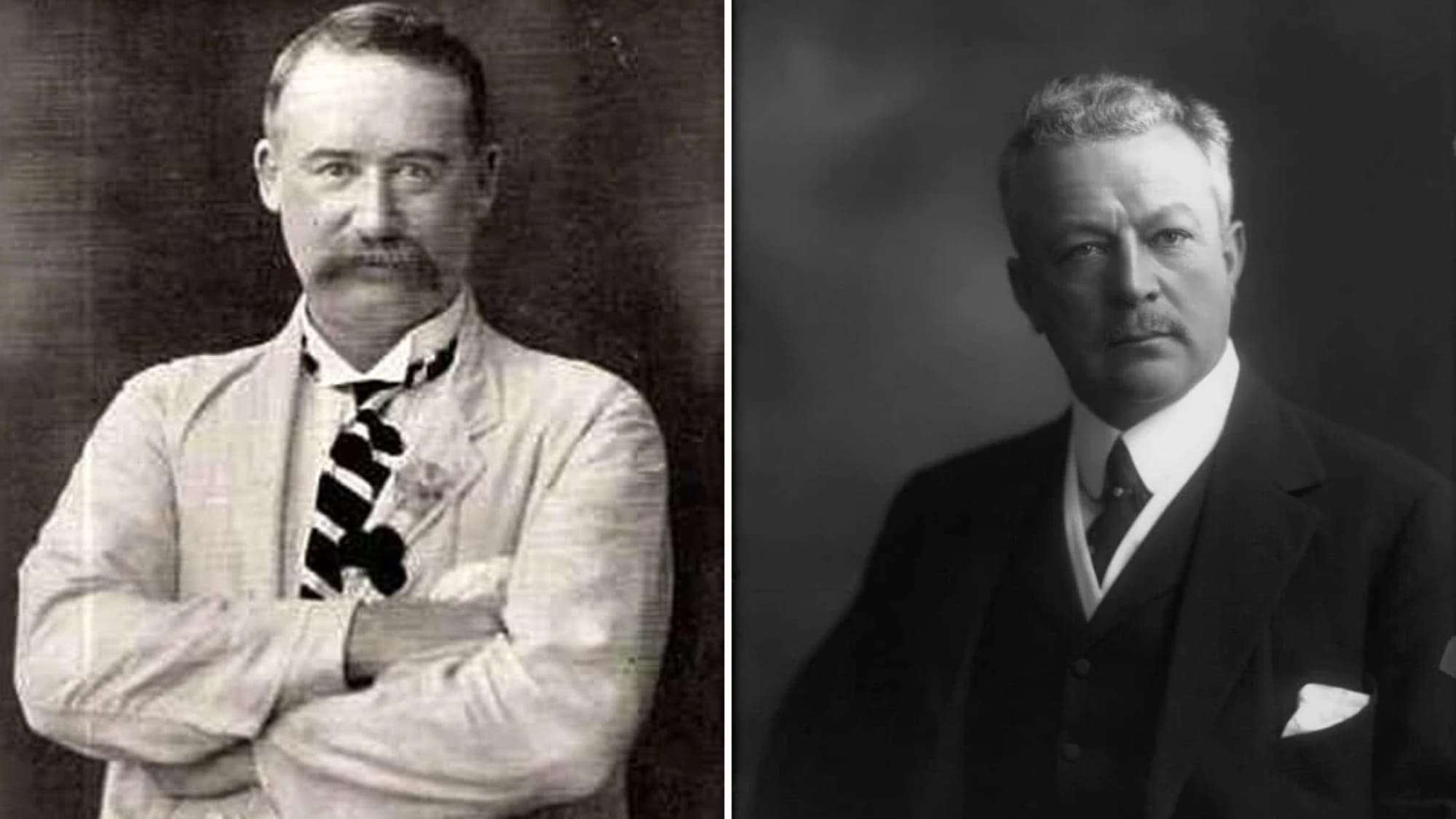
Another future business giant who began his career in Barberton was Sir Abe Bailey. Born in Cradock in the Cape Colony, Bailey arrived in the eastern Transvaal during the gold-rush years and established himself as a broker. He proved to be an astute businessman and soon became involved in the town's commercial and sporting activities. Recognising the changing fortunes of the goldfields, he eventually moved to the Witwatersrand, where he built an extraordinary business and financial career. He later became a prominent figure in South African politics and was knighted for his contributions.
Then there was Sammy Marks, another name associated with the early days of Barberton. Born in Lithuania, Marks arrived in South Africa as a young immigrant and initially earned a living selling jewellery and other goods. His business instincts eventually turned him into one of the country's most successful industrialists. Marks was among the early citizens of the mining town. Together with his cousin and business partner Isaac Lewis, he became associated with the Lewis and Marks business empire. Their connection with Barberton is still visible in the historic Lewis and Marks building, an important reminder of the commercial ambitions that helped shape the young town.
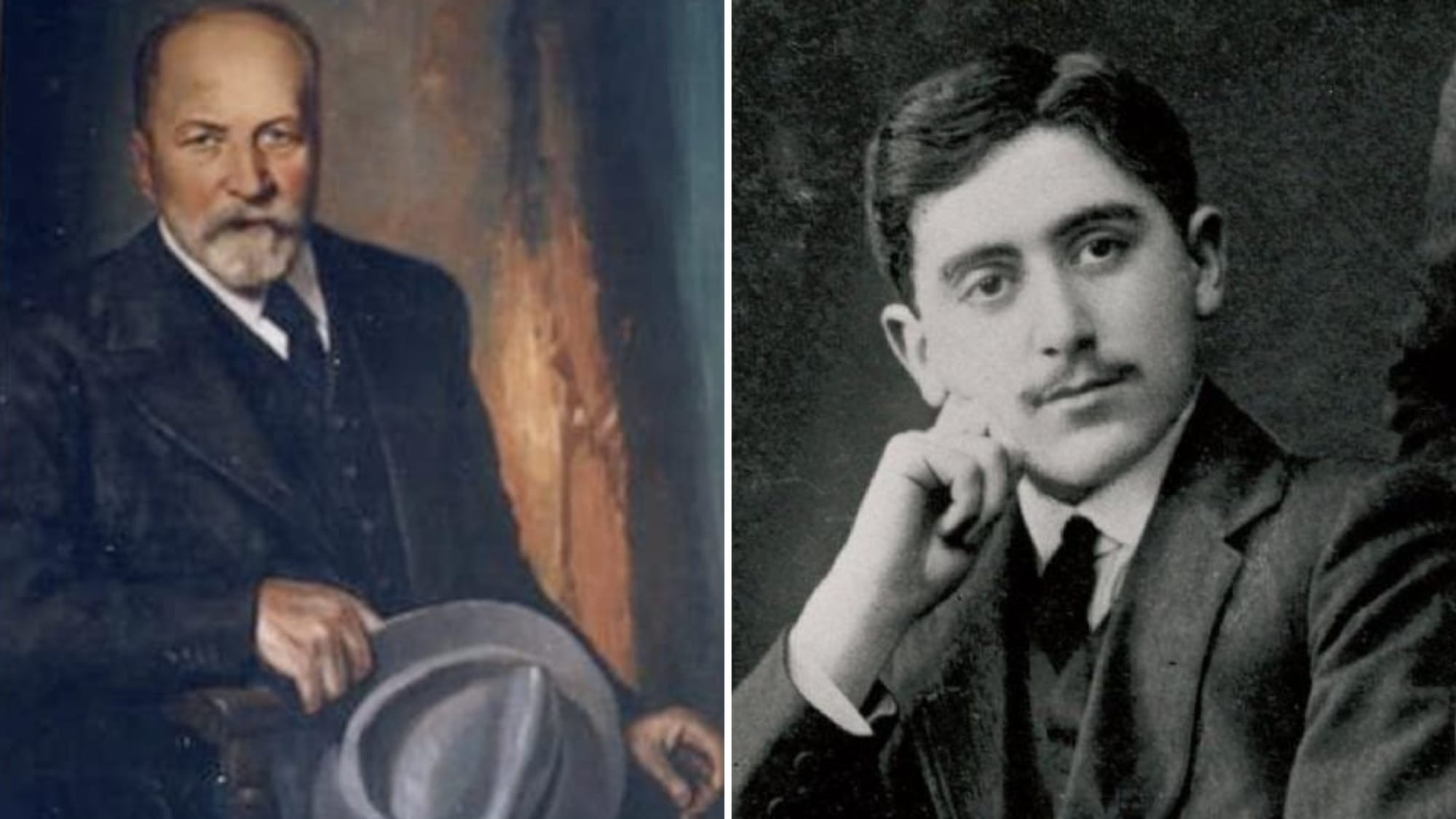
These men were not the only personalities who made Barberton interesting. The town also attracted a collection of colourful and sometimes eccentric characters whose stories became part of local folklore such as Cockney Liz, and Henry Culverwell. De Kaap Echo already wrote about them in an article.
All these characters, whether wealthy financiers, political leaders, adventurous young men or unconventional entrepreneurs, all contributed to the personality of early Barberton. The gold rush eventually lost much of its momentum as attention shifted to the richer discoveries on the Witwatersrand. Many of the people who had arrived with dreams of enormous wealth moved on to new opportunities. Others remained, establishing businesses, building homes and contributing to the development of the town.
Today, as we walk past the old buildings, visit the Barberton Museum or follow the town's Heritage Walk, it is worth remembering that these streets once welcomed people whose names would become familiar far beyond the De Kaap Valley. Barberton may have been a relatively small town, but for a brief and extraordinary period, it attracted some remarkable people. Their stories remind us that our town was once at the centre of a much bigger story, one of ambition, adventure, fortune and the colourful human characters who helped shape South Africa's history.
Who knows how many other famous names once walked these very streets, enjoyed a drink at one of the old hotels or negotiated their next big mining deal in a building that is still standing today?

Comments ()