
Exall: The farmer who gave Barberton its tobacco identity
It was an agricultural venture that would eventually give Barberton a product with its own name and reputation: Barberton Snuff Tobacco.
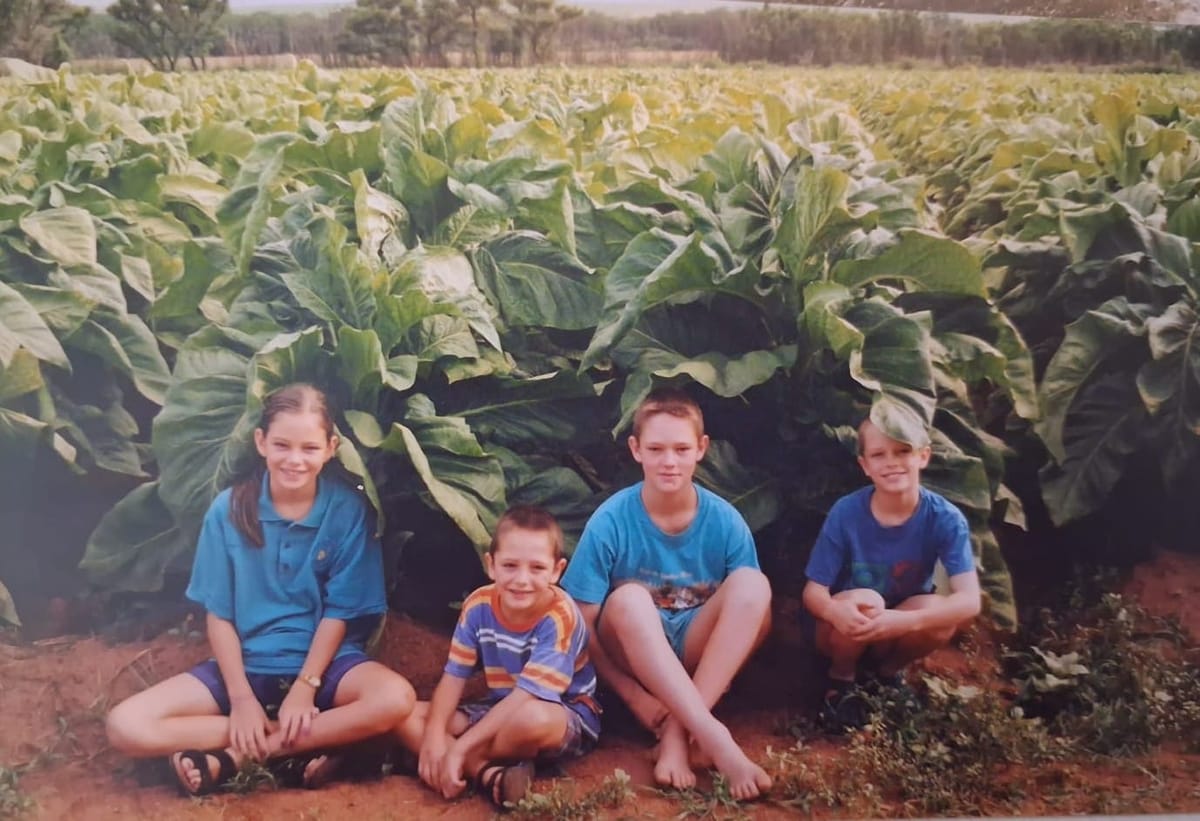

Barberton's history is usually told through gold. The discovery of the precious metal in the De Kaap Valley in the 1880s brought prospectors, fortune-seekers and entrepreneurs from far and wide. But while men were digging into the mountains in search of gold, another kind of enterprise was taking root on the surrounding farms. It was an agricultural venture that would eventually give Barberton a product with its own name and reputation: Barberton Snuff Tobacco.
At the centre of this story was W.T. Exall, a farmer whose contribution to the agricultural history of the De Kaap Valley deserves to be remembered. Exall obtained tobacco seed in Durban in 1888. He subsequently worked on improving the tobacco, and the variety that developed became known as Barberton Snuff Tobacco.
It was an achievement worth celebrating. Barberton was still a young town, having been established only four years earlier, yet one of its farmers was already experimenting with a crop that would become associated with the district.
The same centenary publication records that Barberton Tobacco received a Gold Medal at an exhibition in Antwerp. The award is particularly remarkable considering how recently the town and its agricultural activities had developed. The exact exhibition date and award record still warrant verification, but the recognition described in the centenary book points to the reputation that the local tobacco had achieved.
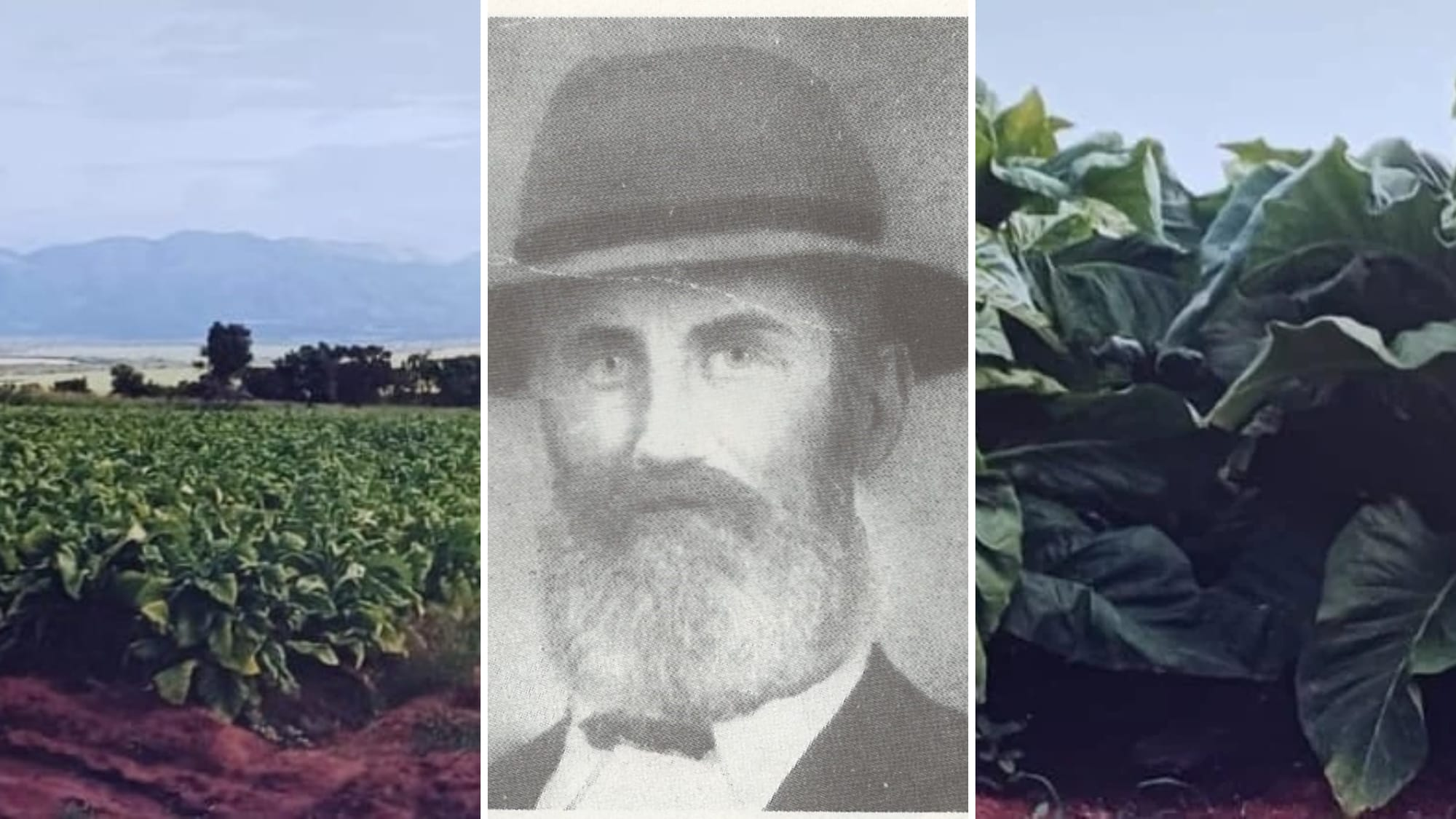
Exall's contribution was therefore more than simply introducing another crop to the valley. By selecting and improving tobacco seed, he helped establish the foundations of a distinctive local agricultural product.
Tobacco farming was not entirely new to South Africa. It had been cultivated in the country for centuries, but different regions developed their own varieties and methods suited to local conditions. In Barberton, the warm climate and agricultural potential of the De Kaap Valley offered opportunities for farmers willing to experiment.
The development of Barberton Snuff Tobacco was particularly significant because snuff tobacco was used differently from the tobacco commonly associated with cigarettes and pipes today. Snuff was finely ground tobacco, traditionally inhaled through the nose, and had an established market among consumers. Producing a suitable variety required attention to the characteristics of the leaf, its cultivation and the processing methods used to achieve the desired product. Exall's early work would eventually form part of a much wider agricultural story.
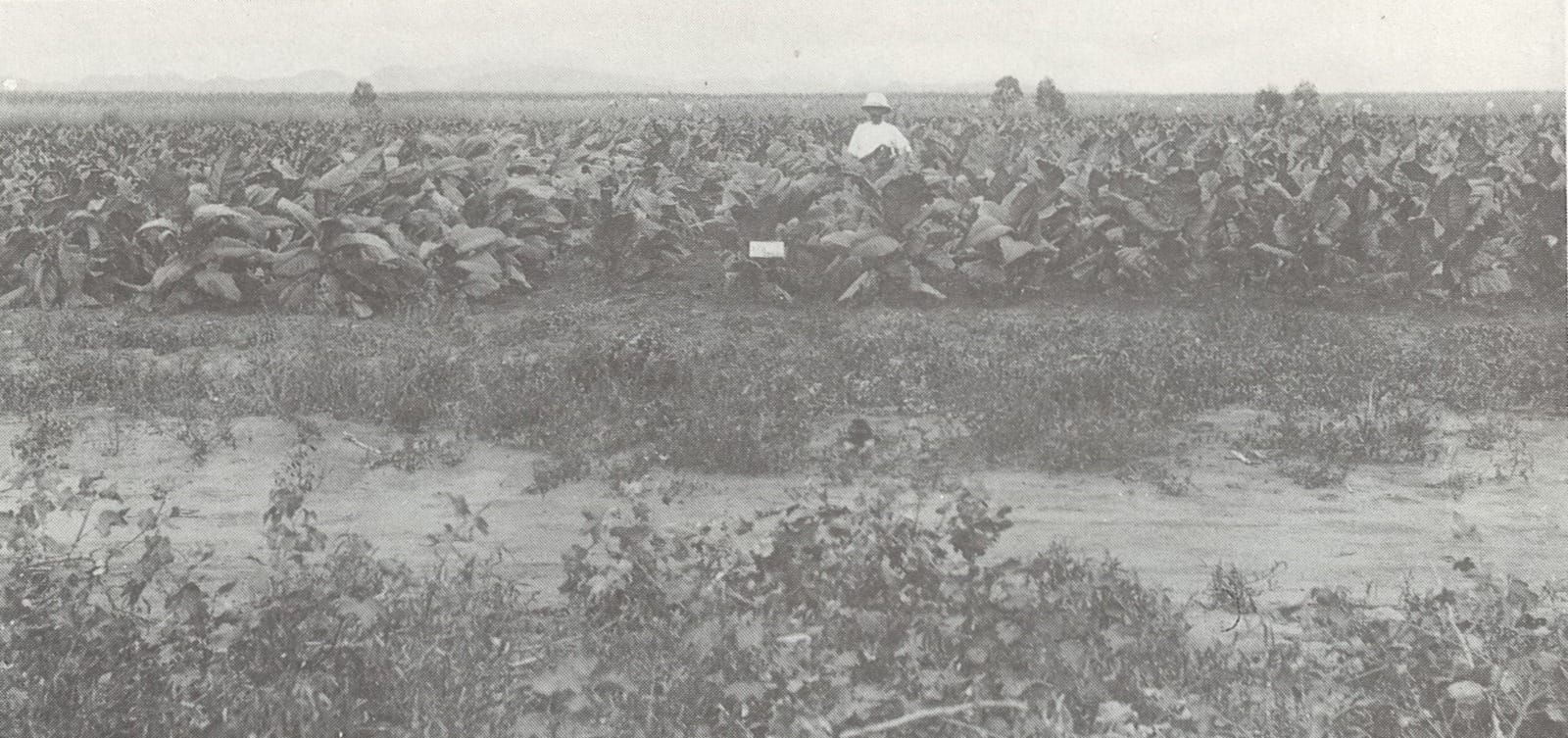
By the early twentieth century, tobacco had become sufficiently important in the Barberton district for the government to establish an experimental station in the town. A 1917 publication on agricultural machinery and farming in South Africa specifically listed Barberton among the country's tobacco experimental stations, alongside Rustenburg, Piet Retief and Tzaneen. This was no small distinction. The government was actively promoting tobacco cultivation through seed testing, demonstrations and advice to farmers. Agricultural experts travelled between farming districts to help growers improve their methods and produce better-quality crops.
Barberton was therefore not merely a place where tobacco was grown. It had become part of the country's organised tobacco research and development program. The interest in tobacco continued to grow. In 1926, government agricultural specialist Lloyd Worrall published a booklet entitled The Growing of Snuff Tobacco. It was specifically written in response to increased interest in the production of tobacco for snuff purposes in Barberton and the adjoining districts of the De Kaap Valley. The publication provided practical guidance for farmers, covering climatic conditions, suitable soil, plant nutrition and the varieties best suited to snuff production. It also dealt with the growing of tobacco and the production of snuff itself.
The fact that the government considered it necessary to publish a dedicated guide for growers in the Barberton and De Kaap Valley area suggests that this was more than a handful of farmers experimenting with a crop. There was sufficient interest to warrant specialist agricultural guidance. Tobacco was also grown alongside other agricultural products. Farmers did not necessarily depend on a single crop, and tobacco could form part of a mixed farming operation that included citrus, vegetables and other produce.
A particularly interesting glimpse into this period comes from a 1926 film recorded by traveller Oom Willem van den Berg. Almost a century later, the footage was digitised and shared with the public. Among the scenes is a visit to a tobacco farm in the Barberton highlands, where tobacco appears to have been cultivated alongside citrus. The footage offers a rare visual reminder that farming was an important part of the district's economy even while Barberton was better known for its gold mines.
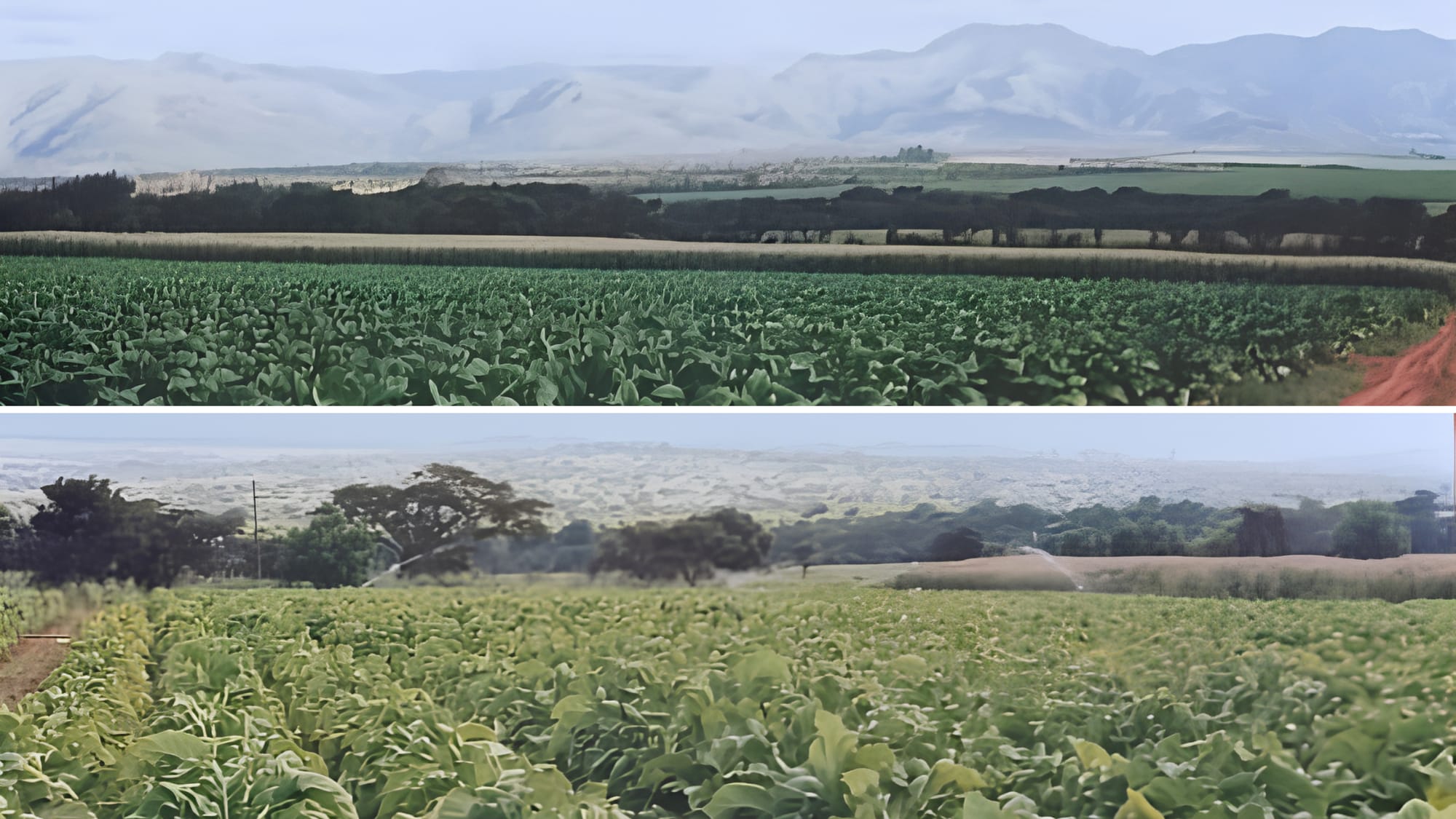
The tobacco industry continued to develop over the following decades. By the middle of the twentieth century, tobacco had become an established commercial crop in several South African farming districts. In 1937, the Tobacco Board was established to oversee the production and marketing of leaf tobacco through a controlled marketing system. This system remained in place until 1996. Nationally, tobacco production increased substantially during the middle decades of the twentieth century. Production rose from approximately 10,000 tonnes in 1930 to around 19,000 tonnes in 1950, eventually reaching a peak of more than 40,000 tonnes in 1979.
Barberton and the wider Lowveld remained part of this agricultural picture. Tobacco farming required considerable knowledge and investment. The plants had to be cultivated, harvested and cured correctly before the leaf could be marketed. Different varieties required different treatment, and the quality of the finished product depended heavily on the farmer's experience. For many years, tobacco was an important source of income for farming communities across South Africa. It supported not only growers but also agricultural workers, transport operators, processing facilities and businesses involved in the supply of farming equipment and materials.
However, the industry would eventually face a very different future.
As medical research increasingly established the serious health risks associated with tobacco use, governments around the world began introducing restrictions on tobacco advertising and smoking. South Africa's Tobacco Products Control Act 83 of 1993 came into operation in February 1994, introducing restrictions on tobacco products and smoking in public places. Further amendments in 1999 introduced a comprehensive ban on tobacco advertising, promotion and sponsorship.
These changes were part of a wider effort to discourage tobacco consumption and protect public health. For the tobacco industry, they meant a considerable change in the commercial environment. It is important, however, not to attribute the decline in tobacco farming entirely to advertising restrictions. South African tobacco production had already begun decreasing from the early 1990s. High cultivation costs, strict residue requirements, stagnant producer prices and changing market conditions also placed pressure on farmers. The Tobacco Board was eventually disbanded in 1996, marking another significant change in the way the industry operated.
Yet tobacco has not disappeared entirely from the South African agricultural landscape. The Department of Agriculture's 2024/25 South African Yearbook still lists Mpumalanga among the country's tobacco-producing provinces, specifically including the Lowveld areas of Nelspruit and Barberton. The industry is considerably smaller than it was during its peak years, but tobacco farming remains part of the region's agricultural activities.
Looking back, it is remarkable to think that this entire chapter of Barberton's tobacco history can be traced to a farmer who, in 1888, obtained tobacco seed in Durban and set about improving it.
W.T. Exall may not be a name that immediately comes to mind when people speak about Barberton's early pioneers. Yet his contribution helped establish an agricultural product that carried the town's name and attracted recognition beyond South Africa's borders. Gold may have put Barberton on the map, but the farmers of the De Kaap Valley helped build another side of its history. Their experiments, hard work and willingness to try something different contributed to an agricultural industry that would remain part of the district for generations.
Perhaps it is time that W.T. Exall and Barberton's tobacco story received a little more recognition. After all, not every pioneer left his mark by digging for gold. Some planted a seed and watched an entirely different kind of fortune grow.

Comments ()