
Msauli, the rise and fall of an asbestos town
A forgotten town in the hills near Barberton once housed a thriving community built around asbestos mining. Today, Msauli stands silent, but its stories are far from gone.
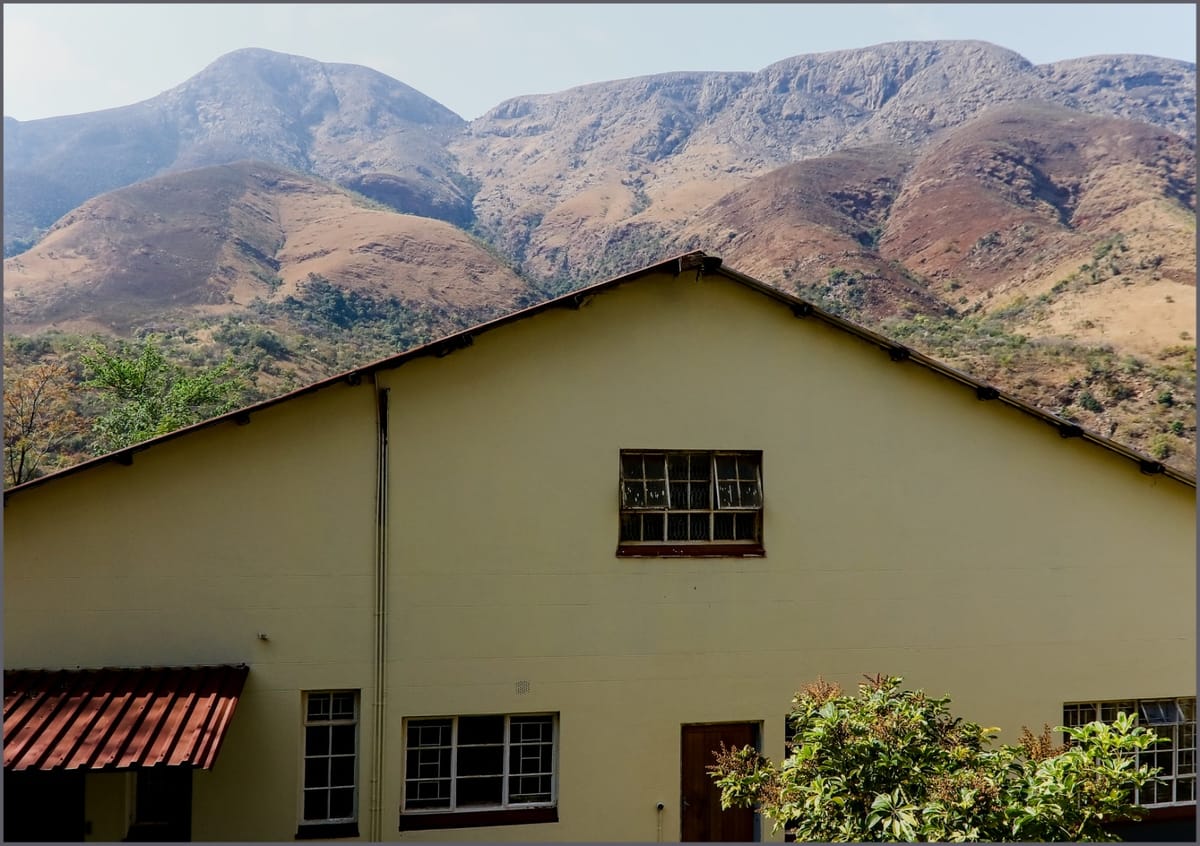
Hidden deep in the mountains between Barberton and Swaziland lie the remains of Msauli. Once-thriving communities built around one of South Africa’s most important asbestos mines. Their story reflects the rise of industrial mining, the realities of apartheid-era settlement planning, and the long shadow cast by asbestos on people and the environment.
The mountainous terrain through which the Bulembo road meanders on the way to Swaziland is rich in mineral deposits, part of the ancient Barberton Greenstone Belt. While gold drove the first wave of mining activity in the late 19th century, geologists also identified significant asbestos deposits in the area.
Commercial development of the Msauli chrysotile asbestos mine began in 1948, marking the start of what would become one of the largest asbestos operations in South Africa.
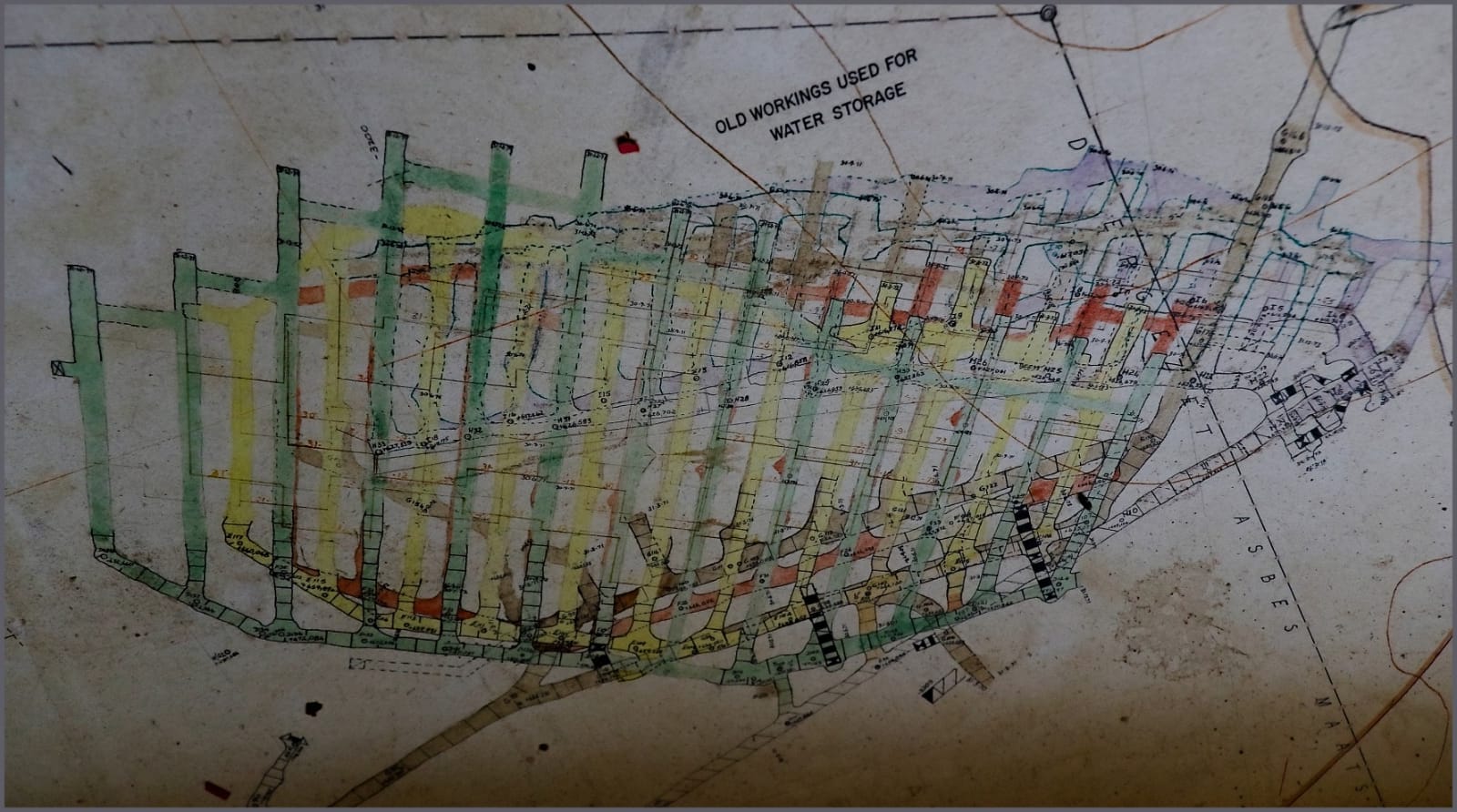
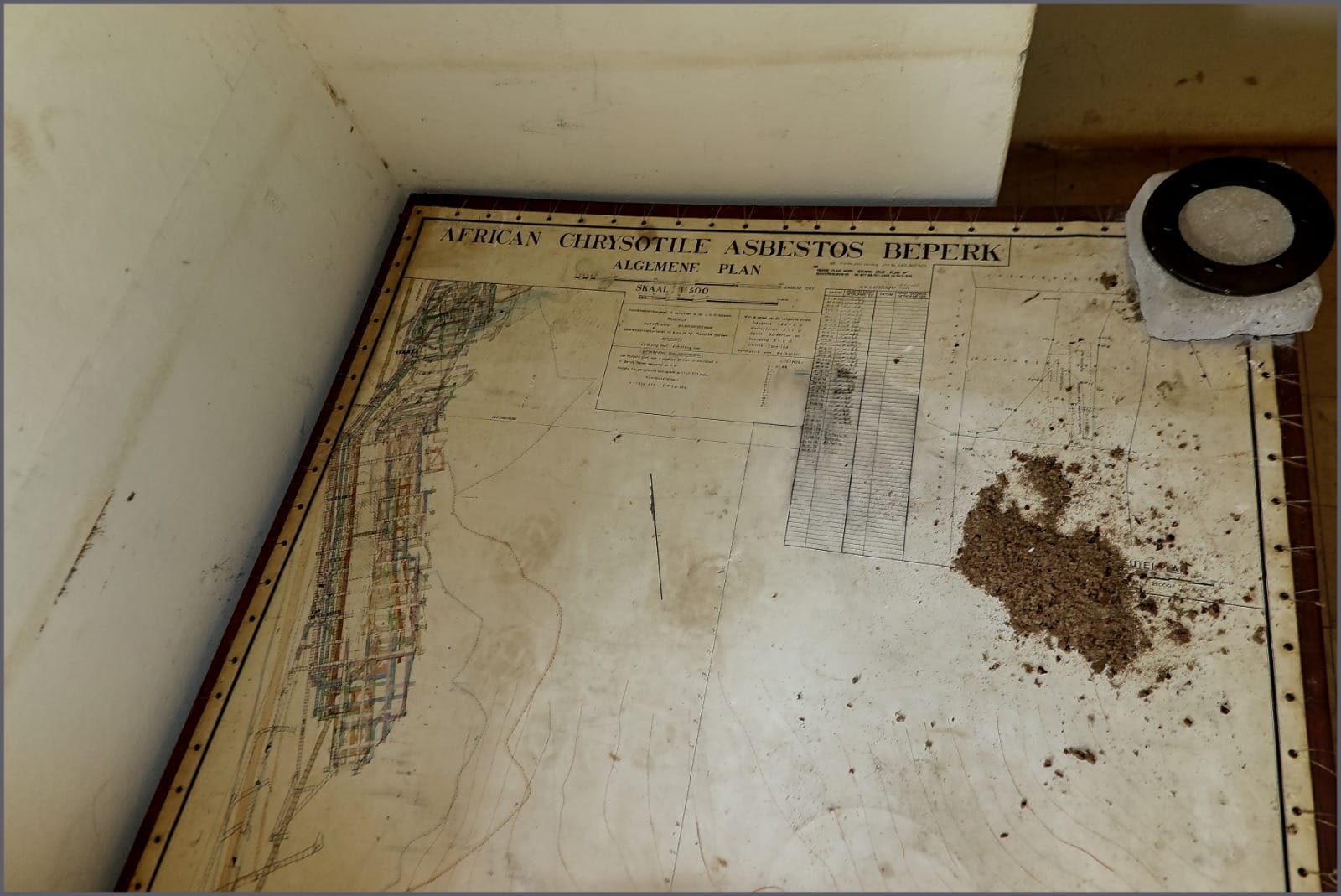
The global demand for asbestos during the mid‑20th century was immense. Known for its heat resistance, tensile strength and insulating properties, chrysotile asbestos was widely used in construction materials, brake linings, roofing products and industrial insulation. South Africa became one of the world’s leading exporters, and Msauli played a significant role in supplying this demand.
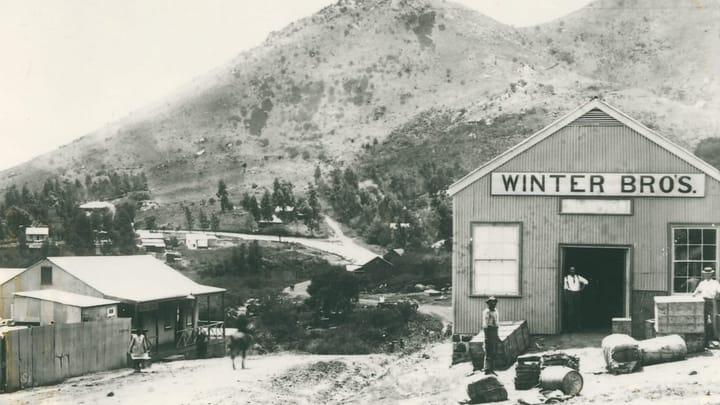
Because of its remote location, the mine required a self‑contained settlement to house workers and support services. Two closely linked settlements developed: Msauli, situated closer to the mining operations, and Diepgezet, which became the main residential area for staff and their families. The towns were laid out according to the typical planning principles of mid‑20th century mining communities.
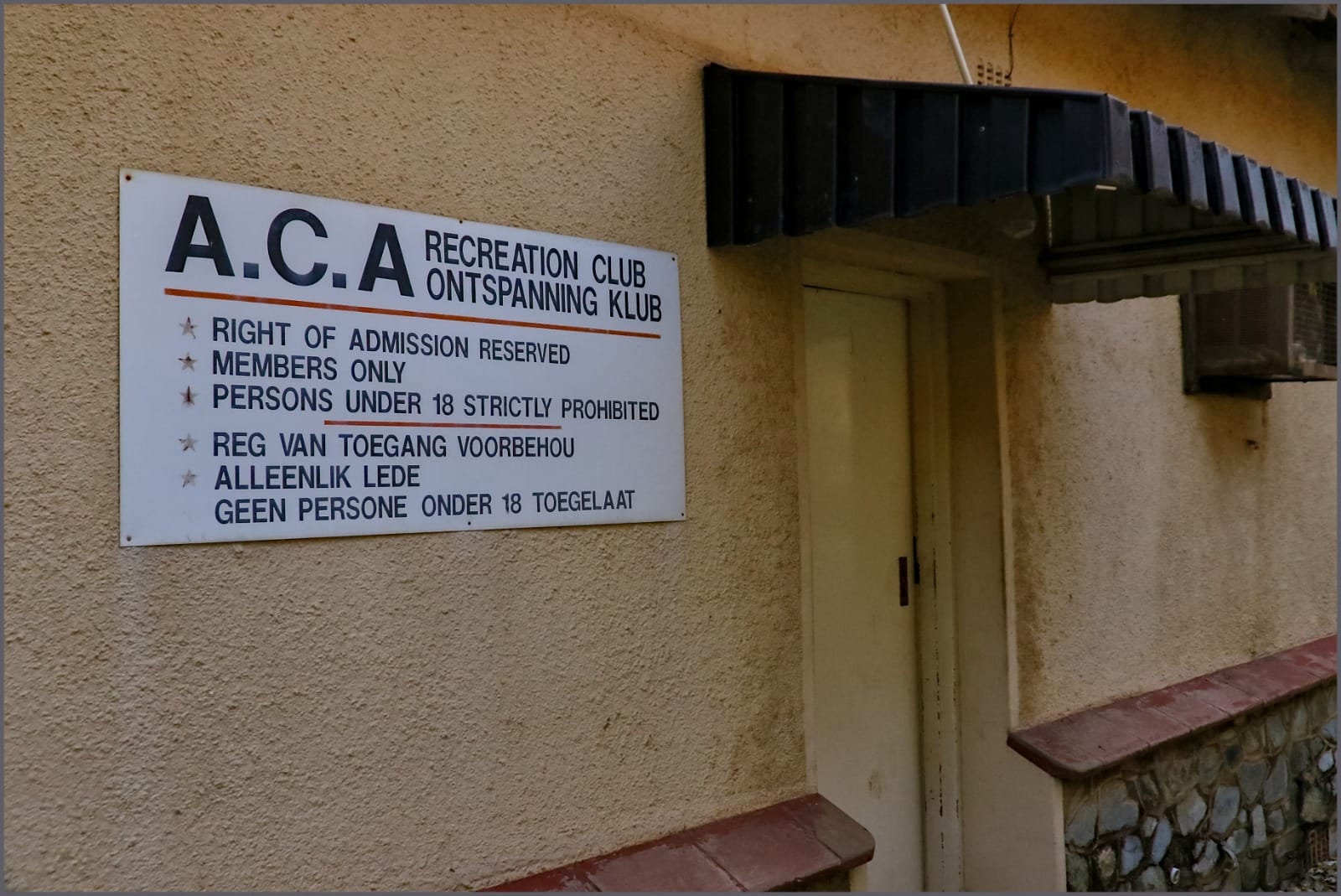
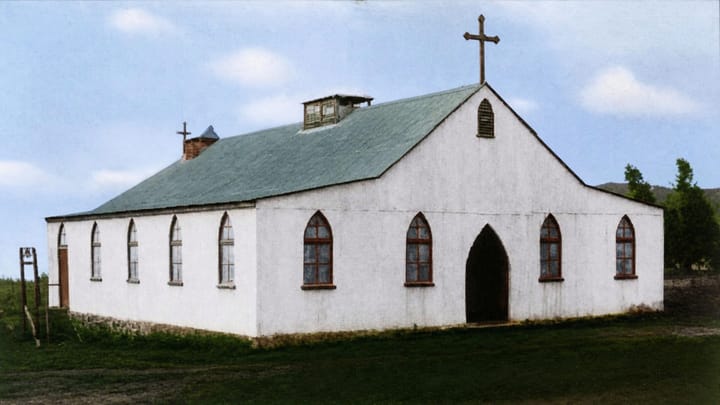
Rows of company houses, administrative offices, recreational facilities and service buildings were constructed in an otherwise isolated mountain landscape. At its height in the 1960s and 1970s, the mine employed well over a thousand workers, and the village bustled with activity. Shops, sports fields, a golf course, a church and community hall formed the social backbone of daily life.
Diepgezet Primary School, established in 1956, served the children of mine employees. It quickly became a focal point of community life, hosting sports events, cultural activities and school gatherings that reinforced a sense of belonging among residents.
The Msauli mine contributed significantly to the regional economy. It provided stable employment for hundreds of families and supported a network of suppliers, transport operators and service providers. For surrounding towns such as Barberton and Badplaas, the mine’s workforce represented an important consumer base, sustaining local businesses and services.
Nationally, asbestos exports generated valuable foreign exchange earnings. During the mid‑20th century, South Africa was among the world’s leading producers of chrysotile asbestos, and operations like Msauli helped cement that position.
By the late 1970s and 1980s, however, scientific research increasingly demonstrated the serious health risks associated with asbestos exposure. Diseases such as asbestosis, lung cancer and mesothelioma were linked to the inhalation of asbestos fibres. Former miners, factory workers and even family members exposed to asbestos dust brought home on clothing began to show symptoms years or decades after exposure.
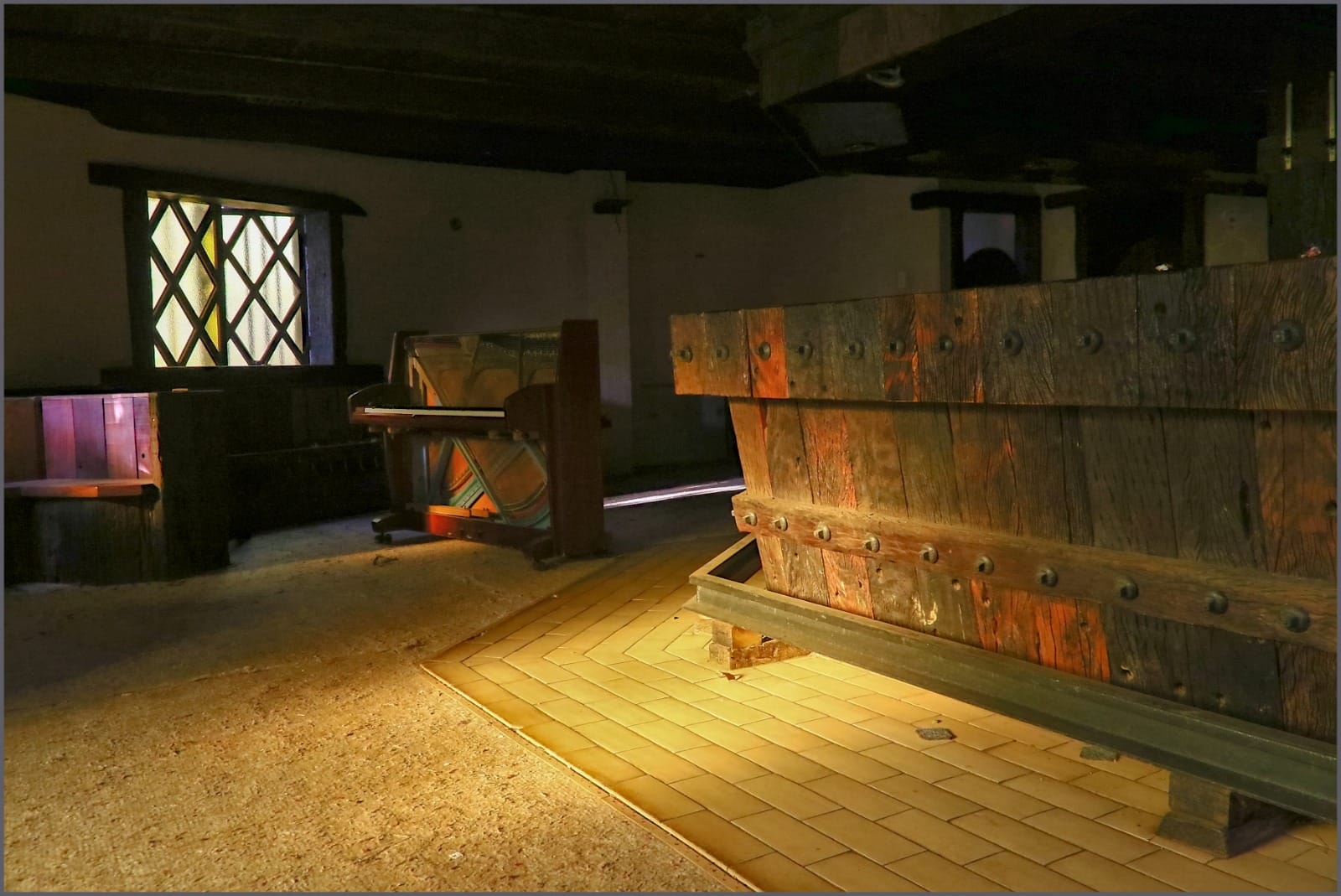
Internationally, many countries began introducing regulations and bans on asbestos use. This shift had a direct impact on demand and placed growing pressure on the industry. Legal claims, rising insurance costs and mounting public concern further undermined the long‑term viability of asbestos mining.
By the late 1990s, the future of the asbestos industry in South Africa was uncertain. Production at Msauli declined steadily, and in the 2001 the mine ceased operations. The closure brought to an end more than five decades of continuous mining activity and marked a turning point for the communities that had grown around the operation.
The economic impact was immediate. Hundreds of workers lost their jobs, and many families were forced to relocate in search of new opportunities. Businesses that had depended on the mine’s workforce saw their customer base disappear, leading to further closures and job losses.
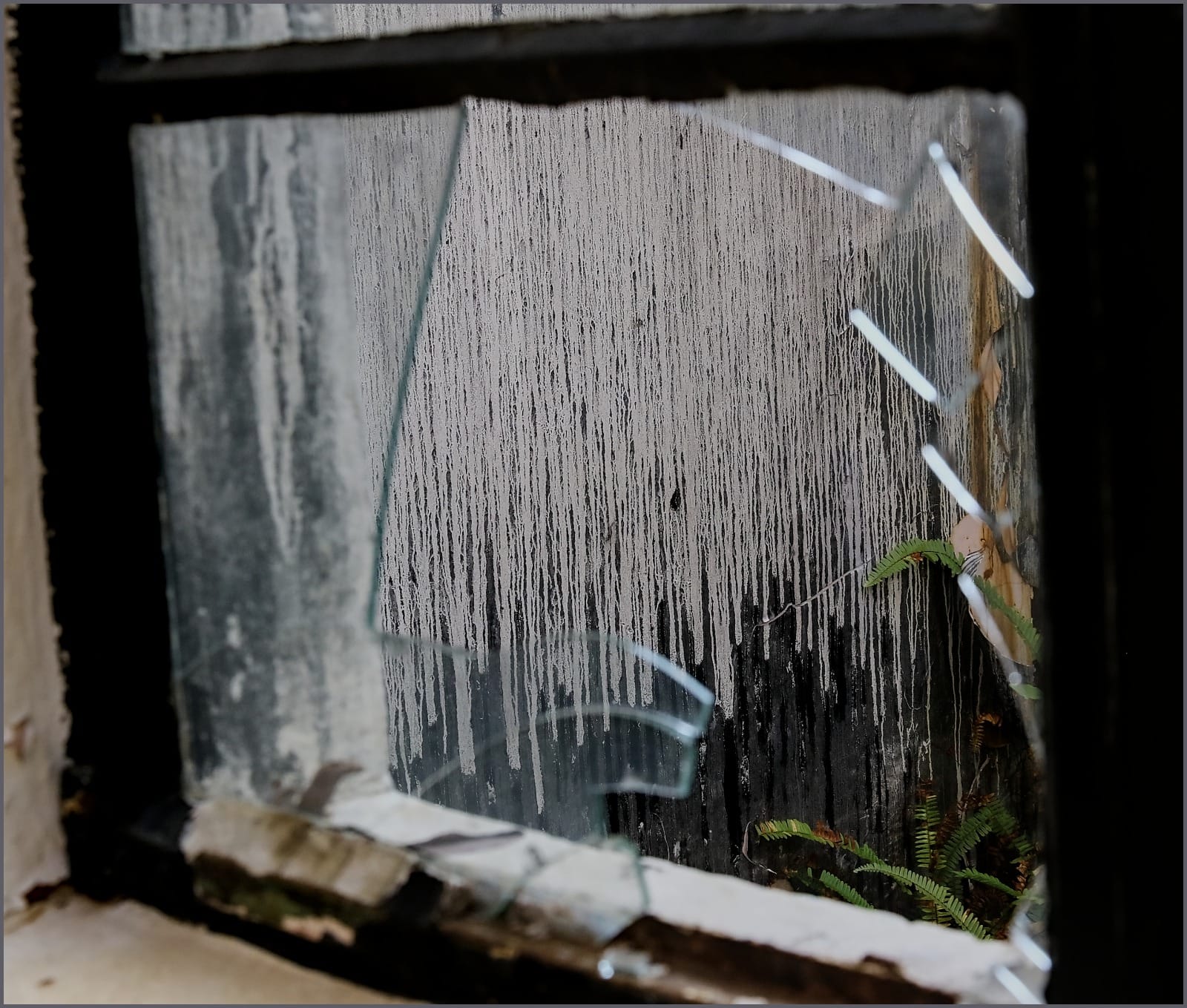
With the departure of residents, large sections of Msauli and Diepgezet were left deserted. Houses stood empty, and over time many were vandalised or stripped of fittings and roofing materials. Roads deteriorated, gardens became overgrown and buildings fell into disrepair. The once orderly company town began to resemble a ghost village, its quiet streets offering a stark contrast to the bustle of earlier decades.
Environmental contamination from asbestos tailings and dust complicated any efforts at redevelopment. Concerns about airborne fibres and contaminated soil posed health risks and made authorities cautious about allowing new settlement in the area.
The story of Msauli reflects broader themes in South African history: the growth of mining‑based settlements, and the environmental and health consequences of extractive industries. For many former residents and workers, the town represents not only a place of employment but also a community where friendships were forged and families were raised.
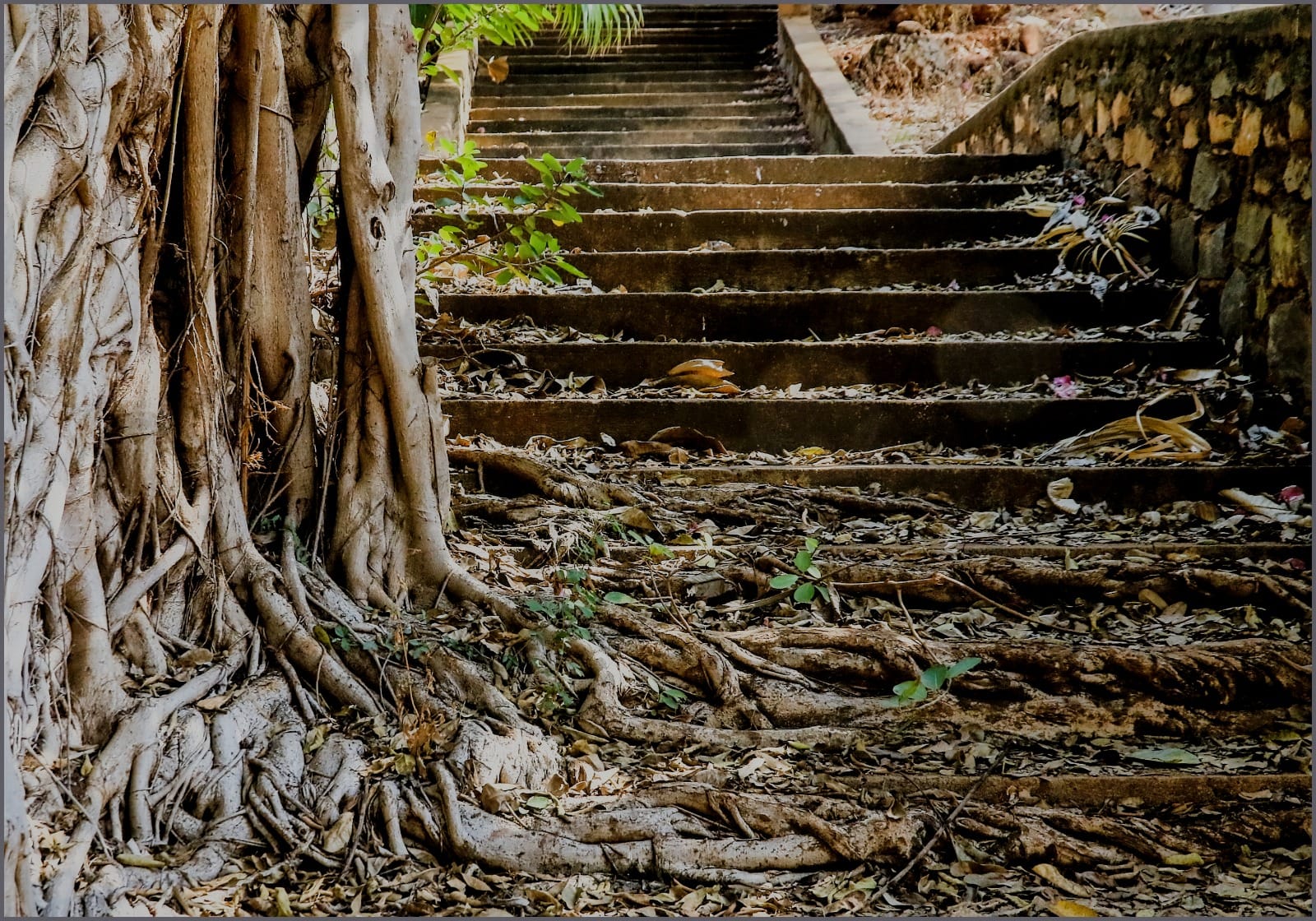
Although the physical structures of Msauli continue to deteriorate with time, its historical significance remains. Recording and sharing this history ensures that future generations understand how the town rose, thrived and eventually declined and how its legacy continues to shape the landscape and people of the De Kaap Valley.
Comments ()