
📽️ From boomtown to living museum
From gold-rush boomtown to UNESCO World Heritage destination, Barberton has had to balance preservation with progress.
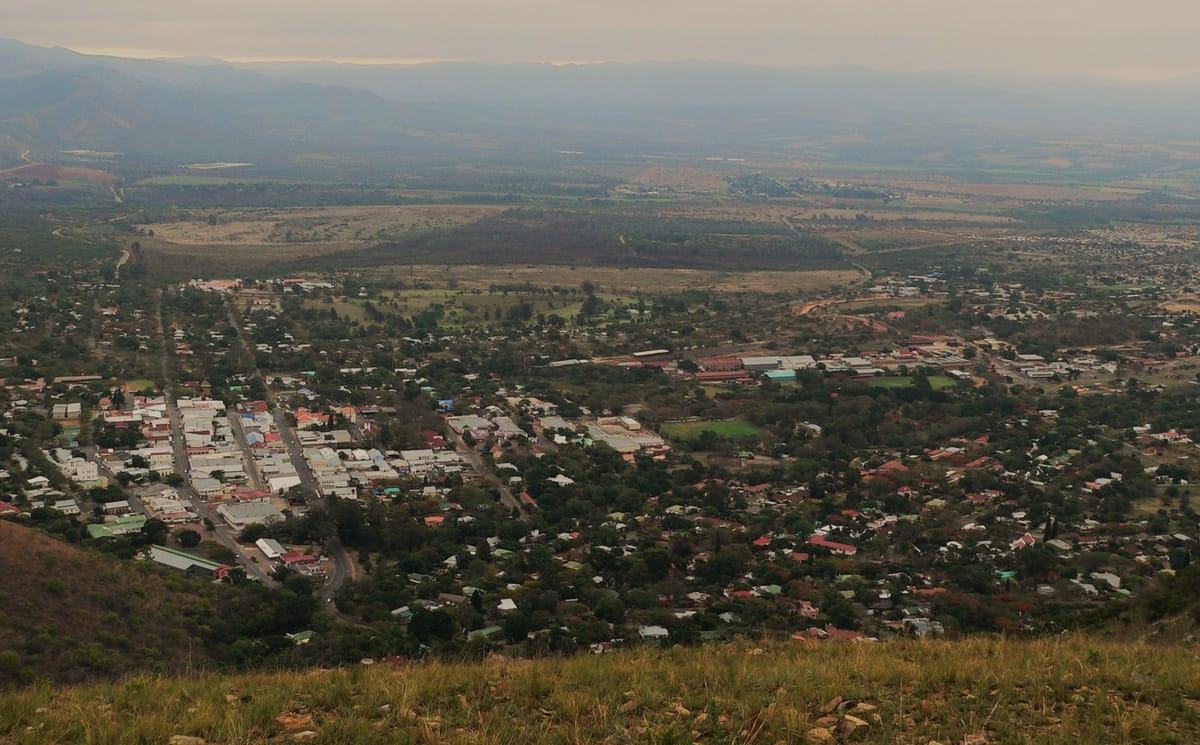
Barberton was born in noise, dust and the feverish excitement of a gold rush. In the mid-1880s, the quiet valleys of the De Kaap were transformed almost overnight into one of southern Africa’s busiest boomtowns. Prospectors, traders, fortune-seekers and opportunists flooded into the area, and within months Barberton had banks, hotels, newspapers and even its own stock exchange. Today, more than 140 years later, the town faces a very different challenge: how to preserve that remarkable past while continuing to grow as a modern community.
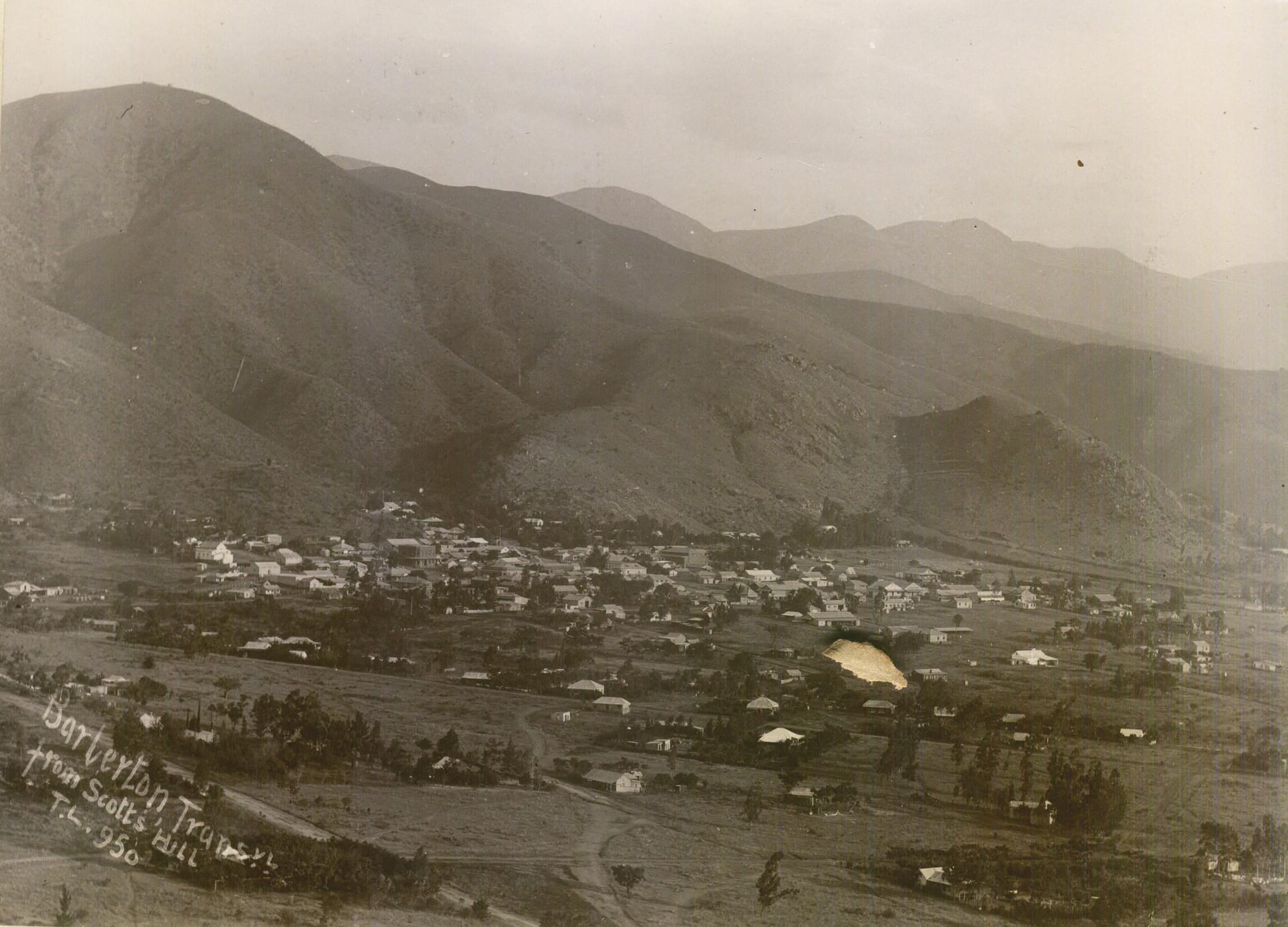
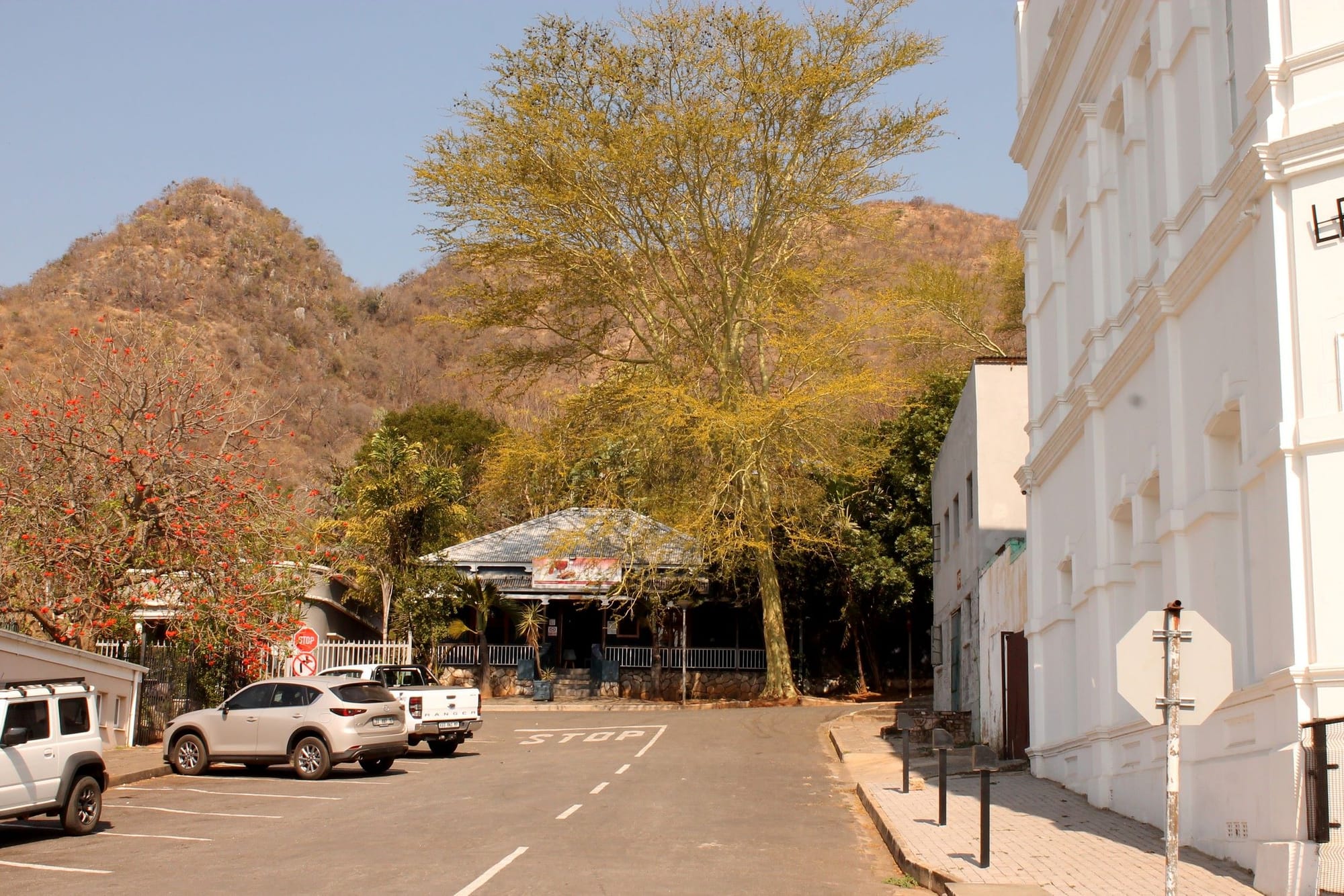
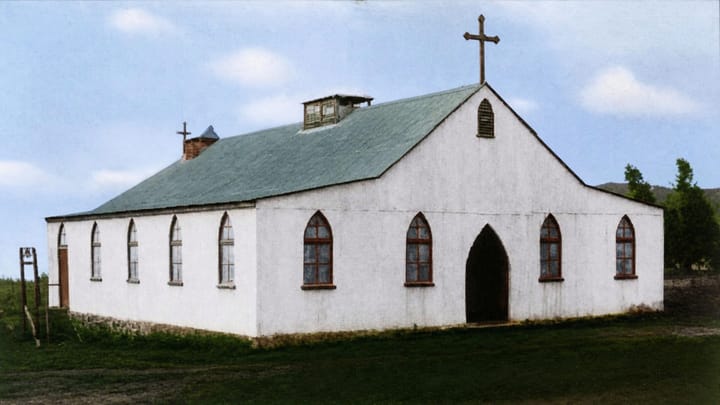
The streets of Barberton still carry echoes of its gold rush origins. Historic buildings such as the old stock exchange façade, the Phoenix Hotel site and the Anglican Church stand as reminders of a time when the town briefly rivalled Johannesburg in importance. Yet these landmarks exist alongside modern homes, schools, businesses and municipal infrastructure, reflecting a town that has never stopped evolving.
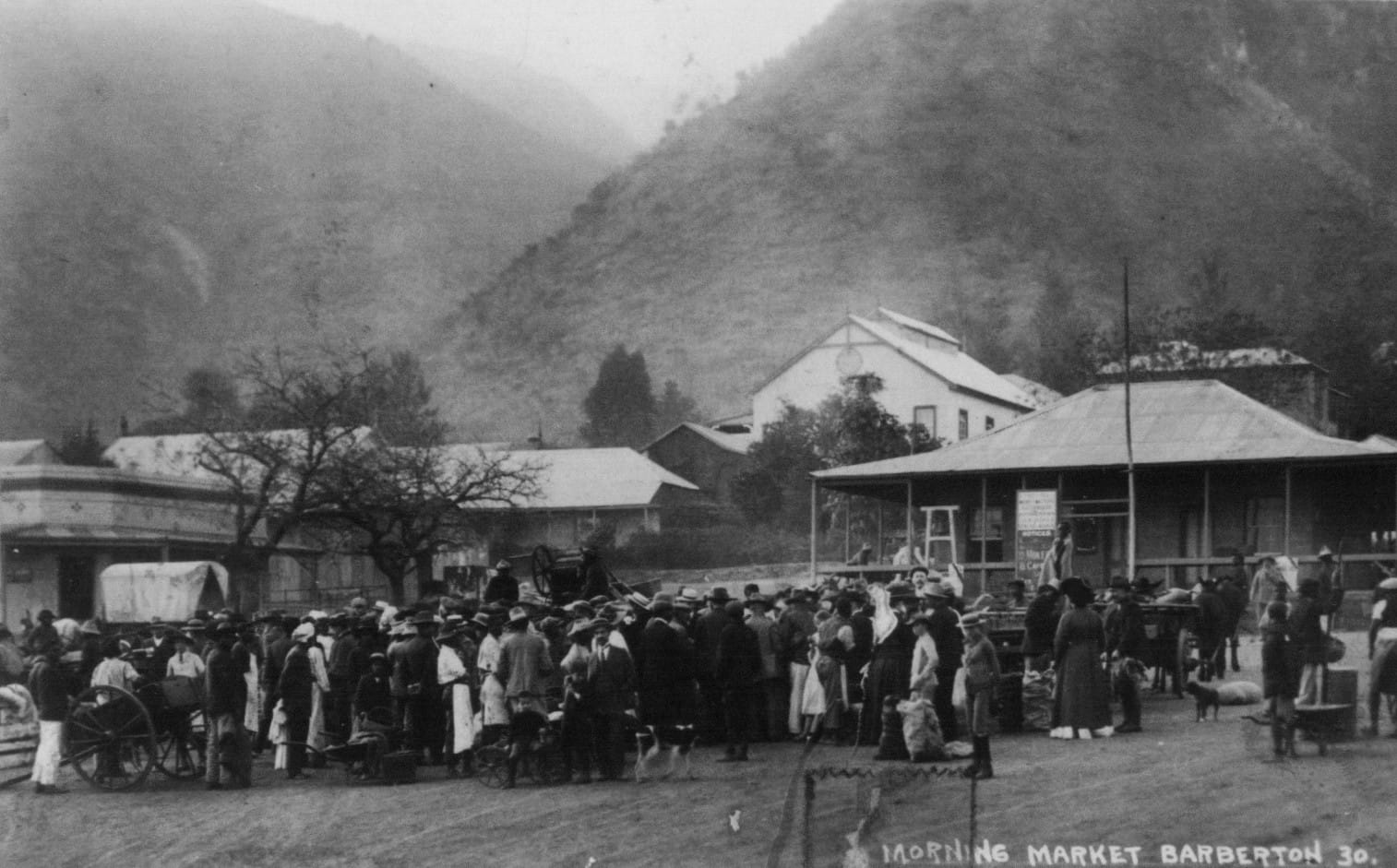
Barberton’s development was driven almost entirely by the discovery of gold in the surrounding hills. The proclamation of the town in 1884 followed a series of major discoveries at places like Concession Creek and Barber’s Reef, which drew thousands of people into what had previously been a remote and sparsely settled region.
Unlike some gold rush towns that vanished once the ore ran out, Barberton survived because the surrounding mines continued to produce for decades. Operations such as Sheba Mine and later Fairview Mine provided sustained employment and ensured that Barberton developed into a permanent settlement rather than a temporary camp. This continuity allowed the town to retain many of its early buildings and street layouts, creating a rare architectural record of a late-19th-century gold rush town in southern Africa.
In the late 20th and early 21st centuries, Barberton began to recognise that its history was not only something to preserve but also something that could support tourism and education. This shift in perspective helped transform the town into what many now describe as a “living museum,” where heritage sites are not locked away but remain part of everyday life.
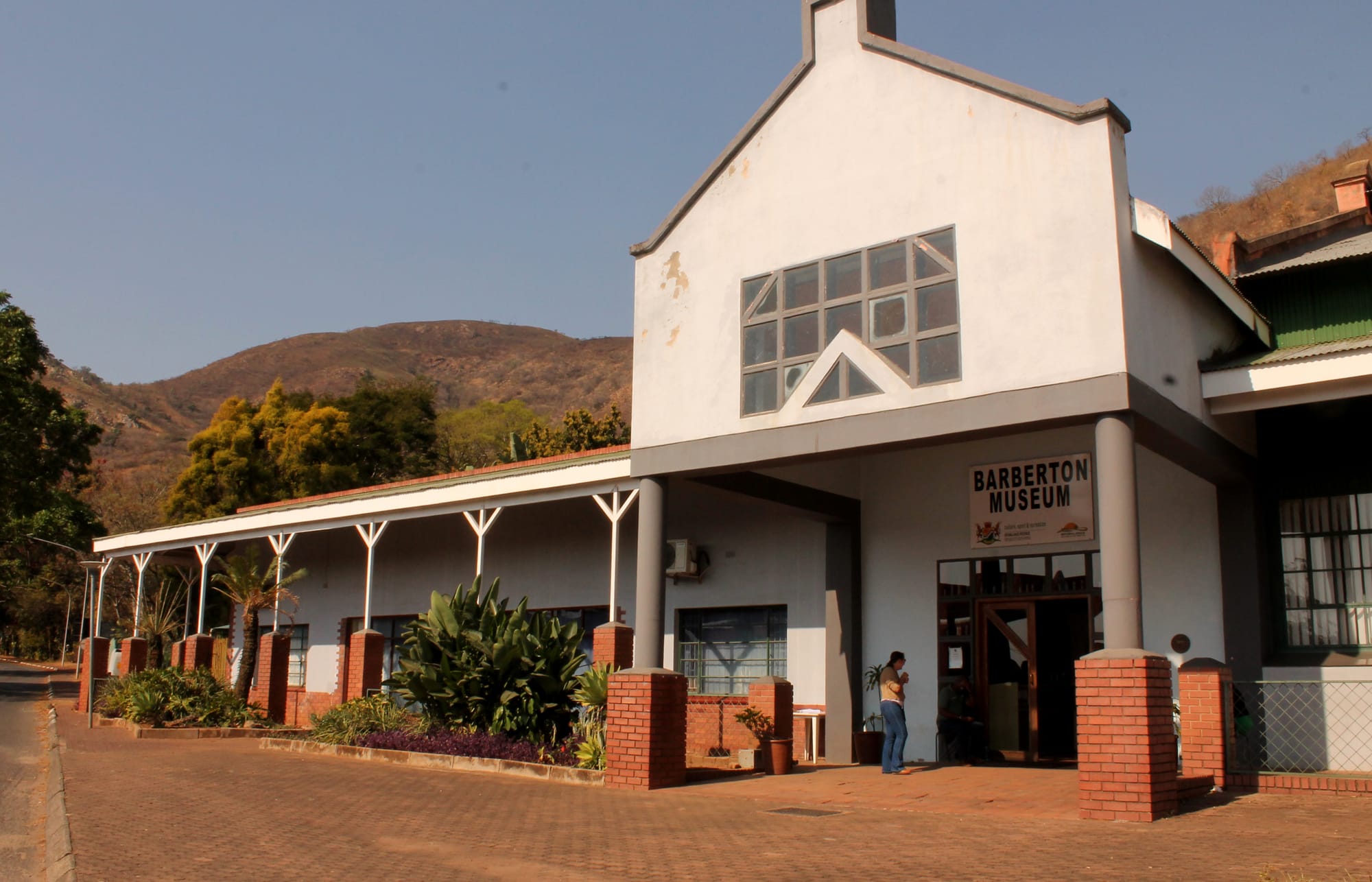
Institutions such as the Barberton Museum play a central role in telling the story of the gold rush era. Housed in one of the town’s historic buildings, the museum preserves artefacts, photographs and documents that illustrate how quickly Barberton grew from a collection of tents into a structured town.
Walking tours through the historic centre allow residents and visitors alike to experience this history at street level. Stops on these routes often include Belhaven House, Stopforth House and other preserved buildings that reflect different aspects of early life in the town, from domestic life to commerce and governance.
Barberton’s heritage value extends far beyond its buildings. The surrounding mountains form part of the Barberton Makhonjwa Mountains, a UNESCO World Heritage Site recognised for containing some of the oldest exposed rocks on Earth. This international recognition has added a new dimension to Barberton’s identity, attracting geologists, researchers and tourists interested in Earth’s early history.
The designation has also required careful management of development in and around the mountains. Infrastructure projects, mining activity and tourism facilities must now be planned in a way that protects the geological features that make the area globally significant.
Like any town, Barberton must provide housing, roads, utilities and public services for a growing population. This sometimes creates tension between development and preservation. Older buildings require maintenance and restoration, which can be costly, and quite frankly, is not done at this stage.
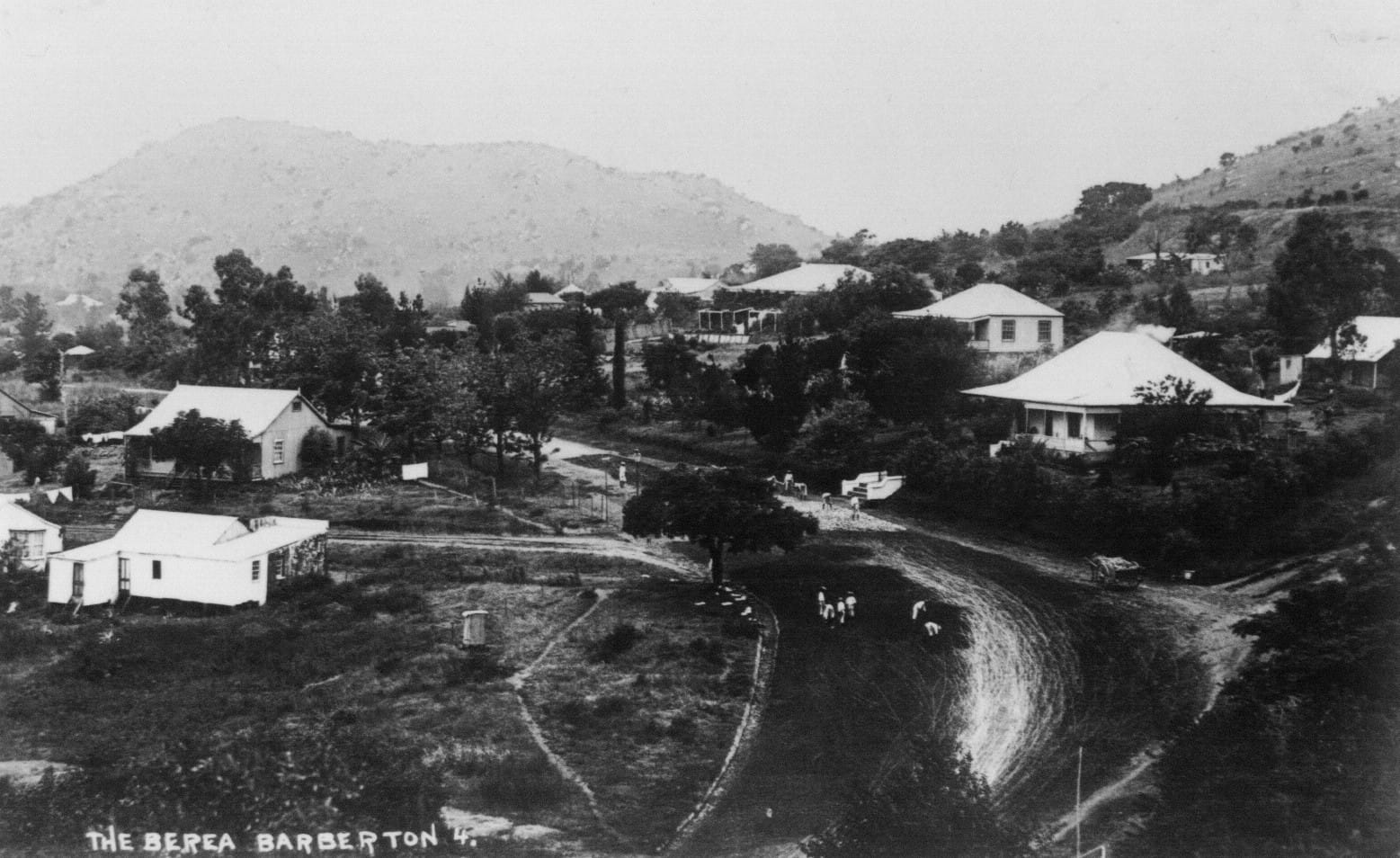
Local authorities and heritage organisations often find themselves balancing competing priorities: encouraging investment and development while ensuring that irreplaceable historical structures are not lost. In some cases, buildings have been adapted for modern use rather than demolished, allowing them to remain economically viable while still preserving their historical character.
Although Barberton is no longer the centre of a gold rush, mining still plays an important role in the local economy. Operations such as Agnes Gold Mine and other active mines provide jobs and contribute to municipal revenue.
This ongoing mining activity reinforces Barberton’s unique position: it is both a historic gold town and a functioning mining centre. Few places in South Africa can claim to have continuous mining history stretching from the 1880s to the present day.
At the same time, the decline or closure of smaller mines in recent years has highlighted the need for economic diversification. Tourism, small business development and service industries are increasingly seen as essential to ensuring long-term stability for the community
For many residents, Barberton’s history is not something found only in books or museum displays. It lives in family stories, old photographs and the experiences of grandparents who worked in the mines or ran businesses during earlier decades. This sense of continuity helps explain why heritage preservation is often strongly supported by the community.
Events, school projects and local publications continue to keep the town’s history alive, ensuring that younger generations understand the origins of the place they call home. In this way, Barberton’s transformation into a living museum is not only driven by official heritage bodies but also by the everyday actions of its residents.
Barberton’s journey from boomtown to established community has been shaped by resilience and adaptation. The same spirit that drew prospectors into the valley in the 1880s continues to influence how the town approaches modern challenges.
Preserving historic buildings, protecting world-class geological sites and supporting a diverse local economy are not simple tasks. Yet Barberton’s experience shows that it is possible for a town to honour its past while still making space for change.
Rather than becoming a static monument to a bygone era, Barberton has evolved into a place where history and modern life exist side by side. Visitors can walk past buildings that stood during the gold rush and then step into contemporary shops, schools and municipal offices, all within a few blocks.
This balance is what makes Barberton unique. It is not just a town with a rich history; it is a community that continues to live within that history every day.
Comments ()