
Fernlea: a house built in the gold rush era
Fernlea House in Barberton dates back to the late 1880s and offers a look at everyday life during the town’s early gold rush years. One of the oldest surviving homes in the area, it reflects how families lived while the mining industry shaped the valley.
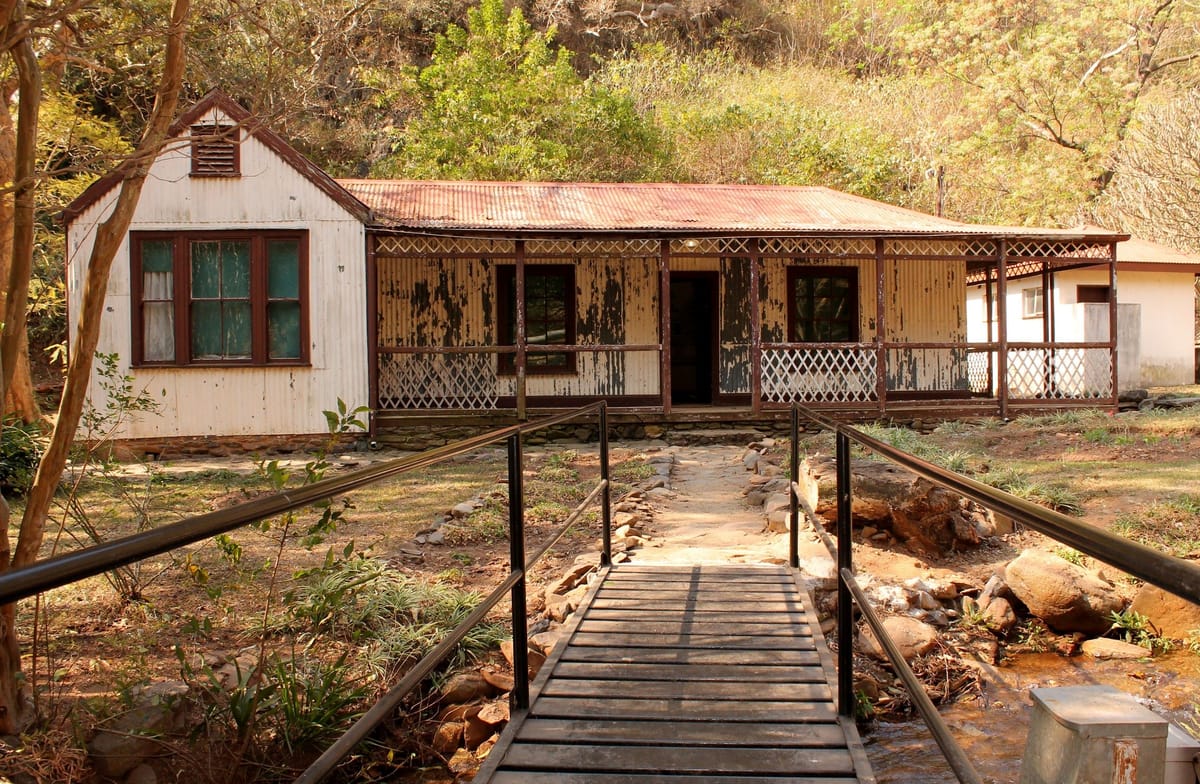
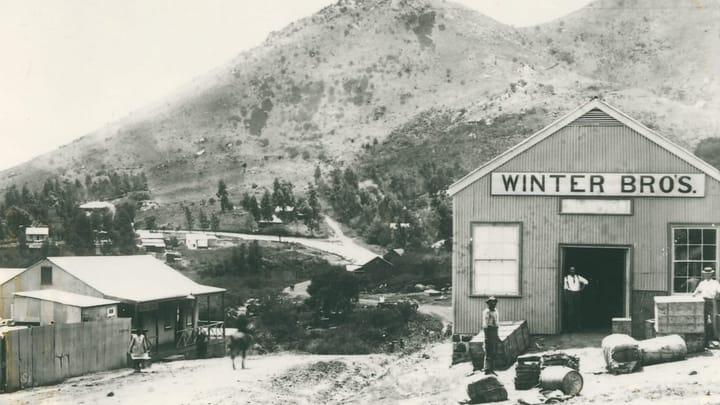
Fernlea House dates back to the late 1880s, only a few years after Barberton was officially proclaimed in 1884. At the time, the town was expanding rapidly and corrugated iron buildings went up almost overnight as diggers, traders and entrepreneurs moved into the De Kaap Valley.
Unlike the rough mining shacks on the hillsides, Fernlea was built as a proper residence. The wood-and-iron home reflects Victorian influences and the ambitions of a growing middle class in what was still a frontier settlement.
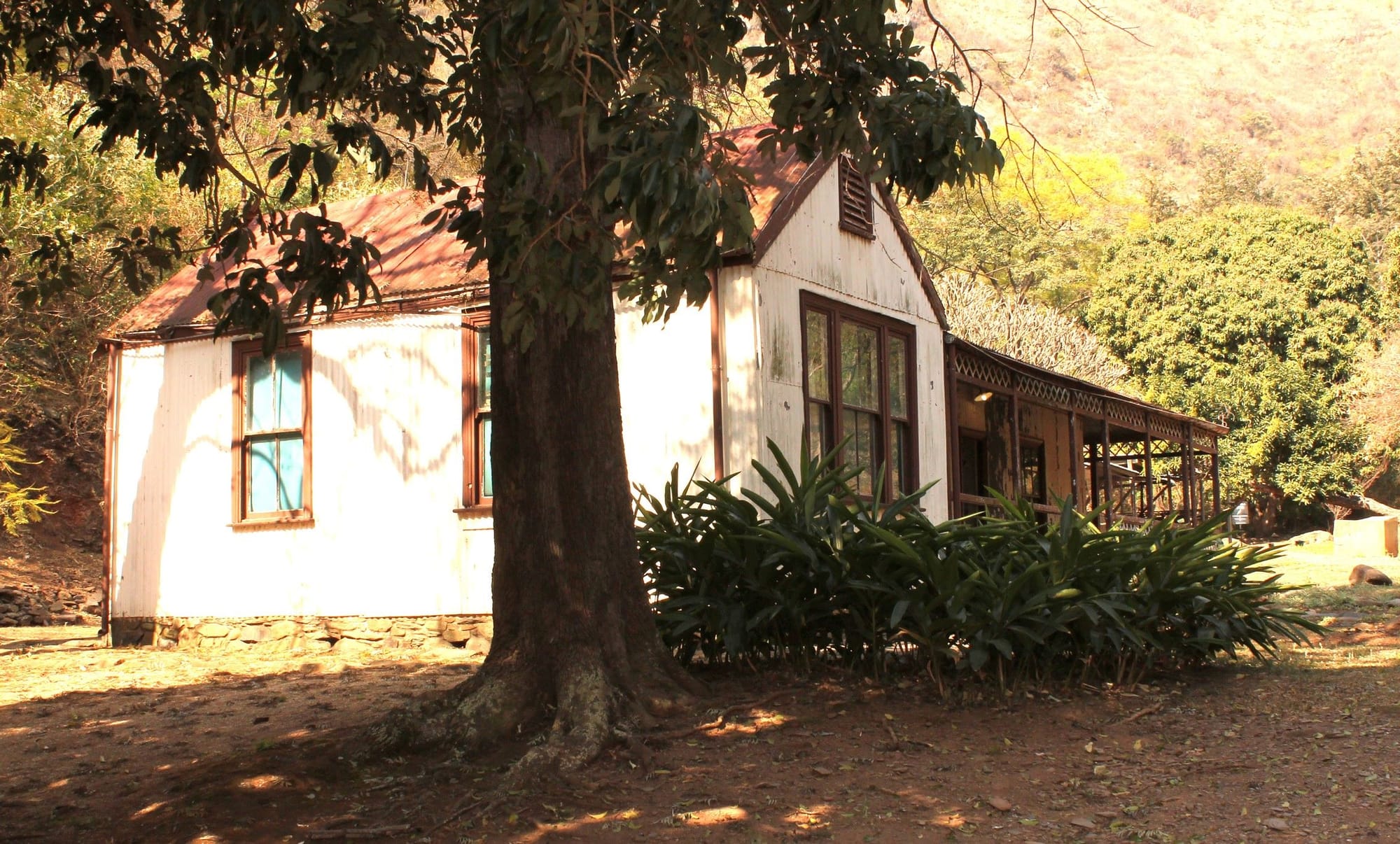
The house was originally built for Emily Fernandez, who later became Emily Lee after marrying Thomas Lee. Her presence in early social circles points to a more established side of Barberton. The town was not only defined by mining activity, but also by domestic life and a developing community.
Inside Fernlea House, the contrast with the gold rush becomes clear. While speculation and uncertainty shaped the outside world, life inside the home followed a steady routine. Meals were prepared, letters written, children educated and guests received.
These prefabricated and semi-prefabricated structures were often transported in sections and assembled on site. They were durable, quick to erect and suited to the Lowveld climate. Verandas provided shade, raised floors improved ventilation, and corrugated iron roofs withstood heavy rain. At the time, a house like this signalled stability. It reflected a decision to settle, rather than move on with the shifting fortunes of the goldfields.
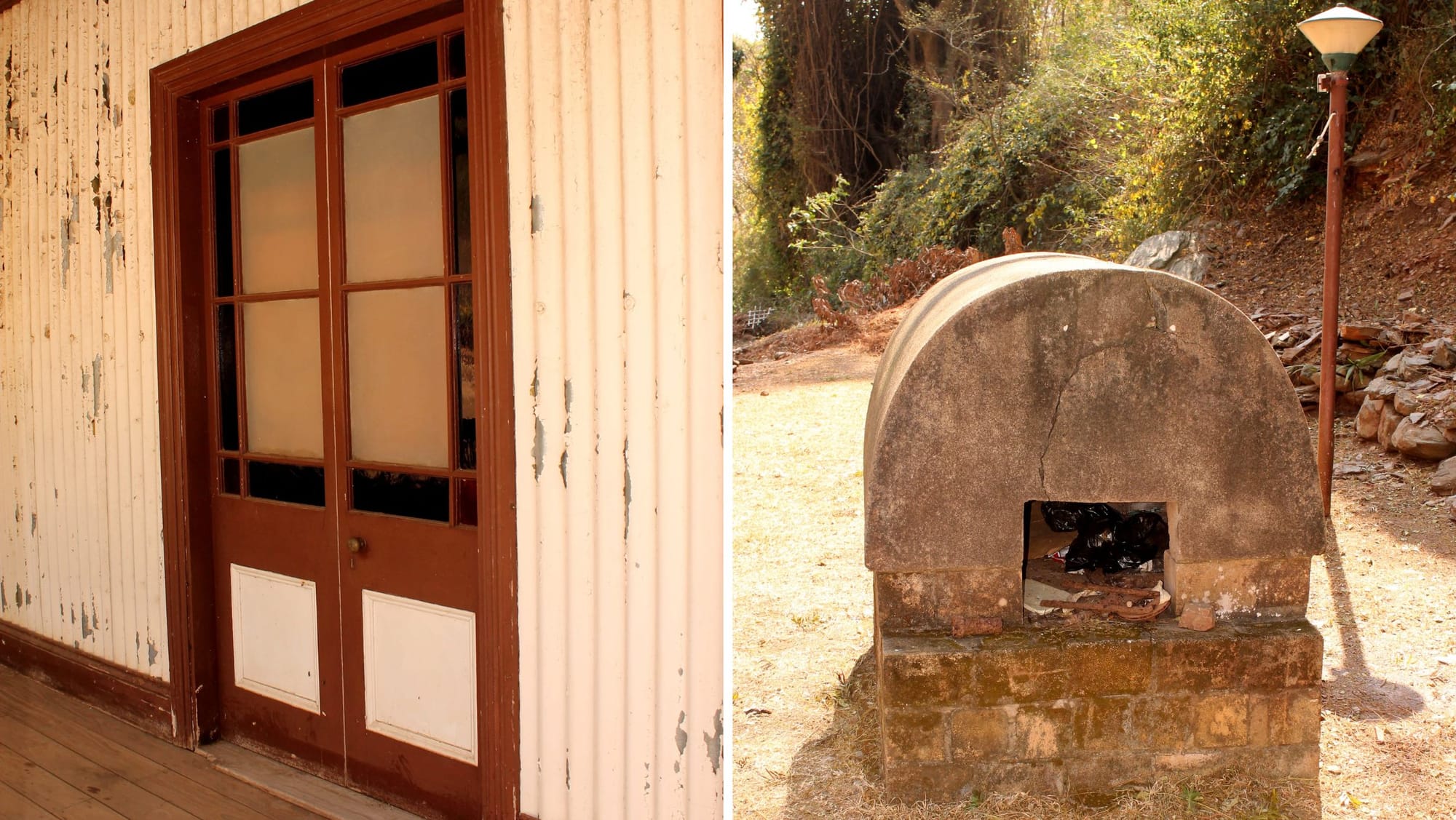
As Barberton developed and mining operations became more structured, homes like Fernlea saw generational change. The house offers a view into the lives of families who remained while the industry evolved. Built largely of wood and corrugated iron, Fernlea House reflects the practical approach of early construction in a fast-growing settlement.
Its preservation as a museum shows a recognition of Barberton’s history. Instead of losing these structures to development, the town chose to retain and present them.
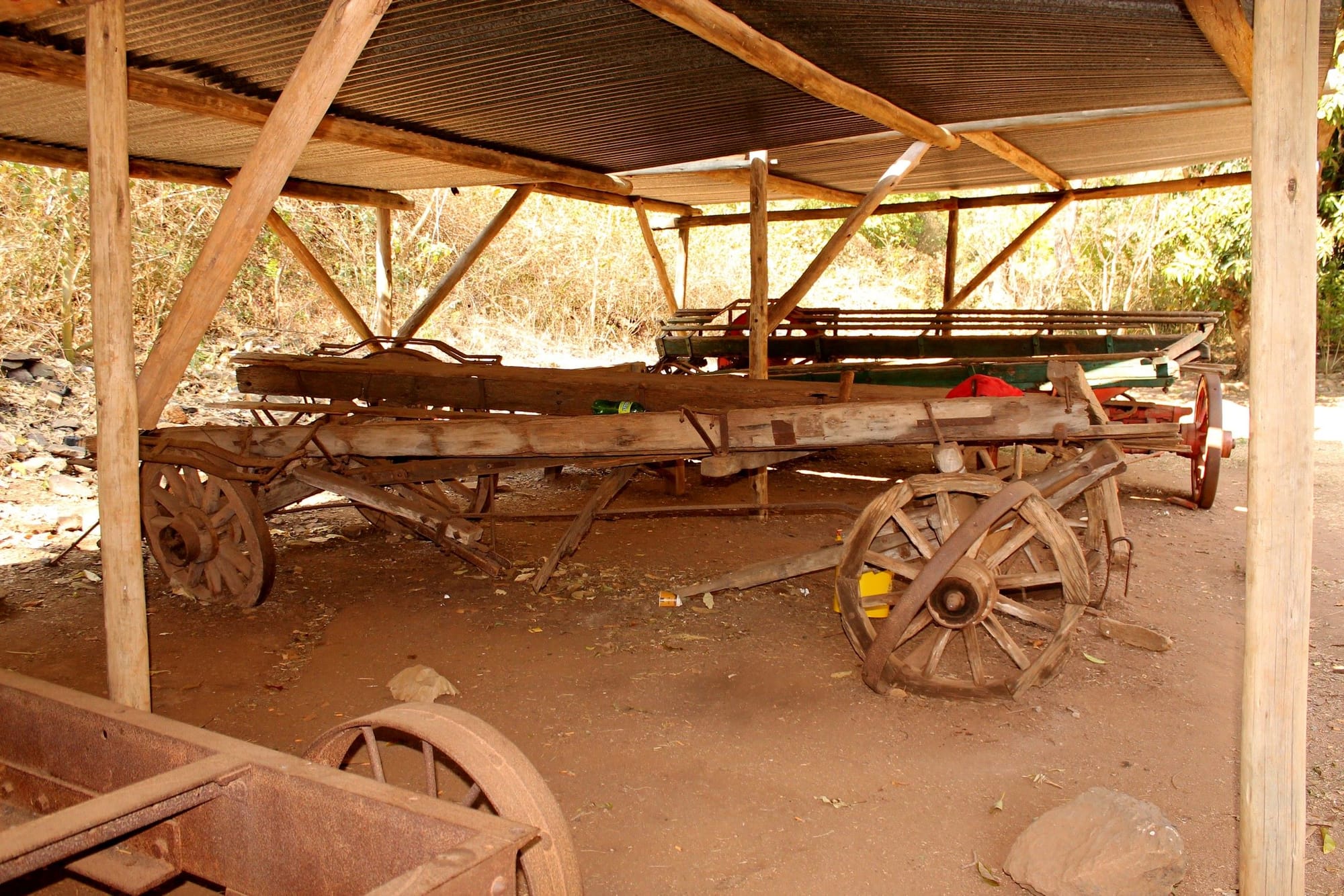
Today, Fernlea House forms part of the Barberton Heritage Walk, allowing residents and visitors to explore the town’s early history. More than 140 years later, the house remains a physical link to that period, offering insight into daily life during the gold rush years.
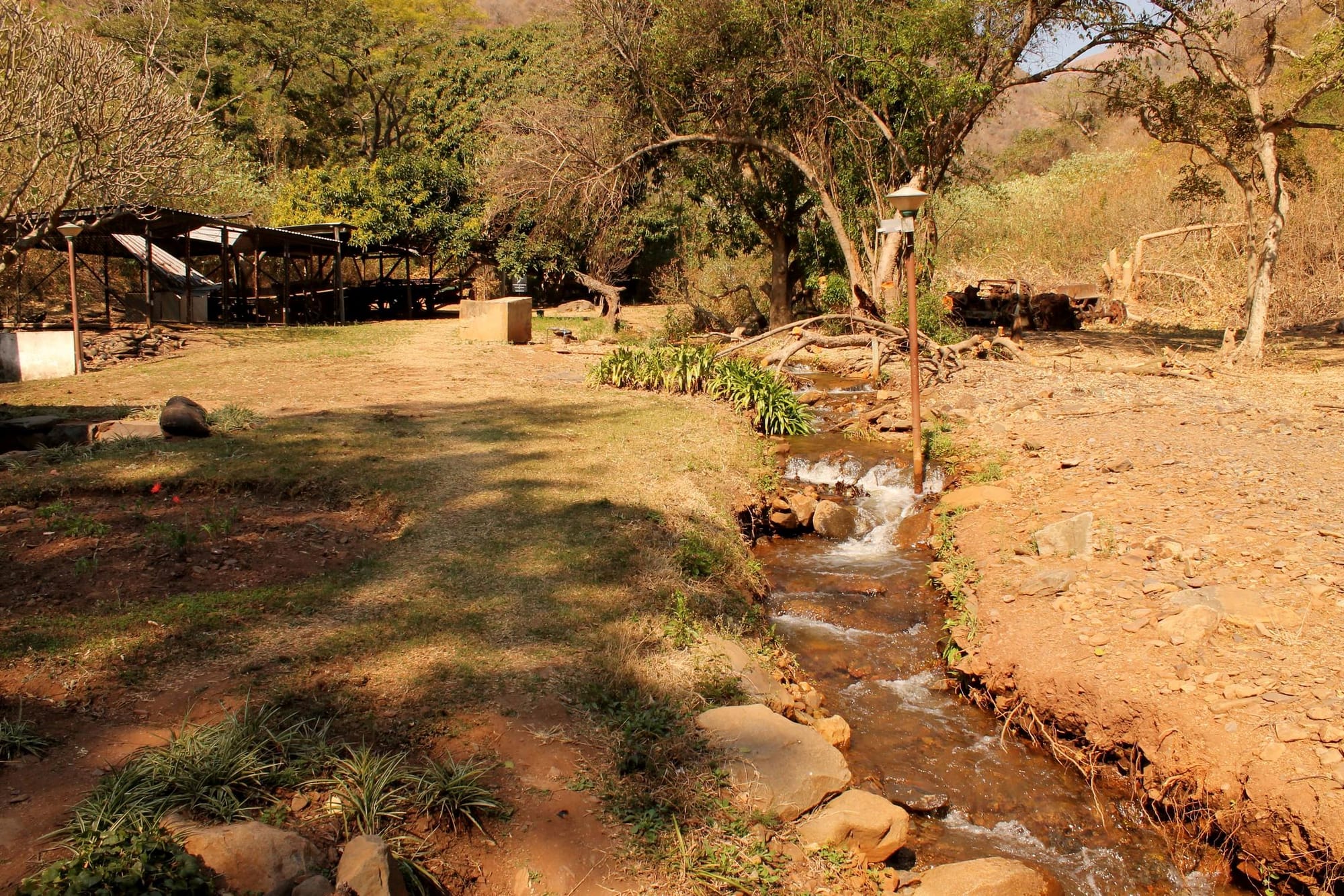
For today’s Barberton community, Fernlea House provides a connection to the past. It gives younger generations a clearer understanding of how people lived during the town’s early development. However, the condition of Fernlea House has deteriorated in recent years. The building has been neglected and has fallen into disrepair. It has been broken into, and several items on display have been stolen.
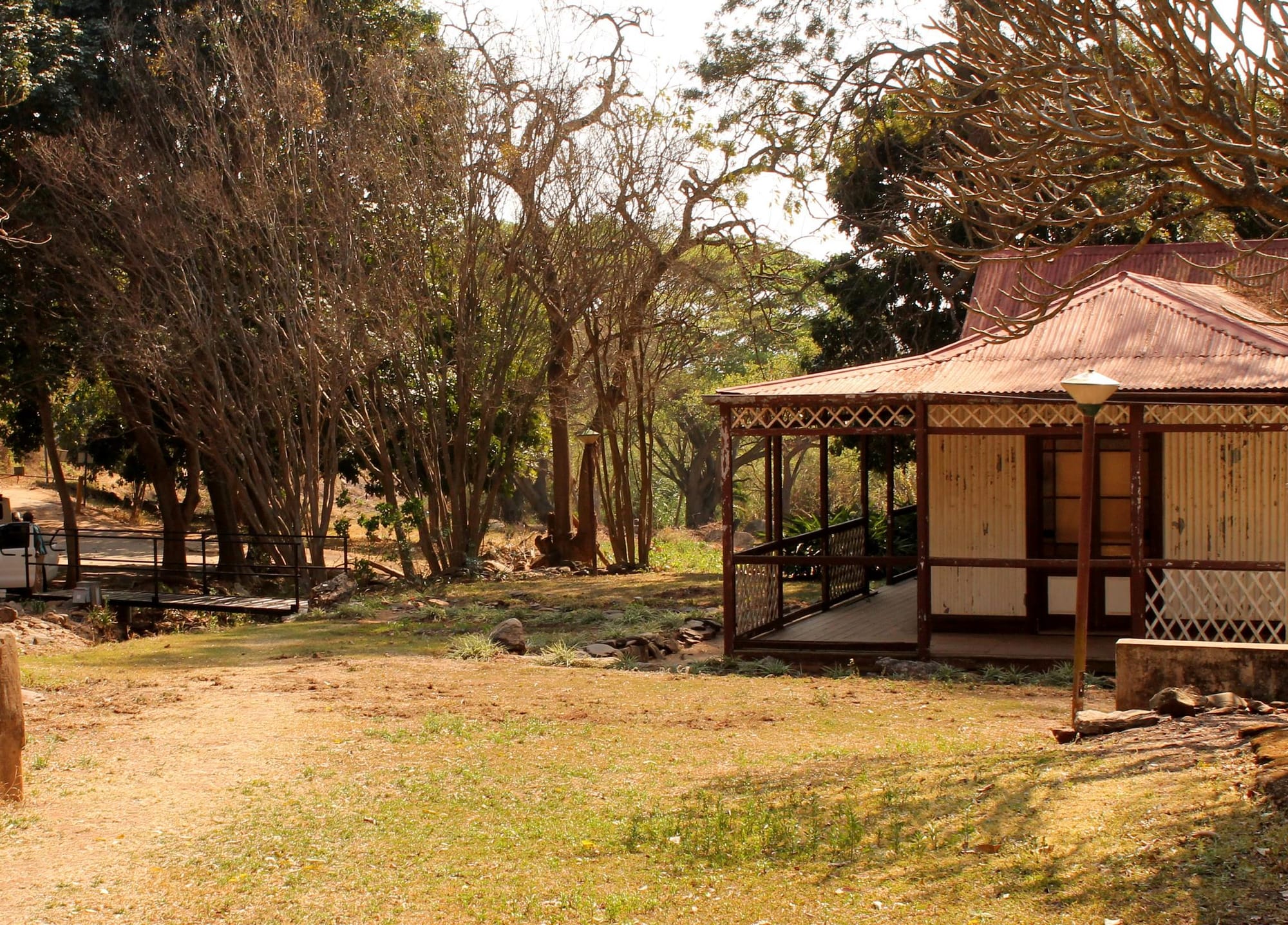
Visitors are advised not to visit the site alone, but rather in a group. Although there is a security guard at the gate, the area is not considered safe due to ongoing illegal mining activity by zama-zamas in Rimer’s Creek.
Comments ()