

For many South African families, caring for ageing parents is not a choice but something that happens gradually.



There is a generation of parents finding themselves caught in the middle. They are still raising their own children, helping with school runs, homework, meals and the everyday demands of family life, while increasingly becoming responsible for ageing parents who once looked after them. It is sometimes called the "sandwich generation", and it can be an exhausting place to be.
For many South African families, caring for ageing parents is not a choice but something that happens gradually. Mum needs help with shopping. Dad is no longer comfortable driving at night. Medical appointments become more frequent. The garden becomes too much to manage. Then, before you realise it, you are juggling the needs of two generations while trying to keep your own household running.
The emotional side can be just as complicated as the practical one. These are the people who raised you. They were once the adults you depended on. Watching them become less independent can be difficult to accept, particularly when the roles begin to reverse. At the same time, your own children still need you.


There may be school projects to supervise, teenagers who need guidance, meals to prepare, bills to pay and a job that expects you to arrive on time and perform as though nothing else is happening. It is easy to feel that you are failing everyone. The truth is that you are probably simply trying to do too much.
One of the most important things families can do is talk about ageing before a crisis forces the conversation. Discuss practical issues while your parents are still able to make their own decisions. Where would they like to live if they could no longer manage alone? Who should help with medical appointments? Do they have a will? Where are important documents kept? What happens if one of them becomes seriously ill?
These conversations can feel uncomfortable, but avoiding them does not make the decisions disappear. It is also important to remember that ageing does not automatically mean losing independence. Many older people remain capable of managing their own homes and making their own decisions for many years. Helping them does not mean taking over.
Sometimes the best support is simply making life a little easier while allowing them to remain in control. That could mean arranging grocery deliveries, helping with transport, organising medication or finding someone to assist with housework or gardening. Knowing when more help is needed can be difficult.
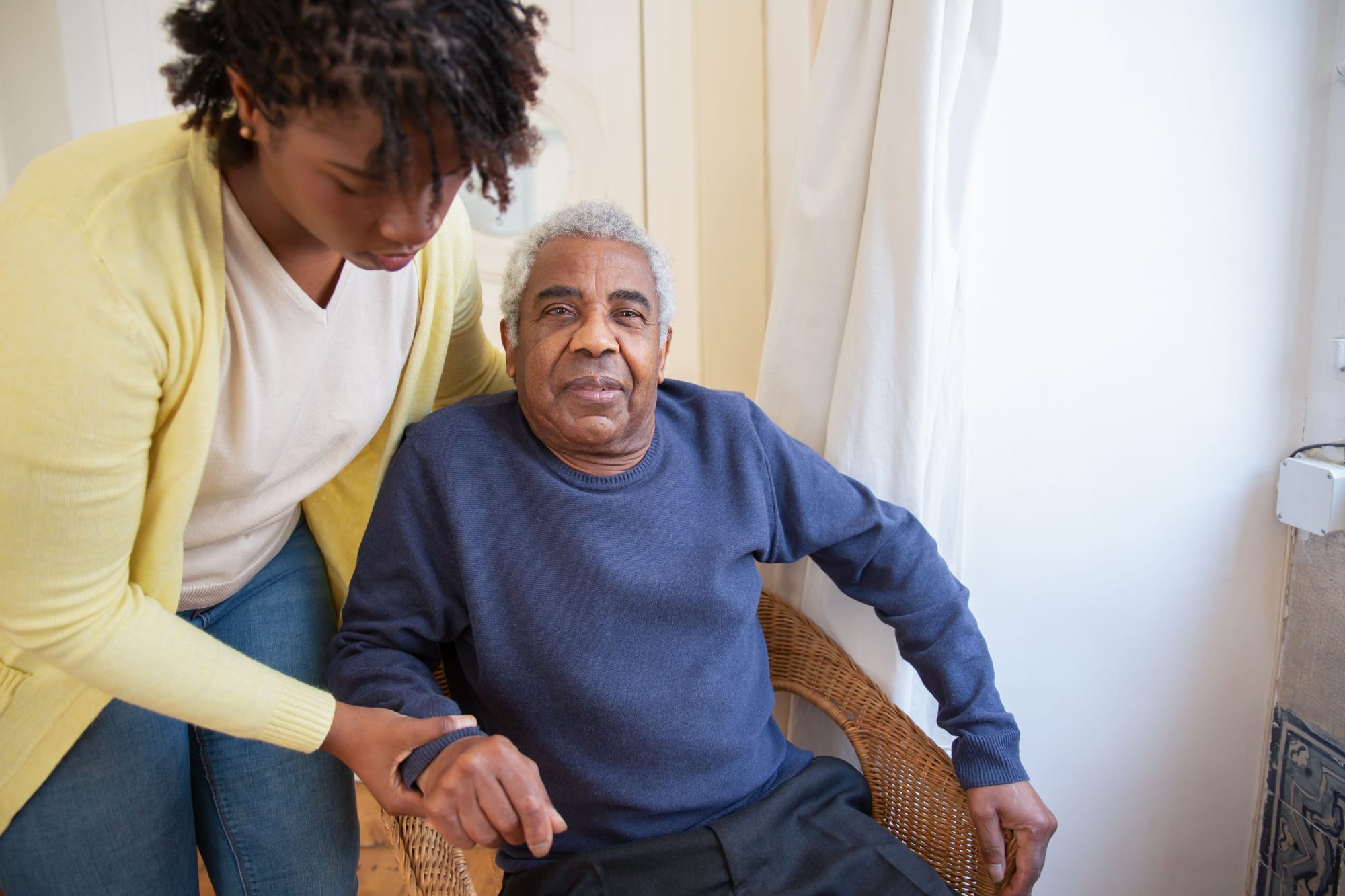
Changes in memory, mobility, personal hygiene, eating habits or the ability to manage money and household responsibilities may indicate that an older person needs additional support. It is worth involving siblings and other family members early rather than allowing one person to quietly take on everything. This is where many families struggle.
One daughter becomes the person who makes every appointment. One son handles the finances. Another family member lives far away and feels guilty about not being able to help. Open conversations about responsibilities can prevent resentment from building.
Not everyone can contribute in the same way. One person may be able to provide transport, another may contribute financially and someone else may simply make regular telephone calls. Every contribution matters.


The same applies to looking after yourself. Caregivers often put their own needs at the bottom of the list. They continue working, caring for children and supporting parents while getting very little time to rest. Eventually exhaustion can turn into frustration, resentment or burnout. Taking a break does not mean you love your parents any less. Accepting help does not make you a bad son or daughter.
There is also a financial reality that cannot be ignored. Medical costs, medication, home modifications, transport and professional care can become expensive. Families should have honest discussions about what is affordable and investigate available benefits, services and community resources rather than waiting until money becomes a crisis.
Being caught between generations is not easy. There will be days when you feel exhausted, guilty and unsure whether you are doing enough. But perhaps the goal is not to do everything perfectly. It is to make sure nobody in the family is carrying the burden alone.

Your parents once carried you through the difficult years of childhood. Now you may find yourself helping them through a different stage of life while still raising children of your own. It is a demanding responsibility, but it is also a reminder of something important about family. We care for one another through the different seasons of life. And sometimes, caring means recognising that you cannot do it all yourself.
 Liz Thorne
 Naomi Roebert
 Mariana Balt




Comments ()