
The road to Barberton was paved in gold, gin, danger and hotels
At the bottom of the notorious Chute stood Jenkinson’s Hotel beside Gin Creek, where transport riders stopped to refill their gin bottles before continuing towards the goldfields.
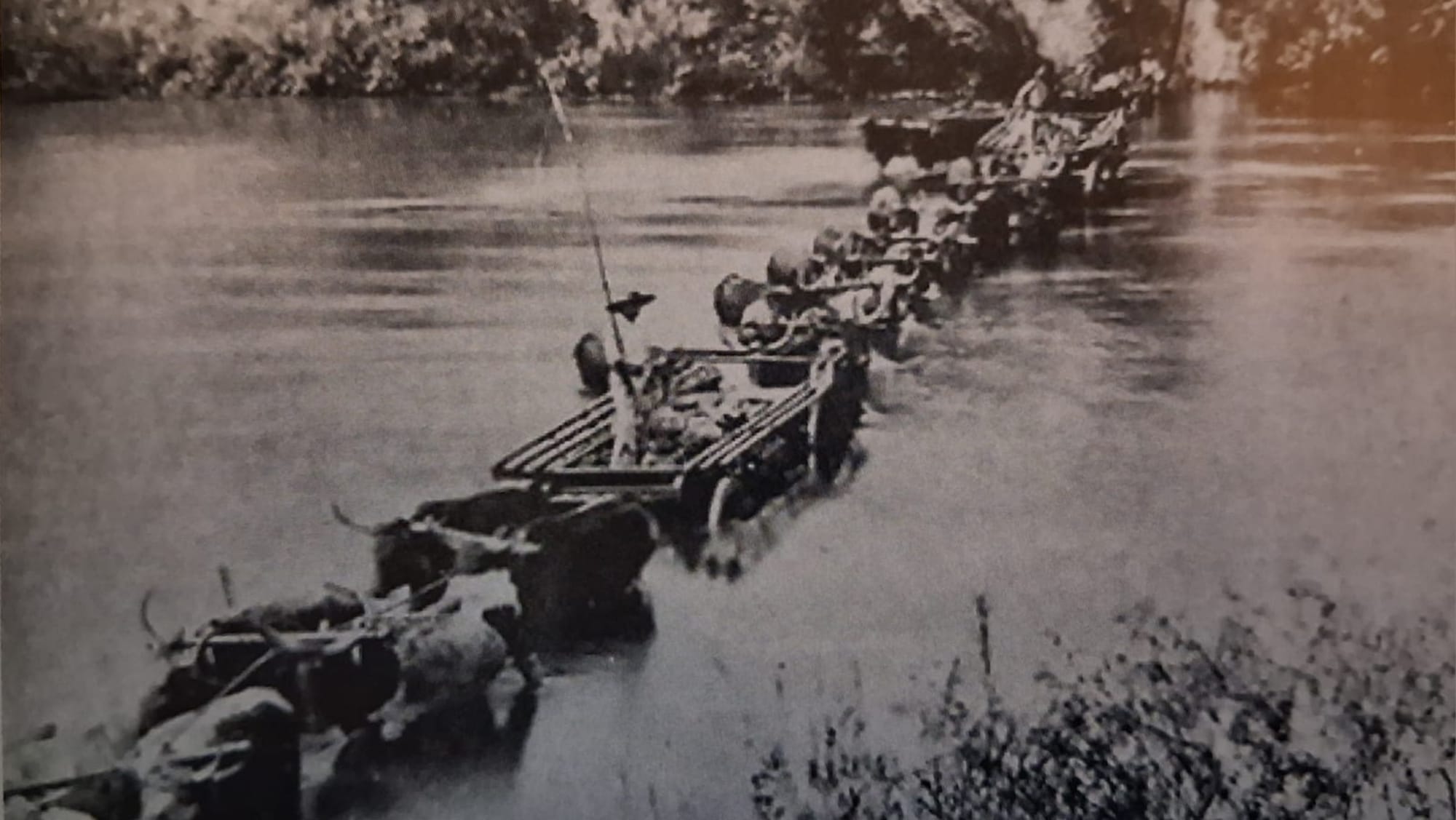
Long before the railway brought passengers and goods into Barberton, reaching the goldfields was an adventure that demanded courage, strong horses or oxen, sturdy wagons and, apparently, a healthy supply of gin, and of cause a stopover at the Jenkinson’s Hotel.
The discovery of gold in the De Kaap Valley in the 1880s transformed Barberton almost overnight. Men arrived from all corners of the country and beyond, drawn by the promise of fortunes that could supposedly be picked up from the ground.
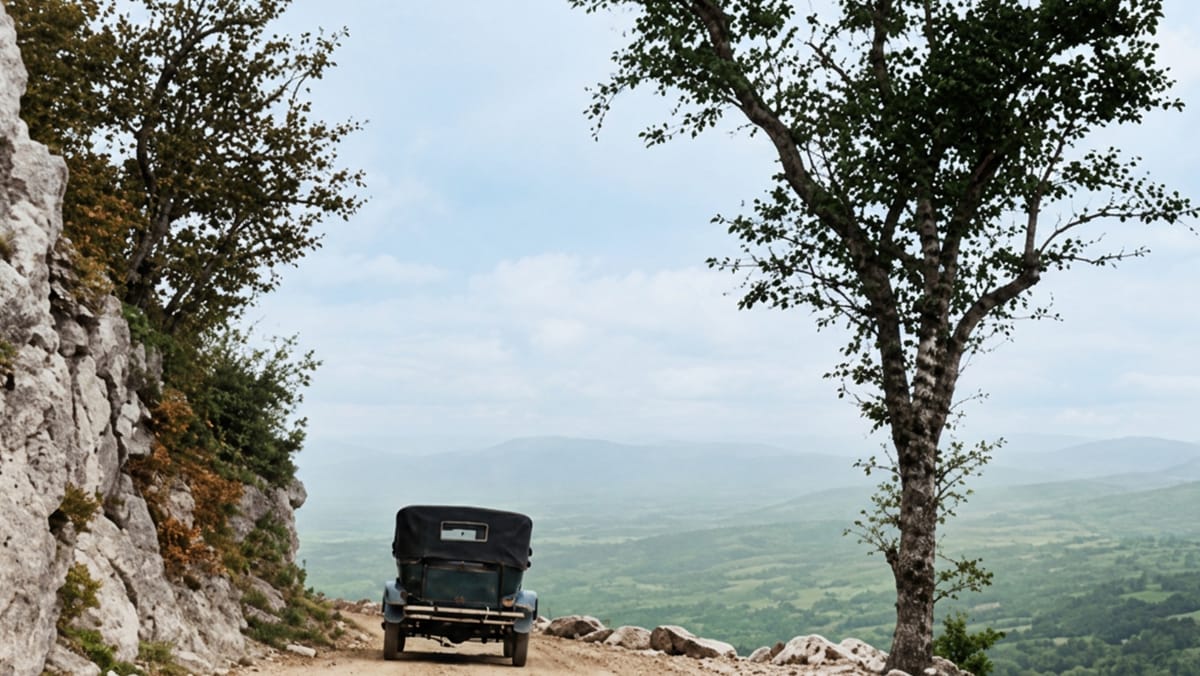
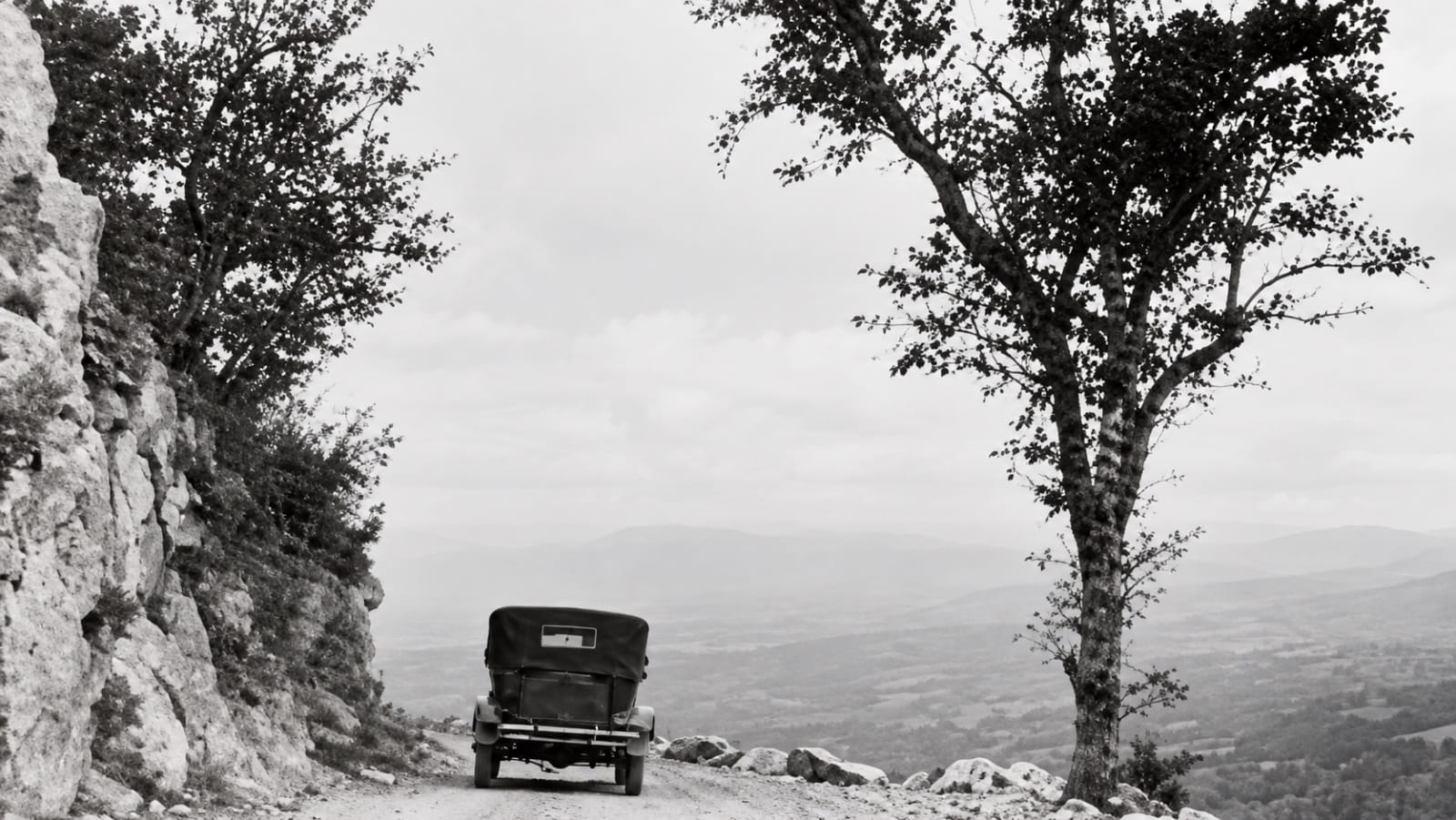
Today, the journey from the surrounding Lowveld into Barberton is relatively straightforward. In the 1880s, however, the roads were little more than rough tracks winding through mountains, rivers and steep kloofs. One of the most notorious approaches was the route from the Durban and Lydenburg side, which passed through Badplaas and Jambila before reaching the formidable Glenthorpe Chute which was not a road for the faint-hearted.
The descent was about five kilometres long, with sections so steep that wagons could career downhill out of control. At one particularly notorious section, known as the Dreaded Chute, the gradient was so severe that the length of the wagon and its span of oxen became part of the description of the terrain. Further down was another dangerous section known as the Slide.
Yet somewhere at the bottom of this treacherous descent there was also a place where weary travellers could stop, recover their breath and, importantly, replenish their supplies. That place was Jenkinson’s Hotel.
After surviving the Chute and the Slide, transport riders reached the bottom near a small stream. On the opposite side of the stream stood Jenkinson’s Hotel. The establishment became an important stopping point on the road to Barberton, and the thirsty transport riders would refill their gin bottles before continuing their journey.
The little stream acquired the name Gin Creek, a name that survives in the historical record as a rather entertaining reminder of the character of those pioneering days. It is difficult to imagine a more appropriate setting for a gold-rush watering hole.
The road to Barberton was not simply a means of transporting people and supplies. It was a lifeline to a rapidly growing goldfield. The transport riders who hauled these loads became an essential part of the gold-rush economy. Their journeys were slow, uncomfortable and often dangerous, and stopping places along the routes were therefore vital.

Jenkinson’s Hotel occupied an especially strategic position. It stood at the bottom of one of the most difficult sections of the journey, making it a natural place for travellers to pause before tackling the remaining road to Barberton.
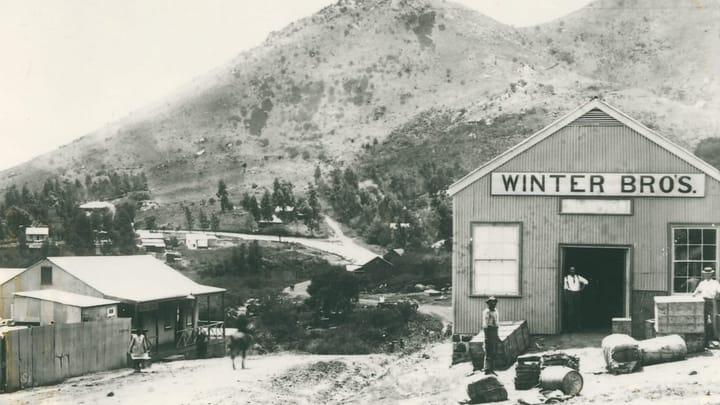
Barberton during the first years of the gold rush was a town unlike anything that had existed in the De Kaap Valley before. The town acquired a reputation for being one of the wildest settlements in the Transvaal. One historical account describes Barberton as a rough and colourful gold-rush town with numerous saloons and hotels, while another records that the liquor trade flourished alongside the gold mines.
The journey into town therefore became part of the legend. Imagine the scene: a heavily loaded ox wagon inching its way down the mountain, the driver struggling to control the team as the wheels bounced over rocks and ruts. The animals strained against the weight of the wagon while men walked alongside, ready to react if something went wrong. Then, finally, the bottom of the Slide. Gin Creek and Jenkinson’s Hotel. For a traveller who had just survived the Chute, the sight of an inn must have been welcome indeed.
The hotel was more than simply a place to drink. Its position made it one of the small but important links in the chain that connected Barberton to the outside world. Without these stopping places, the long transport routes into the goldfields would have been even more difficult.
The name Gin Creek itself tells us something about the culture of the time. The fact that transport riders routinely stopped at Jenkinson’s to refill their gin bottles became sufficiently associated with the place for the creek to acquire its enduring name. It is also a reminder that the gold rush was not populated only by miners.
Transport riders brought supplies. Traders opened stores. Hotelkeepers provided beds and meals. Butchers supplied meat. Blacksmiths repaired equipment. Barmaids and bartenders served the thirsty. Entrepreneurs arrived with businesses designed to extract profit from those hoping to make their fortunes in gold. In many ways, the people supplying the goldfields could make as much money from the rush as those searching for gold.


Barberton itself grew at extraordinary speed. By 1886, the town was at the height of its early boom, with stock exchanges, newspapers, hotels, shops, bars and entertainment venues competing for the attention and money of the thousands who had arrived. The first newspaper, the Barberton Herald, appeared in April 1886, while the first post office opened later that year.
Eventually the arrival of the railway changed everything. The Barberton branch line connected the goldfields with Kaapmuiden and, from there, the wider railway network. The railway made the movement of people and goods considerably easier and helped bring an end to the era when every wagon load had to negotiate the old mountain roads.
The importance of places such as Jenkinson’s Hotel consequently diminished. Yet the names remain. They are fragments of an almost forgotten journey into Barberton, when getting to the goldfields could be as hazardous as mining them.
Today, we tend to think of the Barberton gold rush in terms of the glittering reefs, the famous nuggets, the mining camps and the fortune hunters who flooded into the valley. However, the story really began much further away, on the rough roads that carried men, animals and supplies towards the mountains.
The road to Barberton may have been paved with gold in the dreams of the men heading towards the De Kaap goldfields, but in reality, it was paved with sweat, mud, broken wheels, exhausted oxen, danger and, at least at Jenkinson’s Hotel, a generous measure of gin.
That is one of the stories that makes Barberton’s gold-rush history so much more than a story about gold.
 Mariana Balt
 Liz Thorne
 Naomi Roebert


Comments ()