
Prevention is better than cure
While it is impossible to avoid every germ, there are many practical steps people can take to strengthen their immune systems and reduce the risk of getting sick this winter.
As winter slowly settles over the Lowveld, many people are already starting to feel the effects of changing temperatures. One day is warm and pleasant, the next icy cold with rain and mist hanging over the mountains. These sudden weather changes often bring with them blocked noses, coughs, sore throats and the dreaded flu symptoms that seem to spread through homes, schools and workplaces every winter.
While it is impossible to avoid every germ, there are many practical steps people can take to strengthen their immune systems and reduce the risk of getting sick this winter. The old saying “prevention is better than cure” still holds true.
During winter, people spend more time indoors with windows and doors closed, making it easier for viruses to spread from person to person. Dry air and colder temperatures can also irritate the nose and throat, making the body more vulnerable to infection.
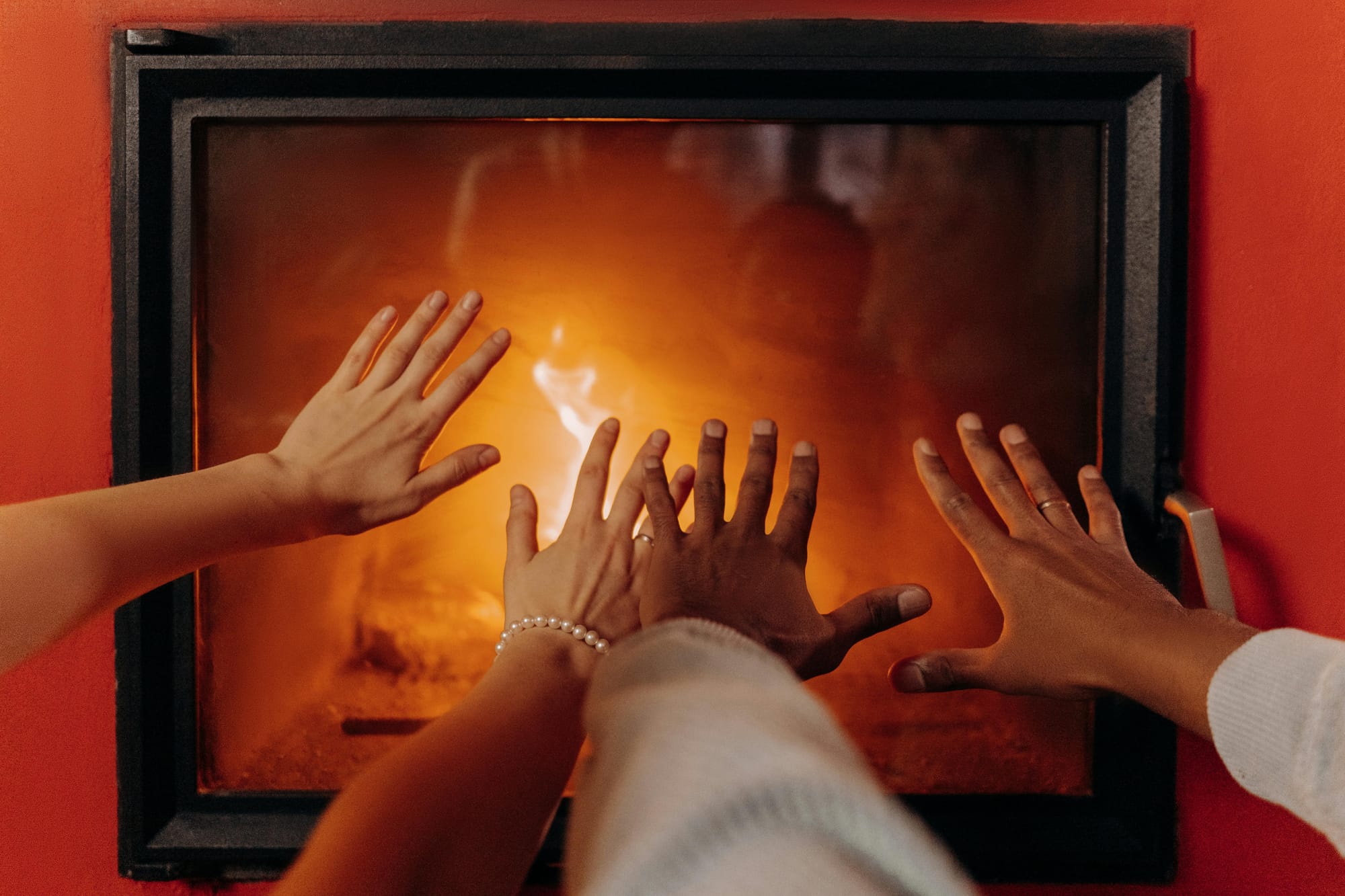
Another common problem is the constant switch between hot and cold environments. Moving from icy outdoor temperatures into rooms heated by heaters, electric blankets or fireplaces can place strain on the body. Very hot indoor temperatures can dry out the airways and sinuses, while stepping back into the cold can shock the system.
Many people also make the mistake of sitting too close to heaters or sleeping in overly heated rooms. Although heaters themselves do not cause flu, the dry heat can irritate the respiratory system, dry out mucus membranes and make people more susceptible to viruses and infections. One of the most effective ways to stay healthy during winter is maintaining good everyday habits.
Wash hands regularly
Flu viruses spread easily through touch. Washing hands regularly with soap and water remains one of the simplest and most effective forms of protection. Hand sanitiser can also help when people are out and about.
Avoid close contact with sick people
If someone at home or work is ill, avoid sharing cups, utensils or towels. Covering coughs and sneezes with an elbow or tissue also helps stop germs from spreading.
Stay hydrated
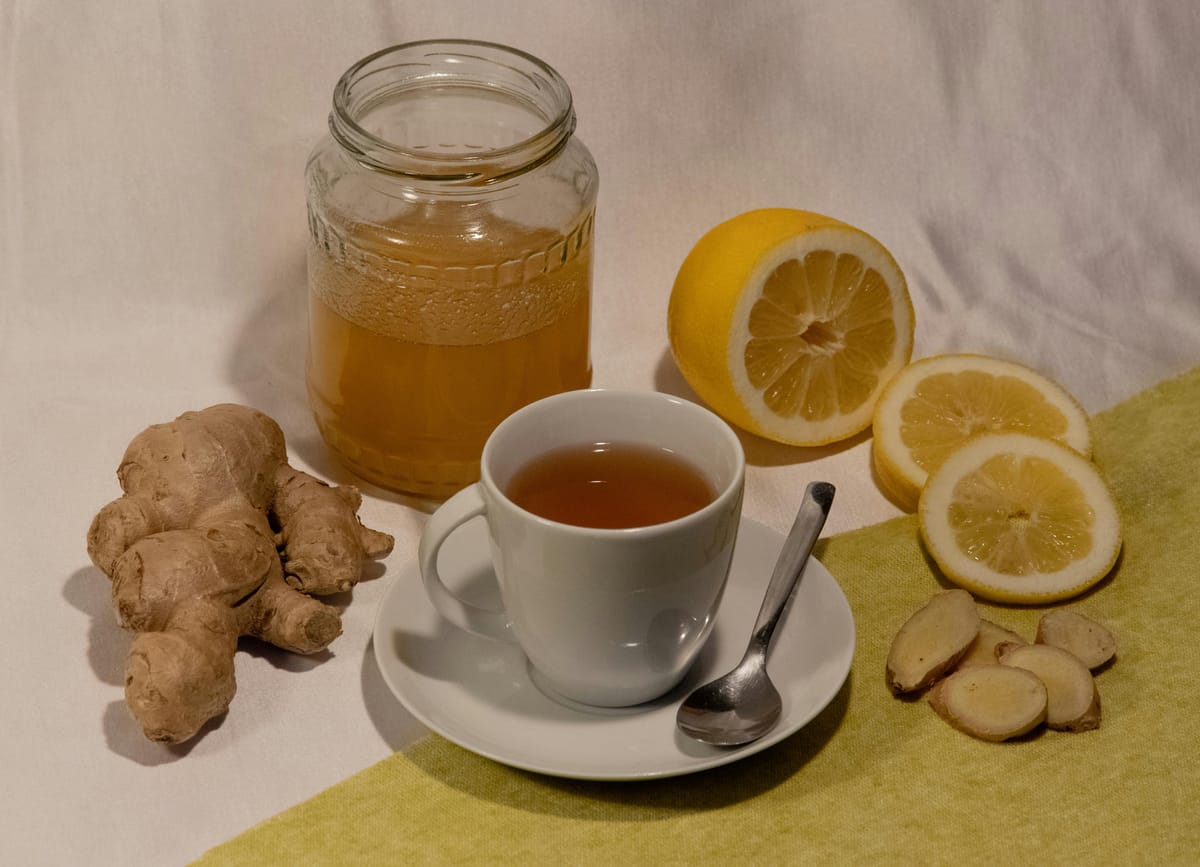
Many people drink less water during winter because they do not feel as thirsty. However, the body still needs plenty of fluids to function properly. Warm drinks like rooibos tea, honey and lemon, or warm water can help soothe the throat while keeping the body hydrated.
Get enough sleep
The immune system weakens when the body is exhausted. Adults should aim for at least seven to eight hours of sleep per night, while children need even more rest to help their bodies fight infection.
Exercise and fresh air
Cold weather often makes people less active, but moderate exercise can help strengthen the immune system and improve circulation. Even a short daily walk in the fresh air can make a difference.
Foods and vitamins that support immunity
A healthy diet plays an important role in flu prevention. Fresh fruits, vegetables and wholesome foods provide the nutrients the body needs to stay strong during winter.
Vitamin C is probably the best-known immune-support vitamin. Citrus fruits, guavas, strawberries, peppers and broccoli are all rich in Vitamin C. Some people also choose to take Vitamin C supplements during winter.
People spend less time in the sun during colder months, so Vitamin D levels may drop. Vitamin D supports the immune system and overall health. Sunlight exposure, eggs, fatty fish and fortified foods can help maintain healthy levels.
Zinc is another important mineral for immune support and may help reduce the severity of colds. Foods rich in zinc include nuts, seeds, meat and legumes.
Many South Africans still rely on traditional winter remedies such as ginger, garlic, honey and lemon to soothe symptoms and support general wellness. While these are not miracle cures, they can provide comfort and may help support the body naturally.
Keep warm
Layering clothing is often more effective than overheating a room. Wearing warm socks, scarves and jackets helps the body maintain a stable temperature without depending entirely on heaters.
When using heaters or electric blankets, moderation is important. Rooms should remain comfortably warm rather than excessively hot. Good ventilation also helps prevent dry, stale air indoors.
People should also remember that sudden temperature changes can affect the body. Going outside into freezing air immediately after sitting in front of a heater or fire may contribute to respiratory irritation and discomfort.
Know when it’s more than just a cold
Most colds and mild flu cases improve within a few days with rest, fluids and proper care. However, medical attention should be sought if symptoms become severe, especially in young children, elderly people or those with chronic conditions.
Warning signs include:
*Difficulty breathing
*Persistent high fever
*Chest pain
*Severe dehydration
*Symptoms that worsen instead of improving
Winter is often seen as a season of comfort foods, warm blankets and cosy evenings indoors, but it should also be a season of self-care and prevention. Small daily habits can make a significant difference in helping families stay healthier during the colder months.
By strengthening the immune system, avoiding unnecessary exposure to germs and taking sensible precautions with heaters and temperature changes, many winter illnesses can be reduced before they take hold. After all, prevention remains far easier, and far cheaper, than cure.


Comments ()