
Breaking the silence on school bullying
While classrooms are meant to be safe spaces for growth and learning, for many children they can become environments of fear, anxiety and isolation.
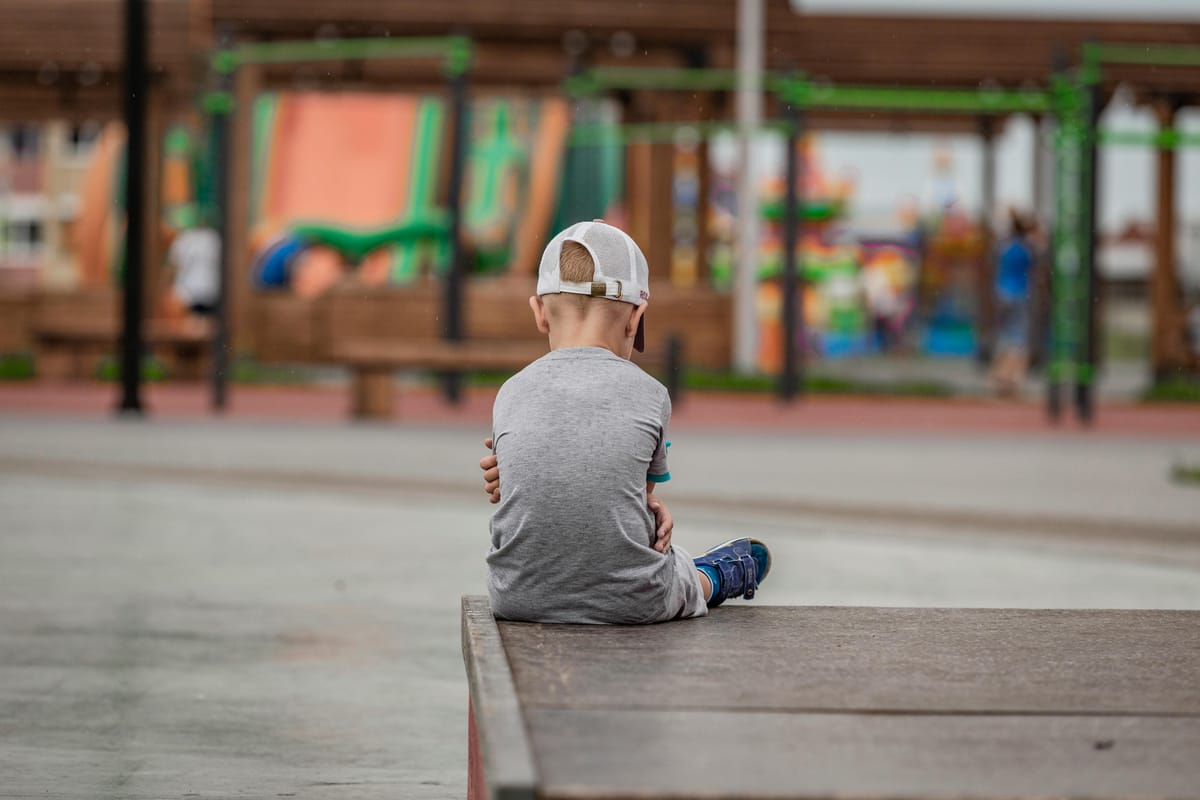
Bullying remains one of the most difficult and often hidden challenges faced by learners in schools across South Africa. While classrooms are meant to be safe spaces for growth and learning, for many children they can become environments of fear, anxiety and isolation.
Despite increased awareness, bullying continues to affect learners of all ages, often quietly and without the knowledge of parents or teachers.
At its core, bullying is repeated behaviour intended to harm, intimidate or control another person. It can take many forms, including physical aggression, verbal insults, social exclusion and, increasingly, cyberbullying through social media and messaging platforms.
Understanding why children bully is an important step in addressing the problem. In many cases, bullying behaviour stems from insecurity, a need for control, or a desire for social status among peers. Some learners model behaviour they have witnessed at home or in their communities, while others may be dealing with their own emotional struggles and express them through aggression. Bullying can also occur in environments where discipline is inconsistent or where harmful behaviour is not addressed early.
Equally concerning is the fact that many bullying incidents go unreported. Victims often remain silent out of fear. Fear of retaliation, fear of not being believed, or fear of being labelled as weak. Some learners worry that reporting bullying may make the situation worse, while others may feel embarrassed or unsure of how to speak up. In certain cases, children may not even recognise that what they are experiencing is bullying, especially when it takes the form of emotional manipulation or exclusion.
The effects of bullying on victims can be profound and long-lasting. Learners who are bullied may experience anxiety, depression, low self-esteem and a decline in academic performance. They may withdraw from friends and activities they once enjoyed, or show signs of distress such as changes in sleep patterns, appetite or mood. In severe cases, bullying can lead to self-harm or thoughts of suicide, highlighting the urgent need for early intervention and support.
Parents and teachers play a critical role in identifying and addressing bullying. Open communication is key. Children should feel safe to talk about their experiences without fear of judgement or dismissal. Parents can encourage this by regularly checking in with their children, asking about their school day, friendships and any concerns they may have.
Teachers, on the other hand, are often in a position to observe behavioural changes in learners. Sudden withdrawal, frequent absenteeism, unexplained injuries or a drop in academic performance may all be warning signs. Schools that foster a culture of respect, inclusivity and accountability are more likely to create environments where bullying is not tolerated.
When bullying is suspected or reported, it is important to act promptly. Learners should be encouraged to speak to a trusted adult, whether a parent, teacher, school counsellor or coach. Keeping a record of incidents, including dates and details, can also help when addressing the issue with the school.
Intervention should focus not only on supporting the victim, but also on addressing the behaviour of the bully. This may involve counselling, behavioural guidance and involvement from parents or guardians. Punishment alone is rarely effective without understanding the underlying causes of the behaviour.
Communities also have a role to play. Creating awareness around bullying, promoting kindness and encouraging peer support can make a meaningful difference. Learners who stand up for others, even in small ways, help shift the culture towards one of empathy and respect.
In today’s digital age, cyberbullying adds another layer of complexity. Unlike traditional bullying, it can follow a child home and continue beyond school hours. Parents are encouraged to remain aware of their children’s online activity and to educate them about responsible and respectful digital behaviour.
Addressing bullying requires a collective effort. By fostering open communication, building supportive environments and taking concerns seriously, families and schools can work together to protect learners and promote their wellbeing.
No child should feel unsafe in a place meant for learning. Breaking the silence is the first step towards meaningful change.



Comments ()