
Keeping your pet cool when the Lowveld turns up the heat
For many of us, summer means swimming pools, cold drinks, shady verandas and finding any excuse to sit under a fan. Our pets, however, cannot simply tell us when they are struggling with the heat.




There is nothing quite like a Lowveld summer. The days are long, the skies are bright and the heat seems to settle over Barberton and the De Kaap Valley with a determination of its own. For many of us, summer means swimming pools, cold drinks, shady verandas and finding any excuse to sit under a fan. Our pets, however, cannot simply tell us when they are struggling with the heat.
Dogs and cats are particularly vulnerable during periods of extreme heat because they do not cool themselves in the same way humans do. Dogs rely mainly on panting, with some heat loss through their paw pads, while cats generally seek out cool and shaded places.
A few simple changes around the home can make a significant difference. During hot weather, fresh drinking water should be available to pets at all times. It is worth having more than one water bowl, particularly if your pets have access to both the house and garden. Place bowls in shaded areas and check them regularly, as water can become surprisingly warm when left in the Lowveld sun.
Remember that water is especially important when dogs are exercising. If you are taking your dog out, carry water and a portable bowl rather than relying on finding a water source along the way. Summer is not the time for a leisurely midday stroll. The safest time for walking dogs is early in the morning or later in the evening, when temperatures and surfaces are cooler. Remember too that your dog may be enthusiastic about chasing a ball long after its body has had enough. During very hot weather, replace energetic games with quieter activities and plenty of rest.
Every pet should have somewhere to escape the heat. For dogs that spend time outside, make sure there is substantial shade available throughout the day. A small patch of shade in the morning may be in full sun by the afternoon, so check that the shaded area remains cool as the sun moves. Inside the house, tiled floors are often popular with hot dogs and cats because they provide a cooler surface to lie on. Fans can help circulate air, while cooling mats or damp towels can provide another comfortable place to rest. On extremely hot days, particularly when temperatures remain high into the afternoon, bringing outdoor pets inside is one of the safest options.
Don't shave that coat just yet. It may seem logical to give a long-haired dog a very short haircut when summer arrives, but shaving is not necessarily the answer. A pet's coat provides protection from the sun and can assist with temperature regulation. Double-coated breeds in particular should not simply be shaved because it is hot. Regular brushing to remove loose hair and prevent matting is a better approach.
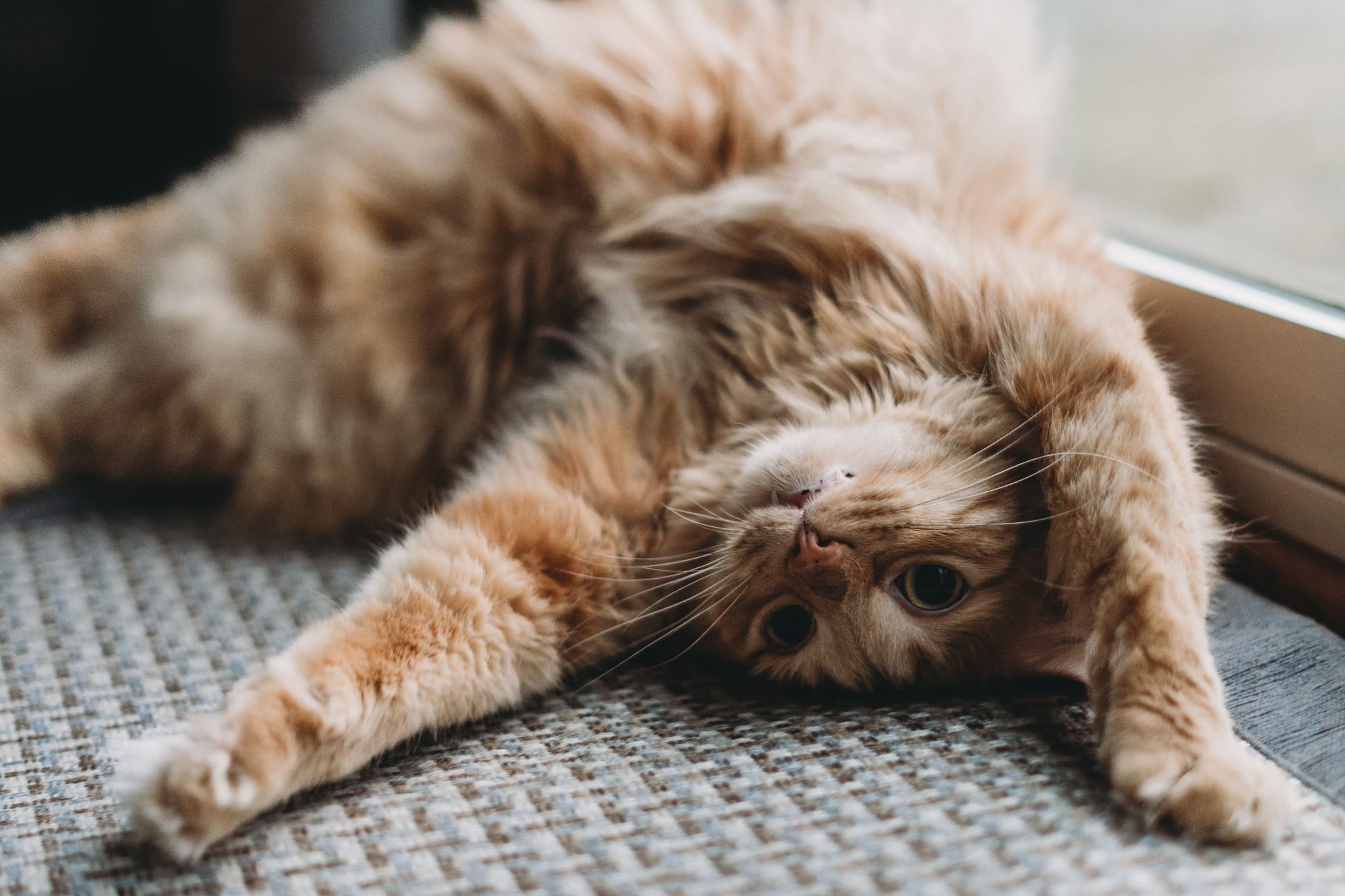
Cats are generally very good at finding their own cool spots, but that does not mean they are immune to heat. Make sure your cat has access to fresh water and shaded or cool areas. Keep an eye on garages, sheds and other enclosed spaces. A cat investigating a cool-looking building can inadvertently find itself trapped inside, where temperatures may become dangerously high. Long-haired cats may benefit from regular brushing to remove loose hair and prevent matting. Cats with white or lightly pigmented areas, particularly around the ears and nose, can also be susceptible to sunburn.
Not every animal copes with heat in the same way. Older pets, very young puppies and kittens, overweight animals and animals with underlying heart or respiratory problems can be particularly vulnerable. Flat-faced breeds such as pugs, bulldogs and Persian cats are also at increased risk because their anatomy can make cooling themselves more difficult. These pets should be monitored particularly closely on very hot days and should not be pushed to exercise simply because they seem eager to play.
Never leave a dog or cat inside a parked vehicle, even if the windows are partly open, or you are only going into a shop for a few minutes. Vehicle interiors can heat up extremely quickly, creating a potentially fatal situation for an animal. If your destination does not allow pets, leave them safely at home instead. Heatstroke is a medical emergency and can become life-threatening very quickly. Watch for excessive or abnormal panting, heavy drooling, restlessness, weakness, vomiting or diarrhoea, confusion, an unsteady gait, collapse or seizures. If you suspect your pet is overheating, move it to a cool, shaded or air-conditioned area immediately and contact a veterinarian without delay. Cooling should begin while veterinary assistance is being sought, but avoid trying to force a severely distressed animal to drink.
The Lowveld heat is part of what makes this region special, but our pets experience summer very differently from us. Before the really hot weather arrives, take a walk around your property and look at it from your pet's perspective. Is there shade all day and can your pet reach its water easily? Is there somewhere cool to lie?
Also make sure collars and identification details are secure. Summer storms, fireworks and other seasonal disturbances can cause frightened pets to escape, and having up-to-date identification can make all the difference.
So, as the Lowveld heads into another hot summer, make sure the family members with four legs, feathers or fur are included in your summer survival plan. A little extra water, shade, sensible exercise and attention could quite literally save a life.
 Liz Thorne
 Naomi Roebert
 Mariana Balt
 Anchen Coetzee



Comments ()