

On June 16, 1976, thousands of school learners took to the streets to protest against the apartheid government's decision to enforce Afrikaans as a medium of instruction in all schools.


Every year on June 16, South Africans pause to commemorate Youth Day. Schools hold assemblies, communities host events, and many of us enjoy a well-deserved public holiday. Yet one question lingers in my mind every year: do our children truly understand why we celebrate Youth Day?
As a teacher working with primary school learners every day, I often wonder how many of them know the story behind this important day.
If asked why South Africa observes Youth Day, would they know about the brave young people who marched through the streets of Soweto in 1976? Would they understand that many of those learners were not much older than they are today?

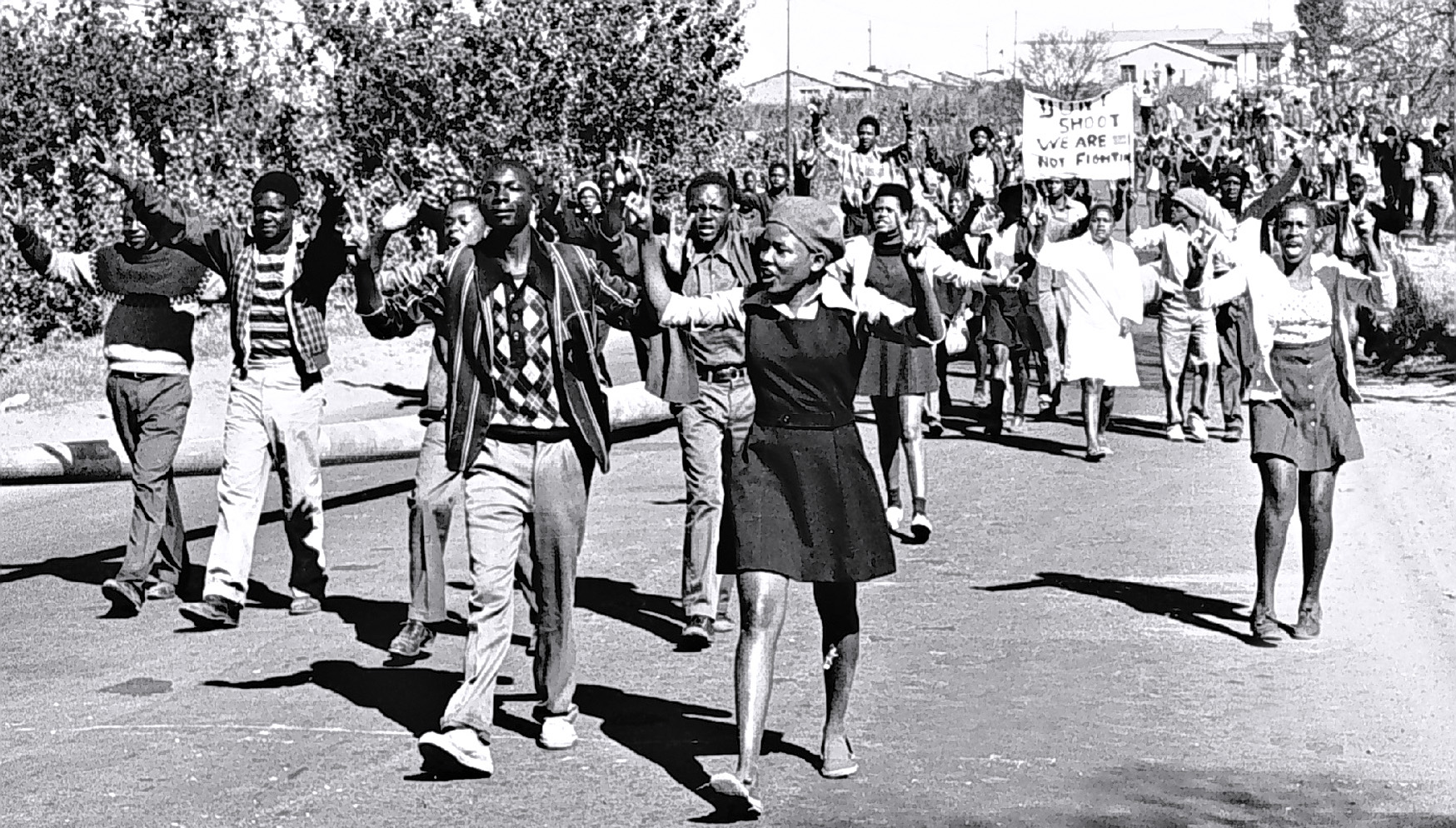
On June 16, 1976, thousands of school learners took to the streets to protest against the apartheid government's decision to enforce Afrikaans as a medium of instruction in all schools. What began as a peaceful demonstration soon turned into tragedy when police opened fire on the students. The images that emerged from that day shocked the world and became symbols of resistance against injustice.
One of the most recognisable images is that of 12-year-old Hector Pieterson being carried by fellow student Mbuyisa Makhubo while Hector's sister, Antoinette Sithole, ran beside them. The photograph captured a moment of unimaginable pain and became a powerful reminder of the price paid by young South Africans in the struggle for freedom.
Yet Youth Day is about far more than remembering a photograph or a moment in history. It is about remembering the courage of an entire generation of young people who refused to accept the limitations placed upon them. They believed their voices mattered. They believed they deserved a better future. Most importantly, they believed that education was worth fighting for.
Nearly fifty years later, South Africa is a very different country. Today's youth enjoy freedoms that the learners of 1976 could only dream of. They can attend schools of their choice, speak their minds freely, and pursue opportunities that were once denied to many. These freedoms were not given freely. They were earned through sacrifice, determination and courage.
However, this does not mean that today's young people are without challenges.
While the youth of 1976 fought against oppression, the youth of today face a different set of obstacles. Unemployment, poverty, substance abuse, crime, social media pressures and uncertainty about the future. In communities across South Africa, including our own De Kaap Valley, many young people are searching for opportunities, guidance and hope.
This is why Youth Day remains relevant.
The day should not simply be viewed as a historical commemoration. It should serve as a reminder of our collective responsibility towards the younger generation. We cannot honour the sacrifices of 1976 while ignoring the needs of today's youth. Remembering the past must inspire action in the present.
As parents, teachers, community leaders, business owners and citizens, we all have a role to play. We must encourage our young people to dream bigger, work harder and believe in themselves. We must create environments where they can learn, grow and succeed. We must listen to their concerns and help them navigate the challenges of a rapidly changing world.
Most importantly, we must teach them their history.
A nation that forgets its past risks losing sight of its future. The story of Youth Day is not merely a chapter in a history textbook. It is a lesson about courage, conviction and the power of young people to bring about change. Our children need to know that history is not something that happened to other people in another time. It was shaped by ordinary young South Africans who believed they could make a difference.
The learners who marched through Soweto nearly five decades ago left a legacy that continues to shape our country today. Their actions remind us that age is no barrier to leadership and that young voices can change the course of history.
As we celebrate Youth Day this year, perhaps the question is not only whether our children know why we celebrate it. Perhaps we should also ask ourselves what we are doing to ensure that the youth of today have the opportunities, support and encouragement they need to build on the legacy they have inherited.
Youth Day should not only remind us of where South Africa has been. It should challenge us to consider where our youth are going and that future is being shaped in our classrooms, homes and communities every single day.
𝓛𝔂𝓷𝓮𝓽𝓽𝓮.
 Naomi Roebert
 Mariana Balt
 Liz Thorne
 Anchen Coetzee




Comments ()