
Bornman family helped shape the De Kaap Valley
Among those early settlers were the Bornmans of Bornmans Drift, a family whose history became closely intertwined with the development of the Barberton district.
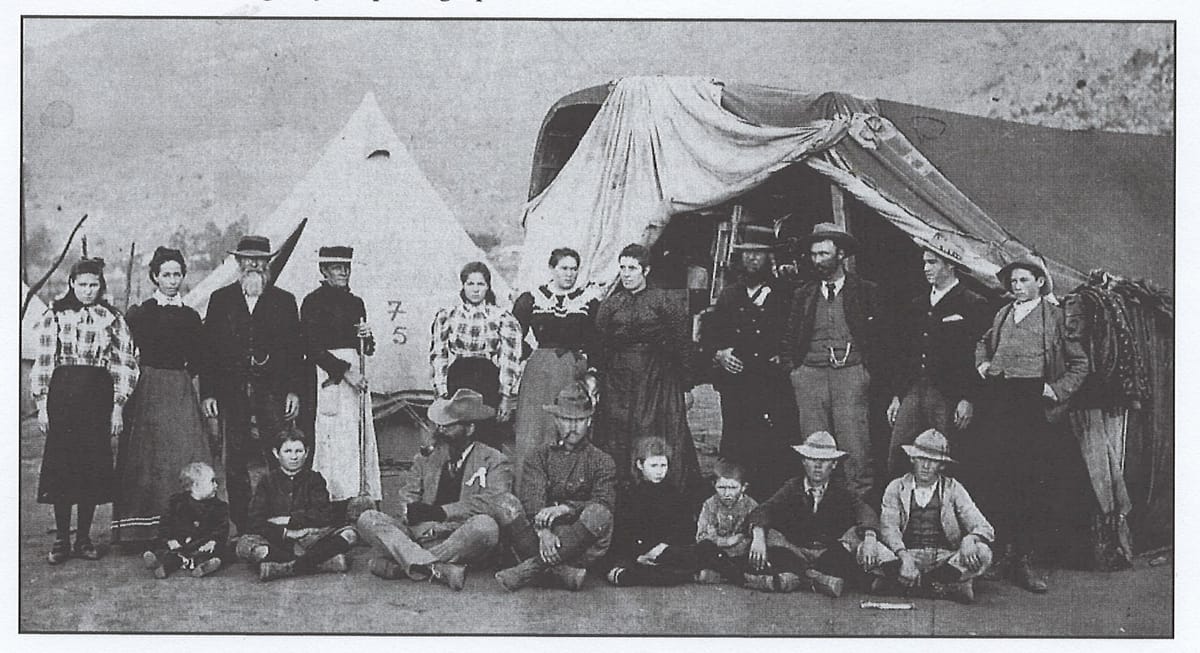


Long before modern roads, railways and established towns transformed the Lowveld, pioneering farming families laid the foundations of the De Kaap Valley’s agricultural community. Among those early settlers were the Bornmans of Bornmansdrift, a family whose history became closely intertwined with the development of the Barberton district.
The story begins with Myndert Jacobus Bornman (1851–1932), born in the Kroonstad district of the Free State. Farming was deeply rooted in the family’s heritage. His father served as a member of the Free State Volksraad for the Kroonstad division, while Myndert himself became a Field Cornet and established himself as a successful farmer of sheep, cattle and horses.
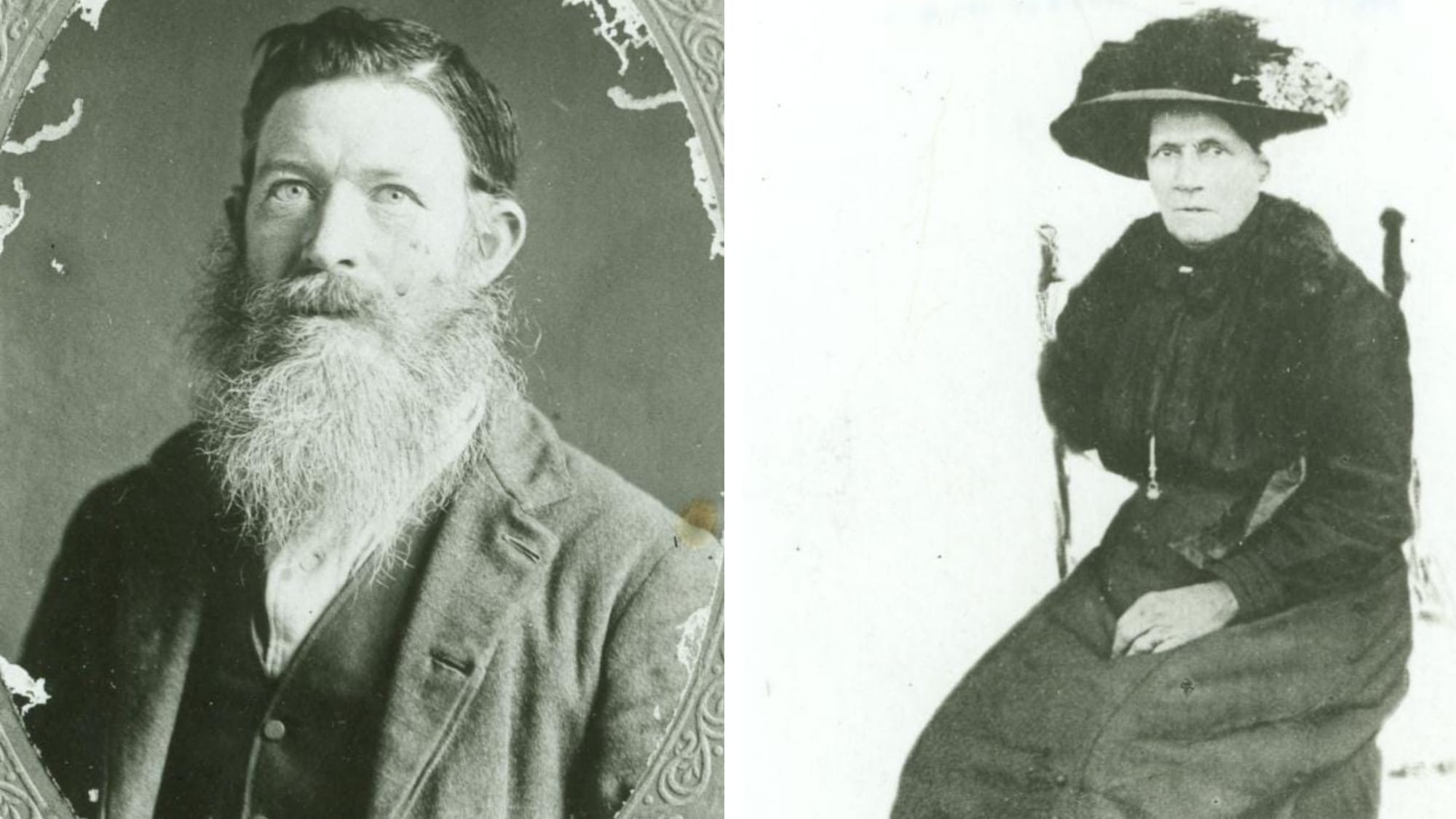
He married Martha Johanna Zacharya née Kilian (1852–1916), originally from Graaff-Reinet in the Cape Colony. Together they built a life around farming, first on the farm Stinkhoutboom between Viljoenskroon and Vrede and later on the farm Rietpan near what is today the Willem Pretorius Nature Reserve in the Free State.
Like many pioneer farmers of the era, the Bornmans experienced both hardship and opportunity. After disputes with neighbours and changing fortunes, Myndert sold Rietpan in 1883 and ventured northwards. For a short period, the family lived on the Witwatersrand, where an extraordinary twist of fate saw Myndert decline a farm because Martha feared disease after hearing of a scarlet fever death there. Some years later, the famed Crown Mines would be established on that very property.
The family later relocated to Middelburg where Myndert purchased the farm Vlakfontein, but difficult climatic conditions led to severe livestock losses. He subsequently tried his hand at gold prospecting at Kaapschehoop during the height of the Lowveld gold rush, although with little success.
Yet it was farming, not gold, that remained his true calling.
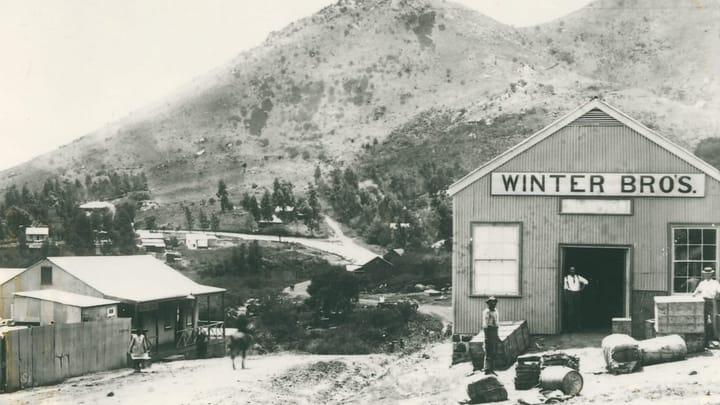
In 1886, during the turbulent early years of the Barberton gold rush, Myndert became one of the first pioneers to establish farming operations north of the South Kaap River. He named his farm Bornmans Drift after the river crossing on the property.
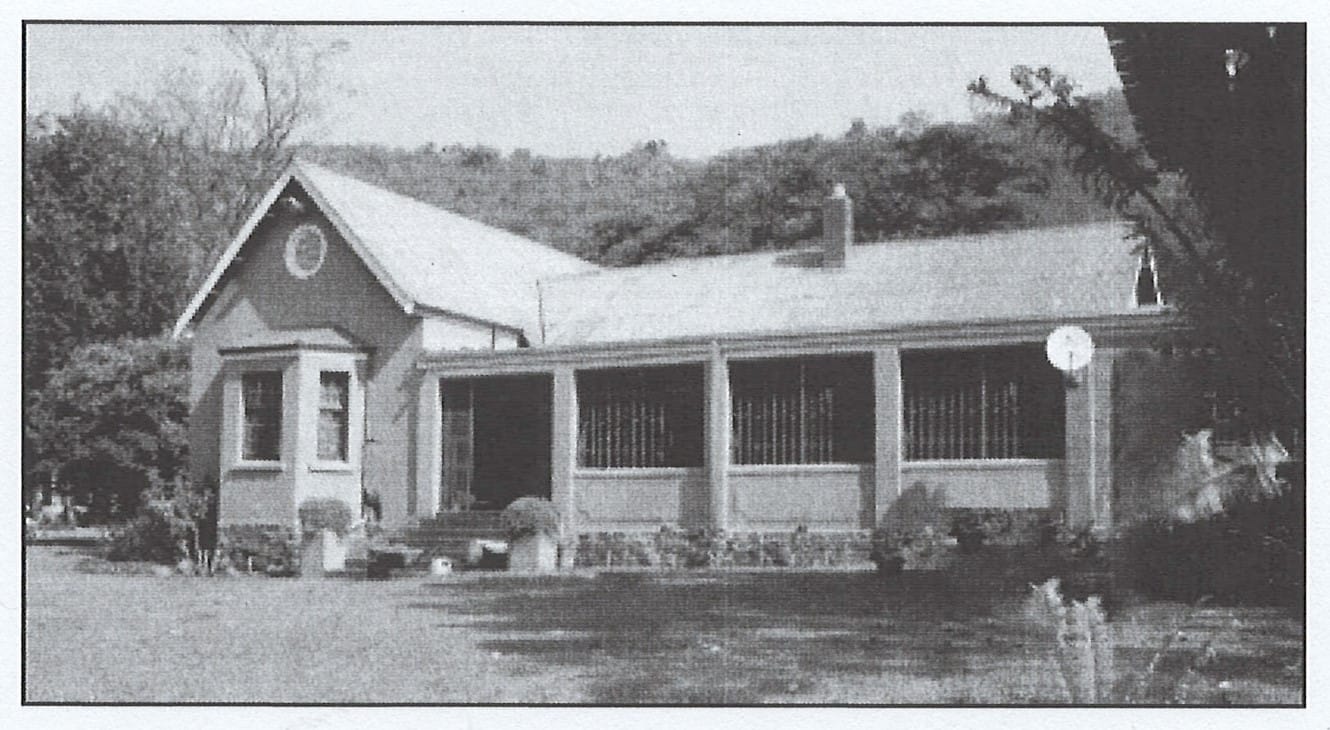
At the time, river drifts were critical transport crossings for ox wagons, transport riders, prospectors and traders travelling between Barberton, the Lowveld and the routes toward Mozambique. Bornmans Drift soon became both an important agricultural property and a well-known landmark in the district.
While thousands flocked to Barberton in search of gold, families like the Bornmans recognised the long-term agricultural potential of the fertile De Kaap Valley. Pioneer farmers played an essential role in supplying mining camps and growing settlements with meat, grain, vegetables and transport animals.
The Bornmans became closely connected with several other notable Lowveld pioneer families.
One of Myndert’s neighbours was Lauritz Hansen (1859–1929), a Danish immigrant and miller who also settled in the De Kaap Valley in 1886. Hansen initially tried gold prospecting before establishing the farm Daisy Koppie along the Queens River. He later developed an irrigation system from the South Kaap River and erected a water wheel in the Queens River to grind grain for surrounding farmers.
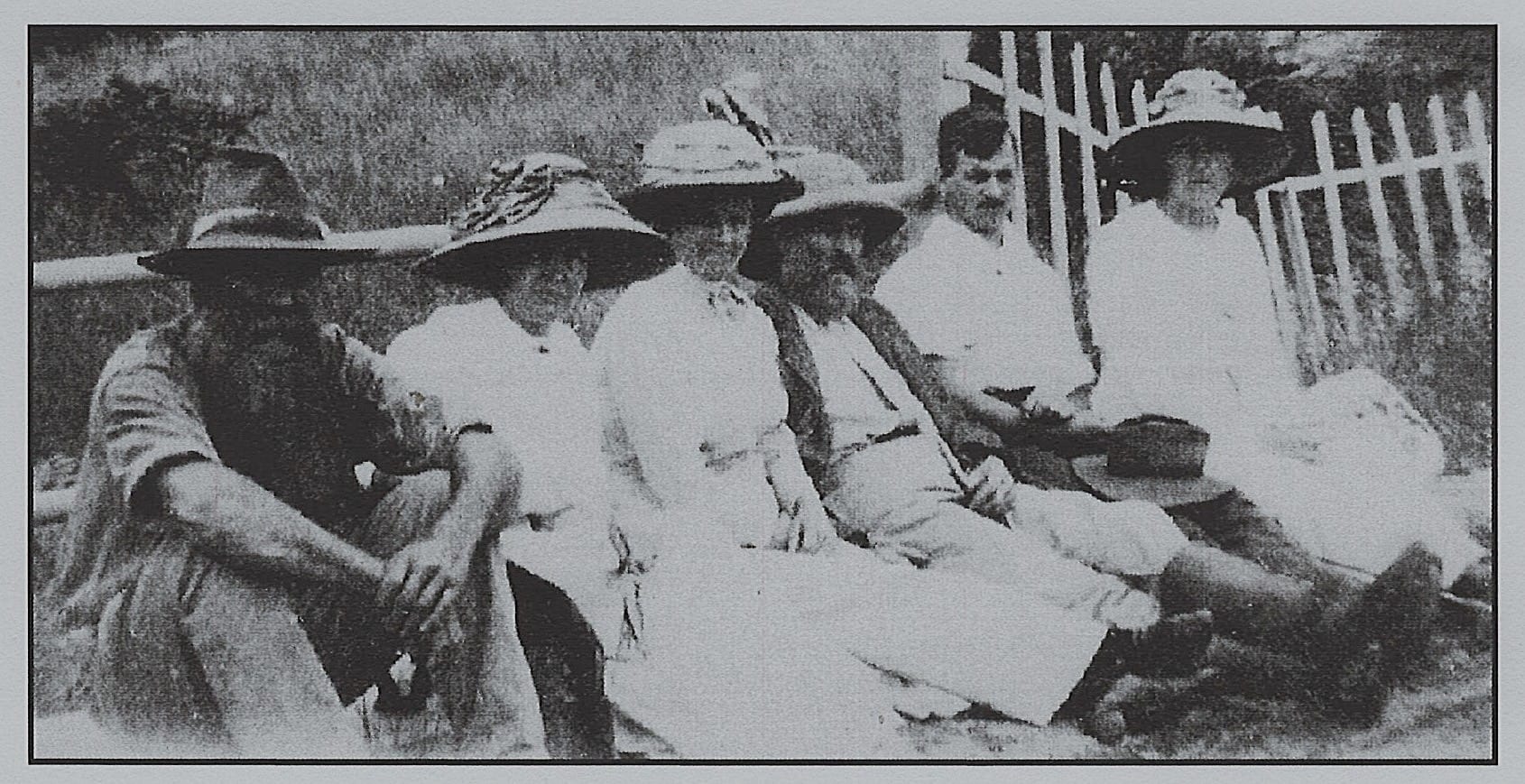
On December 5, 1895 Hansen married Gezina Johanna “Toetie” Bornman (1873–1931), the eldest daughter of Myndert Bornman. Another daughter, Annie Bornman (1874–1947), married transport rider Gert Ferreira (1864–1939), who worked the busy Barberton-Mozambique route during the gold rush era. Ferreira had arrived in Barberton in 1886 during the famous rush to the De Kaap Goldfields.
Myndert’s third eldest daughter, Martha Johanna Bornman (1877–1924), married Willem Jacobus Roux (1869–1937), a former prospector who later farmed on the neighbouring property Castle Kop. His youngest daughter, Doulina Bornman (1892-1974) married Jan Bosch (1883-1964) who bought the farm Brooklyn, 4 km northwest of Barberton. He became the dip-inspector at Barberton, and also worked at Hectorspruit and Komatipoort.
Through marriage and farming ties, the Bornman family became part of the broader network of pioneering Lowveld settlers who helped establish permanent communities in the region.
The outbreak of the Anglo-Boer War in 1899 dramatically altered life in the De Kaap Valley. As British forces advanced eastwards, Barberton became an important refuge for Boer women and children evacuated from Pretoria, Johannesburg and Highveld farms. More than 40 trainloads of civilians were eventually transported to Barberton. A large Boer women’s camp, known as the “Boere Vrouekamp”, was established near the present-day Barberton Hospital.
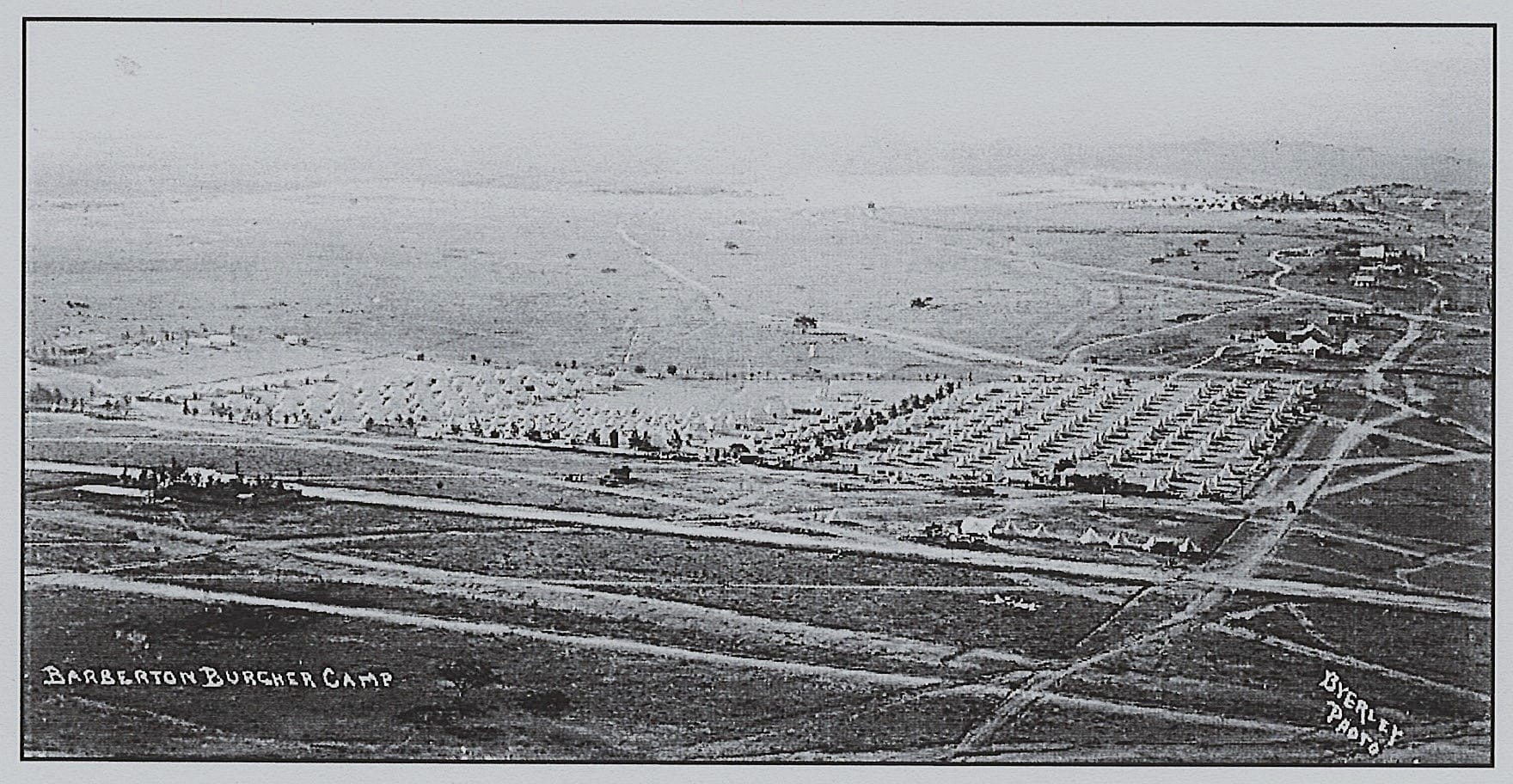
Realising the dangers posed by the advancing war, Myndert Bornman moved into the camp with three wagons. Several members of the extended Bornman and Kilian families also sought shelter there.
When British forces under General French entered Barberton on September 14, 1900, the town was reportedly occupied without a single shot being fired. The war years deeply affected the pioneering farming community, disrupting transport routes, agriculture and trade throughout the region.
After the war, the Bornman family remained firmly rooted in the Barberton district.
Myndert’s son, Cornelis Johannes “Nolsie” Bornman, born in Barberton on February 22, 1888, entered into partnership with his father under the name Bornman & Son.
In 1916 Nolsie established his own farm, Ons Tuine, where he practised diversified farming producing citrus, cotton, tobacco, snuff and winter vegetables while also raising beef cattle. He became a respected figure in the district, serving for 30 years on the Road Board and more than 25 years on the Liquor Board.
Nolsie married Rachel Margaretha Uys and later Mary Marjorie Steele. His descendants continued the Bornman presence in the Barberton district for generations. Nolsie and Rachel had one son, Petrus Johannes Uys (1920-1994). He married Maria (Miemie) Johanna Van Niekerk (1912-2010) and they had three children, Annelies, Lalie and Hantie.
Today, the story of the Bornman family forms part of the broader heritage of the De Kaap Valley, a reminder that Barberton’s history was shaped not only by miners and prospectors, but also by pioneering farming families who saw opportunity in the fertile valleys surrounding the goldfields.
Their legacy remains woven into the landscape of the Lowveld, where farms, family names and old transport routes still echo the determination and resilience of those early settlers.
 Lynette Spencer
 Naomi Roebert
 Anchen Coetzee
 Mariana Balt
 Anchen Coetzee
Comments ()