
🎥 Beat the Barberton sun with a DIY shade-net tunnel
Barberton’s summer heat can be tough on vegetables, but a simple shade-net tunnel can make all the difference.
🔴 Have you read this article yet?
 Jeannetta Neethling
Barberton is known for its beauty, but it is also known for its heat. Summer days in the De Kaap Valley can be relentless, and while sunshine is good for many crops, it can sometimes be too much of a good thing.
Many home gardeners know the frustration of watching young seedlings wilt, lettuce bolt, or tomato plants burn under the intense midday sun. Watering more often is not always the answer, as moisture evaporates quickly and plants still suffer from heat stress.
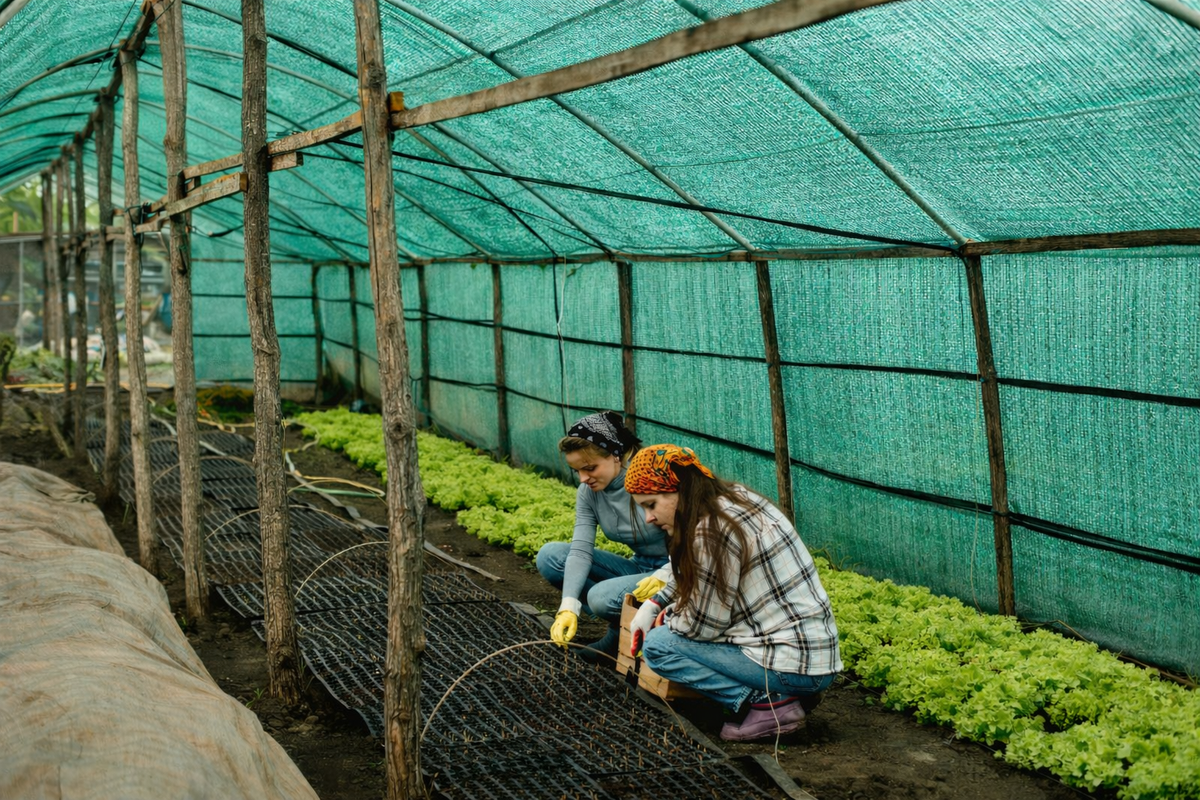
Fortunately, there is a simple and affordable solution: a shade-net tunnel. With a few basic materials and a free afternoon, almost anyone can build a small protective structure that helps vegetables thrive in Barberton’s climate.
A shade-net tunnel works by filtering the sunlight instead of blocking it completely. The net reduces the intensity of the sun’s rays, lowers soil temperature and slows down evaporation. This creates a gentler growing environment where plants can establish strong roots and healthy leaves.
Unlike traditional greenhouses, which can be expensive and sometimes too hot for local conditions, shade-net tunnels are inexpensive, easy to build and well suited to the Lowveld climate.
One of the biggest advantages is that most of the materials are easy to find at local hardware stores, agricultural suppliers or even online. For a small tunnel, you will need:
- Shade net (preferably 30% to 50% shade)
- PVC pipes or electrical conduit
- Wooden or steel stakes
- Cable ties or strong wire
- Basic tools such as a hammer and tape measure
To build the tunnel, start by choosing a level, well-drained area that receives good morning sun. Mark out the size of your tunnel. A practical size for most home gardens is about one to one-and-a-half metres wide and three to six metres long. This is large enough to grow a useful amount of vegetables, but still small enough to manage easily.
Next, hammer stakes into the ground in pairs along both sides of the bed. The distance between each pair should be about one to one-and-a-half metres. These stakes will hold the arches that form the tunnel frame.
Slide the ends of the PVC pipes over the stakes and bend them gently to form arches across the bed. Once all the arches are in place, the structure will resemble a simple tunnel frame.
Drape the shade net over the arches and pull it tight. Use cable ties, wire or strong string to secure the net to the frame. Make sure it is fastened well enough to withstand wind, but still easy to remove if needed.
At ground level, secure the edges of the net with soil, bricks, stones or tent pegs. This helps keep the structure stable and prevents wind from lifting the net.
The result is a simple, practical tunnel that protects your crops from the harshest sun while still allowing in light and air.
Many vegetables grow exceptionally well under shade net in Barberton. Leafy greens such as lettuce, spinach and Swiss chard benefit greatly from the reduced heat, as they are less likely to bolt or become bitter. Spring onions, beetroot and carrots also perform well in these conditions.
Fruit-bearing plants such as tomatoes, peppers and beans can also thrive under partial shade, especially during the hottest months. Herbs like parsley, coriander and basil often last much longer under shade net than in direct sun.
Watering is still important, but a shade-net tunnel helps reduce how often it is needed. Gardeners can improve water retention even further by adding a layer of mulch. Dry grass, leaves or bark chips placed around the base of the plants help keep the soil cool and moist.
Watering early in the morning or late in the afternoon also reduces evaporation and gives plants time to absorb moisture before the heat of the day. For those who want to go a step further, a simple drip irrigation line can be installed inside the tunnel. This uses very little water and delivers moisture directly to the roots, where it is needed most.
A shade-net tunnel does not have to be large or complicated. Even a small structure can produce a steady supply of fresh vegetables for the kitchen. Over time, gardeners can expand their tunnels or build additional ones as needed.
In a town like Barberton, where the climate can be both a blessing and a challenge, simple solutions like this make a real difference. Growing your own vegetables not only saves money, but also encourages healthier eating and greater self-sufficiency.
A small shade-net tunnel in the backyard can become the start of a productive garden, a family project, or even a small home-based income. It is a reminder that with a bit of creativity and effort, the Barberton sun can work for you, not against you.
🔴 Have you read these articles yet?
 Jeannetta Neethling
 Tessa Vaughn


Comments ()