
When distant wars reach our petrol pumps
Recent tensions and military conflict involving Iran, Israel, and the United States have once again reminded the world how closely global events and local economies are connected.
For many South Africans, global conflicts often feel far away. The names of distant cities appear in international headlines, television footage shows places most of us will never visit, and the political complexities seem removed from everyday life.
Yet sometimes events unfolding thousands of kilometres away quietly reach into our daily routines in unexpected ways.
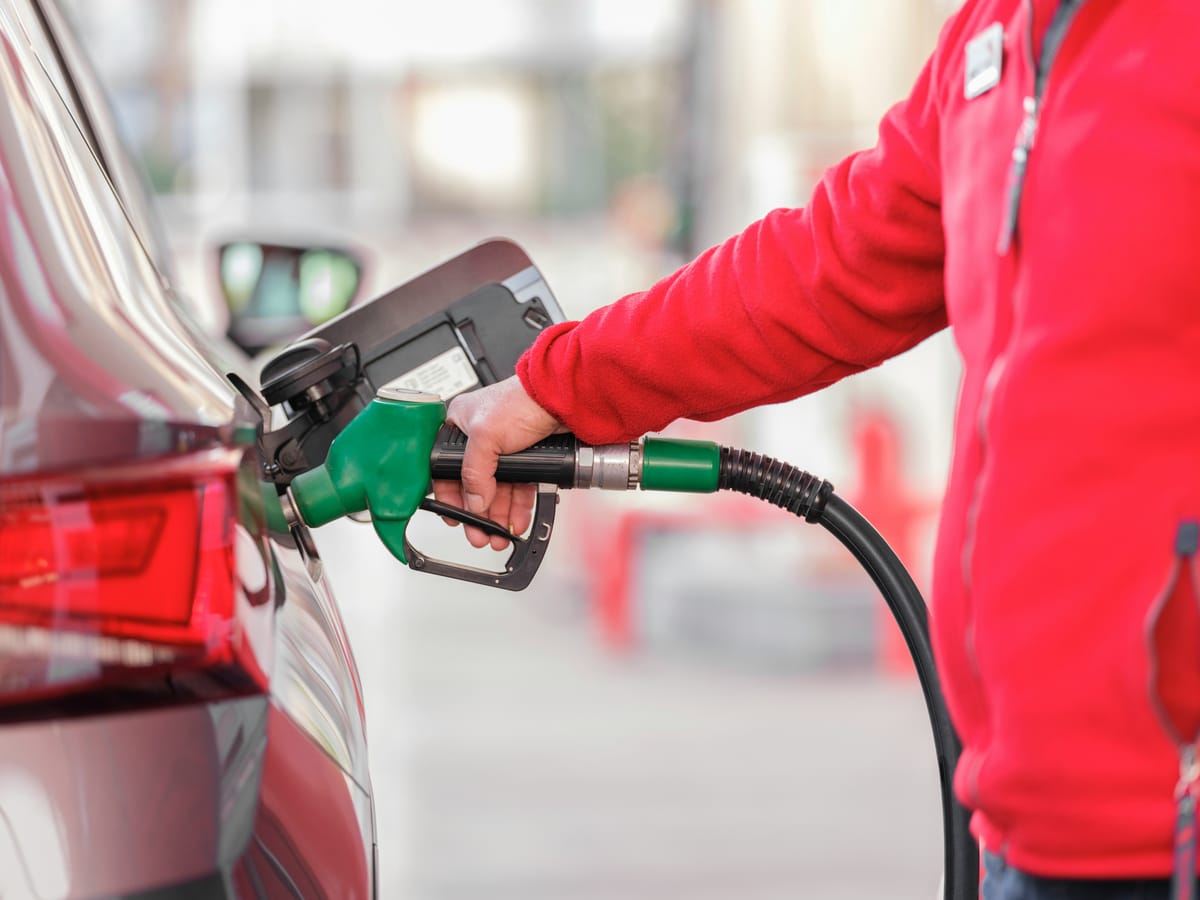
One of the most immediate examples is the price we pay at the petrol pump.
Recent tensions and military conflict involving Iran, Israel, and the United States have once again reminded the world how closely global events and local economies are connected. While the conflict itself is taking place in the Middle East, the ripple effects can quickly be felt in countries as far away as South Africa.
For ordinary motorists filling their tanks each week, the connection may not always be obvious, but it exists.
The link between war and oil
Modern economies rely heavily on oil. Petrol, diesel, aviation fuel and many other products are derived from crude oil, which is traded on a global market. A large portion of the world’s oil supply originates from countries in the Middle East. When tensions escalate or military conflict threatens the stability of that region, markets immediately react.
Traders begin to worry about possible disruptions to supply. Shipping routes may become unsafe. Oil facilities could be damaged or closed. Production might slow down. Even the risk of disruption can push global oil prices upward. When this happens, the effects travel quickly across international markets.
Why South Africa feels the impact
South Africa does not produce enough crude oil to meet its own fuel demand. Instead, the country imports large quantities of oil, which are refined into petrol and diesel locally. This means that when global oil prices rise, South Africa is directly affected.
Another factor also comes into play: the value of the South African rand compared to the US dollar. Oil is traded internationally in dollars. If oil prices increase while the rand weakens against the dollar, the cost of imported fuel rises even further. The result is something most South Africans are very familiar with, higher petrol and diesel prices.
The ripple effect through everyday life
Fuel price increases rarely stop at the petrol station. Once the cost of transport rises, the impact spreads through the wider economy. Farmers rely on diesel for tractors and machinery. Transport companies use trucks to move goods across the country. Supermarkets depend on deliveries to keep shelves stocked.
When fuel costs rise, businesses often face higher operating expenses. Those costs may eventually filter through to consumers in the form of higher prices. In practical terms, this means that something happening on the other side of the world can influence the cost of everyday necessities.
Food prices, transport fares and delivery costs can all be affected.
The hidden route of global oil
One of the most strategically important areas in global oil trade is the Strait of Hormuz, a narrow shipping channel connecting the Persian Gulf to the open ocean.
A significant portion of the world’s oil supply passes through this route each day. Because of its importance, any tension or military activity in the region immediately raises concerns about global energy supply. If shipping routes are threatened or temporarily closed, the effect on oil markets can be dramatic. Even rumours or uncertainty can send prices climbing.
What it means for South African households
For South African families already navigating a challenging economic environment, rising fuel prices can add another layer of pressure. Commuters who travel long distances to work may see their monthly transport budgets increase.
Small businesses that rely on deliveries may face tighter margins. Holiday travel plans may be reconsidered and even everyday errands can begin to feel more expensive.
Many households respond by adjusting their routines: combining trips, carpooling where possible, or simply driving less. These small changes are often the quiet ways communities adapt to global economic shifts.
Understanding a connected world
In today’s interconnected global economy, few countries are completely isolated from international events. A conflict in one region can influence financial markets in another. Political decisions made thousands of kilometres away can affect commodity prices worldwide.
The price of oil is one of the clearest examples of this global connection. While South Africans may feel far removed from geopolitical tensions in the Middle East, the economic consequences can still reach local petrol pumps within weeks.
Events like these serve as a reminder that the modern world is deeply interconnected. Energy, trade, transport and finance form a complex network that links countries together in ways that are often invisible in everyday life.
When tensions rise in major oil-producing regions, the effects travel across oceans and continents. Eventually, they reach the point where an ordinary driver fills up their car. In that moment, a distant conflict becomes something far more tangible. It becomes the price displayed on the petrol pump.



Comments ()