
What every Lowveld resident should know about snakes in the region
Snakes are part of life in the Lowveld, but do you know what to do if you encounter a puff adder, black mamba or spitting cobra in your home?
🔴 Have you read these articles yet?
 Naomi Roebert
 Naomi Roebert
Living in the Lowveld means living close to nature. In Barberton and the greater De Kaap Valley, this natural beauty includes a variety of snake species. While sightings can be alarming, especially when they occur in gardens or homes, understanding the snakes commonly found in our area, and knowing how to respond safely, can prevent unnecessary panic and potentially save lives.
Snakes play a vital role in our ecosystem. They help control rodent populations and contribute to ecological balance. However, some species found in the Lowveld are venomous and require serious caution.
Some of the common venomous snakes in the Barberton area are:
Mozambique Spitting Cobra (locally known as “mfesi”)
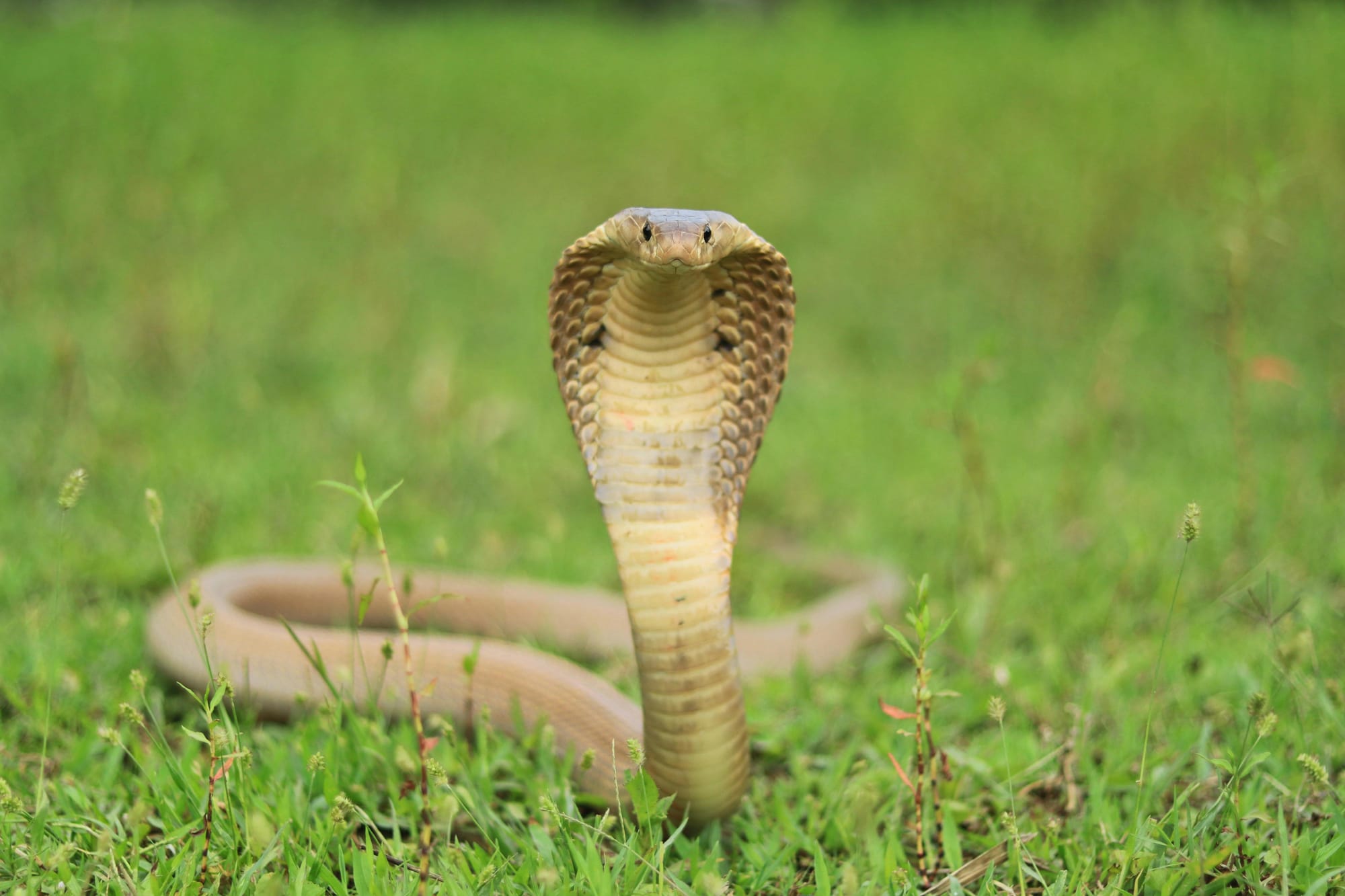
This is one of the most frequently encountered venomous snakes in the Lowveld. It is typically brown to olive in colour and often found near water sources, gardens, or areas where frogs and rodents are present.
The Mozambique spitting cobra is primarily nocturnal and is known for its ability to accurately spit venom up to three metres. The venom can cause intense pain and tissue damage, and if it enters the eyes, it can cause temporary or even permanent blindness without immediate treatment.
Puff Adder
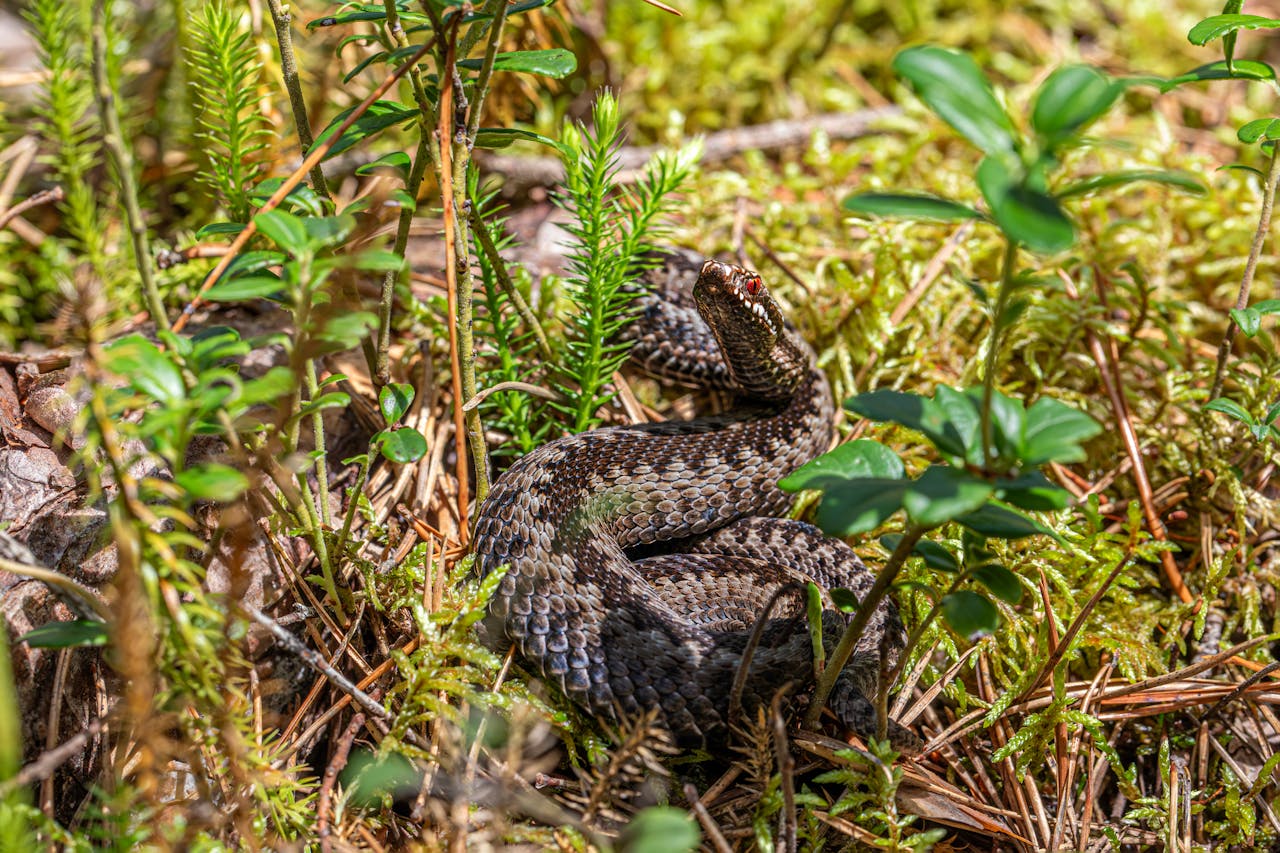
The puff adder is thick-bodied, well camouflaged, and often found in gardens, veld areas, and along footpaths. It relies on camouflage rather than fleeing and is responsible for many snakebite incidents in South Africa. Its venom can cause severe swelling, pain, and tissue damage. Because it is slow-moving and easily stepped on, accidental encounters are common.
Black Mamba
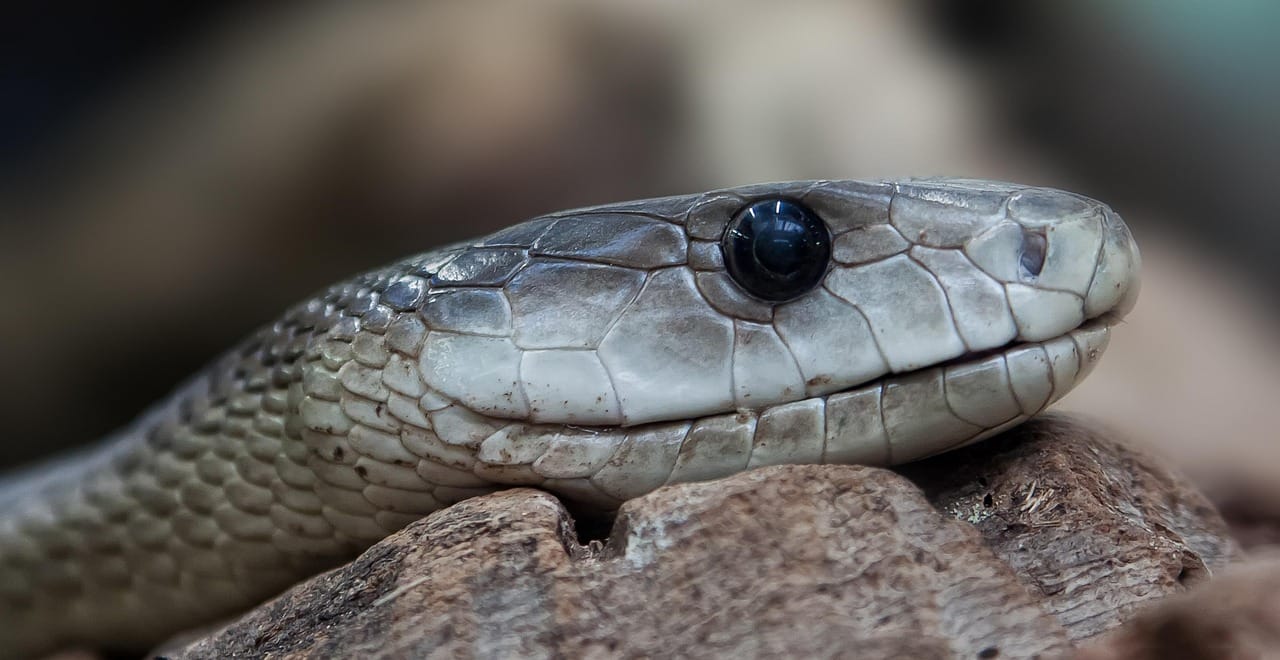
Despite its name, the black mamba is grey to olive in colour. The name refers to the black interior of its mouth. It is fast, alert, aggressive and highly venomous. The venom affects the nervous system and requires urgent medical treatment. Although feared, black mambas generally avoid human contact and will retreat if given the opportunity.
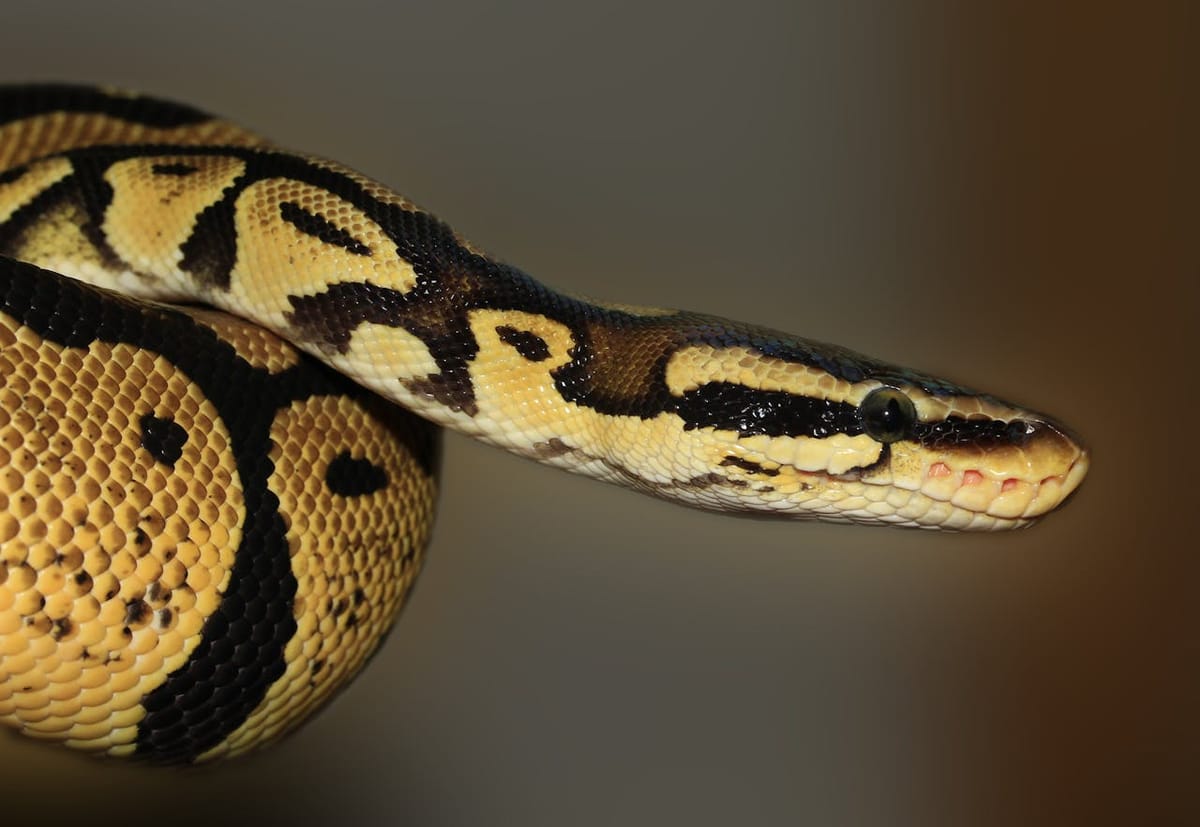
However, not all snakes in the Lowveld are dangerous. Species such as the brown house snake, mole snake, herald snake, bush snake, and even the occasional python are non-venomous.
These snakes are beneficial and assist in controlling rodent populations. The Southern African python, although large and intimidating, is not venomous and is a protected species.
If you should find a snake in your home it is very important that you remain calm. That is not the easiest thing to do, but it might just safe you from a bite. Most snakebites occur when people attempt to kill or handle a snake.
• Keep children and pets away from the area.
• If possible, isolate the snake by closing the room.
• Maintain visual contact from a safe distance.
• Contact a trained snake handler for safe removal.
Residents in Barberton often make use of local snake removers. Some local security companies have staff trained to assist with snake relocations. Community WhatsApp or Facebook groups can also help connect residents with reputable handlers.
If a spitting cobra manages to spray venom into your eyes, immediately rinse the eyes with large amounts of clean water. Blink repeatedly while rinsing and do not rub the eyes. Seek medical attention as soon as possible. Prompt flushing significantly reduces the risk of permanent damage. The same apply if your pet gets venom in the eye, which is a common occurrence. Rinse it immediately with running water for as long as possible.
If you are bitten it is extremely important to stay as calm as possible.
Panic increases heart rate and spreads venom faster. Keep the bitten limb immobilised and at heart level. Remove rings, watches, or tight clothing near the bite site, and seek medical attention immediately.
Do NOT:
• Cut the wound;
• Attempt to suck out the venom;
• Apply ice;
• Use a tourniquet;
• Consume alcohol.
Medical professionals are trained to manage snakebite cases, and in severe cases anti-venom may be required.
There are a few practical steps residents can take to reduce the likelihood of snake encounters:
• Keep grass short and gardens tidy;
• Remove piles of wood, rubble, or debris;
• Seal gaps under doors;
• Control rodent populations;
• Ensure adequate outdoor lighting.
Snakes are generally not aggressive and will avoid confrontation when possible. In a region as naturally rich as Barberton, encounters are part of living close to the bush. Education, awareness, and calm action are the keys to safe coexistence.
By understanding which species are venomous, knowing what to do in an emergency, and respecting wildlife, residents can feel more confident and prepared when facing one of the Lowveld’s most misunderstood creatures.
🔴 Have you read this article yet?
 Lynette Spencer
 Lynette Spencer

Comments ()