
What every family should know about gas safety at home
Gas is safe, efficient and reliable when used correctly.
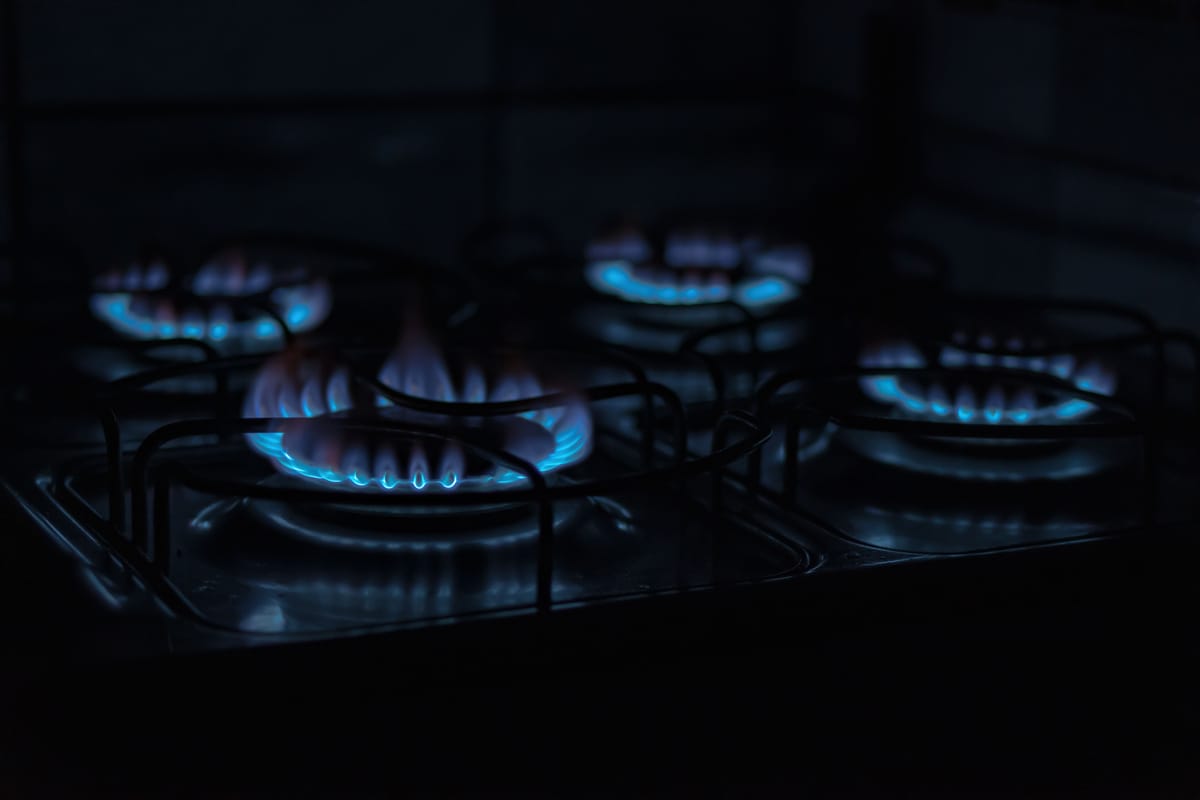

Gas has become a familiar part of many South African homes and businesses. From cooking and heating water to keeping rooms warm during winter, it offers convenience and reliability. Like any energy source, however, it needs to be used responsibly.
Modern gas systems are generally safe when correctly installed and maintained. Problems are more likely to arise from poor installations or warning signs that are ignored. One of the most important things homeowners can do is recognise when something is wrong. A strong gas smell, often compared to rotten eggs, is an obvious warning sign.
Other warning signs may include:
• Hissing sounds near gas pipes or cylinders
• Pilot lights that repeatedly go out
• Yellow or orange flames instead of steady blue flames
• Excessive soot around gas appliances
• Appliances that are no longer operating as efficiently as usual.

Ventilation is equally important. Gas appliances need adequate airflow, particularly in kitchens, enclosed entertainment areas and rooms where gas heaters are used. Vents should never be blocked.
Gas cylinders should be kept upright, protected from excessive heat and positioned according to safety requirements. Cylinders, hoses and connections should also be checked periodically for wear, corrosion or damage.
Regular maintenance can identify worn components or deteriorating seals before they become a bigger problem. This is particularly important for restaurants, guest houses and other businesses where gas appliances are used extensively.
If you suspect a gas leak:
• Avoid electrical switches, flames or anything that could create a spark
• Open doors and windows if it is safe to do so
• Turn off the gas supply at the cylinder or isolation valve
• Move away from the affected area if necessary
• Contact a registered gas practitioner.
Never attempt to locate a gas leak using an open flame
Gas installations should always be carried out by qualified professionals who understand the requirements for pipework, ventilation, appliance placement and safety testing. A compliant installation should also have the necessary Certificate of Conformity.
With correct installation, sensible use and regular maintenance, gas can remain a convenient and dependable part of everyday life.





Comments ()