
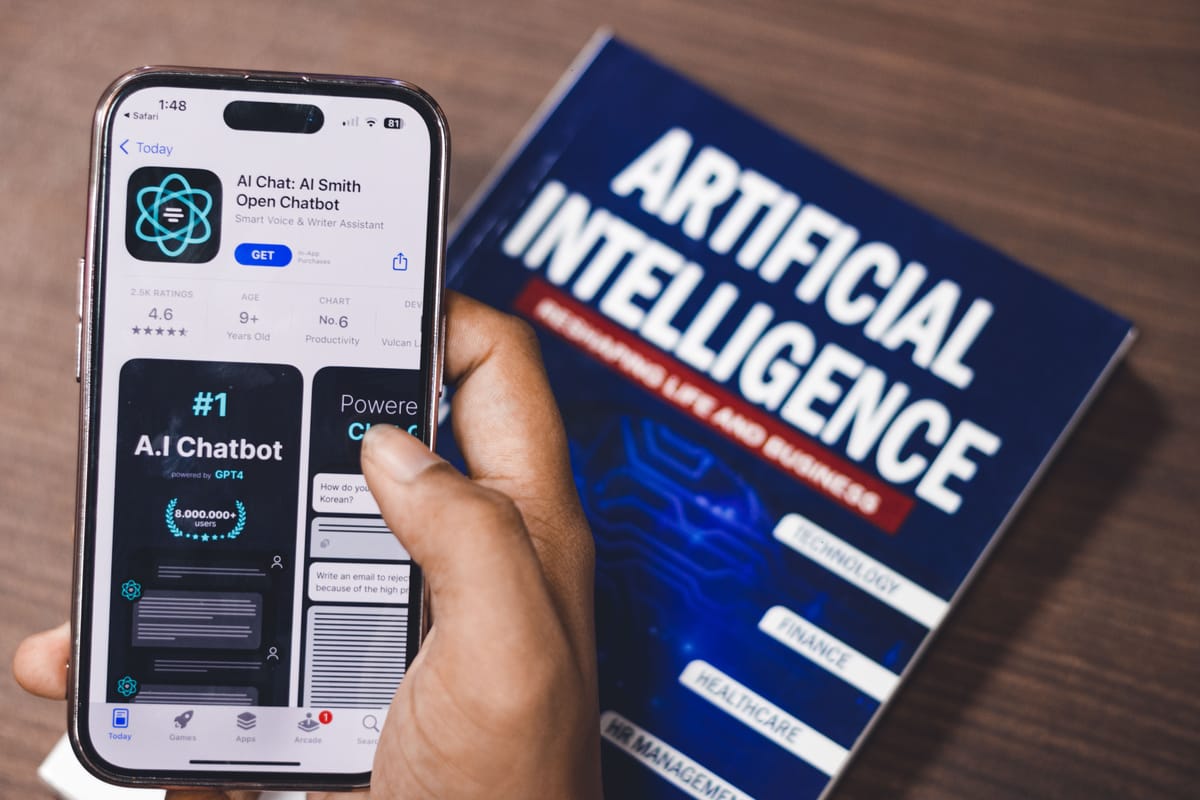
For many people, AI still feels like something from a science fiction movie, surrounded by technical language and complicated explanations.

Artificial intelligence, better known simply as AI, seems to be everywhere these days. It writes emails, answers questions, creates artwork, recommends what to watch next and even helps doctors analyse medical scans. Yet for many people, AI still feels like something from a science fiction movie, surrounded by technical language and complicated explanations.
The truth is that artificial intelligence is far less mysterious than many people think. In simple terms, AI is computer software that has been designed to learn from information and make decisions or predictions in a way that resembles human thinking. It does not think or feel like a person, nor does it possess common sense or emotions. Instead, it recognises patterns, processes enormous amounts of information and produces results based on what it has learned.
Most people already use AI every day without even realising it. When a smartphone suggests the next word while typing a message, AI is at work. When a navigation app finds the quickest route around traffic, artificial intelligence is analysing thousands of pieces of information in real time. Streaming services recommend films based on previous viewing habits, online stores suggest products customers may like, and banks use AI systems to detect unusual transactions that could indicate fraud.


The technology has become increasingly useful in everyday life. Students use AI to help explain difficult concepts, although it should never replace genuine learning. Businesses rely on it to improve customer service, answer common enquiries and organise large amounts of information. Farmers are beginning to use AI to monitor crops and livestock, while healthcare professionals are finding new ways to use it to identify illnesses earlier than ever before.
Despite these benefits, AI also has limitations. It can only work with the information it has been given and it can sometimes produce incorrect or misleading answers. This is why experts encourage people to verify important information, particularly when it relates to health, legal matters or finances. Artificial intelligence should be seen as a helpful assistant rather than an unquestionable authority.
Privacy is another important consideration. Many AI tools process information that users provide, so it is wise to avoid entering sensitive personal details, passwords, banking information or confidential business documents unless users fully understand how that information will be stored and used.
One of the greatest misconceptions is that AI will replace every job. History suggests otherwise. New technologies have always changed the way people work, but they have also created new opportunities. While some routine tasks may become automated, skills such as creativity, empathy, communication, leadership and critical thinking remain uniquely human and continue to be highly valued.
For communities such as Barberton and the greater De Kaap Valley, AI can become a practical tool rather than something to fear. Local businesses can use it to draft advertisements, improve customer communication and manage social media. Teachers can use it to prepare lesson ideas. Community organisations can simplify newsletters and event planning, while residents can use it to learn new skills, plan holidays, organise household budgets or even discover new recipes.
Like any tool, artificial intelligence is neither good nor bad on its own. Its value depends on how people choose to use it. Those who take the time to understand the basics are likely to find that AI is less about replacing people and more about helping them work smarter, solve problems more efficiently and free up time for the things that matter most.
As artificial intelligence continues to become part of daily life, the best approach is not to fear it or ignore it, but to learn enough about it to use it wisely. After all, understanding the technology is often the first step towards making it work for you rather than against you.
Artificial intelligence is no longer something reserved for scientists and technology experts. Understanding the basics can help anyone use this rapidly growing technology safely, confidently and to their advantage.




Comments ()