
The notorious Chute: Barberton’s most dangerous road
Before tar roads and mountain passes, the journey into Barberton meant facing the dreaded Chute, a five-kilometre descent so steep that wagons had to be dismantled to get down.
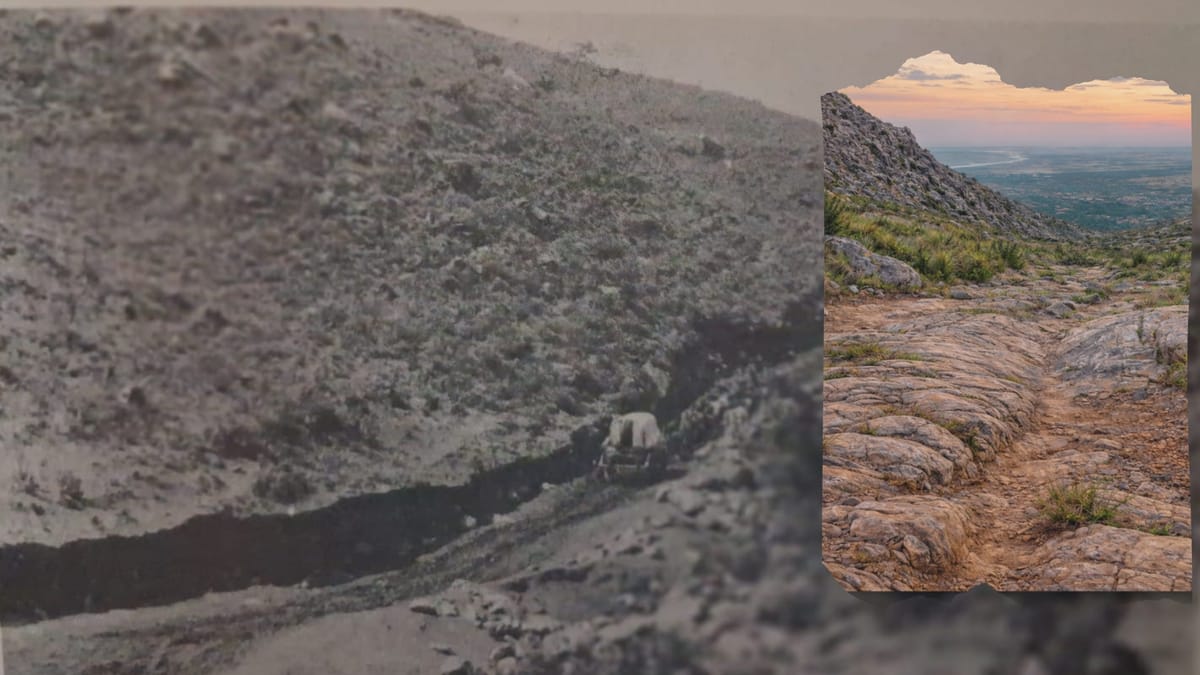
Long before the smooth tar of the R38 carried travellers safely over the mountains, the journey into Barberton was a test of nerve, strength and endurance. In the early gold-rush years of the 1880s, one of the most feared sections of road into the mining town was a steep mountain descent simply known as the Chute.
For transport riders hauling supplies from Natal into the De Kaap Valley, the Chute was a place spoken of with equal parts dread and relief, dread for what lay ahead, and relief once it was safely behind them.
When gold was discovered in Barberton in 1884, thousands of prospectors, traders and fortune-seekers flooded into the area. But the new gold town had a major problem, it was almost impossible to reach.
There were no proper roads over the mountains. One of the main supply routes from Natal ran from Badplaas through Jambila and down the steep escarpment into the De Kaap Valley. Along this route lay the Chute, a treacherous descent that quickly became legendary among transport riders.
The Chute formed part of what was known as the old Natal Road, the main lifeline between the coast and the goldfields. Without it, Barberton’s early mining boom would have been impossible.
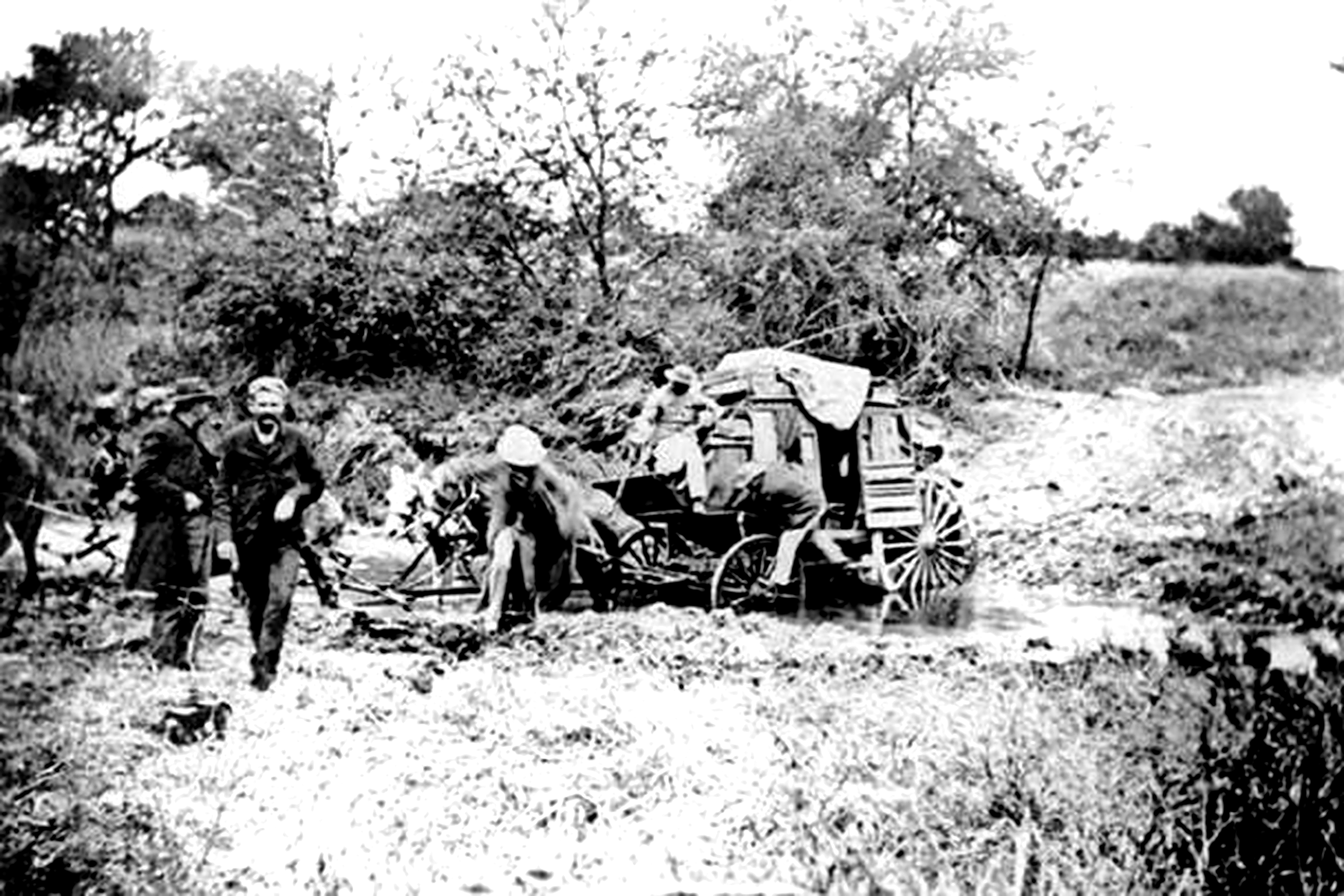
The Chute itself stretched for roughly five kilometres down the mountainside, dropping dramatically into the valley below. The gradient was so steep in places that wagons risked running out of control.
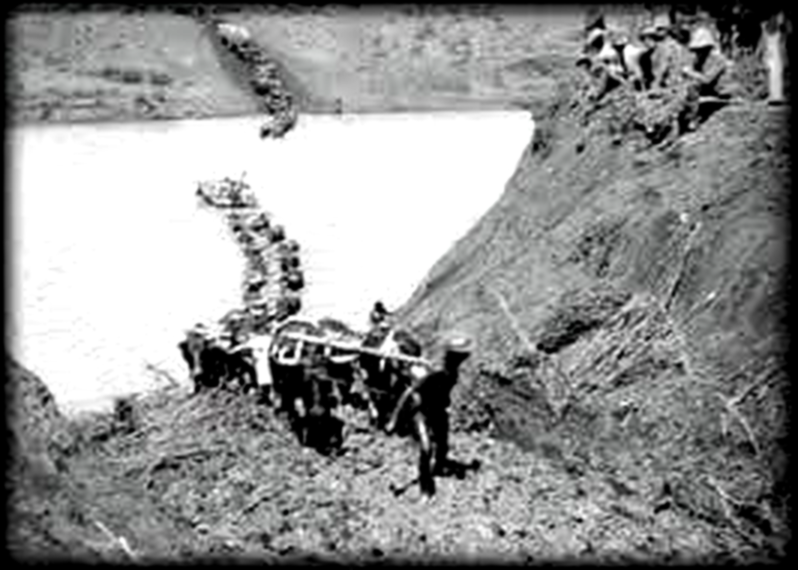
Transport riders described the route as a nightmare of, sheer descents, loose rocks, narrow tracks and you could often see broken wagons scattered along the mountainside.
Near the top was the section known as the dreaded Chute, where even the strongest spans of oxen struggled. At the bottom was another hazardous stretch called the Slide, slightly less steep but still dangerous. Depending on the weather and traffic, wagons could take days, sometimes even weeks, to get through this stretch.

The steepness of the Chute meant that transport riders often had to resort to extraordinary measures to get their wagons down safely. Common practices included locking the wheels with chains or branches, dragging the wagon slowly down the slope or using ropes to control the descent. Many times they had to offload the goods and carrying them down separately. In some cases, it meant dismantling parts of the wagon itself.
The journey demanded patience, muscle and courage. Deep ruts cut into the rock by iron-rimmed wheels can still be seen in some places today, silent reminders of the struggle to supply the goldfields.
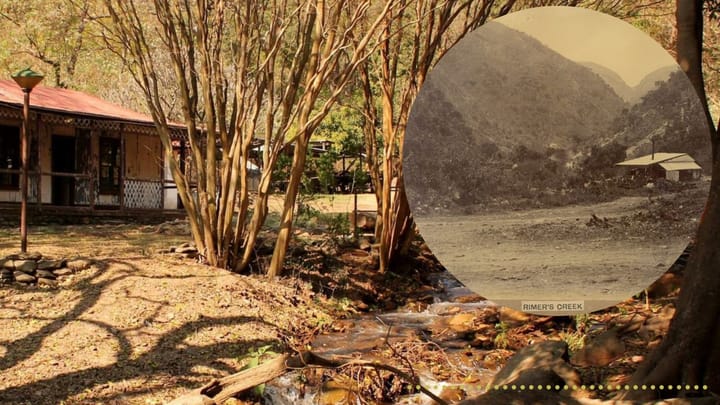
After the nerve-wracking descent, transport riders reached the bottom near a small stream that became known as Gin Creek.
Local stories say the name came from an incident where a wagon carrying bottles of gin lost part of its load, which smashed in the creek. Another version suggests that transport riders celebrated their survival by refilling their gin bottles at a nearby hotel.
At the foot of the Slide stood Jenkinson’s Hotel, a welcome refuge for exhausted men and animals alike. Here, transport riders could rest after the dangerous journey, repair damaged wagons, feed and water their oxen, and most important, enjoy a much-needed drink.
Given the rough conditions and the culture of the gold-rush era, gin was never far from the stories of early Barberton.
Despite its dangers, the Chute was an essential artery into Barberton during the height of the gold rush. Historical records suggest that as many as 3,000 wagons per month used the route at its peak. Travellers could pass hundreds of wagons in just a few days and congestion sometimes meant delays of weeks. Through the Chute came everything the gold town needed: mining equipment, food supplies, building materials, mail and news, and thousands of hopeful diggers.
The route was dangerous, but it was also the road that built Barberton. By the early 1900s, the need for safer and more reliable transport routes became clear. Gradually, improved roads were built over the mountains.
The construction of a road over the pass in the 1920s finally replaced the old wagon route and made the descent into Barberton far less hazardous. With that, the era of the Chute came to an end.
Today, modern motorists cross the mountains in comfort, often unaware of the perilous journeys that once brought life and supplies into the gold town.
The story of the Chute is more than just a tale of a dangerous road. It is a reminder of the determination and resilience of the people who built Barberton from a remote gold camp into a thriving town.
Every wagon that creaked down that steep mountainside carried not only supplies, but also the hopes and ambitions of the early pioneers of the De Kaap Valley.

Comments ()