
The nightmare of travelling by road
The Easter weekend reminded many of us why we think twice before travelling. From reckless overtaking to taxis using the shoulder as a fast lane, our roads tell a worrying story.
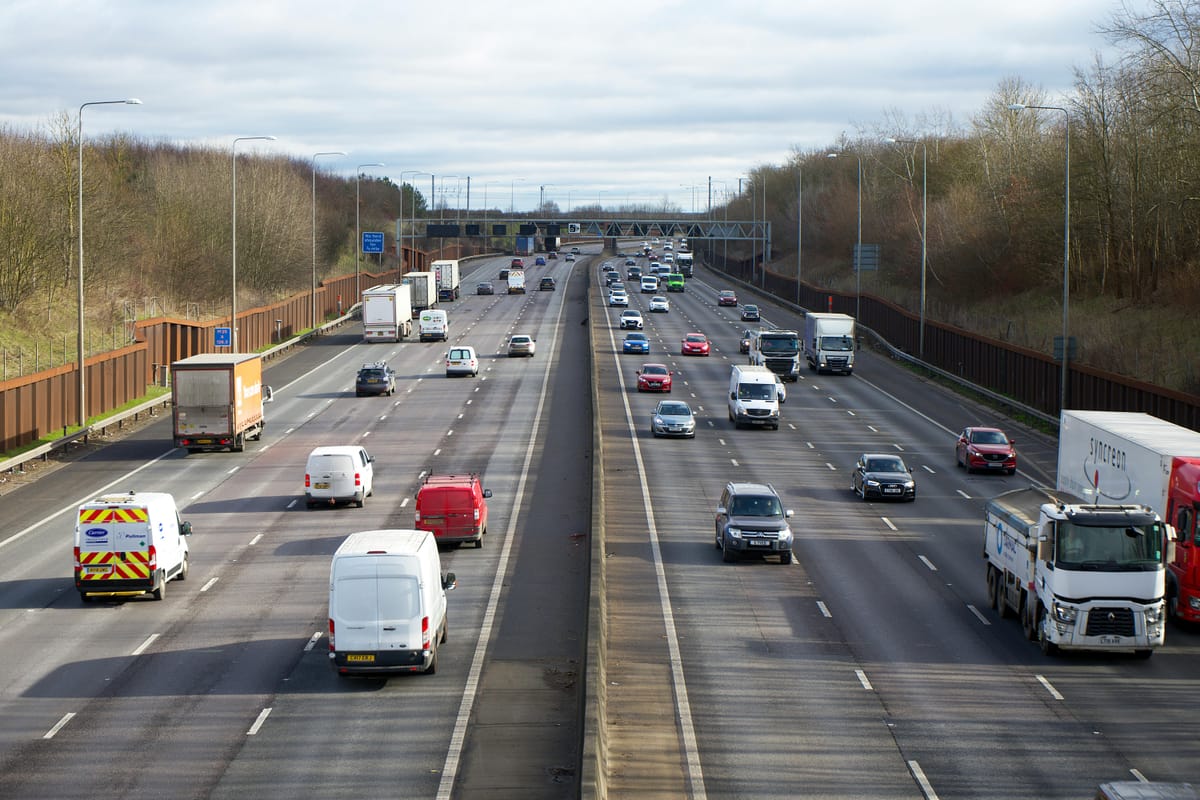

We find ourselves at the end of the first quarter of the year and if it feels like it has moved a little too quickly, you are not alone. The early months always seem to carry a certain momentum, and before long, Easter has come and gone, leaving us wondering where the time disappeared to.
This year, for the first time in many years, I did something I usually avoid: I took to the road over Easter.
It has never been my favourite time to travel. Too many vehicles, too many rushed decisions, and too many people who seem to forget that the rules of the road are there for a reason. But this time, we packed up and headed down the N3 towards Pietermaritzburg and Durban. It did not take long to be reminded why I prefer to stay put.
Truck after truck lined the route, an endless stream that at times felt like it owned the road. Now, we all understand the role these vehicles play in keeping the country moving, but there is a difference between sharing the road and dominating it. Watching heavy trucks overtake each other on stretches clearly marked against passing, crawling uphill side by side while traffic builds behind them, is enough to test even the calmest driver (of which I still have to learn to become).
And then, of course, there are the taxis.
If the trucks bring frustration, the taxis bring unpredictability. Flying down the shoulder to get ahead of a long queue, squeezing back into traffic at the last possible moment, and daring anyone to challenge them. Flash your lights, and you are more likely to be met with a rude gesture than any form of acknowledgement or apology. It has become such a common sight that one almost expects it, but that does not make it acceptable.
Speed is another story altogether. It remains one of the biggest dangers on our roads, and yet it continues as if nothing has changed. Vehicles weaving through traffic, pushing well beyond limits, as though arriving a few minutes earlier is worth the risk. We have heard the warnings for years, seen the campaigns, lived through the consequences and still, it persists.
What struck me most on this trip was not just the behaviour itself, but how normal it has become. There is a quiet acceptance among drivers, a sense that this is simply how things are done now. That is perhaps the most concerning part of all, because it should not be normal.
We all share the same roads. Whether you are in a small car, a loaded truck, or a minibus taxi, the responsibility is the same. A little patience. A little respect. A willingness to follow the rules, even when no one is watching. It is not complicated, but it does require intention.
As we settle back into our routines and the holiday traffic fades into memory, perhaps it is worth holding onto that reminder. The road reflects us, for better or worse.
To all learners and teachers heading back for the new school term, we wish you well for the weeks ahead. There is no doubt that many parents are quietly welcoming the return of routine!
The Easter break already feels like a brief pause in a busy year, but there is something to look forward to, two long weekends still waiting for us in April. Another chance to slow down, to travel if we choose, and hopefully, to do so with a little more care.
Until then, drive safely and remember, the road is something we all have to share.
𝓛𝔂𝓷𝓮𝓽𝓽𝓮.




Comments ()