
The cableway: Barberton’s forgotten link to Havelock Mine
For more than 60 years, asbestos travelled through the sky from Havelock Mine to our railway station. Here is the remarkable story behind the pylons many of us remember following into the mountains.
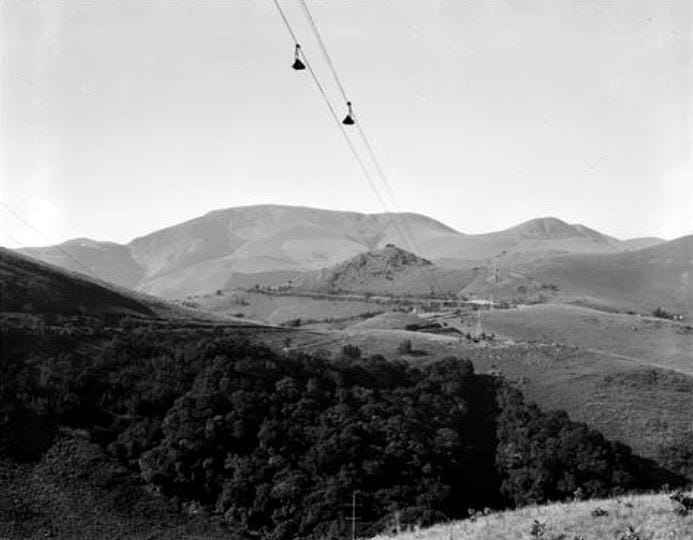
There was a time when the mountains above Barberton carried a secret in the sky. For many Barberton residents, the old cableway pylons stretching across the mountains were once simply part of the landscape, silent steel markers against the sky.
This journalist remember driving up those, which was then only a winding dirt road, many years ago, following the line tower by tower, curious to see where it would end. I had no idea that it did not end at all, but that it ran straight across the border into what was then Swaziland.
Those steel pylons were not just relics. They were once part of one of the most remarkable industrial cableways in southern Africa, a 20-kilometre aerial link between Barberton and the Havelock Asbestos Mine in the mountains beyond.
What I did not know then is that this cableway connected Barberton directly to the Havelock Asbestos Mine in what was then Swaziland, now eSwatini, and that it was once one of the most remarkable industrial ropeways in the world.
The Havelock Asbestos Mine, today known as Bulembu, lies high in the rugged mountains of north-western eSwatini, near the South African border. Asbestos was first discovered in the region in the 1880s, but large-scale commercial mining only began in 1939.
The mine produced chrysotile, or “white asbestos”, a mineral widely used during the mid-20th century for its fire-resistant properties in roofing, insulation and industrial products. At its peak, Havelock became one of the world’s significant asbestos producers.
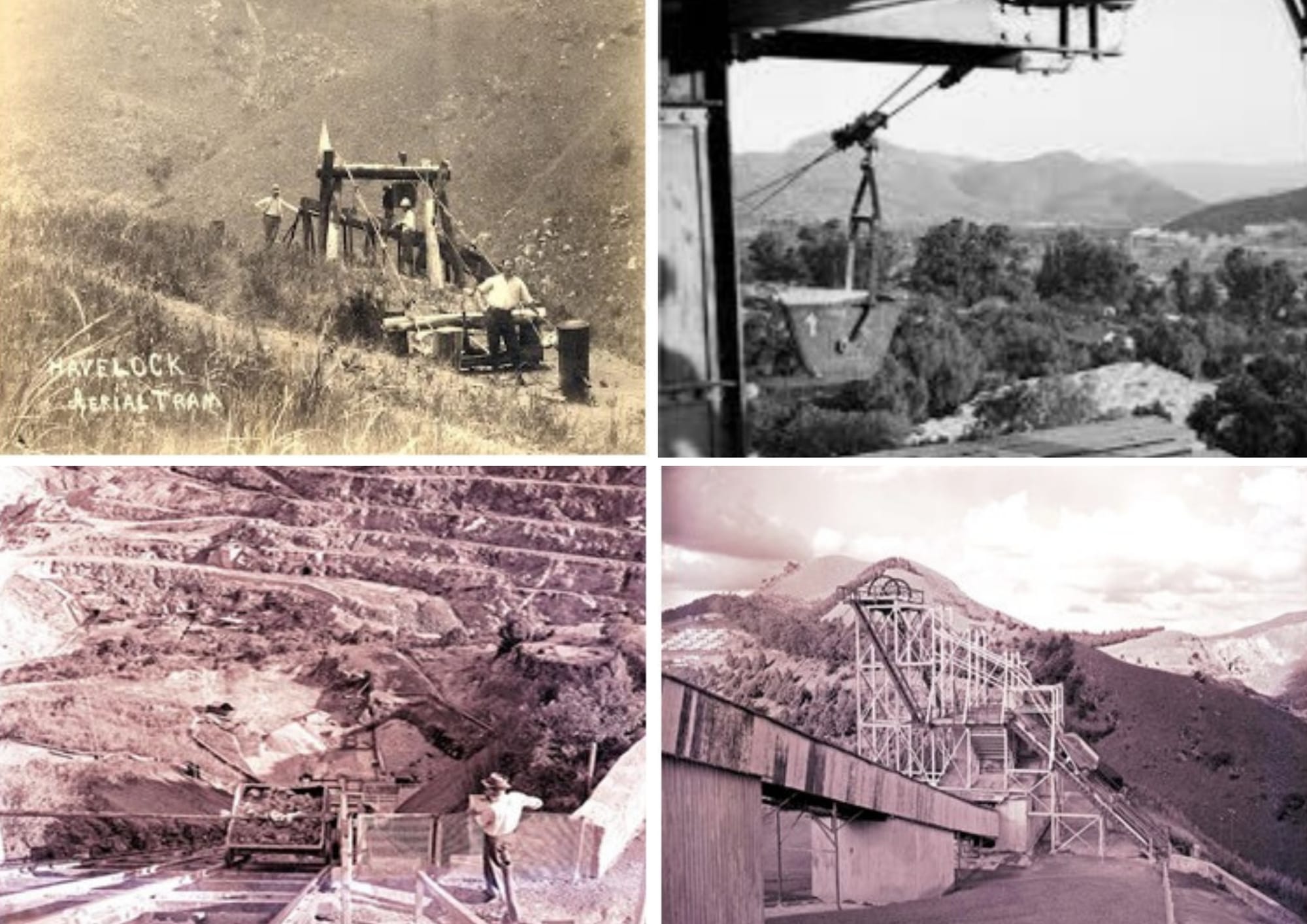
The operation was initially run by the British company Turner & Newall, and for decades the mine was a major employer and economic driver in the region.
The mountainous terrain around Havelock made railway construction extremely difficult and costly. Barberton, however, already had a railway link into the broader South African network. The solution was bold: build an aerial cableway across the mountains.
Between 1936 and 1939, the German engineering firm Bleichert & Co constructed a 20.36-kilometre aerial ropeway linking the mine to the Barberton railway station. At the time, it was one of the longest industrial cableways in the world, and uniquely, it crossed an international border.
Small steel buckets, referred to as “coco-pans”, travelled continuously along the cable, each carrying roughly 200 kilograms of asbestos fibre. The system could transport approximately 13 to 14 tonnes per hour and moved at around 11 kilometres per hour.
The cableway was supported by 52 pylons and reached heights of nearly 190 metres above ground in certain sections. Its longest unsupported span stretched more than a kilometre between towers, an extraordinary engineering achievement for the 1930s.
In one direction, the buckets carried processed asbestos from Havelock to Barberton, where it was loaded onto trains for transport to ports and industrial centres. On the return journey, coal was carried back to the mine to power its operations.
For decades, the steady movement of buckets across the sky formed part of everyday life in Barberton. The line ran across mountains and valleys, cutting a direct path between two countries long before modern border posts were what they are today.
By the 1980s and 1990s, global awareness of the severe health risks associated with asbestos, including lung disease and cancer, led to plummeting demand. Many countries began restricting or banning its use.
Financial strain and declining markets eventually led to the closure of the Havelock mine in 2001. When the mine stopped operating, the cableway ceased functioning as well. Without maintenance, the structure began to deteriorate.
Over time, some sections were removed due to safety concerns, particularly where cables posed risks near roads. Today, only remnants of pylons remain in certain areas, quiet industrial relics of another era.
But for those who grew up here, the memory of that line cutting through the sky still lingers.
Interesting facts
• The cableway was one of the longest of its kind in southern Africa when built.
• It was the only industrial ropeway in the region to cross an international border.
• It operated for more than 60 years.
• The former mining town of Havelock, now called Bulembu, was later revitalized by a development initiative after years of near abandonment.
The Barberton-Havelock cableway is more than an industrial footnote. It represents a time when engineering ambition met economic necessity, and when Barberton played a key logistical role in a cross-border mining enterprise.
For those who remember following the pylons up into the mountains, it remains a piece of living memory, a reminder that our small town once stood at the center of an extraordinary international industrial link.
Today, the buckets no longer glide overhead, but the story of the cableway remains an important chapter in the shared history of Barberton and its neighbour across the border.
Comments ()