
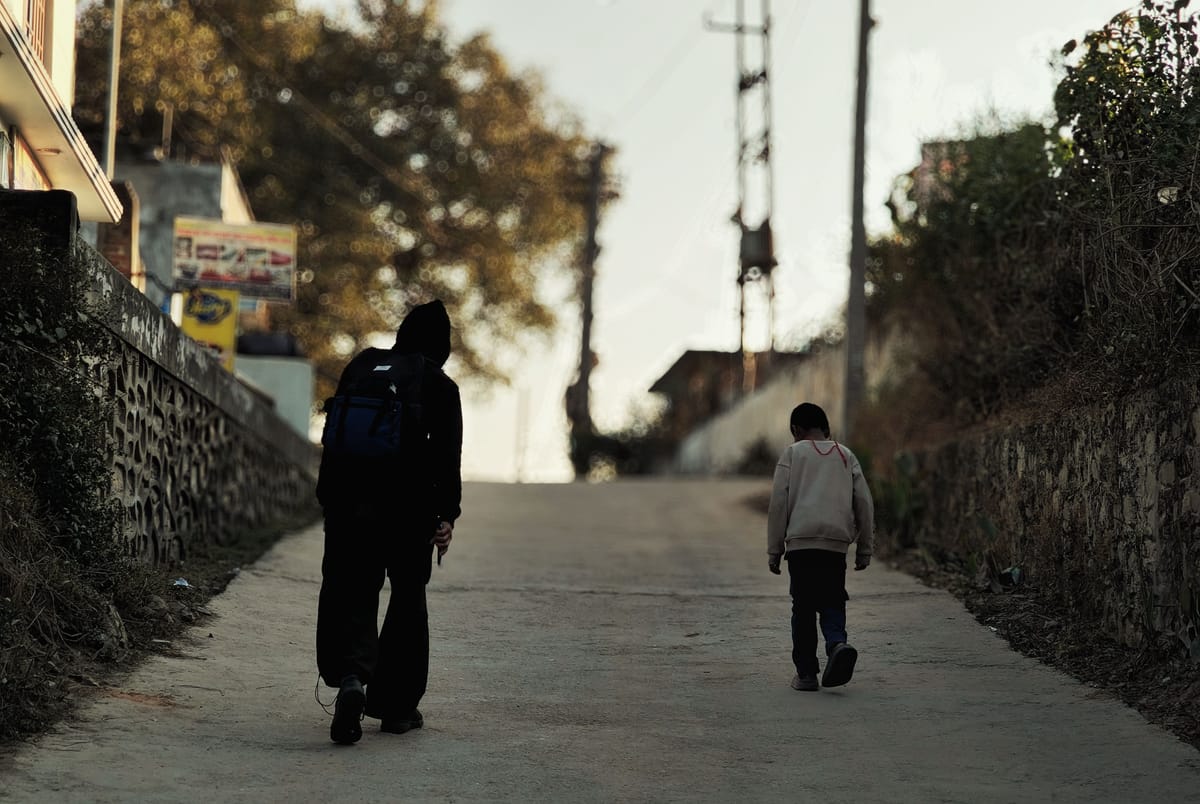
Teaching children about personal safety does not mean teaching them to fear the world. It means giving them the confidence to recognise uncomfortable situations, trust their instincts and know how to get help.



As parents, one of the hardest things to accept is that we cannot be beside our children every minute of every day. Children walk to school, play outside, visit friends, go to the shops or attend activities without their parents. While we do not want to make children fearful of the world around them, we do need to give them the knowledge and confidence to recognise an unsafe situation and know what to do.
With stories of missing and abducted children regularly making headlines, it is understandable that parents worry. The answer, however, is not to teach children that every stranger is dangerous. It is to teach them how to recognise behaviour that makes them uncomfortable, how to trust their instincts and how to get help quickly.
Safety conversations should become a normal part of growing up rather than a frightening once-off discussion. Children need to understand that most people they meet are not dangerous, but that some adults may behave inappropriately or try to trick them.
Rather than saying, "Never talk to strangers", parents can explain that there are safe adults and unsafe situations. A child may need to speak to a stranger if they are lost, for example. A police officer, security guard, teacher, shop assistant or another parent with children may be able to help. The important lesson is not simply "strangers are bad". It is understanding when a situation feels wrong.
Teach children to trust their instincts
One of the most valuable messages parents can give their children is to trust their feeling that something feels wrong. If an adult asks them to go somewhere, tries to touch them, offers them something, tells them to keep a secret or makes them uncomfortable, they are allowed to say no and walk away.
A stranger may approach a child in an entirely innocent way, such as asking for directions. That does not automatically mean there is danger. The important question is what happens next. Children should be taught not to go anywhere with someone they do not know, even if that person says their parents sent them.
A particularly important rule is to establish a family password. Choose a word or phrase that only trusted family members know. If someone claims that Mum, Dad or another trusted adult sent them to fetch the child, the child can ask for the password. If they do not know it, the child should not go with them.
What to do if someone follows them
If a child notices that the same person or vehicle appears to be following them, they should not go directly home. Instead, they should move towards a safe, busy place where other adults are present. This could be a shop, school, police station, security office, petrol station or another trusted public place.
They should tell an adult clearly: "That person is following me and I am scared." If they are in immediate danger, they should attract attention by shouting, running towards people and asking for help.
Children should understand that they must never approach an unfamiliar vehicle because someone is calling them. If a car stops and someone asks for directions, offers a lift, says they have lost a pet or claims that their parents sent them, the child should keep their distance. If someone tries to persuade or force them into a vehicle, they should make as much noise as possible and attract attention and hopefully someone will help.
Practise rather than frighten
Children should know that they can tell their parents anything, even if someone threatens them, bribes them or says they will get into trouble. One of the best ways to prepare children is to practise different situations at home.
Ask questions such as:
- What would you do if someone you don't know asked you to come with them?
- What would you do if someone followed you while you were walking?
- What would you do if you became separated from us in a shopping centre?
Allow children to answer before explaining what you would like them to do. Role-playing these situations can help children remember what to do when they are frightened or under pressure.
Give them a safety network
Every child should know which trusted adults they can approach for help. These could include parents, grandparents, teachers, school staff, security personnel, police officers or other adults specifically identified by the family.
Make sure younger children know their parents' full names and, when appropriate, important contact numbers.
Perhaps the most important thing parents can teach their children is that their safety matters more than being polite. Children are often taught from an early age to respect adults, listen to grown-ups and never be rude. Those are valuable lessons, but there are exceptions.
Ultimately, child safety is not about teaching children to live in fear. It is about giving them the confidence to recognise an unsafe situation, the courage to act and the knowledge that there will always be someone they can turn to for help, because while parents cannot always be there to hold a child's hand, they can make sure their child knows what to do when that hand is not there.
 Naomi Roebert
 Mariana Balt
 Liz Thorne


Comments ()