
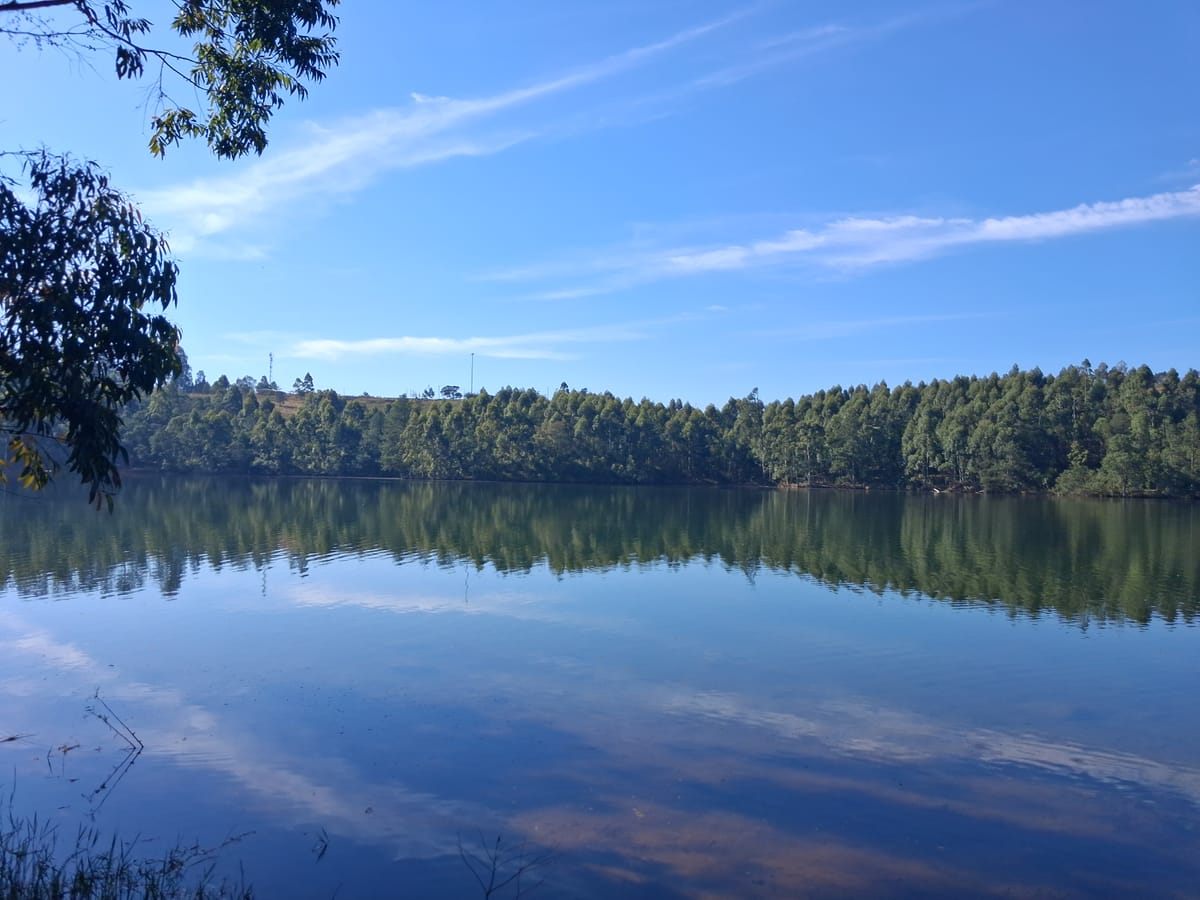
It is easy to admire the calm waters of Shiyalongubo Dam without realising that its existence was born out of hardship.

Some landmarks quietly serve their communities for generations without ever making headlines. Shiyalongubo Dam is one such place. Born from drought, marked by tragedy before it could officially be opened and tucked away among the ancient Barberton Makhonjwa Mountains, the dam has spent more than eight decades sustaining farms in the Low's Creek valley. Today, a new chapter is unfolding as visitors are discovering its tranquil beauty and local entrepreneurs begin transforming the shoreline into a destination for relaxation, good food and outdoor adventure.
It is easy to admire the calm waters of Shiyalongubo Dam without realising that its existence was born out of hardship. During the early 1930s, the Lowveld was gripped by severe drought. Farmers in the fertile valleys around Low's Creek depended almost entirely on seasonal rainfall and the streams flowing from the surrounding mountains. When those rains failed, crops suffered and livelihoods were threatened.
Recognising that something had to be done, a group of determined local farmers took the initiative. In 1932, under the leadership of Bromley Dreyer, together with Mike Bertaeso and Rudolph Dehrmann, the Shiyalongubo Irrigation Board was established. Their vision was ambitious for its time. They wanted to harness the waters of the Shiyalongubo and Ugutugulo streams and create a reliable source of irrigation that would sustain farming throughout the valley.
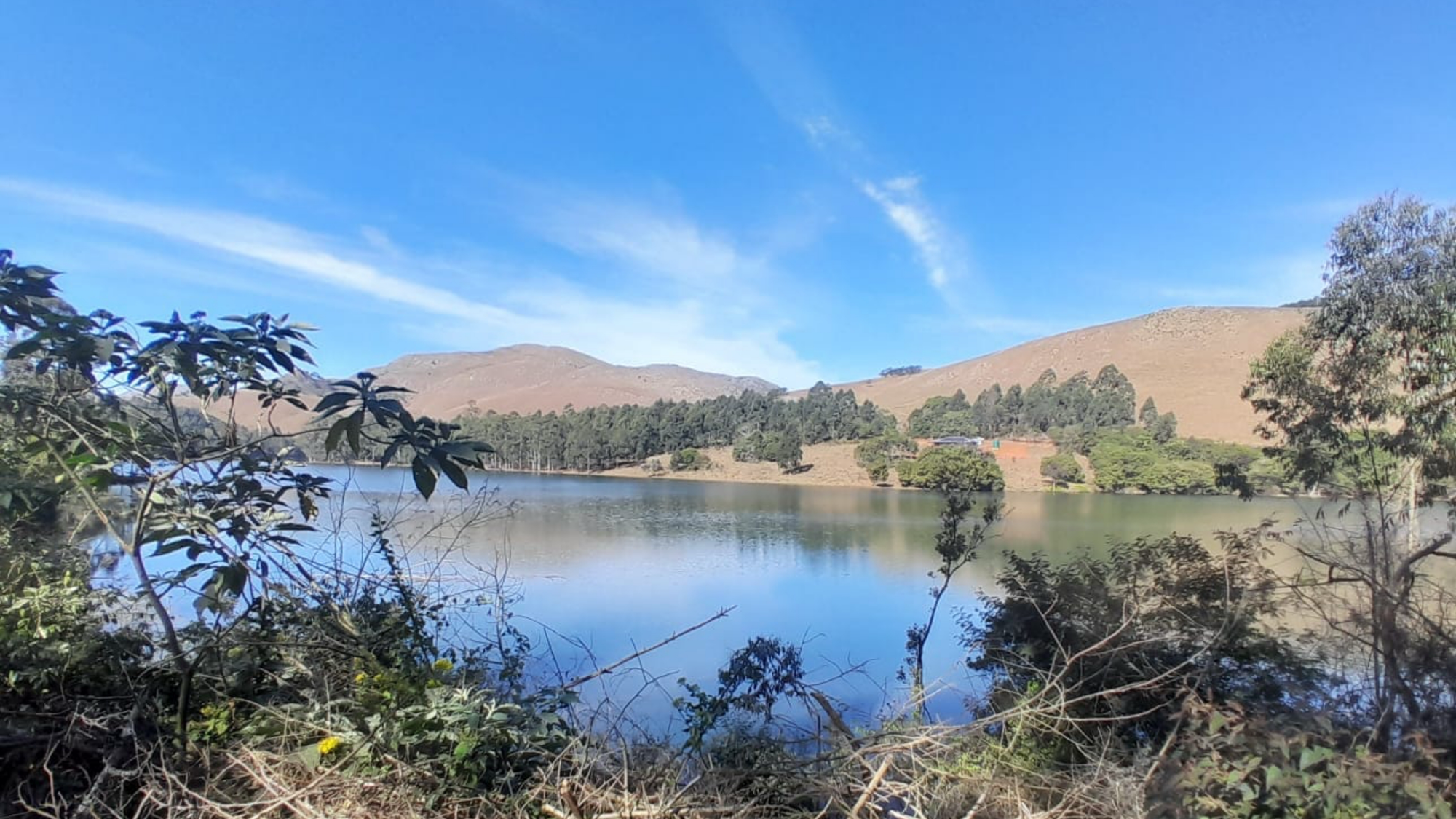
The chosen site lay approximately 13 kilometres east of Barberton and nine kilometres south of Low's Creek, surrounded by rugged mountains that today form part of the internationally recognised Barberton Makhonjwa Mountains World Heritage Site. Construction was no small undertaking. Besides building the dam wall itself, engineers also designed canals and tunnels that would distribute water to farms over a wide area. Years of planning and hard work eventually culminated in the completion of the dam in 1939.
For the farming community, it represented hope. Reliable water meant stability. It meant citrus orchards could survive dry years, vegetable farmers could continue producing food and the agricultural economy of the valley could grow with greater confidence. Although the dam would never become one of South Africa's largest or most famous water schemes, its value to generations of local farmers cannot be overstated. Quietly and efficiently, it became the lifeblood of the valley.
Yet, despite the significance of this remarkable engineering achievement, Shiyalongubo Dam carries a distinction unlike almost any other dam in the country. It was never officially opened.
A grand ceremony had been arranged for 7 April 1940. Residents from across the district gathered to celebrate what was regarded as a triumph of determination and community spirit. Colonel Deneys Reitz, the Member of Parliament for the district and a respected statesman, was scheduled to perform the official opening. Then tragedy struck.
As the crowd assembled, a parked vehicle unexpectedly rolled forward after suffering brake failure. It ploughed into the spectators with devastating consequences. Barberton Town Clerk C.G. Hurd lost his life instantly while another member of the public later succumbed to injuries sustained in the accident. Several others were seriously injured, including the wife of the town's mayor.

The festive atmosphere instantly turned into one of shock and grief. The ceremony was abandoned and, in the weeks and years that followed, no attempt was ever made to arrange another official opening. The dam simply began fulfilling the purpose for which it had been built, serving the farming community without the celebrations that had been planned.
Over the decades that followed, the dam became an indispensable part of the agricultural landscape. Water released from the reservoir nourished orchards, irrigated fields and supported the cultivation of citrus, sugar cane and a variety of subtropical crops that have become synonymous with the Lowveld. While seasons came and went and droughts periodically returned, Shiyalongubo Dam continued to provide the security that its founders had envisioned almost a century ago.
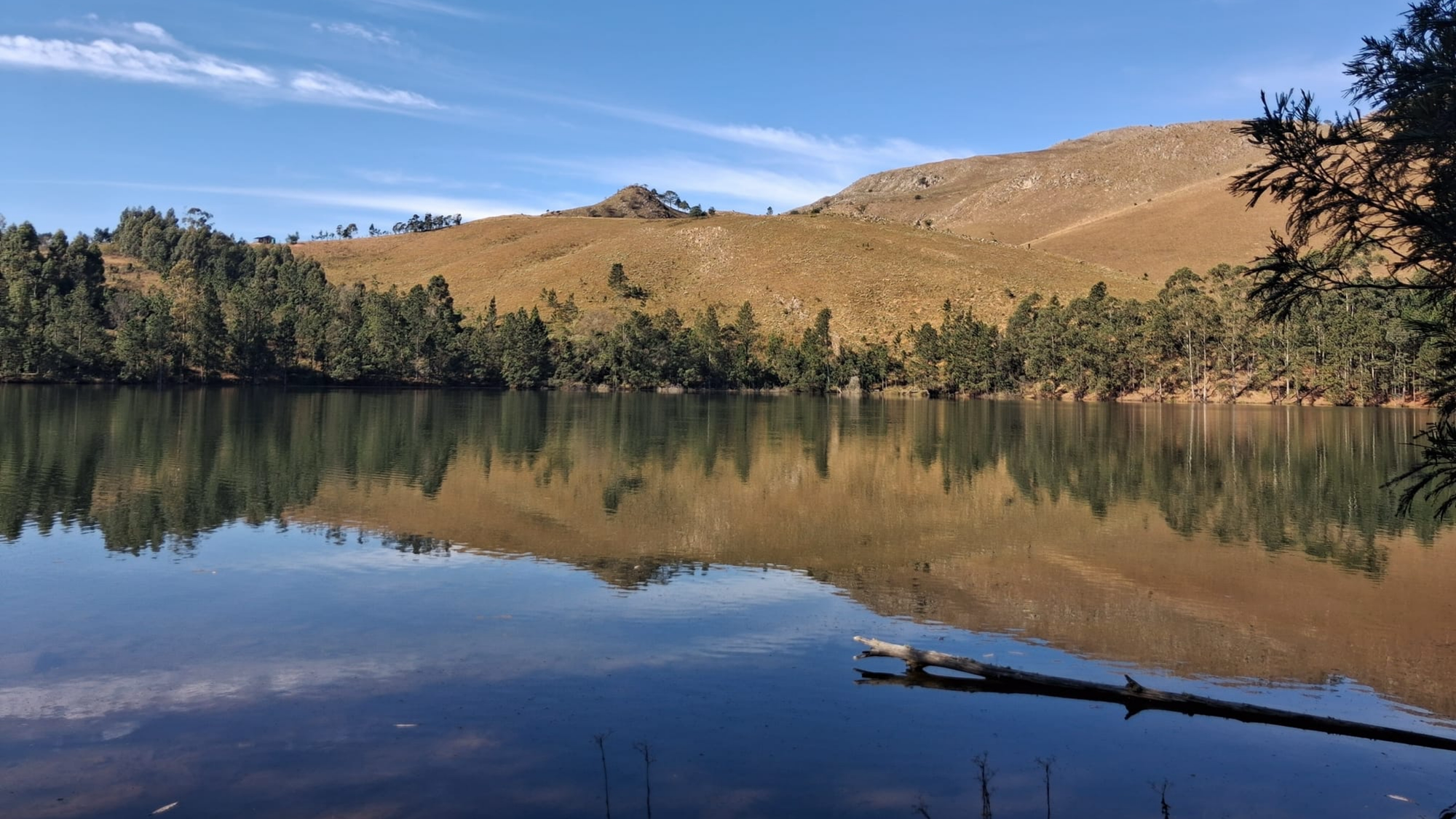
The setting of the dam is every bit as remarkable as its history. Nestled among the ancient mountains surrounding Barberton, the reservoir reflects dramatic rock formations that date back more than three billion years, making them some of the oldest exposed rocks on Earth. The silence is broken only by birdsong, the occasional fish breaking the surface and the breeze moving through the surrounding vegetation. It is a landscape where history, geology and nature come together in a way few places can match.
Local folklore has long added an air of mystery to the dam. Stories have been told for generations of a mythical dragon said to emerge from the water on moonlit nights before disappearing into the surrounding mountains. Whether regarded as legend or simply part of local storytelling, such tales have become woven into the character of the area and add another layer to its rich heritage.
For many years, however, the dam remained largely known only to local farmers, anglers and those who ventured along the scenic roads east of Barberton. Unlike many other reservoirs that developed into bustling holiday resorts, Shiyalongubo retained its peaceful character, hidden away from the crowds and quietly continuing its role as an essential water source.
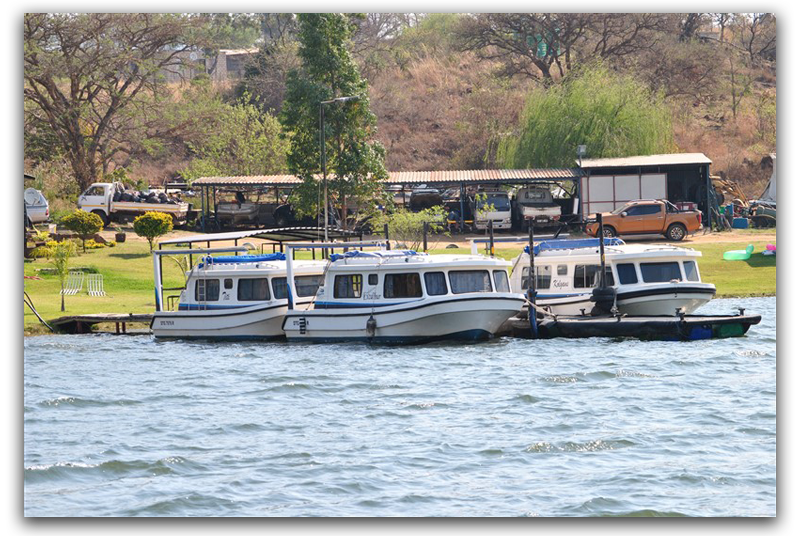
That is beginning to change. Visitors exploring the Barberton region are increasingly discovering the appeal of the dam and its breathtaking surroundings. Small tourism ventures have started taking shape along the shoreline, offering accommodation where guests can wake up to uninterrupted views across the water. Cabins provide a peaceful escape from busy city life, while a restaurant overlooking the dam invites travellers to linger a little longer and enjoy the scenery.
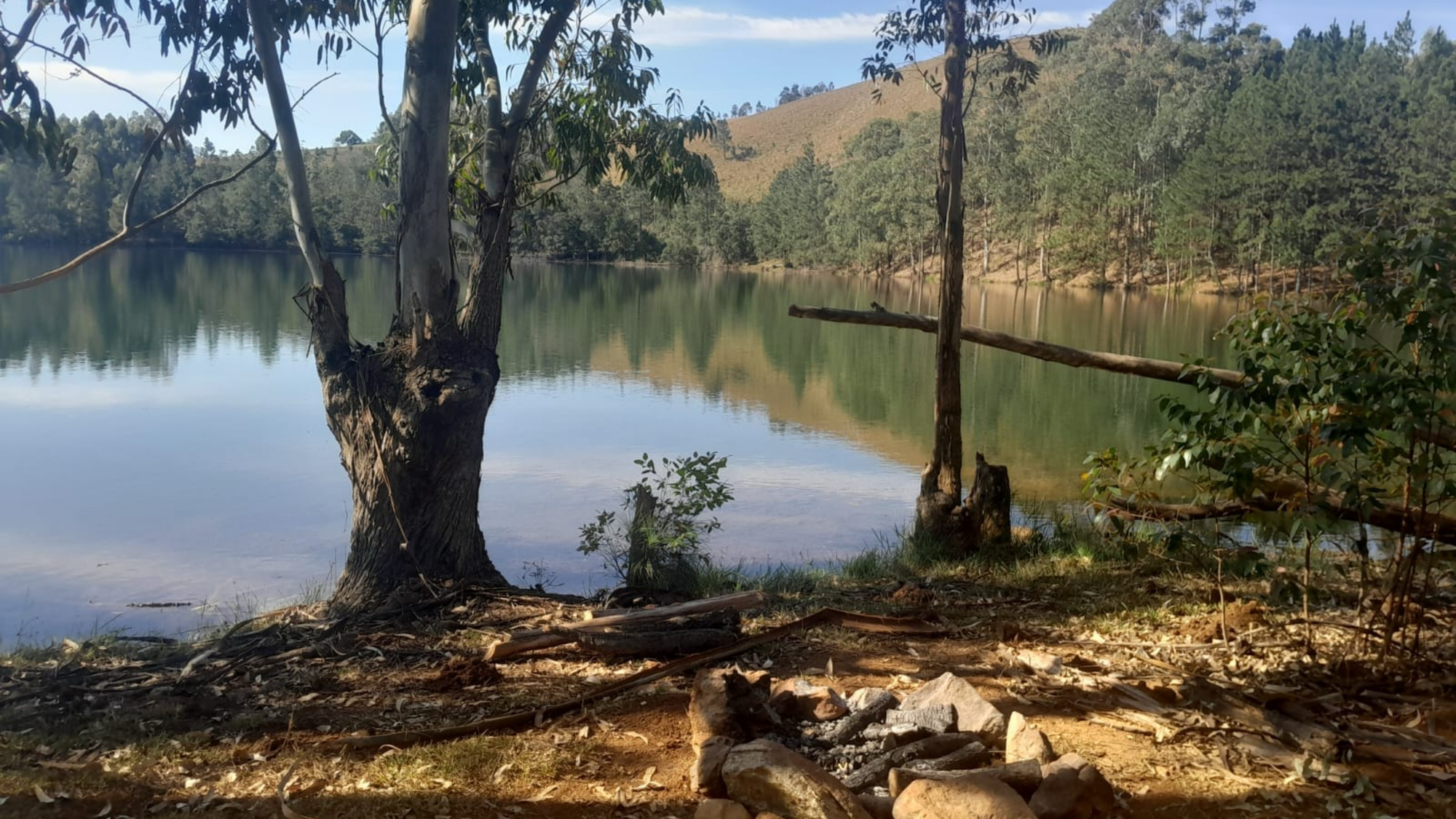
The development has introduced a new dimension to Shiyalongubo's story. While agriculture remains central to its existence, tourism is beginning to create additional opportunities for local entrepreneurs and residents. Visitors come not only to fish or picnic, but to experience the tranquillity of the area, photograph the spectacular mountain scenery, enjoy birdlife or simply spend time surrounded by nature.
Importantly, these developments complement rather than replace the dam's original purpose. The water continues to sustain farms, while the surrounding landscape now also offers opportunities for recreation and small business development. It is an example of how historic infrastructure can continue serving communities in new and meaningful ways without losing sight of the purpose for which it was originally built.
As Barberton continues to build its reputation as a destination that combines natural beauty, geological significance and rich history, places such as Shiyalongubo Dam are becoming increasingly valuable. They remind us that the district's story is not written only in museums or history books, but in landscapes that continue evolving with every passing generation.
Nearly ninety years after determined farmers first set out to secure water for their valley, the dam remains a symbol of resilience, foresight and community spirit. It survived droughts, witnessed tragedy before its official opening could take place and quietly fulfilled its duty for decades. Today, as families gather on its shores, visitors settle into lakeside cabins and entrepreneurs invest in its future, Shiyalongubo Dam is proving that even after a lifetime of faithful service, its story is still far from over.

 Liz Thorne
 Anchen Coetzee
 Mariana Balt
 Anchen Coetzee
 Anchen Coetzee



Comments ()