
Senteeko, from tea fields to a dam making headlines
From the rise and fall of the Senteeko tea estate to the current risk facing the region, this is the story of how history and infrastructure intersect in the De Kaap Valley.
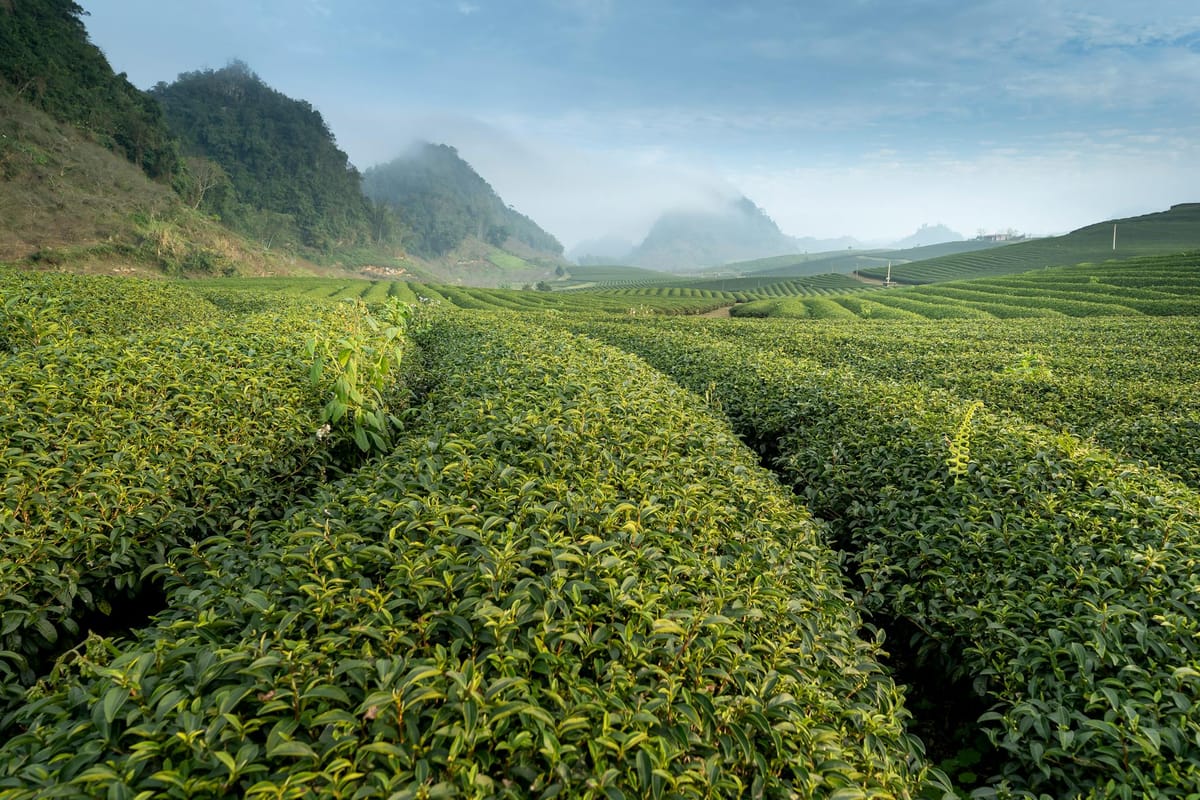
For decades, the fertile highlands between Barberton and Badplaas were home to one of South Africa’s most remarkable agricultural ventures, the Senteeko Tea Estate. Today, the name Senteeko has returned to public discussion for very different reasons, as the nearby Senteeko Dam, also known as “My Own Dam,” has drawn attention due to serious structural concerns.
Yet, long before engineering inspections and emergency spillways made headlines, Senteeko was synonymous with quality tea and agricultural ambition.
In 1964, the Bonuscor Group purchased a 550-hectare property approximately 25 kilometres north-west of Barberton, situated at an altitude of 1 661 metres above sea level. The elevation, rainfall and climate made the land particularly suitable for the commercial production of tea and coffee.
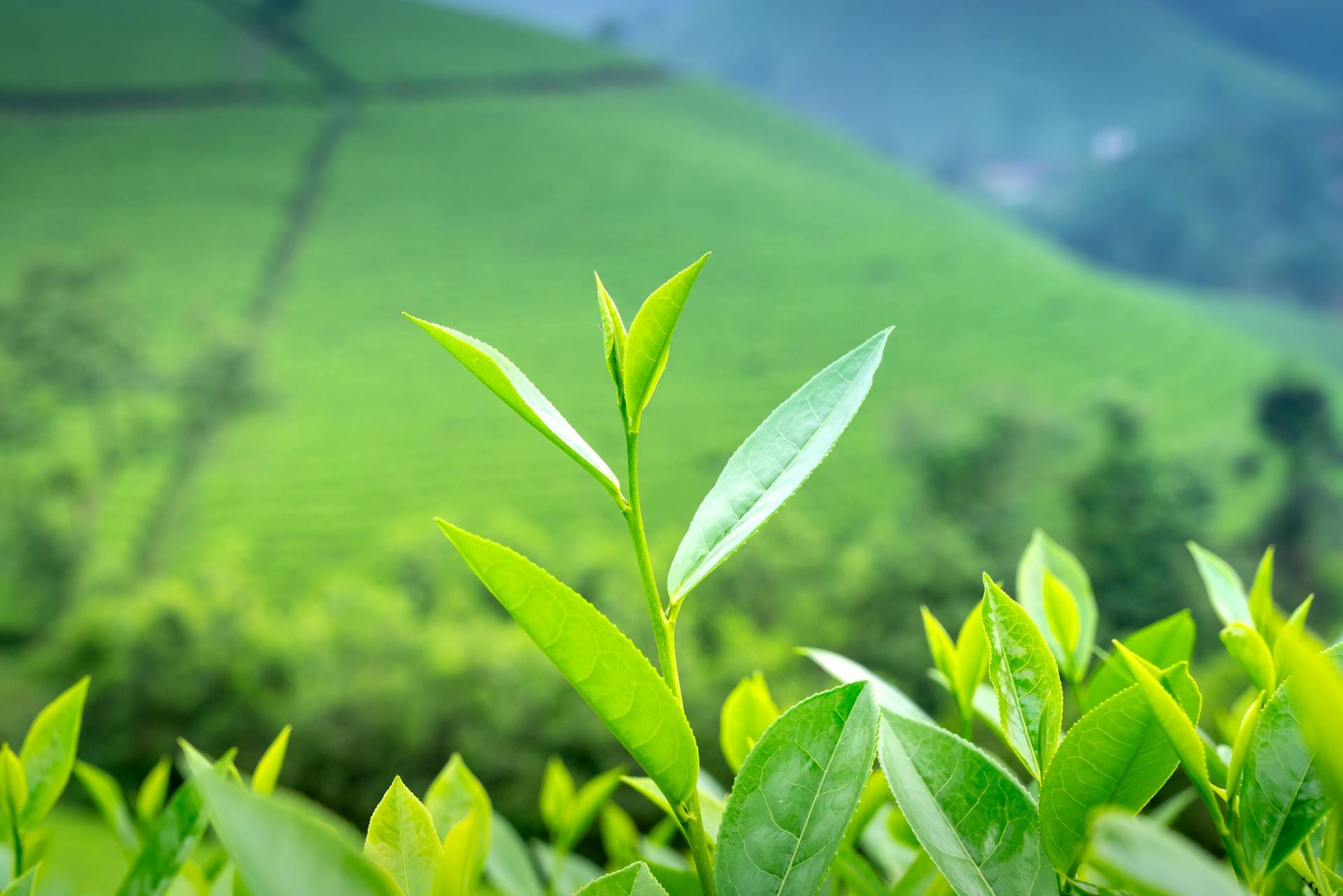
The company established there was named Senteeko, an abbreviation of Sentrale Tee en Koffie Maatskappy. The estate known as “My Own” was created through the merging of five separate farms: Tafelkop, Inloop, Mooiwater, Valsvlei and My Own.
Operations officially began in January 1965, and over time 549 hectares were planted with tea. At its height, Senteeko formed part of South Africa’s small but ambitious tea industry.
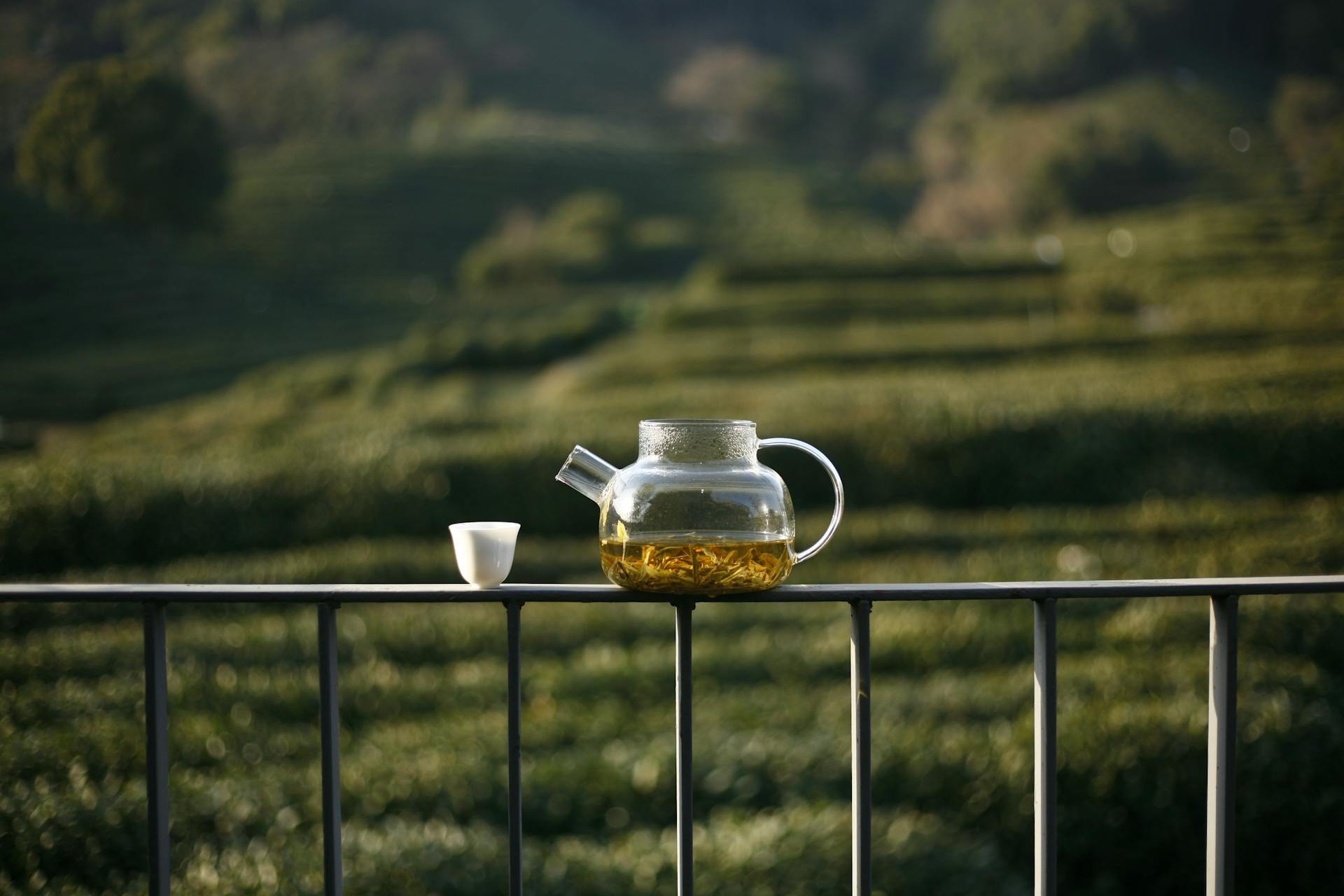
In January 1970, a factory was established on the estate, marking a turning point in production. Tea from Senteeko soon gained an outstanding reputation and was classified as one of the best-quality blending teas in the country.
According to a former resident who lived and worked on the estate, nearly every cup of tea consumed in South Africa during that period contained some portion of Senteeko tea in its blend. While that statement may sound remarkable, it speaks to the estate’s reach and influence within the national tea market at the time.
Senteeko was later owned by Transvaal Sugar Limited (TSB) of Malelane and, at that stage, it stood as the only privately held tea company operating in South Africa, a significant distinction within the industry.
The turning point came in the 1990s and early 2000s when the South African tea industry was deregulated. Tariff protections were removed, and the local market became flooded with cheaper imported tea.
These imports were sold to South African tea producers at prices that estates like Senteeko simply could not compete with. Despite its reputation for quality, the economic pressures proved overwhelming.
In January 2005, Senteeko closed its doors. The estate was sold on 1 May 2005, bringing to an end four decades of tea production that had shaped the local landscape and economy.
In later years, under land reform arrangements, ownership of the Senteeko Tea Estate was transferred to a community trust. The property was subsequently leased to an international company, Plandai Biotechnology, with plans to revive tea production, not for traditional tea sales, but for the extraction of high-value green tea compounds used in health and wellness products.
The project initially generated optimism, employment and renewed agricultural activity. However, as with many ambitious agricultural ventures, long-term sustainability proved challenging. Over time, activity on the estate diminished once again, leaving the once-vibrant fields largely quiet.
Closely linked to the estate’s history is the Senteeko Dam, also referred to as My Own Dam, originally constructed to support irrigation and farming activities.
With a storage capacity of approximately 1.8 million cubic metres, the dam played an essential role in sustaining agricultural operations and downstream water needs. Recent heavy rainfall, however, has placed significant strain on the ageing infrastructure.
Inspections revealed deterioration of the spillway and surrounding structures. Engineers from the Department of Water and Sanitation have been working on site to lower water levels, construct emergency spillways and reduce the risk of failure. Authorities have warned that the dam remains vulnerable should further heavy rainfall occur.
Community platforms and local residents have closely monitored developments, sharing information and raising awareness about visible erosion and potential downstream risks.
For many in Barberton and the greater De Kaap Valley, Senteeko represents more than a business venture. It evokes memories of employment opportunities, agricultural innovation and a time when South African tea production stood proudly on its own.
Today, the story has shifted from production lines and factory steam to structural inspections and infrastructure maintenance. Yet the legacy of Senteeko remains woven into the landscape, a reminder of both agricultural ambition and the importance of responsible stewardship of the land.
From tea fields that once contributed to nearly every cup brewed in the country, to a dam now requiring careful monitoring, Senteeko’s story reflects the complex intersection of economics, environment and community.

Comments ()