
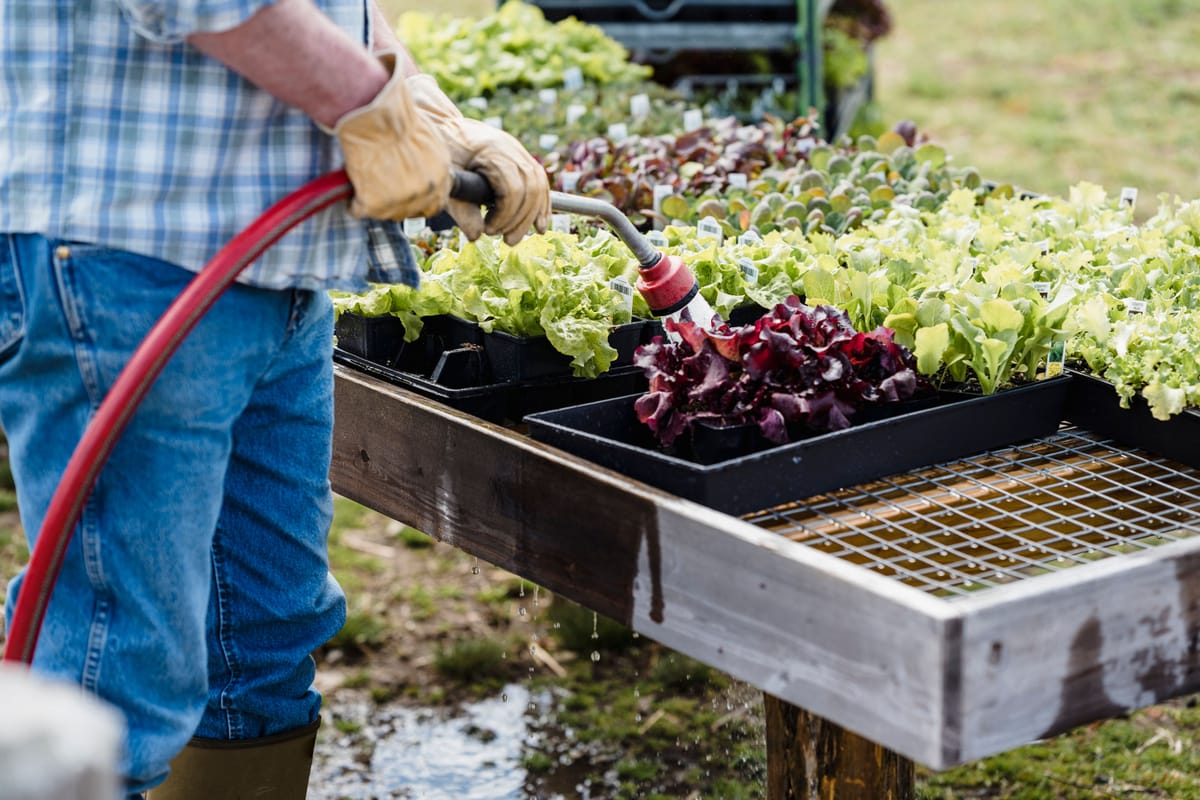
For homeowners, now may be the perfect time to rethink how water is used in the garden.

For much of the past several years, residents of the Lowveld have enjoyed something that many South Africans can only envy: enough rainfall. Rivers have flowed strongly, dams have remained healthy and gardens have flourished under favourable growing conditions. However, long-time residents know that the climate has a habit of changing.
Periods of abundant rainfall are often followed by drier years, and water restrictions can quickly become a reality when drought conditions return. For homeowners, now may be the perfect time to rethink how water is used in the garden. The good news is that creating a water-wise garden does not mean sacrificing beauty or giving up on growing plants. In fact, many simple changes can reduce water consumption while helping gardens become healthier, more resilient and easier to maintain.
Mulch, the gardener's best friend
One of the easiest and most effective ways to conserve water is by applying mulch around plants, shrubs and trees. Mulch acts like a protective blanket over the soil. It reduces evaporation, keeps roots cooler during hot weather and helps suppress weeds that compete with plants for moisture.
Organic materials such as bark chips, wood chips, compost, dried leaves and grass clippings can all be used successfully. A generous layer of mulch can significantly reduce the amount of watering required during hot summer months while improving soil quality over time.


Water deeply, not frequently
Many gardeners make the mistake of watering lightly every day. While this may seem beneficial, shallow watering often encourages roots to remain near the soil surface where they are more vulnerable to heat and drought stress. A better approach is to water deeply and less frequently.
Deep watering encourages plants to develop stronger root systems that can access moisture lower in the soil. Early morning is generally the best time to water, as cooler temperatures reduce evaporation and allow moisture to soak into the ground before the heat of the day arrives.
Make use of greywater
As water conservation becomes increasingly important, more households are exploring the use of greywater. Greywater refers to relatively clean wastewater from baths, showers, hand basins and laundry activities. When used appropriately, it can provide a valuable source of irrigation for ornamental plants and trees.
Homeowners should ensure that only environmentally friendly soaps and detergents are used if greywater is directed into the garden. Greywater should also be applied directly to the soil rather than sprayed onto plants. While it may not be suitable for every application, greywater can substantially reduce reliance on municipal water supplies.
Choose plants that thrive locally
One of the most effective water-saving strategies begins before a single plant is placed in the ground. Many exotic garden plants require large amounts of water to survive. By contrast, indigenous and drought-tolerant species are often naturally adapted to local conditions and can thrive with far less intervention.
Fortunately, gardeners in the Lowveld have access to a wide variety of attractive indigenous options. Aloes provide spectacular winter colour while attracting birds and pollinators. Wild rosemary, bushveld shrubs, spekboom and many indigenous grasses offer texture, beauty and resilience during dry periods. Choosing the right plants from the beginning often results in lower maintenance costs and reduced water consumption for years to come.
Harvest rain when it falls
Even during wetter periods, rainwater remains a valuable resource. Rainwater harvesting systems range from sophisticated storage tanks to simple drums positioned beneath roof gutters. Collected water can be used for garden irrigation, reducing pressure on municipal supplies while providing a backup source during dry spells. For many homeowners, installing a rainwater tank is one of the most practical long-term investments they can make.
Improve your soil
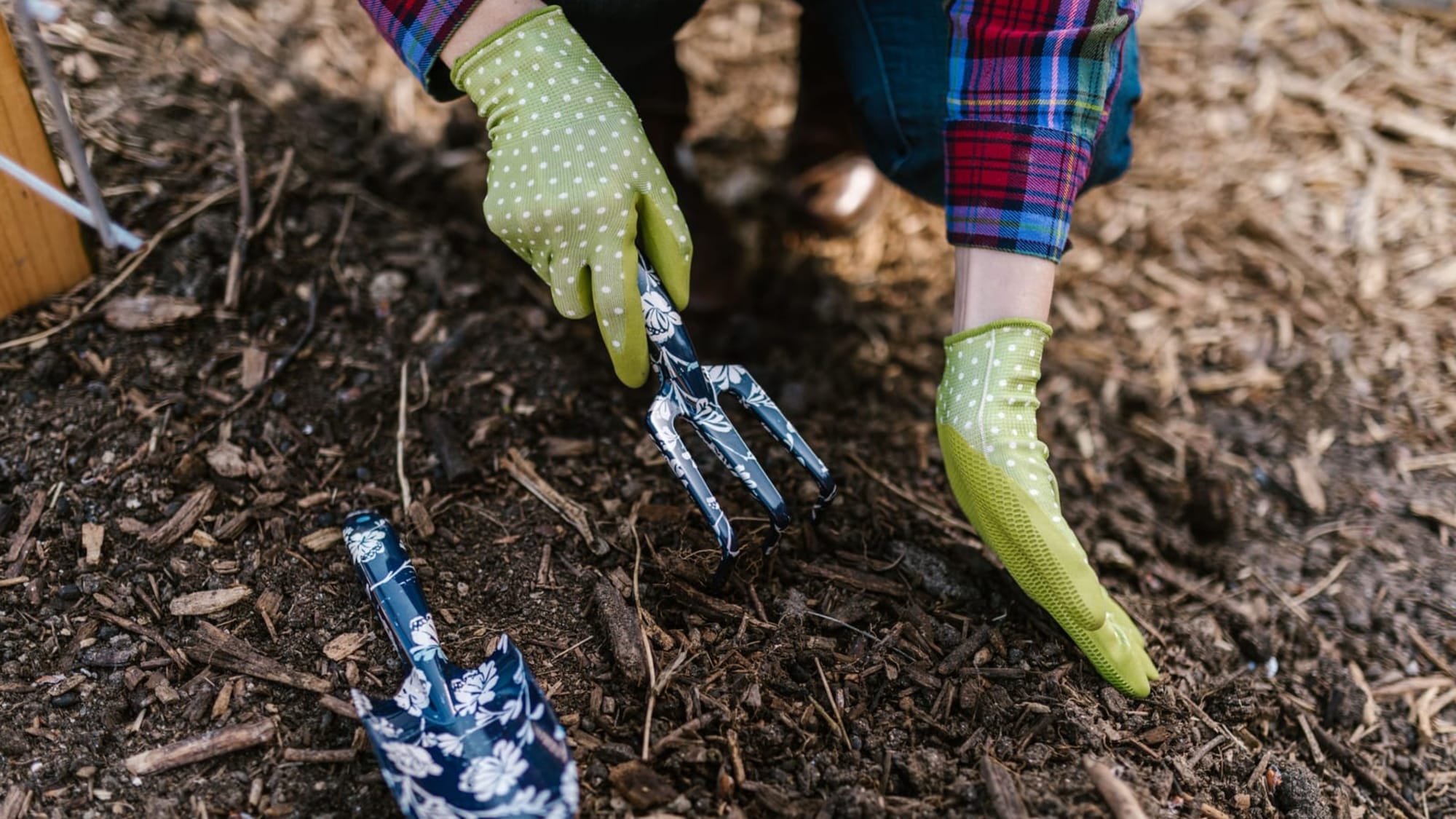
Healthy soil acts like a sponge. Adding compost and organic matter improves the soil's ability to retain moisture, meaning water remains available to plant roots for longer periods. Over time, gardens with rich, healthy soil often require less irrigation than those with poor soil structure. Regular composting not only benefits plants but also reduces household waste, creating a win-win situation for both the garden and the environment.
Rethink the lawn
Lawns are often among the thirstiest parts of a garden. This does not mean homeowners need to remove their lawns entirely. However, reducing lawn areas or replacing seldom-used sections with indigenous groundcovers, gravel pathways or garden beds can significantly reduce water requirements. Even small adjustments can result in noticeable savings over the course of a year.
No one can predict exactly what the next decade will bring in terms of rainfall and water availability. What history does show, however, is that cycles of wet and dry conditions are part of life in the Lowveld. By adopting water-wise gardening practices now, homeowners can prepare for future challenges while continuing to enjoy attractive outdoor spaces. Perhaps most importantly, these changes often save time, reduce maintenance and lower water bills.
A water-wise garden is not about using less because there is not enough. It is about using water wisely because every drop matters. Whether the next few years bring abundant rain or a return to drought conditions, gardens that are designed with conservation in mind will be better equipped to thrive.
In the end, the most sustainable gardens are not necessarily the ones that receive the most water. They are the ones that make the best use of it.
 Naomi Roebert
 Mariana Balt
 Liz Thorne



Comments ()