
Rimer’s Creek: Where Barberton’s gold rush began
Rimer’s Creek may look like a quiet stream today, but it was the spark that ignited Barberton’s gold rush in 1884.
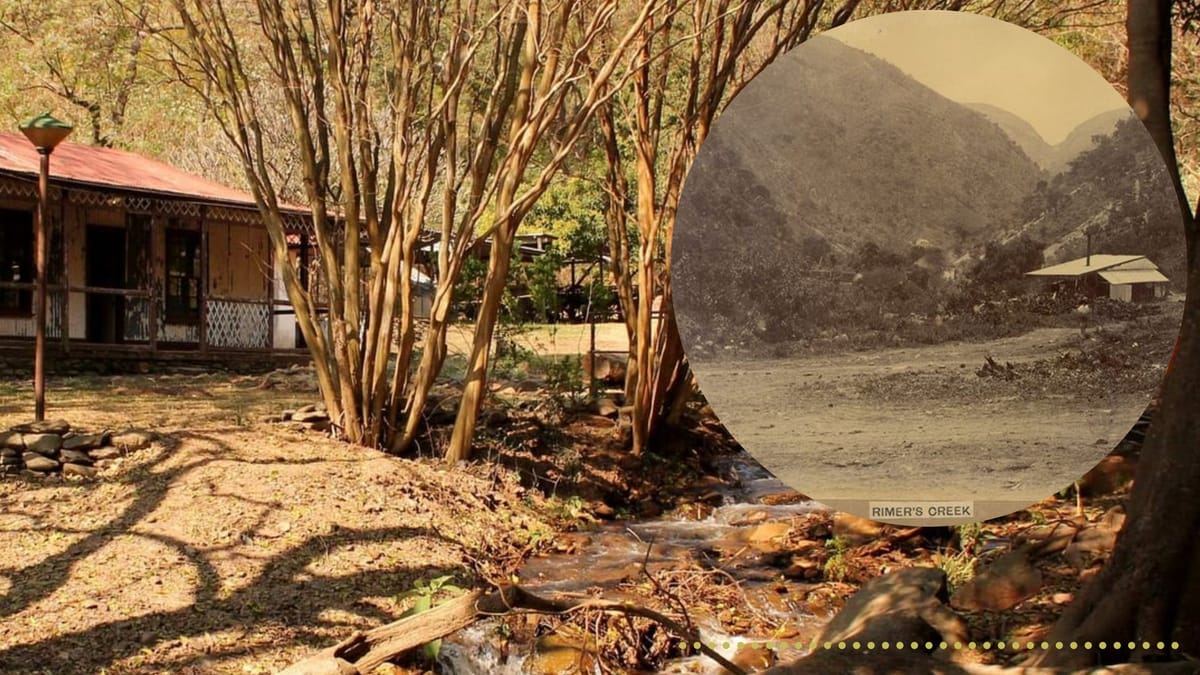
Before Barberton became the bustling town we know today, the De Kaap Valley was a quiet stretch of fertile land, dotted with forests, streams, and the occasional homestead.
That all changed in 1884, when a modest creek in the valley would ignite a gold rush that transformed the region forever. This was Rimer’s Creek, the waterway that gave the town its first taste of fortune and fame.
Rimer’s Creek earned its name from early prospectors, including James T. Rimer, who explored the area in search of gold. The creek’s shallow banks and rocky outcrops were rich with gold-bearing deposits, and news of these finds quickly spread. Among the first to stake claims were the Barber brothers, whose own discoveries would help put Barberton on the map.
What started as a trickle of hope soon became a flood of miners, fortune seekers, and entrepreneurs. The valley transformed almost overnight. Tents and makeshift shelters lined the creek, and the sound of pickaxes and sluicing pans became a daily rhythm.
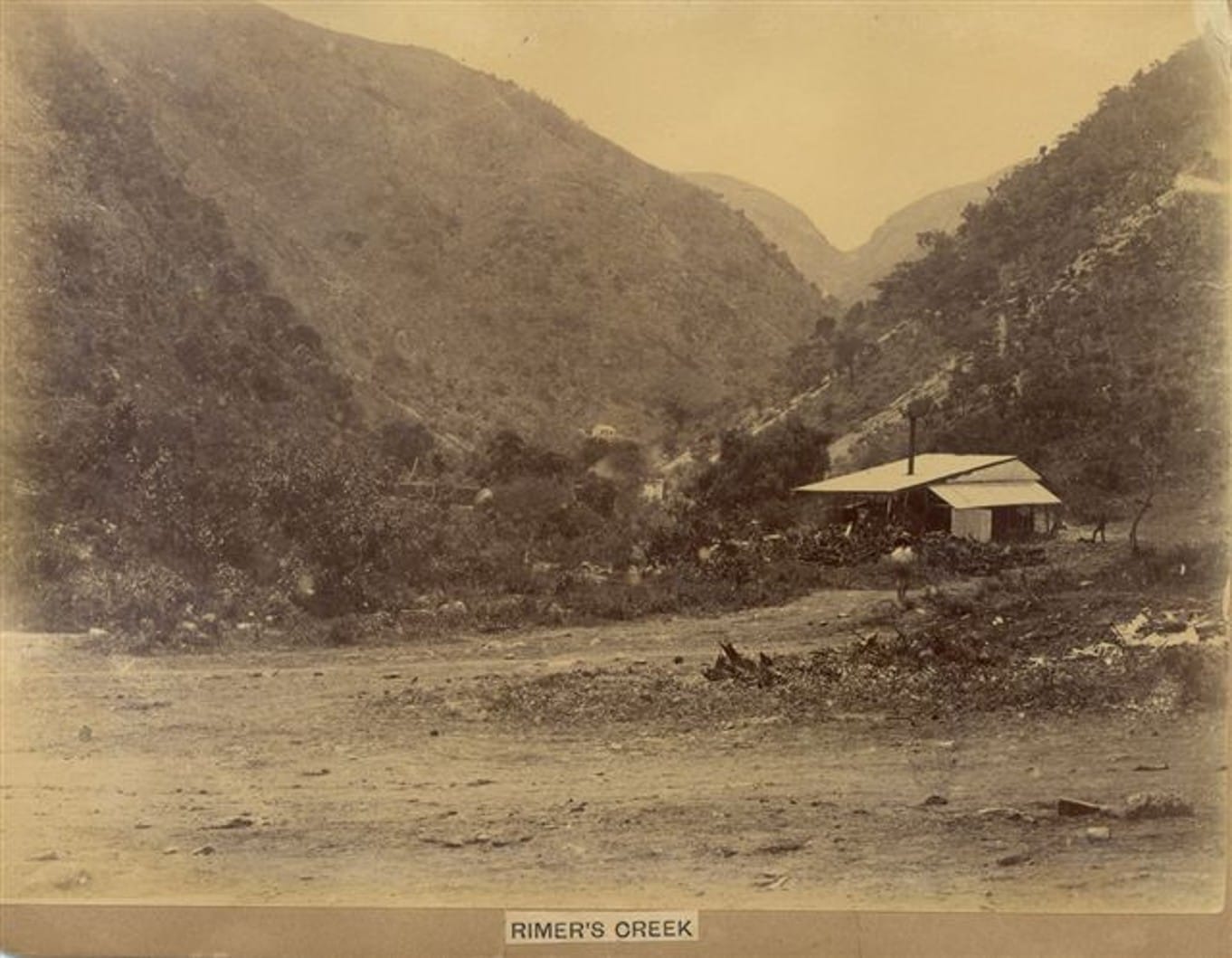
The discovery at Rimer’s Creek sparked more than just a gold rush, it laid the foundations for a permanent community. Stores, bakeries, and small workshops appeared to serve the miners. Roads were cleared through the bush, and wagons carried supplies to the growing settlement.
Mining operations quickly evolved beyond the simple panning of gold. Small stamp batteries and sluicing systems were built along the creek, while the Central Mill became a hub for processing ore.
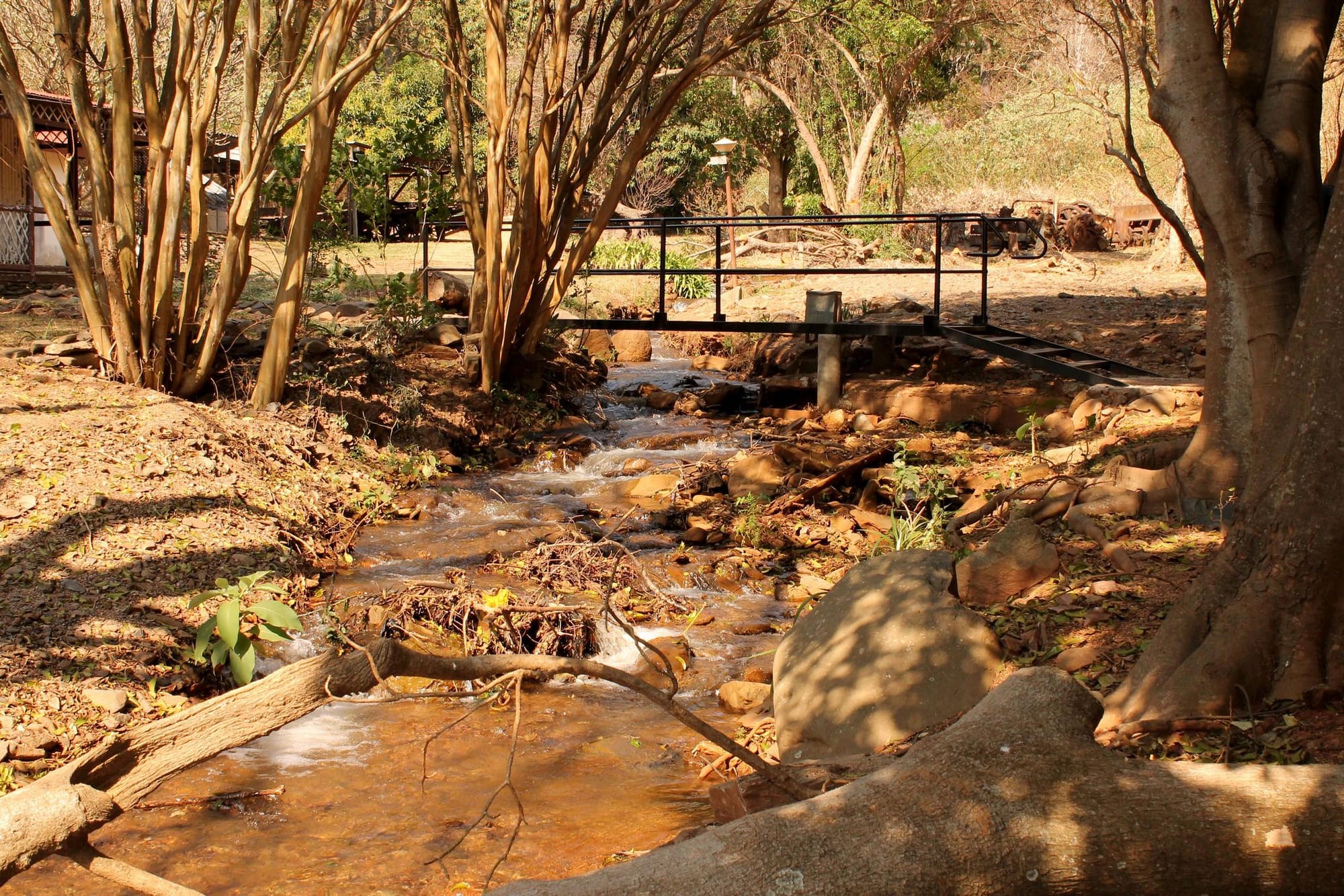
Water from the creek powered these early operations, making it the lifeblood of Barberton’s initial boom.
Rimer’s Creek was not only home to miners but also to the valley’s most colourful personalities. Some were eccentric loners who preferred the quiet hills to the bustling town, a backdrop that may have inspired tales like the “Hermit of Rimer’s Creek.”
John Duncan mentioned the “Hermit” in his book Barberton’s Goldfields My De Kaap Valley. The guy that was referred to as the “Hermit” was Jimmy Jack who lived in Rimer’s Creek. Every Sunday he would walk down Rimer’s Creek to the Clutha Store, which was about 6 miles (about 9 and a half km) from Barberton, where the owner, Mrs Ross would give him a good dinner. He would also get the opportunity to have a bath. Afterwards he would walk all the way back to the mine-tunnel were Jimmy apparently lived. Many people in town felt sorry for the guy and some would send bread and provision up the creek for him.
One weekend when provisions were taken up to him, he could not be found anywhere. He just vanished and presumable died in the surrounding mountains as a contented pauper.
These individuals became part of Barberton’s folklore. Families still recall stories passed down of solitary men living along the creek, wandering the hills, or mining in isolation. While the official records rarely mention them, their presence shaped the local culture and added character to the early settlement.
As mining operations expanded, Rimer’s Creek continued to play a pivotal role in Barberton’s economy. Though many of the early claims have long since been exhausted, the creek itself remains a visible link to the town’s golden beginnings.
Today, Rimer’s Creek is more than just a waterway, it is a reminder of the town’s resilience, enterprise, and the community spirit that grew out of the gold rush.
Walking along its banks, visitors can imagine the pioneers who first chipped at the rock in search of fortune, the makeshift camps that once lined its edges, and the quiet determination of those who stayed to build Barberton.
Rimer’s Creek continues to inspire heritage enthusiasts and history buffs. Its story is preserved in museums, heritage walks, and the memories of families who have called Barberton home for generations. It is a symbol of opportunity, risk, and the human drive to carve a life from the land.
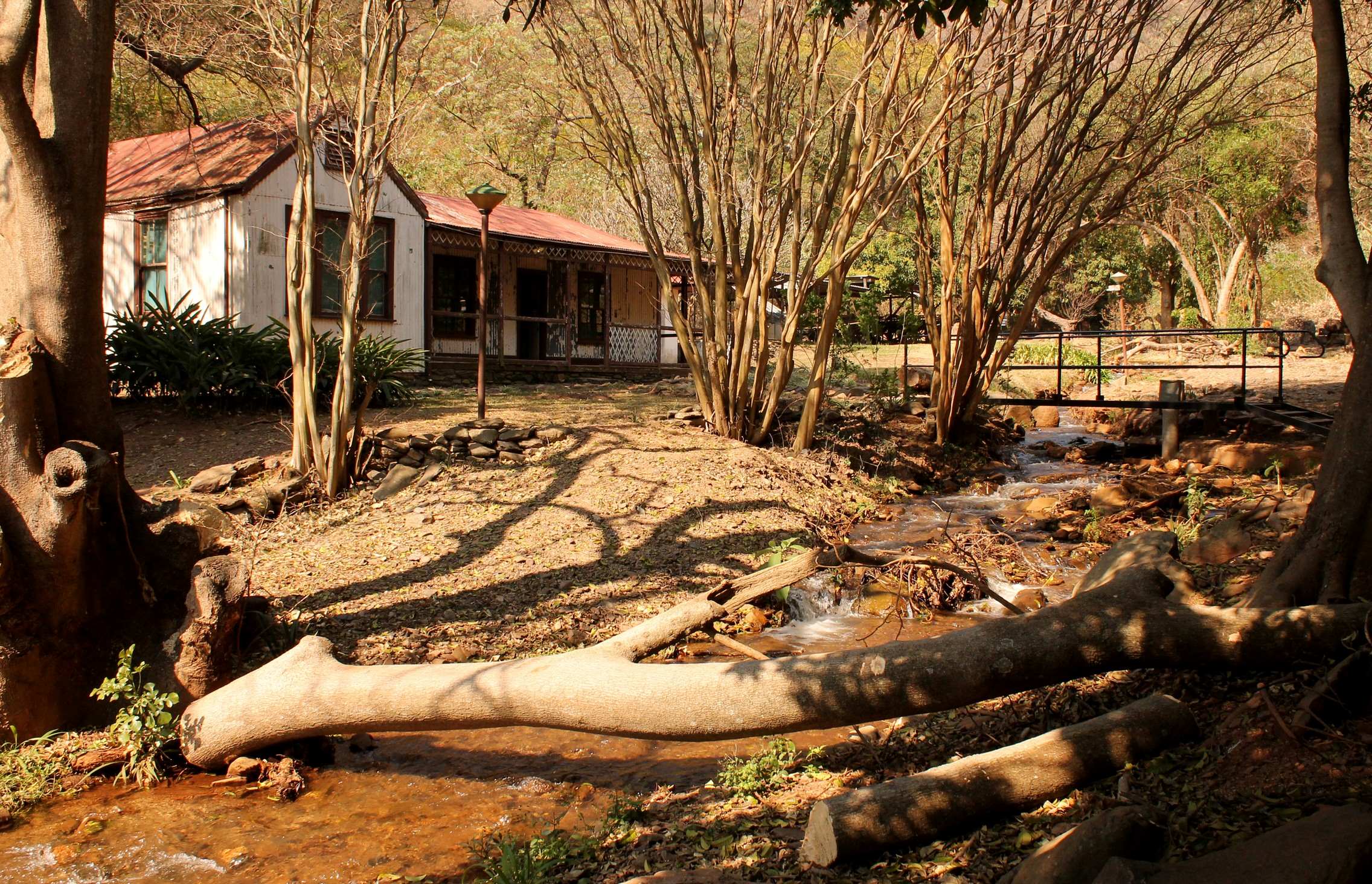
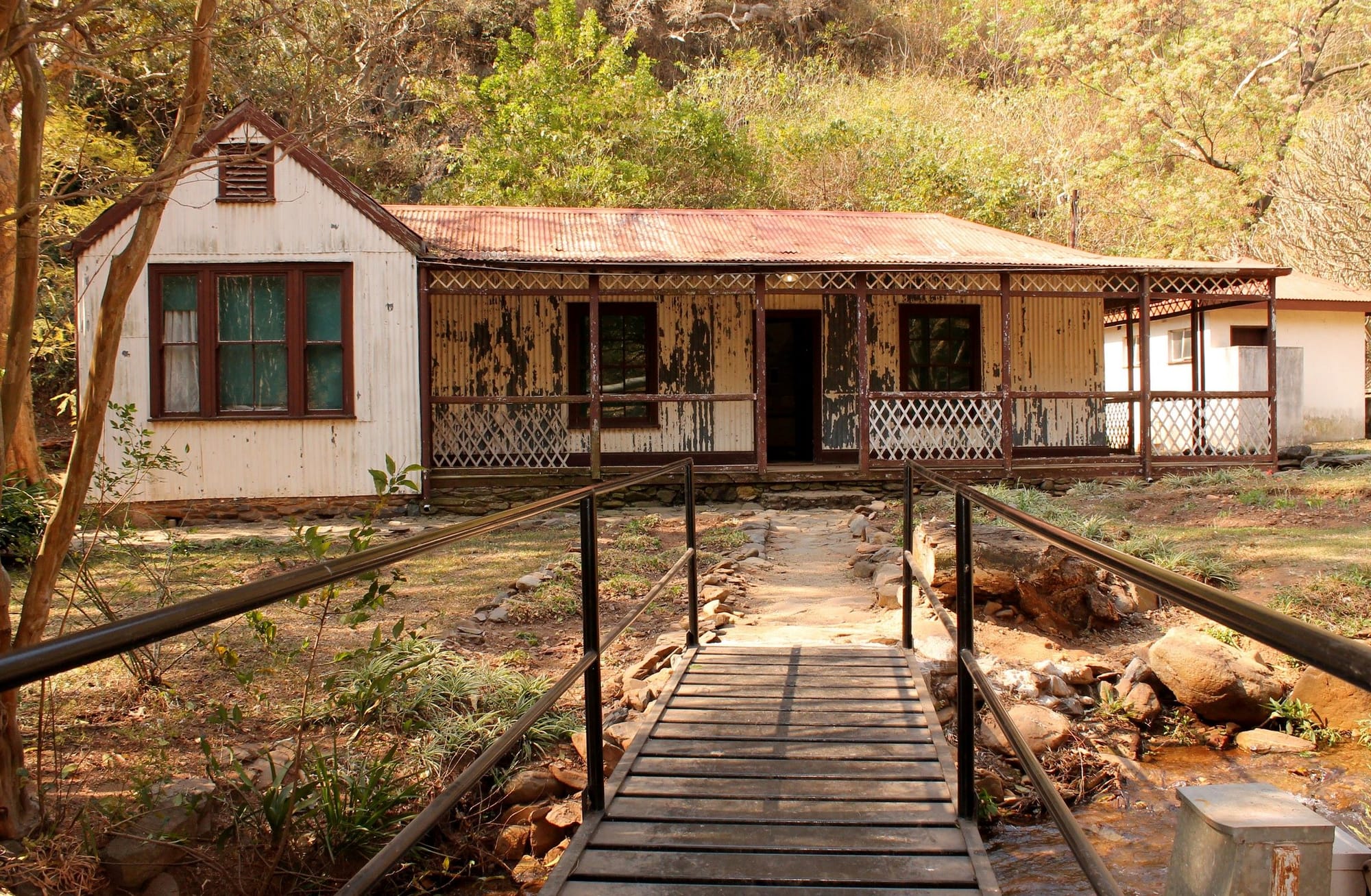
Although there is no more mining taking place in Rimer’s Creek the evidence can still be seen in the surrounding mountain sides. Be sure to visit Fernlea House that was built in Rimer’s Creek in the late 1880s.
For modern residents, the creek offers a connection to the past. While the sound of pickaxes has long faded, the legacy of those first prospectors endures. It reminds us that Barberton’s story, like the creek itself, flows steadily through time, shaping the town, its people, and its identity.

Comments ()