
Nukain Mabuza: the artist who painted the rocks of Barberton
It was here, among granite boulders and Lowveld bush, that self‑taught artist Nukain Mabuza created what would later become known as the ‘Painted Rock Garden of Revolver Creek’.
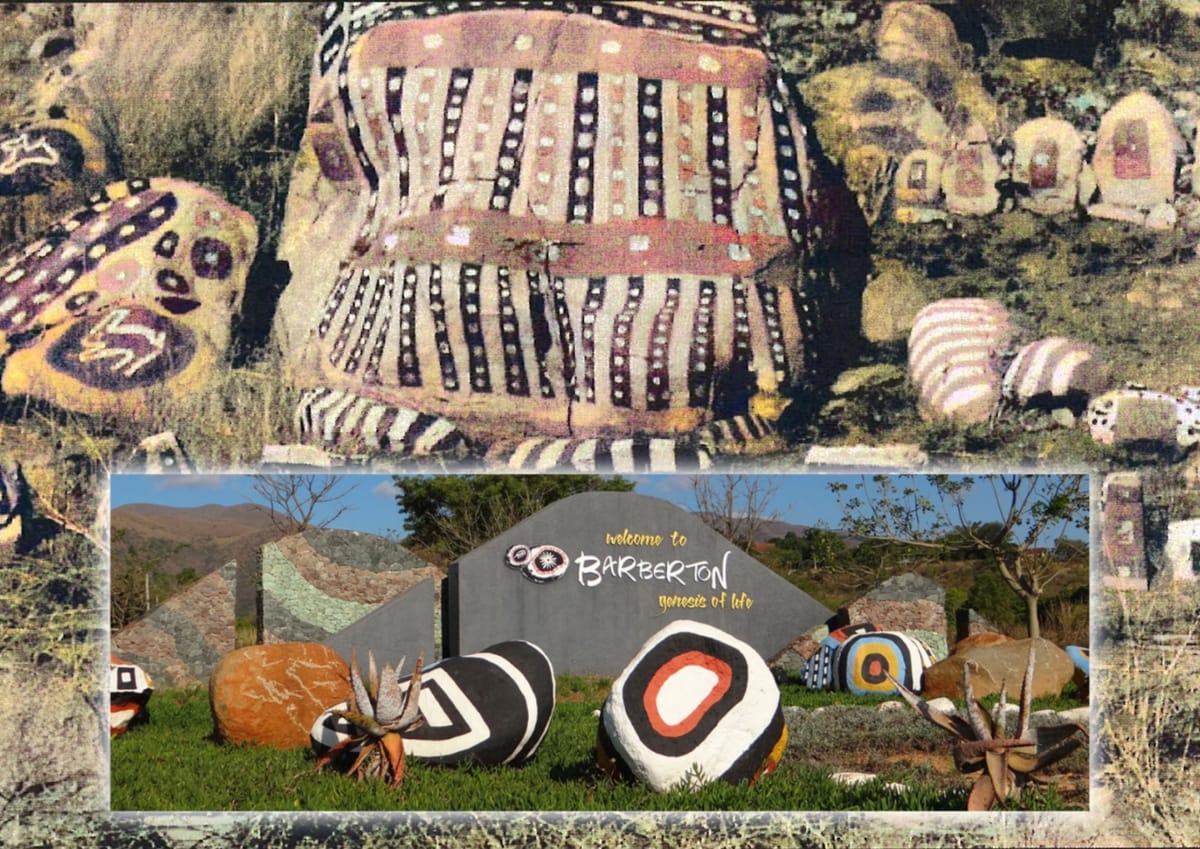
Hidden along the road between Barberton and Kaapmuiden lies the fading remains of one of the Lowveld’s most unusual artistic landmarks. It was here, among granite boulders and Lowveld bush, that self‑taught artist Nukain Mabuza created what would later become known as the ‘Painted Rock Garden of Revolver Creek’.
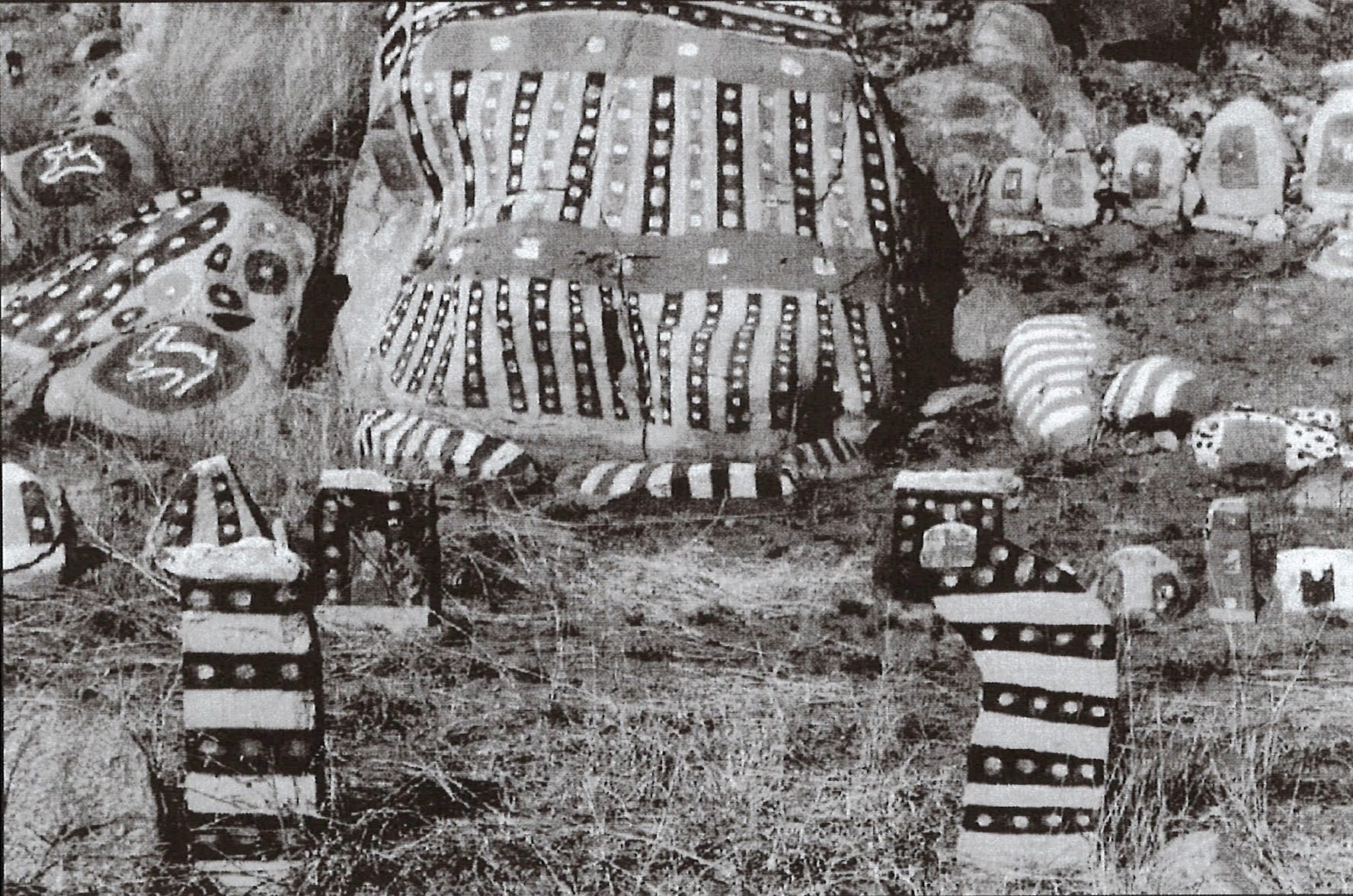
Although little remains of the once vibrant hillside today, Mabuza’s work left a lasting impression on the region. His story, one of creativity, resilience and quiet determination, forms an important and often overlooked chapter in the cultural heritage of the Barberton area.
Very little is known about Mabuza’s early life. Historians believe he may have been born in Mozambique or Swaziland around the early 20th century before eventually making his way to South Africa.
By the 1960s he was living and working as a labourer on the farm Esperado at Revolver Creek, situated along the R38 between Barberton and Kaapmuiden. The area, known for its rugged hills and granite outcrops, would become the canvas for his remarkable artistic vision. Unlike trained artists, Mabuza had no formal art education. Yet the landscape around him inspired something extraordinary. What began as simple decoration near his small dwelling slowly evolved into an expansive outdoor artwork.
During the late 1960s and 1970s Mabuza began painting the rocks scattered across the hillside near his home. Using simple brushes and whatever paint he could obtain, he transformed hundreds of stones into colourful patterns.
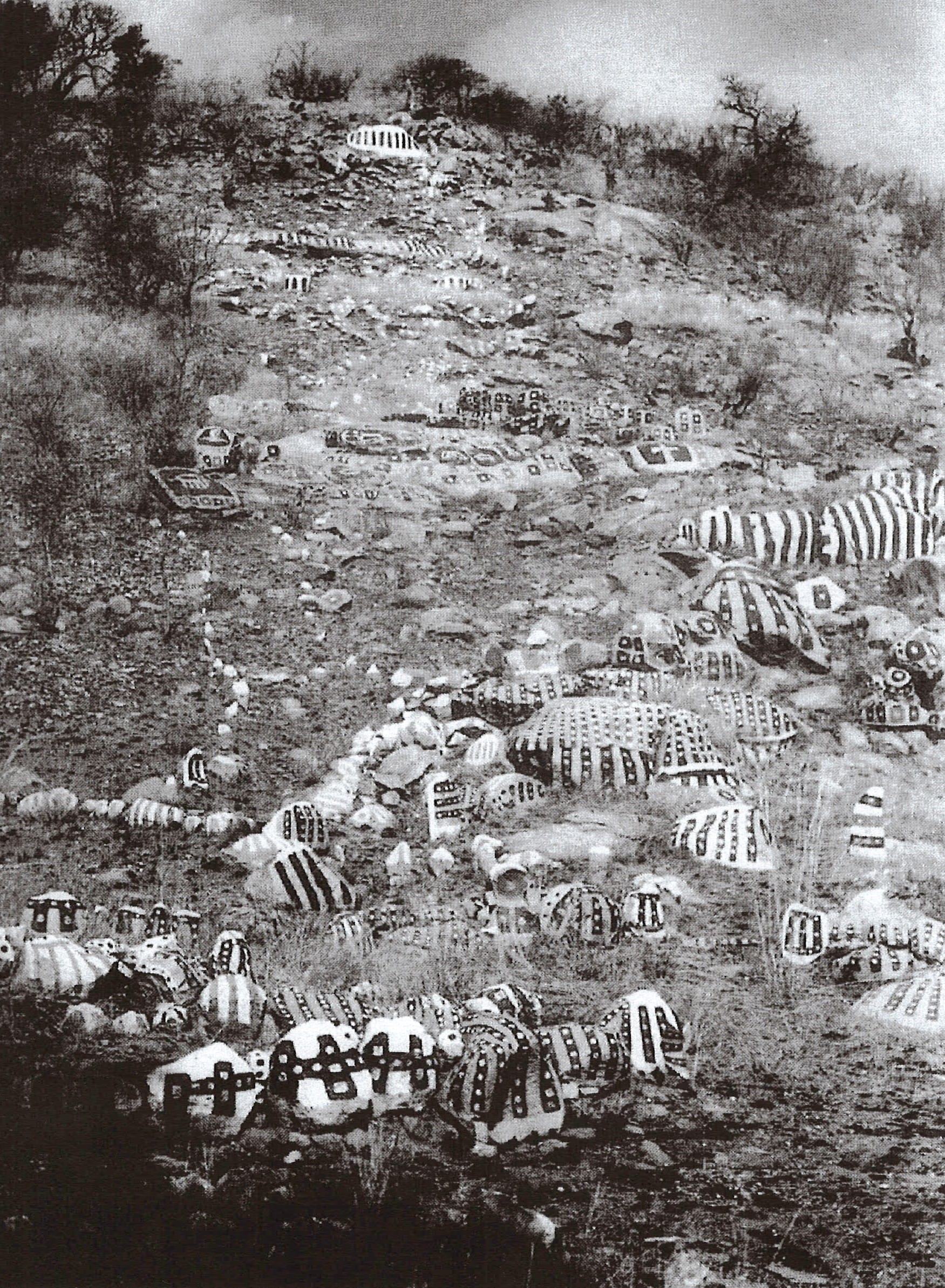
Bold stripes, geometric shapes, dots and stylised animals appeared across the rocks. At first his colour palette was limited, but later expanded as he gained access to more paint. Bright yellows, whites, blues and greens began appearing across the granite landscape. Visitors travelling along the nearby road were often astonished by the sight of the brightly coloured hillside. What looked from a distance like a field of flowers was in fact a carefully arranged collection of painted rocks.
Mabuza referred to the site simply as his garden, guiding curious visitors along the pathways he created between the stones. Over time the site became known informally as the “Stone Garden of Flowers”.
At its height, the site attracted photographers, journalists and curious travellers from across South Africa. Many were struck not only by the unusual artwork, but also by the quiet dedication of the man who had created it.
Today art historians describe Mabuza as an “outsider artist”, someone who creates outside the traditional art world of galleries, schools and formal training.
Despite working in isolation and with limited resources, his work is now recognised internationally as an important example of visionary environmental art. The painted rock garden is often compared with other outsider art environments around the world where individuals transformed entire landscapes into artistic expressions. For Mabuza, however, the work was never about fame or recognition. It was simply a way of bringing beauty to the environment around him.
The remarkable story of the artist at Revolver Creek eventually reached the ears of celebrated South African playwright Athol Fugard. Inspired by Mabuza’s life and work, Fugard wrote the stage play “The Painted Rocks at Revolver Creek”.
The play explores themes of creativity, dignity and the human need for artistic expression. It premiered internationally in New York before being performed in South Africa, bringing global attention to the little‑known Lowveld artist.
Through theatre, Mabuza’s story reached audiences far beyond the hills where he once painted his rocks.
Despite the recognition his work would later receive, Mabuza lived most of his life in relative obscurity. After leaving the farm where he had created his rock garden, he passed away in 1981. He was buried in the Emjindini cemetery in Barberton, in a grave that for many years was marked only by a simple reference number.
Meanwhile, the painted rocks he left behind slowly began fading under the Lowveld sun. Rain, wind and vegetation gradually reclaimed the hillside that had once glowed with colour.
Yet even in their faded state, the stones remain a quiet reminder of the vision that once transformed that landscape.
Although many residents may not immediately recognise his name, Nukain Mabuza’s artistic influence can still be seen in Barberton today.
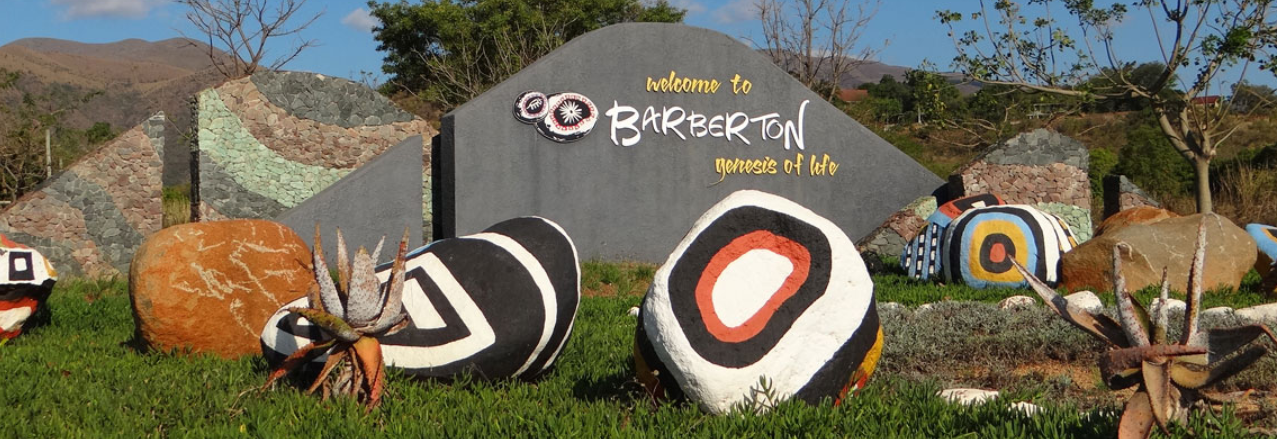
The colourful mosaic gateway structures that welcome visitors to the town draw inspiration from the bold geometric patterns that characterised his painted rocks. Barberton’s painted rock entrances were created by Ronél Reinecke, commissioned by the late John Clarke and Astrid Christianson from Barberton Tourism, in a style inspired by the late Nukain Mabuza. These designs echo the same spirit of creativity and colour that defined Mabuza’s work decades earlier.
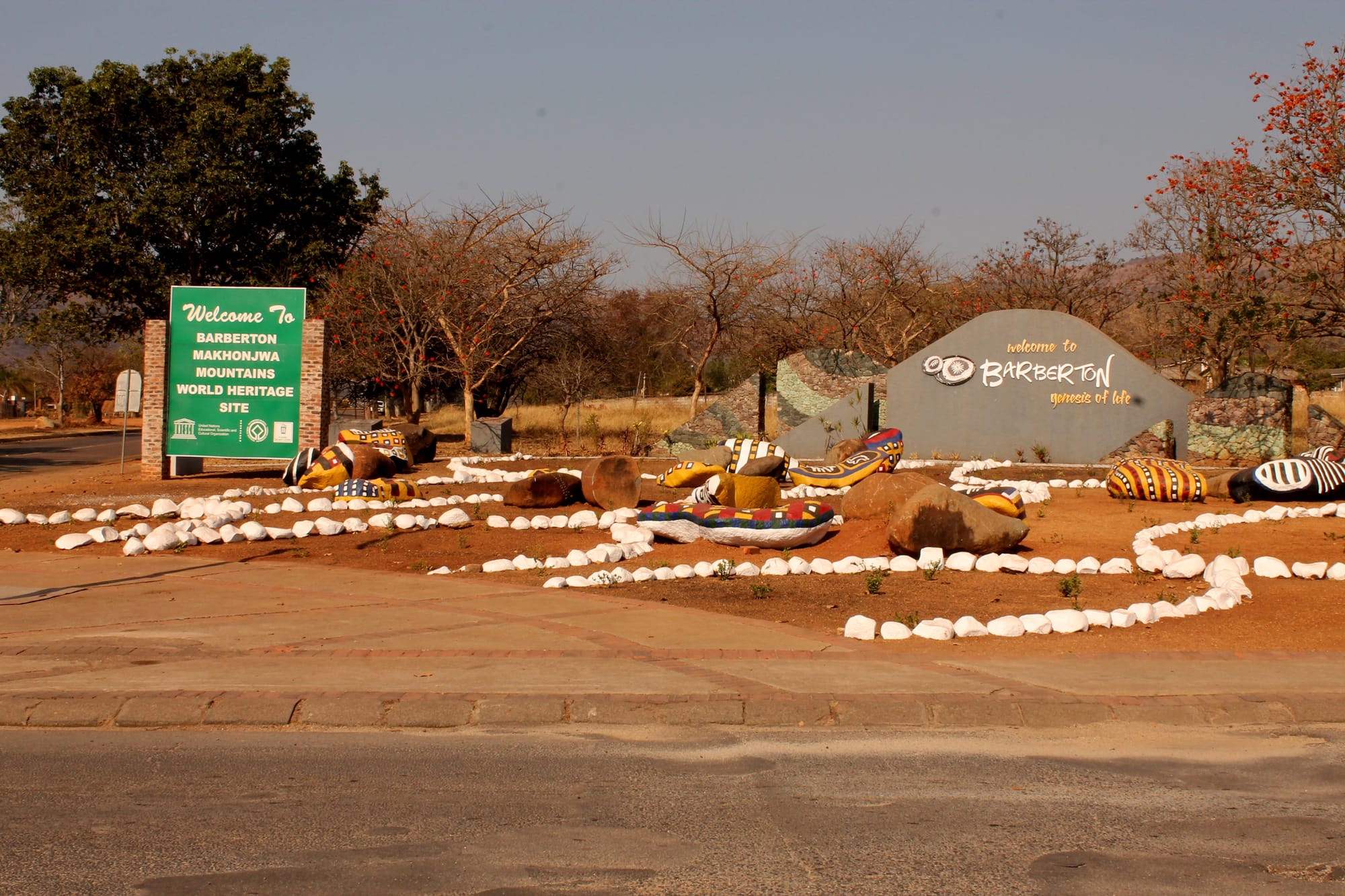
In this way, his artistic legacy continues to live on as part of Barberton’s visual identity. The story of Nukain Mabuza reminds us that great art does not always emerge from studios or galleries. Sometimes it grows quietly in unexpected places, on a hillside, among granite stones, guided only by imagination. Today the fading remains of the Painted Rock Garden stand as one of the most unusual cultural landmarks in the Lowveld. Though time has softened the colours, the legacy of the man who painted them continues to inspire those who discover his story.
For Barberton, a town rich in history and creativity, the life of Nukain Mabuza remains a reminder that art can flourish anywhere, even among the rocks of Revolver Creek.
Comments ()