
🎥 Kids, this one’s for you: Grow it, plant it, paint it!
Looking for ways to keep the kids busy during the school holidays? Gardening projects like bean jars, painted rock markers and mini succulent gardens are fun, affordable and teach valuable life skills - all from your own backyard.
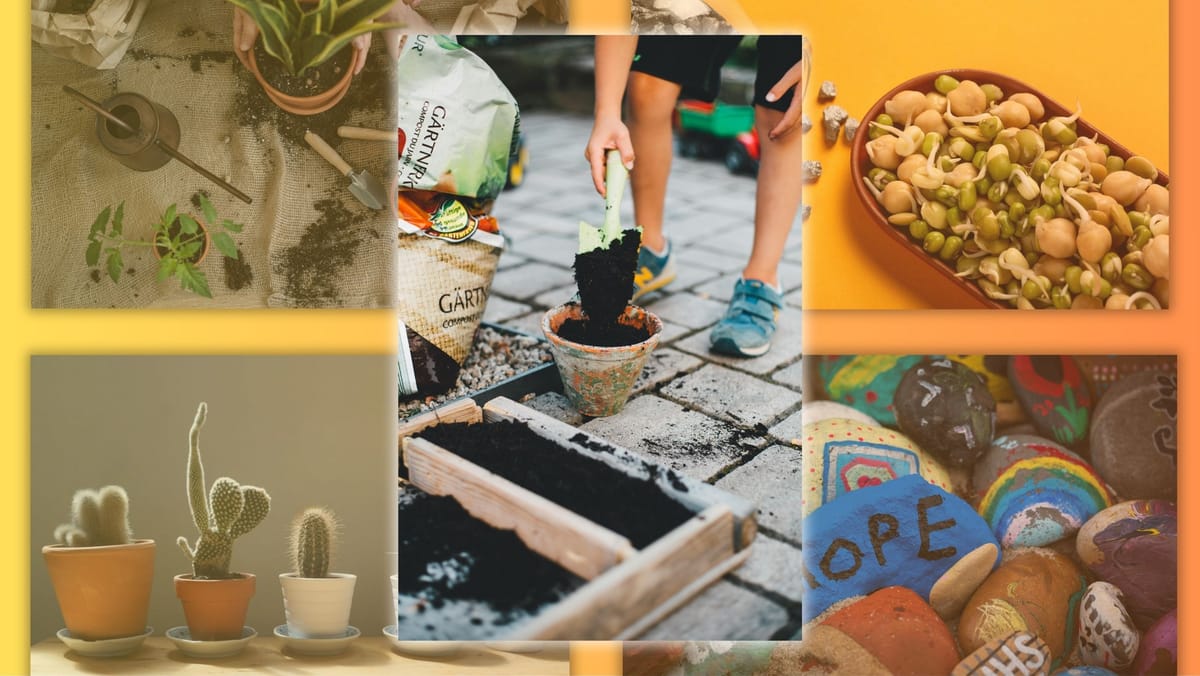
With the school holidays beginning this week, many parents are looking for ways to keep children entertained without relying on screens or expensive outings. One of the simplest and most rewarding options is right outside the back door.
Gardening projects offer children a chance to stay active, learn practical skills and spend time as a family, all while creating something that lasts long after the holidays are over.
The warm Lowveld climate and fertile soil make it an ideal place to introduce children to gardening. Even families with limited space can take part using pots, recycled containers or small corners of a yard.
Bean jars: Watching nature in action
One of the easiest and most educational activities is growing beansprouts in a jar. All that is needed is a clear glass jar, or a plastic bottle, some cheesecloth, and a container, along with paper towel and a few dried beans.
Children can watch as roots and shoots begin to appear within a few days. The transparent jar turns the process into a living science lesson, and there is something magical about growing your own food. Even the pickiest kids will at least try to eat their own produce in a salad or Buddha bowl.
Rock markers: Turning stones into garden art
Painting rocks to use as garden markers is another project that combines creativity with practical use. Smooth stones can be collected from gardens or purchased cheaply, then painted with the names of herbs, vegetables or flowers.
This activity helps younger children learn to recognise plant names while also giving them a sense of ownership over the garden. Brightly coloured rock markers also add personality and colour to garden beds, making the space more inviting and visually appealing. Acrylic paint works best for outdoor use, and a clear sealant can help protect the artwork from rain and sun.
Mini succulent gardens: Perfect for small hands and small spaces
Succulents are particularly well suited to Barberton’s climate and are easy for children to care for. Creating a mini succulent garden in a shallow container or old teacup teaches children about plant spacing, soil and watering habits.
Succulents require well-draining soil and only occasional watering, which makes them forgiving if children forget to water them for a few days. Parents can help children arrange different shapes and colours of succulents to create visually interesting miniature landscapes. Using recycled containers such as tins, mugs or wooden boxes also introduces children to the idea of reusing materials rather than throwing them away.
Building responsibility through routine and spending time together learning
Gardening teaches children that living things depend on consistent care. Simple tasks such as watering plants, checking for pests and removing weeds can be turned into daily or weekly responsibilities during the holidays.
These small routines help children develop discipline and patience, qualities that are often difficult to teach through indoor activities alone. Watching a plant grow because of their own efforts also gives children a strong sense of achievement.
Beyond the practical skills and educational value, gardening projects offer families a chance to spend meaningful time together. Digging soil, planting seeds and decorating containers create opportunities for conversation and teamwork away from the distractions of phones and television.
For many parents, the holidays can be stressful as they try to balance work and childcare. Short, simple gardening sessions, even just 20 minutes a day, can provide structure and shared experiences without requiring major planning or expense.
Children who learn to garden often develop a deeper respect for the environment and a better understanding of where food comes from. Planting herbs or vegetables that can later be used in the kitchen helps connect gardening with everyday life and encourages healthier eating habits.
In a town like Barberton, or a city like Nelspruit, where natural beauty and outdoor living are part of daily life, these early experiences can foster a lifelong connection to the environment.
The key to successful holiday gardening projects is to keep them simple and enjoyable. Children are more likely to stay interested if they can see quick results and if the projects feel like play rather than chores.
Beans that sprout within days, brightly painted rocks and hardy succulents that thrive with minimal care are all ideal starting points. As children grow older and more confident, families can expand into larger vegetable gardens, composting or even small landscaping projects.



Comments ()