
John Duncan: a life shaped by the De Kaap Valley
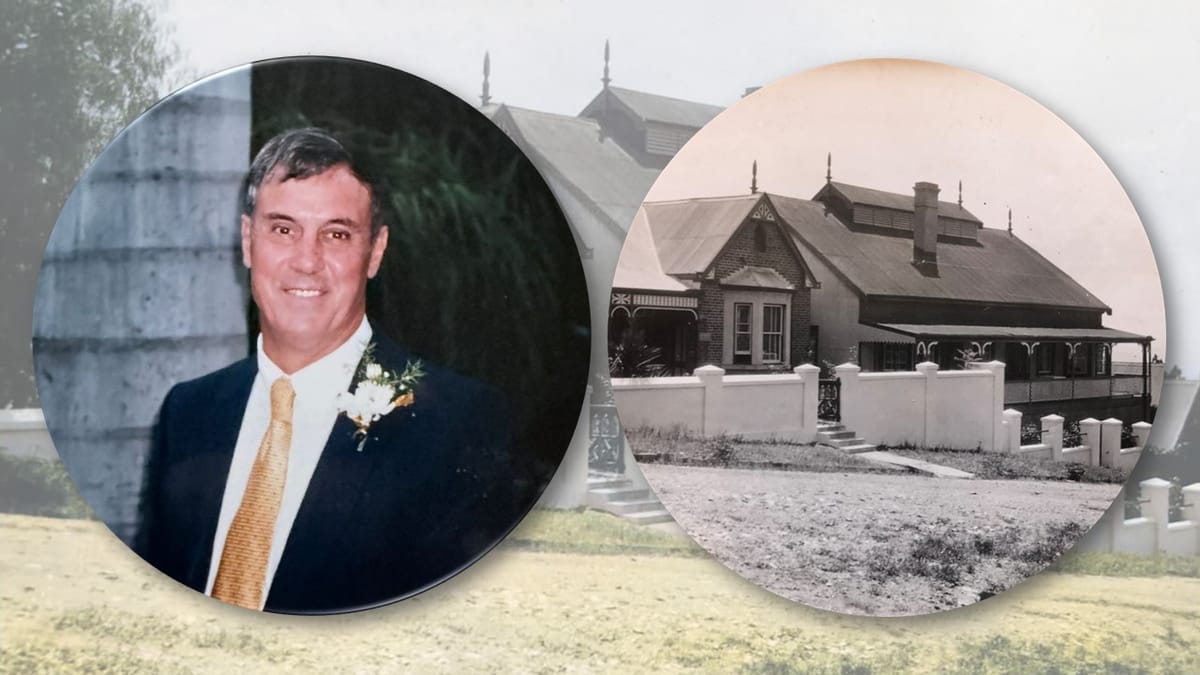
From a farm boy known as “Dubula” to a merchant navy engineer sailing the world’s oceans, John Andrew Duncan’s life was shaped by adventure, resilience and deep roots in the De Kaap Valley.
🔴 You might also like to read:
 Lynette Spencer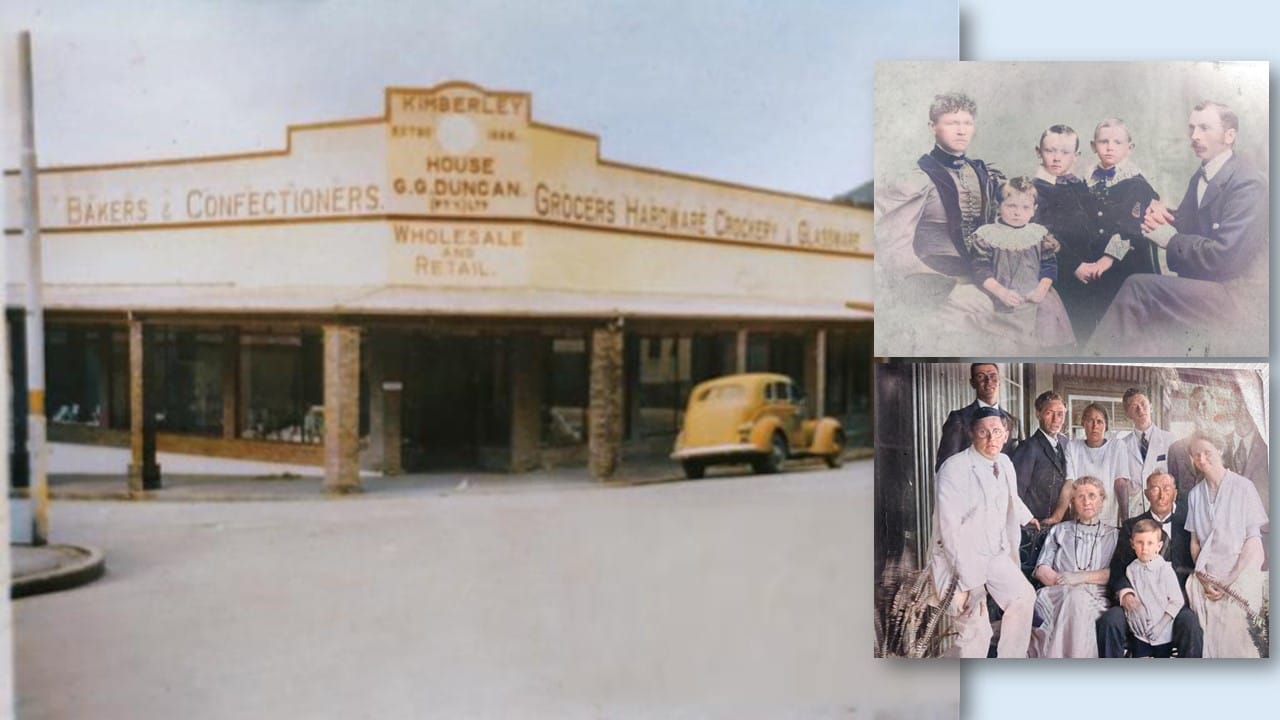
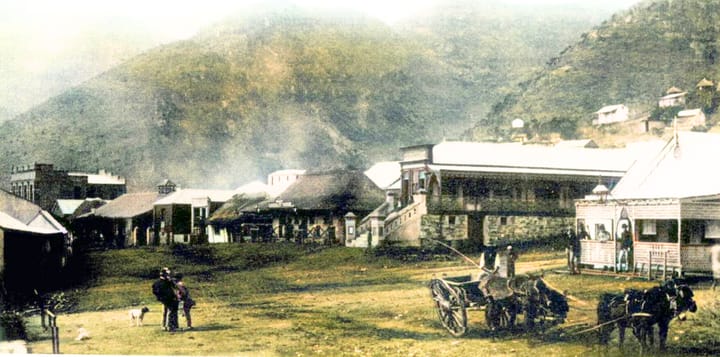
Among the later generations of the Duncan family who called Barberton home was John Andrew Duncan, a grandson of the original merchant line that began when GG Duncan arrived in the gold rush days in October 1885, and established his businesses in the mining town.
Like many children born into pioneer families, John grew up in a community shaped by mining, trade, farming and the strong ties of a close-knit family.
His connection to the region was lifelong and heartfelt, something he later expressed in his own writings under the title Barberton Goldfields, My De Kaap Valley. According to his son Gary, the book was never officially published and only a few copies are owned by family and friends, of which this journalist is happy to be one.
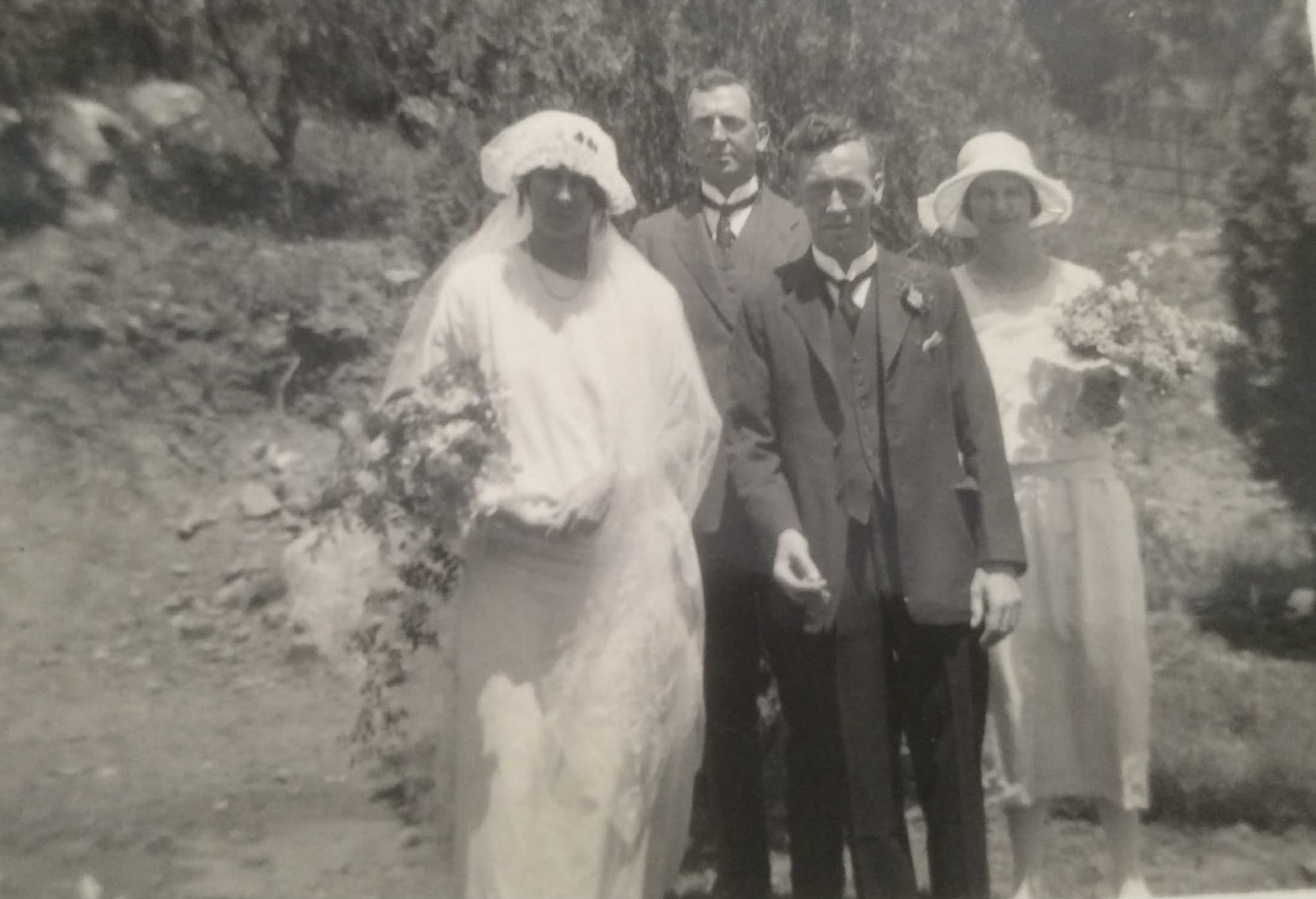
John Andrew Duncan was born the youngest of four children. His older siblings were Betty, Jean and Gordon. He lost his father at the age of four and was raised largely by his mother, Olive Todd, the eldest daughter of Samuel Todd of Litchi Farm and Todd House.
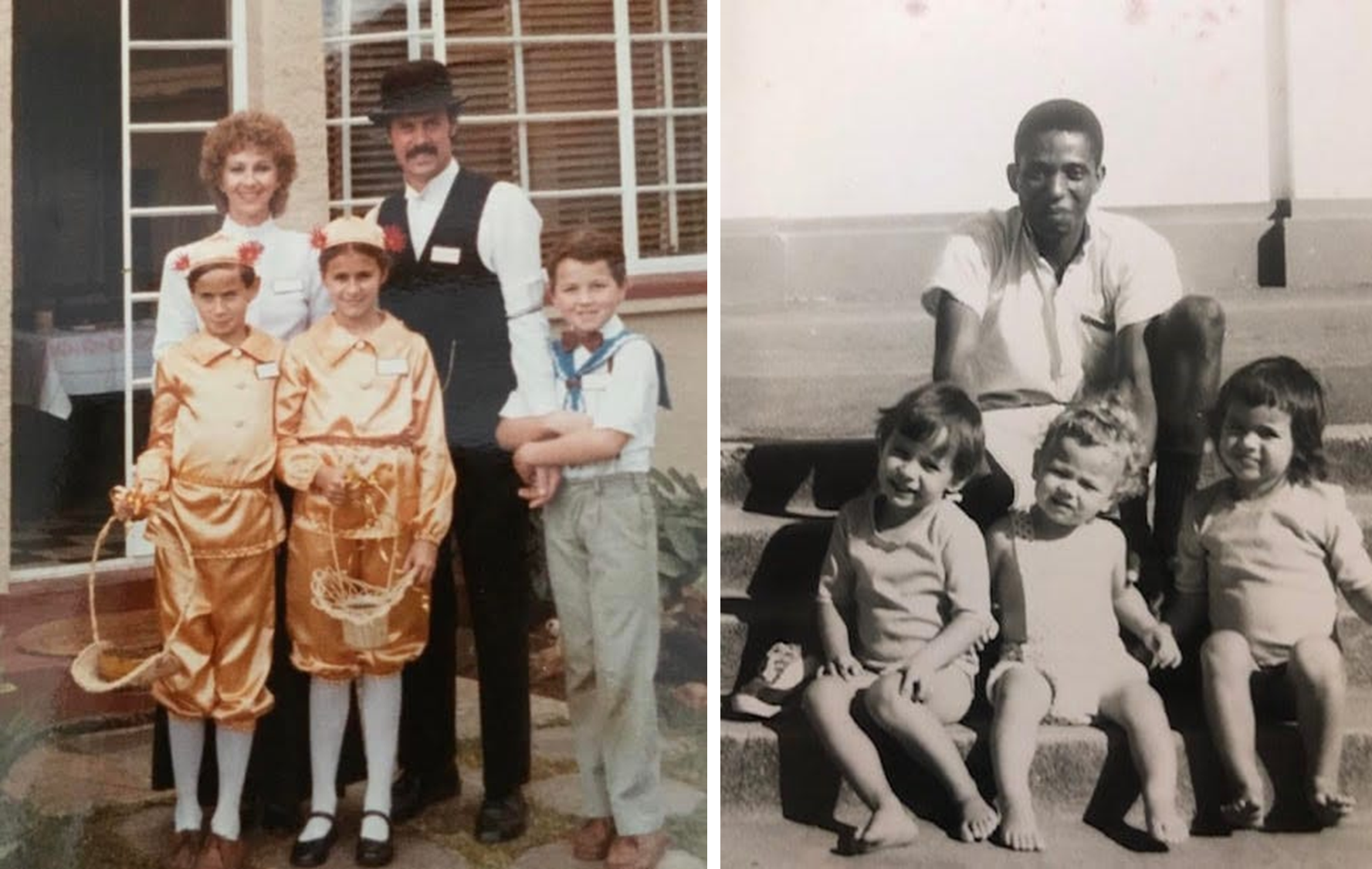
At just five years old, John went to live with his Uncle Arthur and Aunt Marjorie Todd at Biggar Farm near Barberton. There he spent his formative years exploring the countryside with his cousin Erick Todd and absorbing the rhythms of farm life. Immersed in local Swazi culture, he became fluent in the language and formed deep friendships with the farmworkers’ children.
By the age of seven, he had developed a reputation as a natural marksman and earned the Swazi nickname “Dubula”, meaning “the one who shoots.”
Farm life taught him independence early. He learned to drive tractors, ran errands across the property, hunted guinea fowl, and spent long days fishing with friends such as Vusi. Some of his childhood adventures became family legends, including the time he and a friend accidentally drank homemade African beer on a hot fishing day, or when he crawled through stinging nettles to retrieve a wounded guinea fowl, only to run home covered in welts and mud.
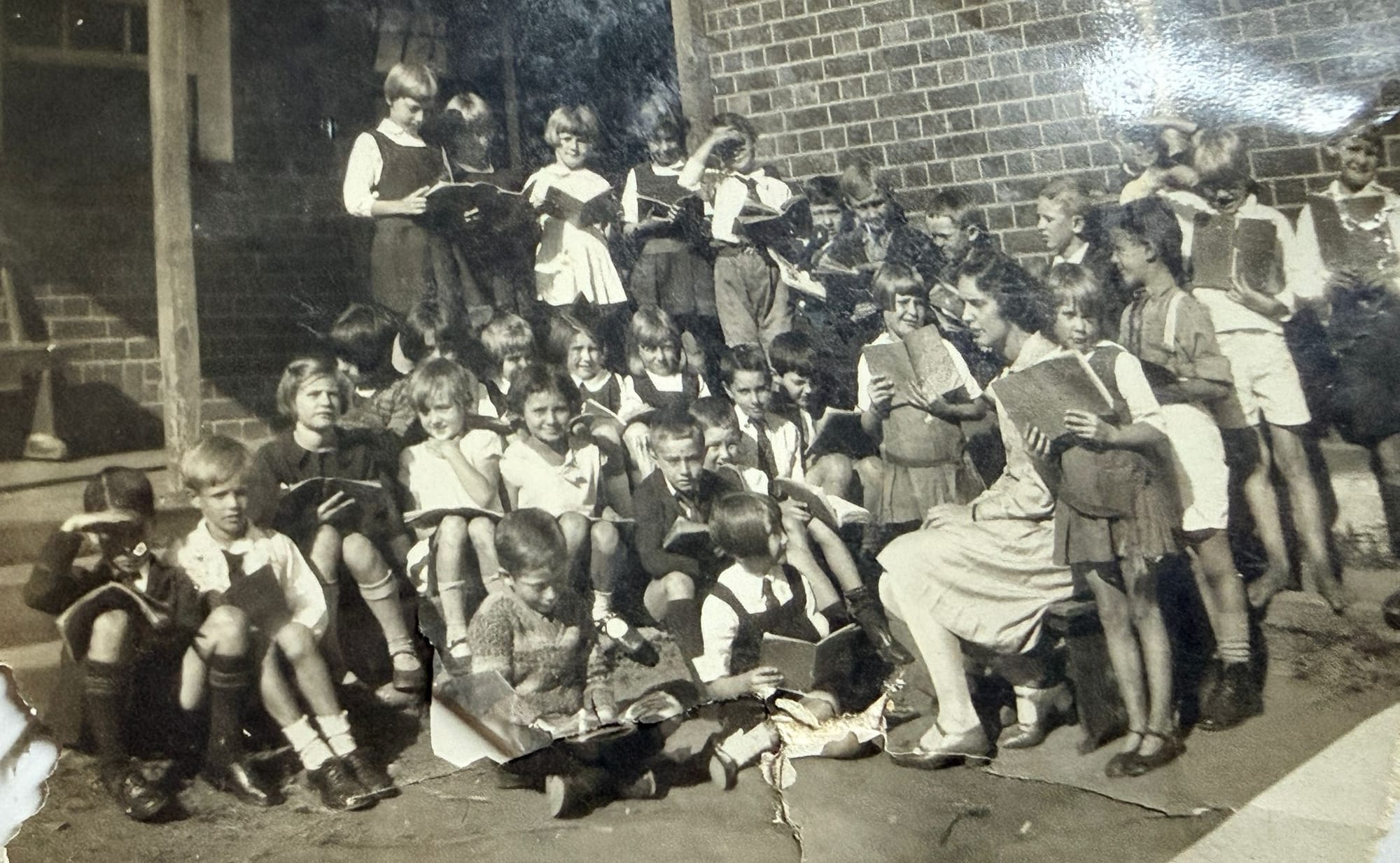
John attended primary school in Barberton before moving on to Pretoria Boys High School, where he excelled at cross-country running. Academics held less appeal than practical work and adventure, and at sixteen and a half he left school to begin a five-year apprenticeship, which he completed at Henshall’s in Barberton.
To save money for travel, he worked nights as a cinema projectionist in Crown Street, where a cinema used to be. Today the cinema has been replaced by shops with flats on top.
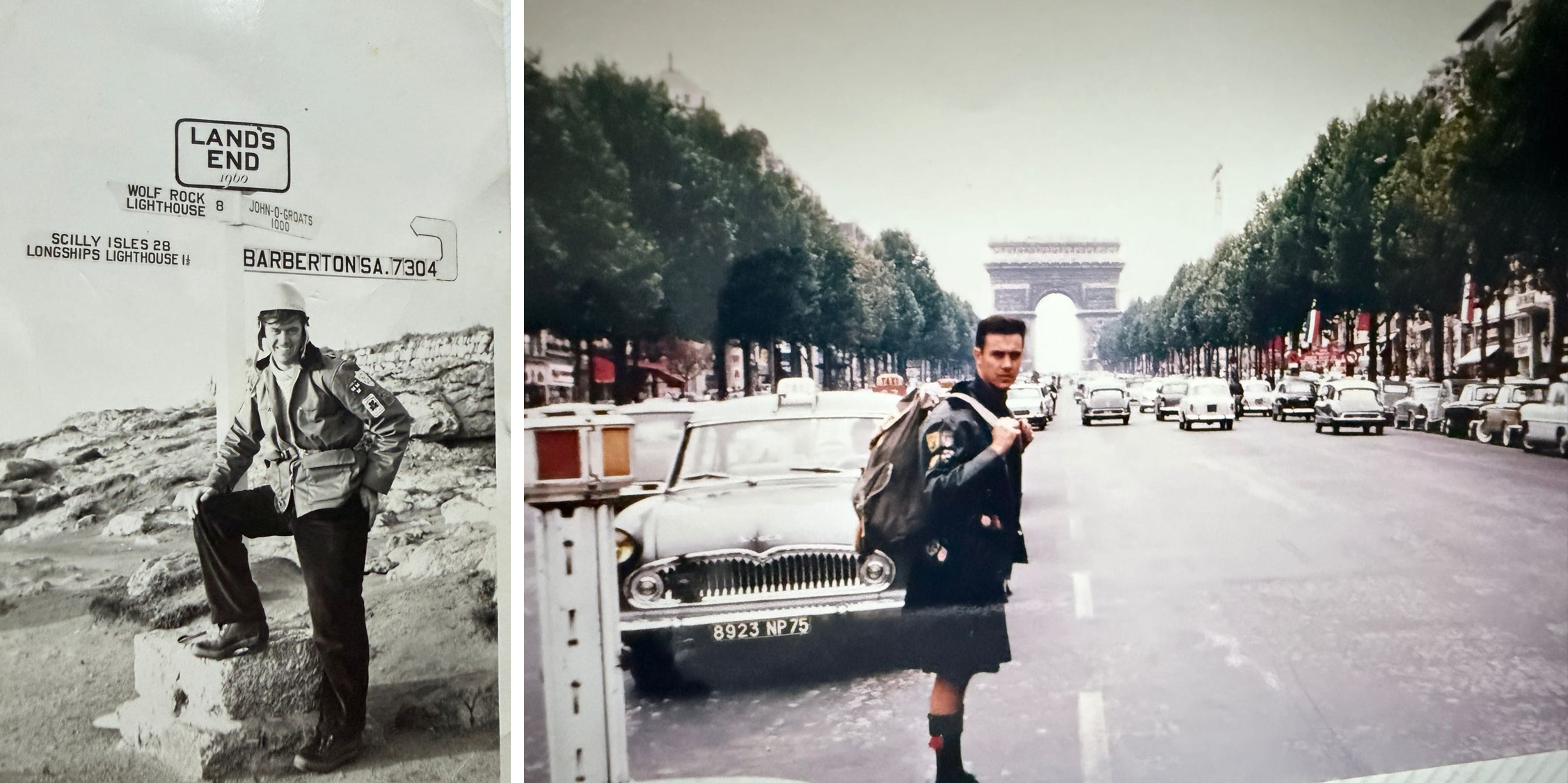
His desire to see the world was fuelled by family stories and the travelogues he screened at the cinema. After completing his apprenticeship, he and his brother Gordon boarded the Edinburgh Castle for the United Kingdom. In London, he worked a variety of jobs, including catering and hop-picking in Kent. During summer months, he hitchhiked across the UK, Ireland and continental Europe, often wearing a kilt that attracted lifts and started conversations.
His travels eventually took him across Western and Eastern Europe, into Russia, and across the Mediterranean to North Africa. Restless once more, he travelled to Australia via Greece, taking the ship Patris to Sydney. After trying his hand at cutting sugarcane in Queensland, he moved to café work in Cairns and visited the Great Barrier Reef before returning to England via Cape Town.
Back in England, he joined the British Merchant Navy as a junior engineer with P&O. His first ship, the Chitral, sailed routes as far as Japan. On the passenger liner Arcadia, he rose to fourth engineer.
During one voyage, a turbine lost vacuum pressure. After senior engineers searched unsuccessfully for three days, John located the fault within minutes, a six-inch crack in a pipe, earning rare praise from the chief engineer.
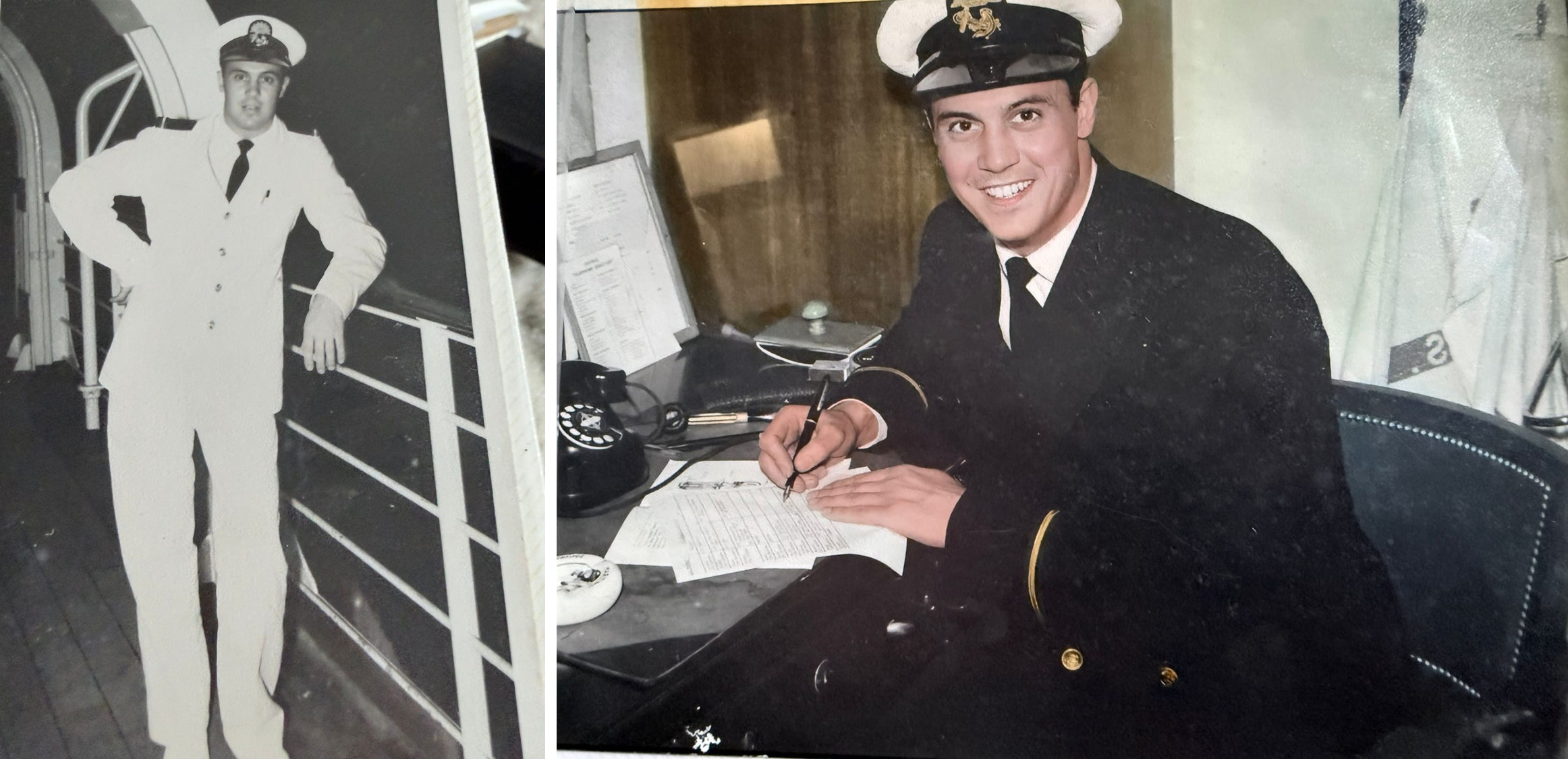
He later served on the Reina del Mar, travelling between South Africa and South America during a politically charged period. After eight years at sea and rising to the rank of third engineer, he returned to South Africa when his mother became ill and settled into Barberton. He started his own business, John’s Sport Center in 1967 in Crown Street.
He first married Pauline Brown in Durban, and the couple had two daughters, Jennifer and Helen. In 1972 he married Laurette du Toit of Swaziland, a local teacher who taught at Barberton Primary School. Their marriage produced three children: Marsha, Andrew and Gary.
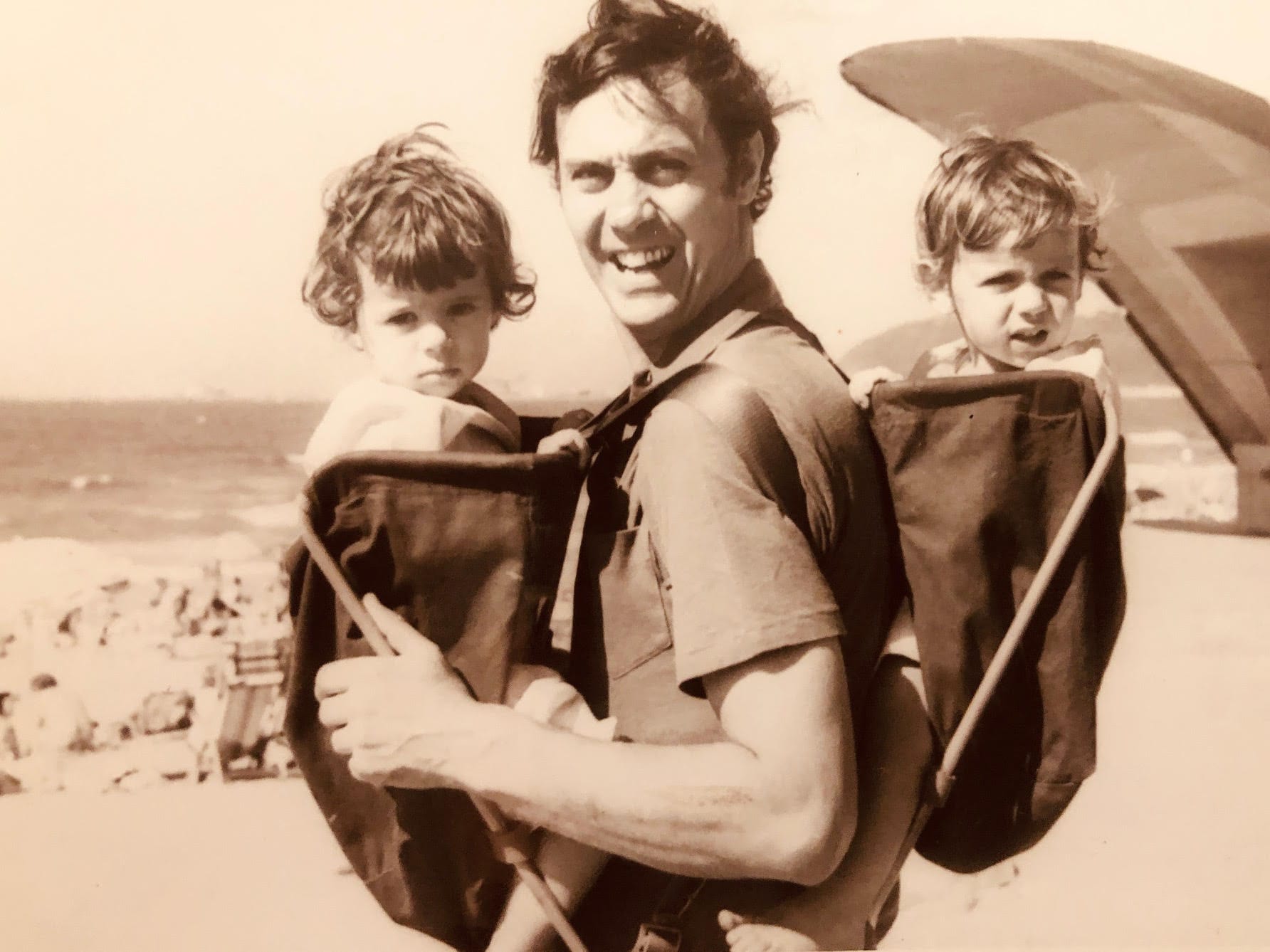
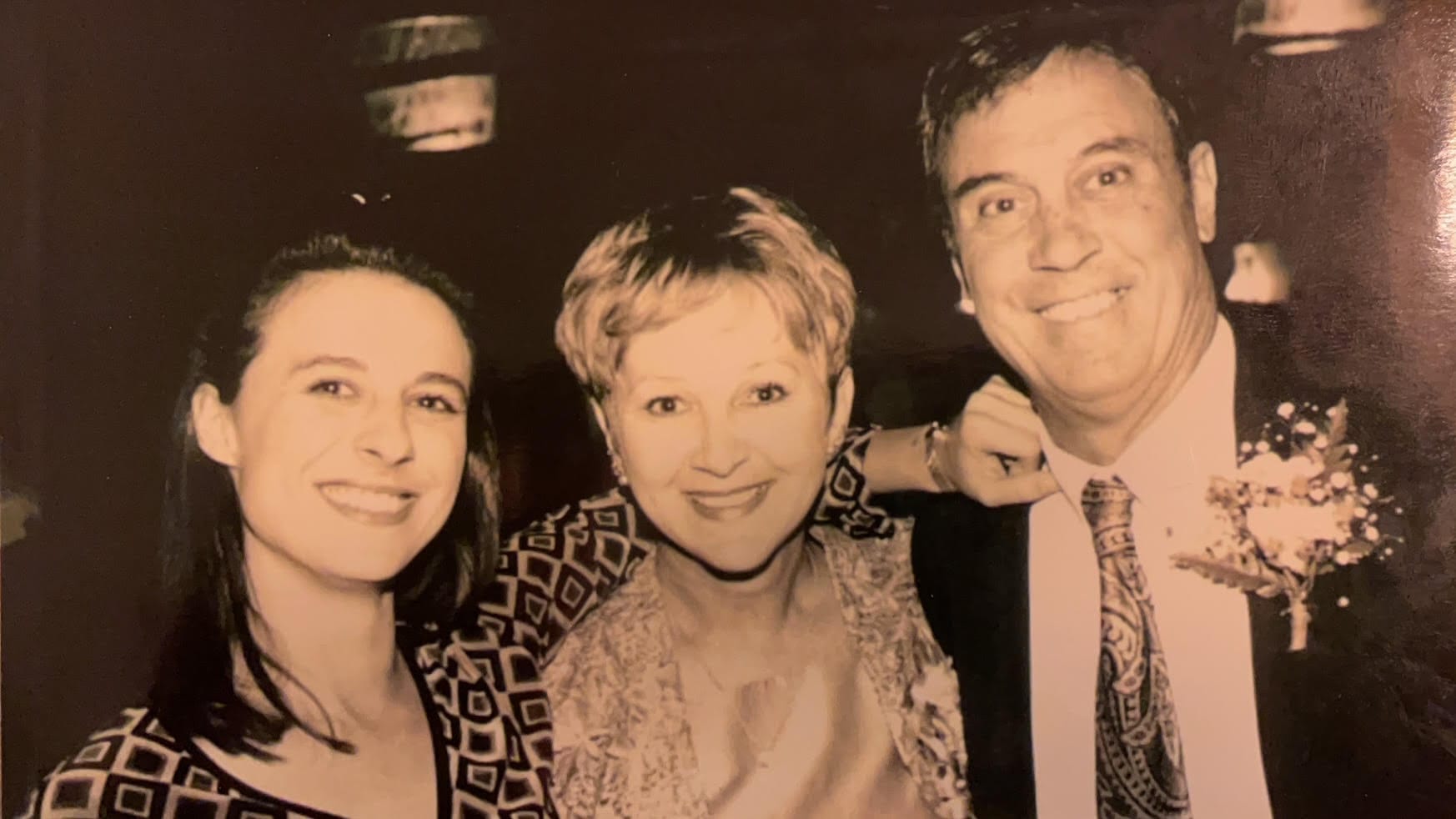
John did not live in the lime light and went quietly on minding his own business. He played tennis and bridge and spent as much time as he could with his grandchildren after retirement.
John was diagnosed with myelodysplasia, a bone marrow cancer in 2007. Despite this death sentence he stay positive and fought to conquer it. He still walked his much-loved mountains around town as often as he could. He went into remission but, unfortunately it returned in February 2010 went he was diagnosed with prostate cancer and in June with acute leukaemia. He passed away on September 15, 2010.
John was an encyclopedia of information on the history of Barberton.
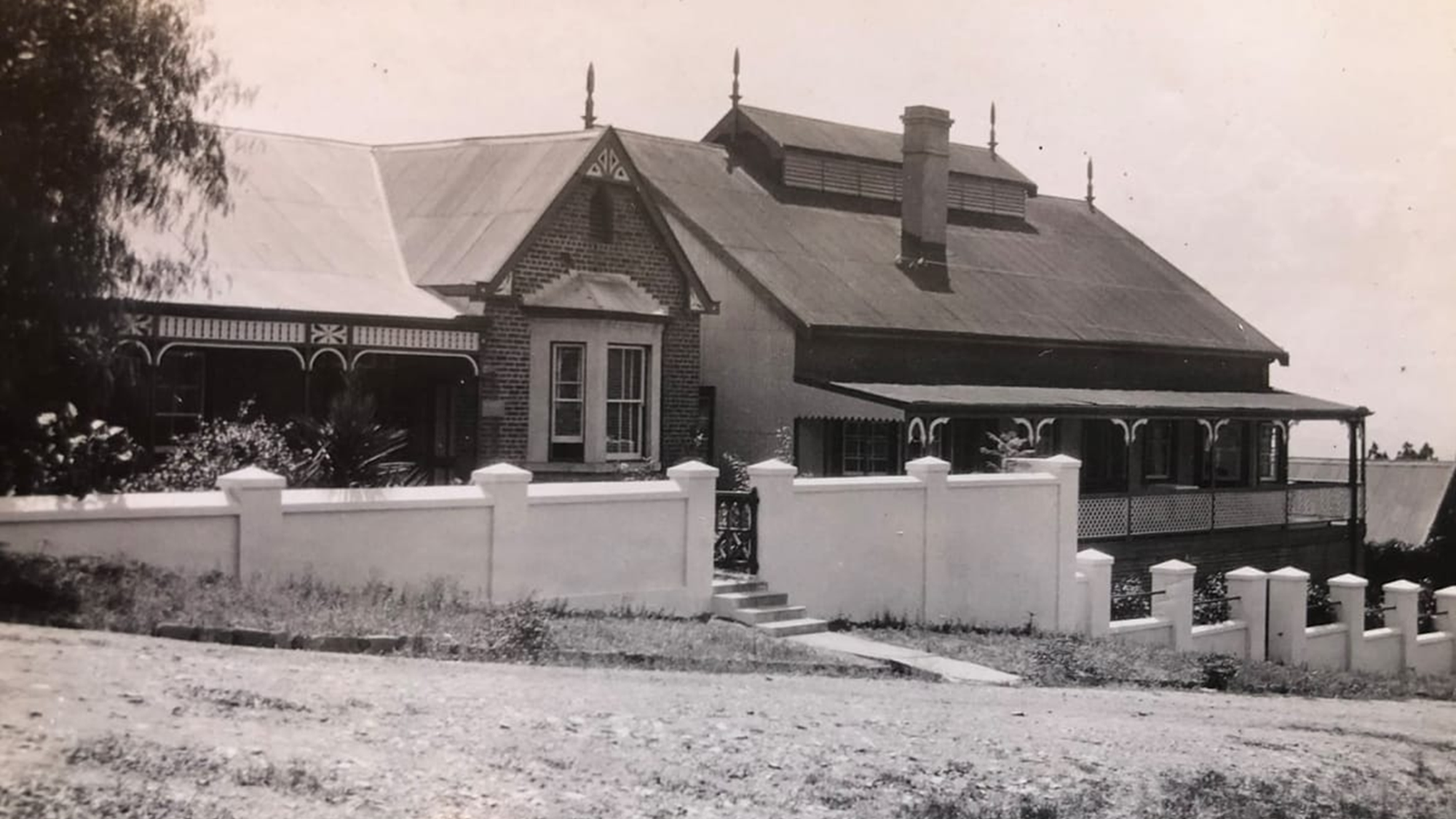
Today, only Andrew still lives in Nelspruit. Due to all off the family having British passports, Laurette, Marsha with her two daughters, Emily and Sarah and Gary moved to Great Britain. Marsha passed away in 2019 after also fighting cancer for a number of years.
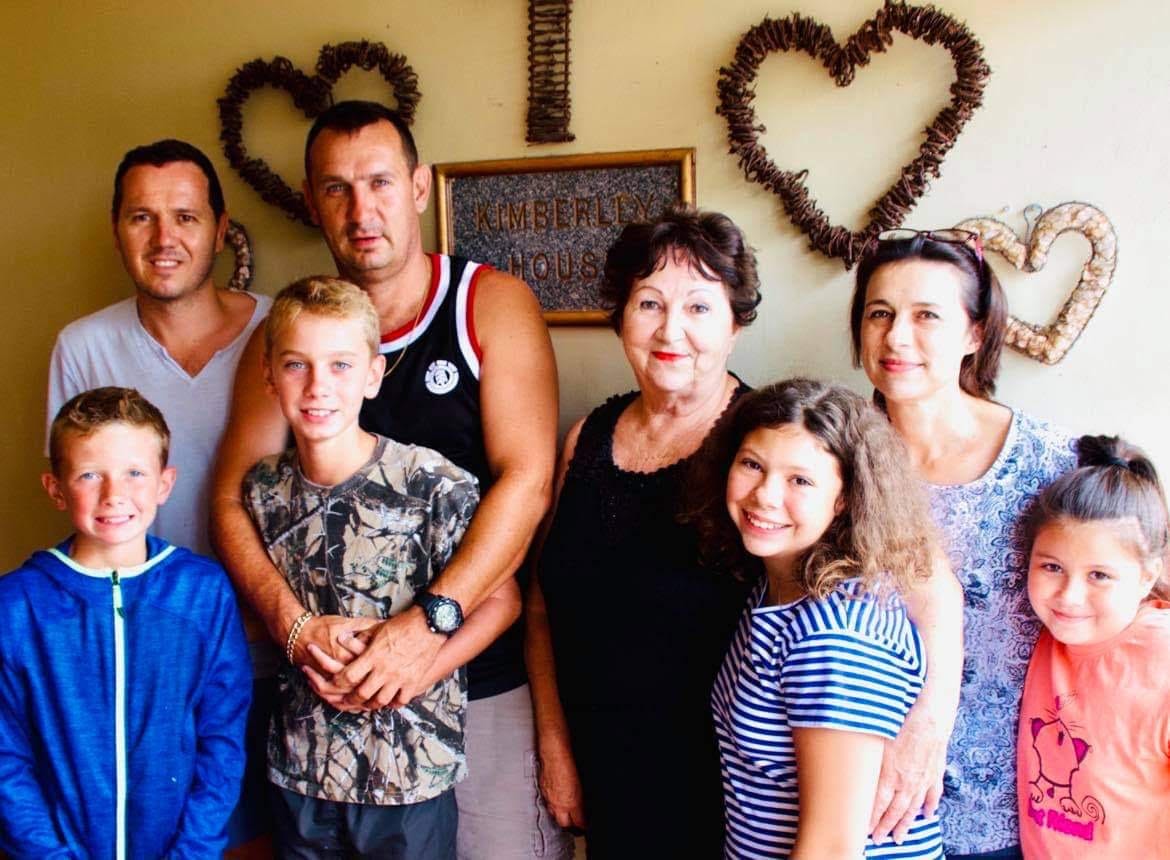
Though his life took him across continents and oceans, John Andrew Duncan remained deeply connected to the De Kaap Valley. From a farm boy known as “Dubula” to an engineer sailing the world’s seas, his story reflects the adventurous spirit and resilience that defined many descendants of Barberton’s early gold-rush families.
Information and photos provided by Gary Duncan.
🔴 You might also like to read:
 Lynette Spencer
Comments ()