
Janco Pelser: a decade in Dubai and still at home in the desert
Janco was a teacher at Barberton High School and left South Africa in mid-August 2015 in search of both professional challenge and personal adventure.
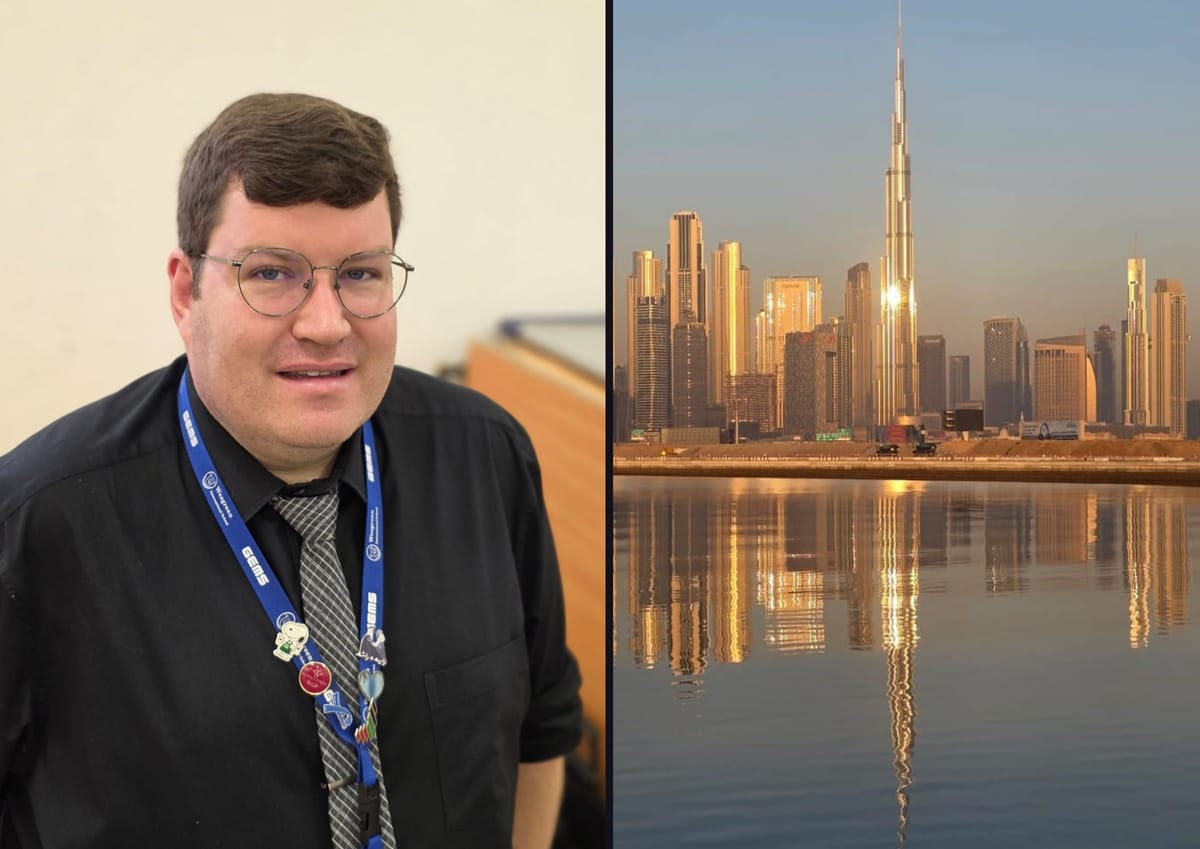
For South African teacher Janco Pelser, what was meant to be a two-year overseas adventure has turned into a decade-long chapter of growth, stability and unexpected belonging in the United Arab Emirates (UAE). De Kaap Echo spoke to him about what drew him to the UAE in the first place, and why, ten years later, he is still there.
Janco was a teacher at Barberton High School and left South Africa in mid-August 2015 in search of both professional challenge and personal adventure. Like many young professionals at the time, he was also motivated by the opportunity to improve his financial situation and experience life beyond South Africa’s borders.
He accepted a teaching position in Dubai, while living in nearby Sharjah. Having known people already working in the UAE, the move felt less daunting. The original plan was simple: teach abroad for two years, gain experience, and return home. Two years became four, and four became ten, and today he has no immediate plans to leave.
“I absolutely love the country,” he said. “It has a different kind of beauty. The culture is different, but it’s also something I’ve really come to enjoy.”
Janco is currently in his tenth year in the UAE. He spent two years at his first school and is now in his eighth year at a large British-curriculum institution where he teaches Accounting, Business Studies and Travel and Tourism to students from Year 10 to Year 12. In addition to his classroom duties, he also serves as a Head of Year for the school’s Year 7 boys.
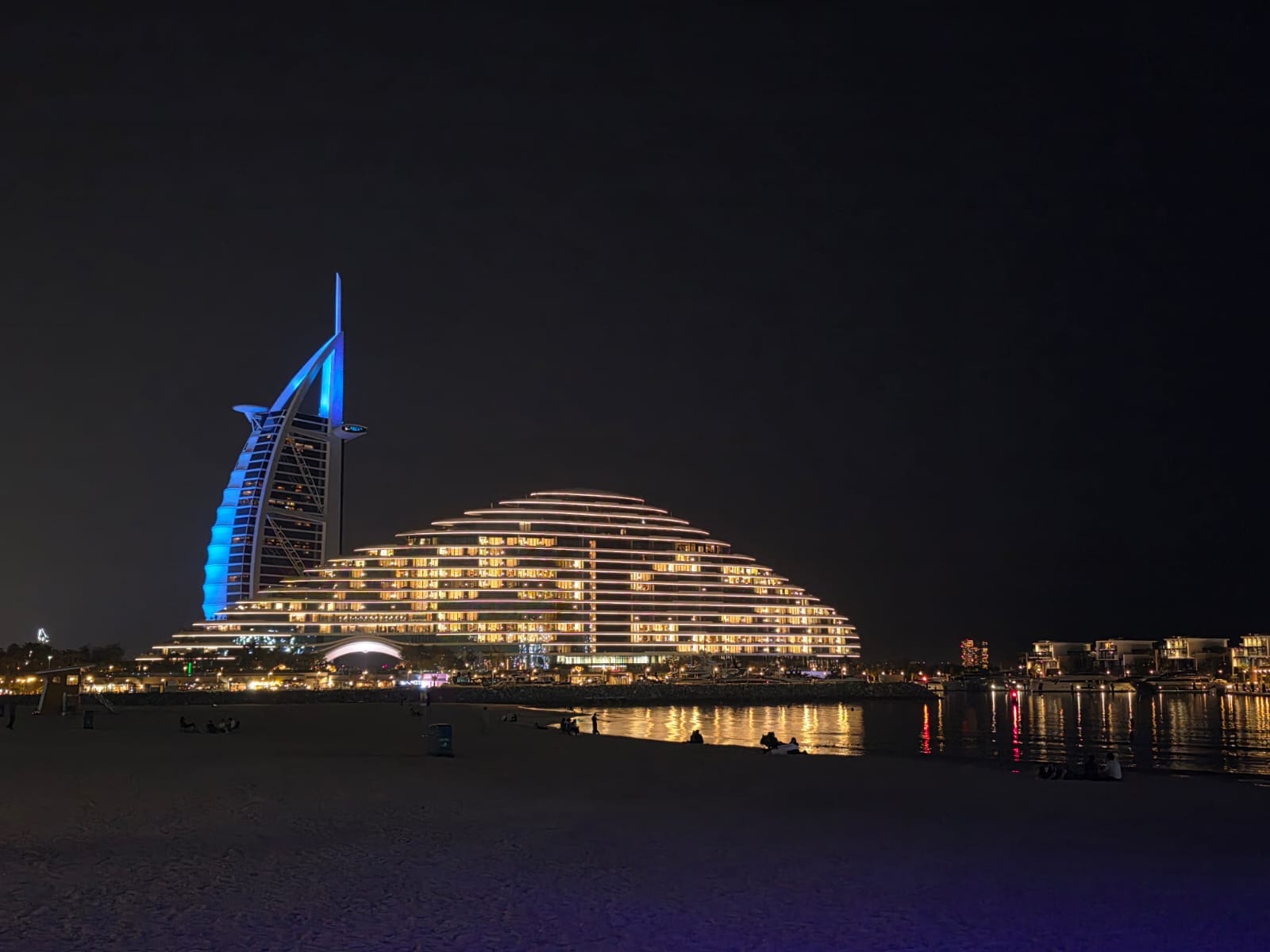
The scale of education in Dubai was one of his first major adjustments. The school where he works has around 3 800 students spread across four campuses, with the secondary phase divided between boys’ and girls’ schools. Teaching in such a diverse environment has exposed him to learners from across the Middle East and Asia, with Emirati, Egyptian, Jordanian, Syrian, Pakistani and Indian students forming the majority of his classes.
One of the biggest advantages of working in the UAE, Jaco says, has been the quality of life. Safety, in particular, stands out when he compares his daily experience with that of life in South Africa.
“I can leave my apartment, lock the door, and come back a week later knowing everything will still be exactly where I left it,” he explained.
The country’s infrastructure and lifestyle options have also made a lasting impression. From late-night beach walks and 24-hour coffee shops to the vast silence and beauty of the desert, the UAE offers a way of life that still feels novel to him even after ten years.
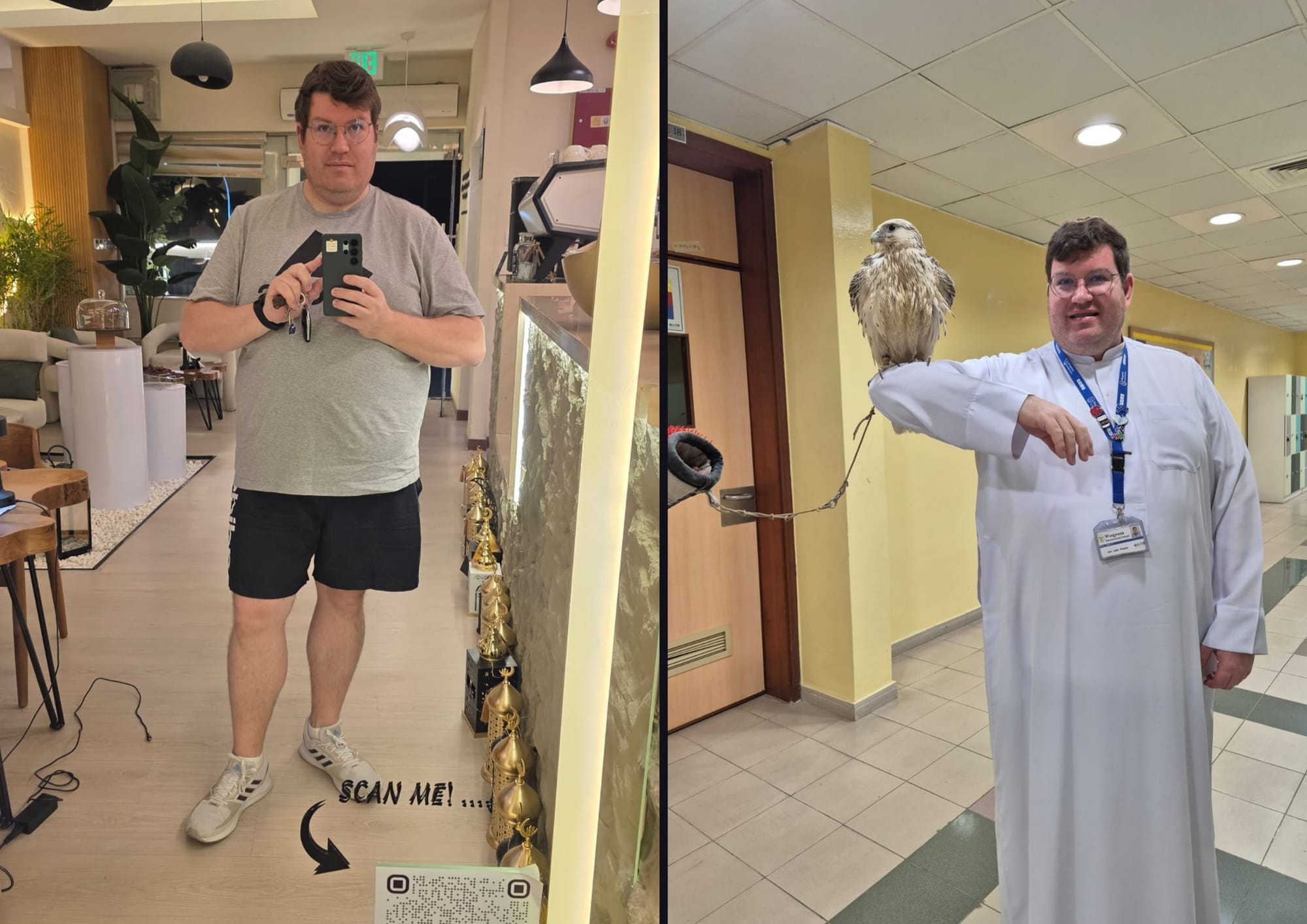
Another major benefit has been the work schedule. For the past five years he has worked a four-day week, from Monday to Thursday, with a three-day weekend. A rhythm that has allowed him to travel extensively in the region and maintain a healthier work-life balance.
Professionally, the move has opened doors that would have been difficult to access at home. International teaching experience, exposure to the British curriculum, and leadership roles within the school have strengthened his career prospects while also broadening his cultural understanding.
Yet life overseas is not without its challenges. Cultural adaptation was one of the first hurdles, particularly adjusting to Islamic traditions such as the daily call to prayer and the rhythm of Ramadan. Over time, however, these became part of the normal background of life in the Middle East.
Loneliness has at times been the most difficult aspect of living abroad. Being far from family and long-time friends means that everyday moments, not just major milestones, are shared from a distance.
“Sometimes you catch yourself talking to yourself or even arguing with yourself because there isn’t always someone there to talk to,” he admits with a laugh.
The extreme heat of the Gulf summers has also been an ongoing adjustment. Ironically, after ten years in the region, he still dislikes the intense temperatures. High electricity costs, driven by constant air-conditioning use, are another practical reality of desert living. Despite these challenges, modern technology has made it easier to remain connected to loved ones back home through regular video calls and messaging.
When asked whether he sees himself returning permanently to South Africa, Jaco’s answer is thoughtful but clear: not in the near future. “I enjoy my life in the Middle East immensely. My safety is important to me, I enjoy my work, and I value the independence I have here.”
His location in the UAE also allows him to travel easily across the region. Weekend road trips to Oman are already part of his routine, and he is planning a future overland journey to Qatar via Saudi Arabia, something that would have been unimaginable just a few years ago.
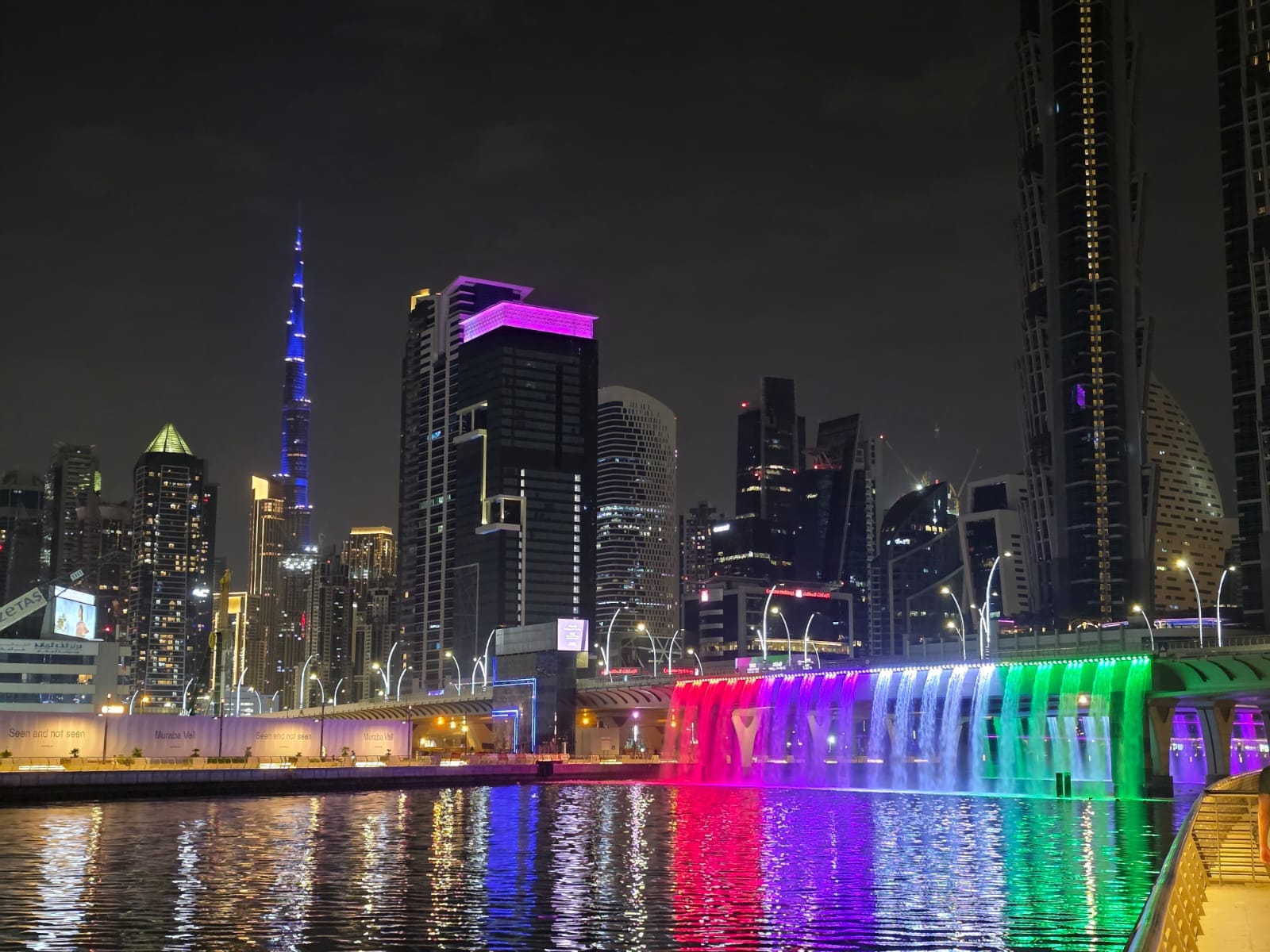
With tensions and conflict periodically flaring in the broader Middle East, many South Africans back home worry about the safety of friends and family living in the region. Janco acknowledged that the situation has been nerve-racking at times, especially during the early days when he would be woken at night by the sound of military aircraft or interceptions taking place in the distance.
He lives about 15 kilometres from Dubai International Airport and far from military installations, which has contributed to a sense of relative security. He has not personally witnessed missiles or drones, although he has received official alerts instructing residents to seek shelter during interception events.
“Life continues mostly as normal,” he said. “We still go to the mall and the beach. When there are alerts, we take precautions, and once it’s over, we continue with our day.”
Schools have switched to remote learning during periods of heightened tension or when airspace activity increased. Lessons are paused if necessary and resumed once it is deemed safe.
Janco believes that international media coverage can sometimes paint an exaggerated picture of daily life in Dubai. While he does not deny that debris from interceptions has occasionally caused damage or injuries, he emphasised that his own experience has been one of continued stability.
“I am safe, and for me, that is what matters most.”


Comments ()