
Fresh from the windowsill: how to start a kitchen herb garden in a small space
With a few pots and some sunshine, you can grow fresh herbs right outside your kitchen door.
🔴 Have you read this article yet?
 Jeannetta Neethling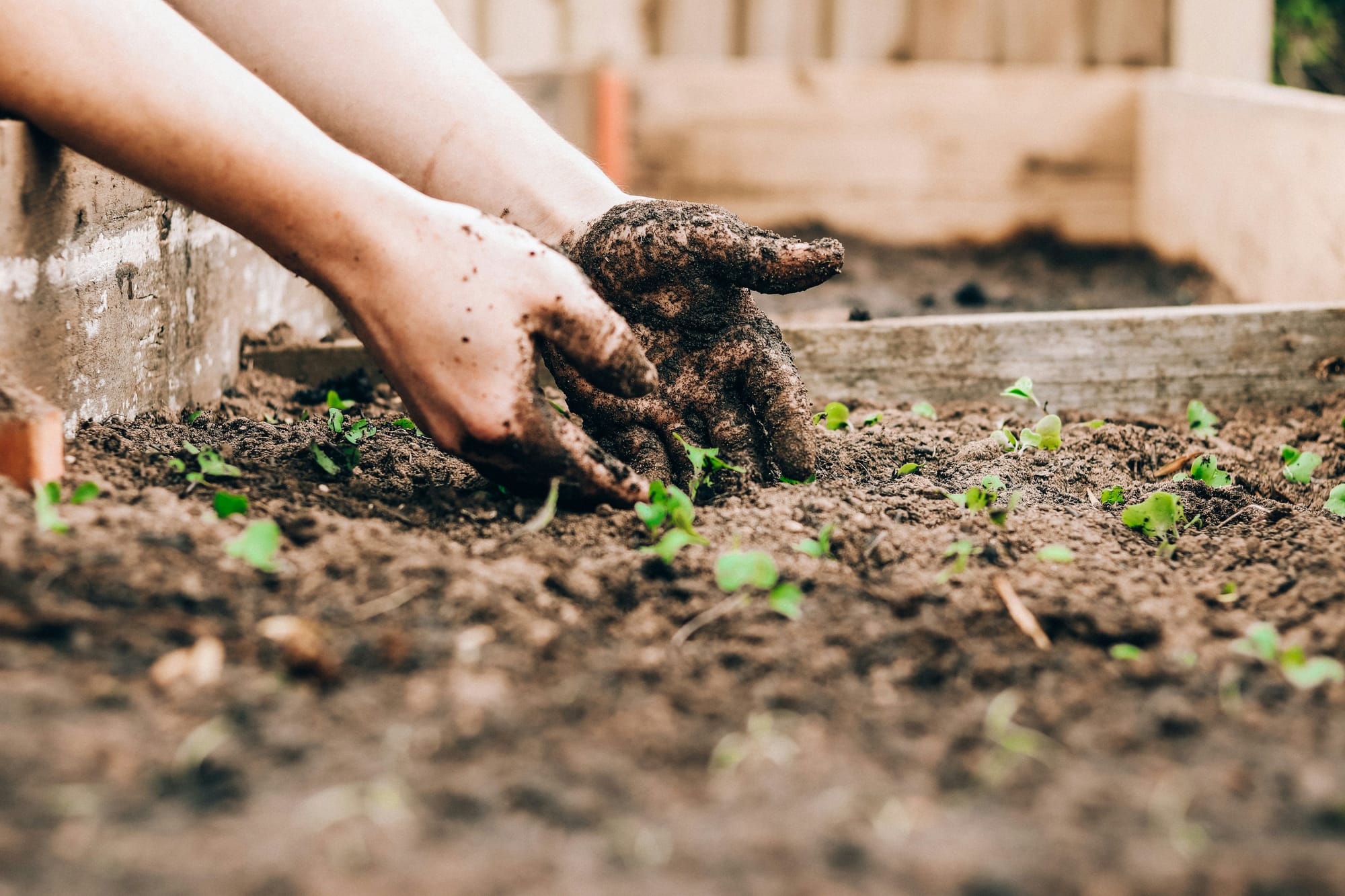
You don’t need a large garden, expensive equipment or years of experience to grow your own fresh herbs. In fact, some of the most useful kitchen plants thrive in the smallest spaces, from sunny windowsills and balconies to a corner of the patio.
In a warm climate like Barberton’s, herbs grow quickly and easily for most of the year. With just a few pots, good soil and regular watering, you can have a steady supply of fresh flavour right outside your kitchen door.
A small herb garden is one of the simplest and most rewarding ways to start growing your own food. It saves money, adds fresh taste to everyday meals and brings a bit of greenery into even the smallest home.
Most herbs love sunlight. Choose a place that gets at least four to six hours of sun each day. A windowsill, balcony, stoep, or sunny corner of the yard can all work well.
In Barberton’s warmer months, morning sun and afternoon shade are ideal. This prevents delicate herbs from burning in the midday heat. If you only have a shaded area, choose herbs that tolerate lower light, such as mint, parsley or coriander.
For beginners, it’s best to start with herbs that grow well in the local climate and don’t require too much attention.
Good options for small-space gardens include:
- Basil | fast-growing and perfect for salads and sauces
- Parsley | hardy and useful in many dishes
- Mint | very easy to grow, but best kept in its own pot
- Chives | ideal for eggs, potatoes and salads
- Thyme | a tough, drought-tolerant herb
- Rosemary | thrives in warm, sunny conditions
- Coriander | grows quickly, especially in cooler months
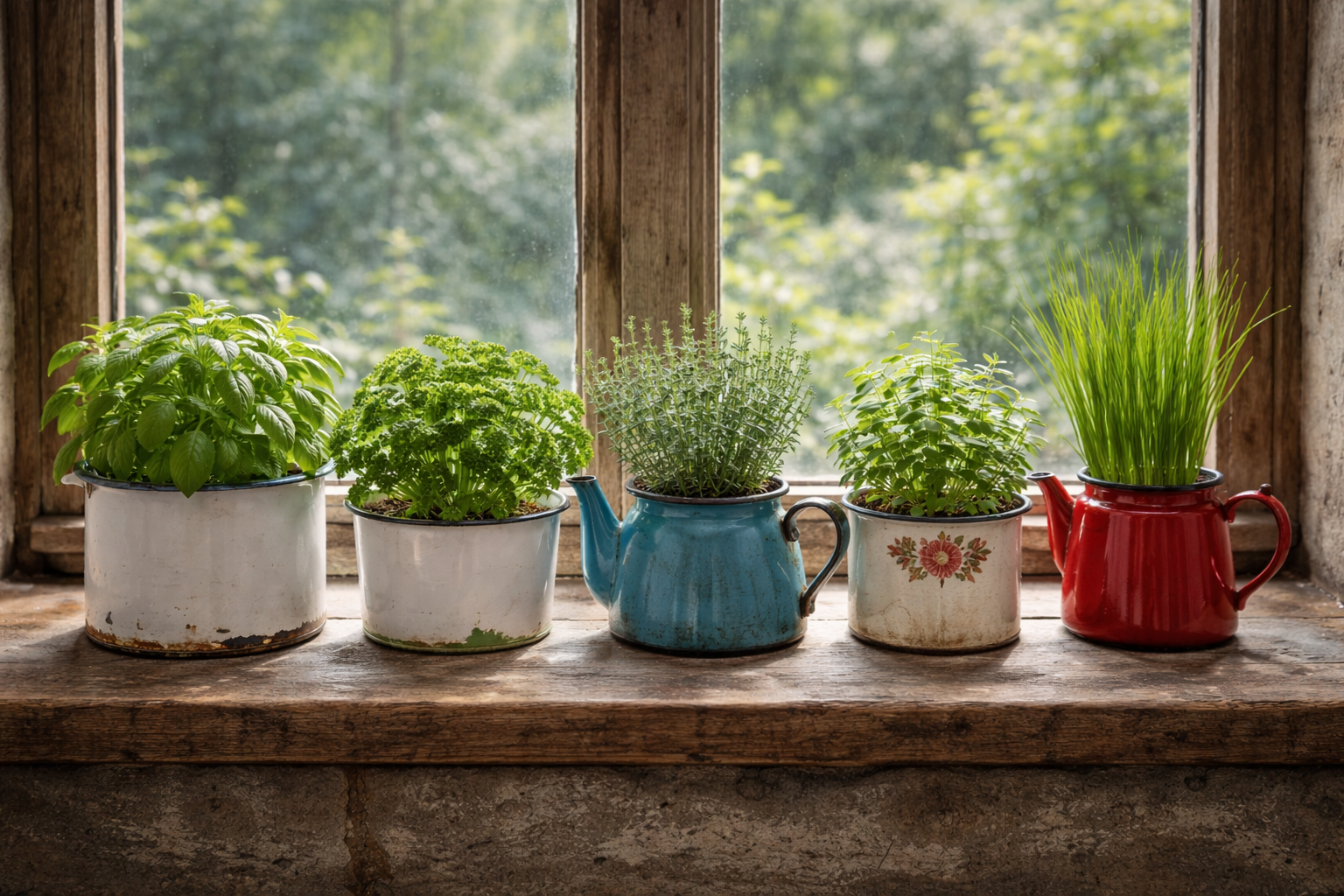
Starting with three or four herbs is usually enough. You can always add more later. Herbs grow well in almost any container, as long as it has drainage holes. You don’t need fancy pots, old buckets, tins, wooden crates or even plastic bottles can be used. Just make sure there are holes at the bottom for water to drain and the container is deep enough for the roots (at least 15–20 cm for most herbs). If you want a neater look, clay or plastic pots from a garden centre are also a good option.
Healthy soil is the secret to strong, productive plants. Avoid using ordinary garden soil alone, as it can become compacted in containers.
Instead, use a good quality potting mix, or a mixture of garden soil, compost and sand. This allows water to drain properly while still holding enough moisture for the roots.
Fill your container with soil, leaving a few centimetres at the top. Plant your seedlings or seeds according to the instructions on the packet. Water gently after planting to help the soil settle around the roots. If you’re planting more than one herb in a container, make sure they have similar water and sunlight needs.
Herbs do not like to sit in water, but they also should not dry out completely.
A good rule is to water them when the top layer of soil feels dry. It is also better to water early in the morning or late afternoon. In the Barberton heat, container herbs may need watering once a day during very hot spells. Feeding the plants with a little compost or liquid fertiliser every few weeks will keep them healthy and productive.
The more you harvest most herbs, the more they grow. Regular picking encourages new leaves and keeps the plants bushy. Cut small amounts often rather than removing large sections at once. Always leave enough leaves so the plant can recover. Basil, parsley, mint and chives all respond well to regular harvesting.
Even the smallest home can accommodate a herb garden.
- Pots on a sunny windowsill
- A row of containers along a stoep
- Hanging pots on a balcony
- A vertical pallet garden against a wall
- Recycled tins attached to a fence
With a little creativity, herbs can grow almost anywhere.
A kitchen herb garden may be small, but the benefits are big. Fresh herbs add flavour and colour to meals, reduce grocery bills and bring life into your home. For many people, it also becomes the first step toward growing more of their own food. What starts as a few pots of herbs often grows into a vegetable patch or even a small backyard garden.
In a town like Barberton, where the climate allows for year-round growing, a simple herb garden is an easy and rewarding way to make the most of the sunshine.
🔴 Have you read this article yet?
 Jeannetta Neethling


Comments ()