
Freedom then, or freedom now?
I cannot help but wonder: what would Mandela say if he were still alive today? Has our country become what he envisioned?
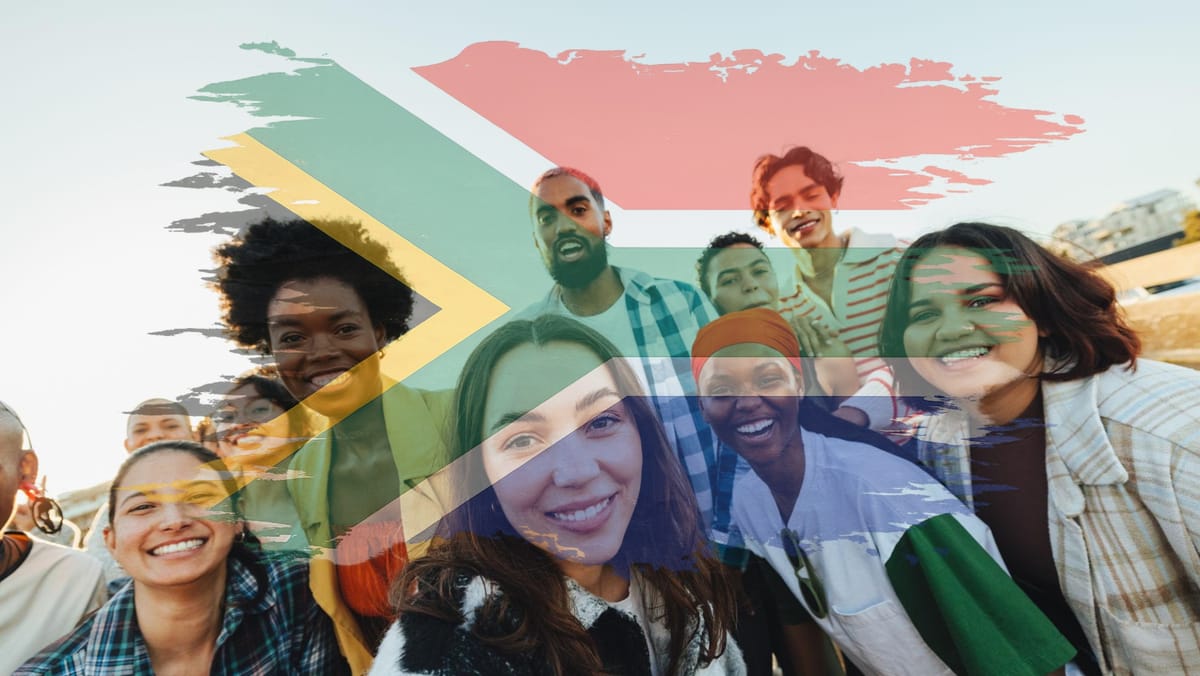
Every year on April 27, South Africans pause to celebrate Freedom Day. A day that marks the historic moment in 1994 when citizens of all races stood together in long queues to cast their votes in the country’s first democratic election. I was one of them, in my mid-thirties, standing in that queue with a sense that history was unfolding right in front of me.
It was a defining moment in our nation’s story. The election that brought Nelson Mandela into leadership symbolised hope, unity, and the promise of a better future for all. For many, it was the first time they truly felt seen, heard, and counted.
And yet, I cannot help but wonder: what would Mandela say if he were still alive today? Has our country become what he envisioned?
As we reflect on Freedom Day more than 30 years later, we are faced with an important question: what does freedom really look like now?
For those of us who lived through that era, and I include myself, having grown up in it, the memories are complex. Through the eyes of a child, life did not always feel as divided or as heavy as history now teaches us. Communities functioned differently. In many rural areas, farm labourers, for example, may not have earned high wages, but they often had access to housing, food, schools and were overall well looked after. For some, there was a sense of stability, even within a system we now understand to have been deeply flawed. Unemployment, too, was not at the levels we see today.
This is not to ignore the injustices of the past, but rather to acknowledge that lived experiences were not always one-dimensional. History is layered, and so are our memories of it.
Freedom in 1994 meant the opening of doors, political freedom, equal rights, and the ability to participate in shaping the country’s future. It meant dignity. It meant opportunity. Or so many of us believed, but freedom also came with responsibility and this is where the conversation becomes more difficult.
Today, many South Africans are asking whether we are truly honouring that responsibility. We are living in a time where corruption, fraud, and the misuse of power by those in positions of authority have become all too common. Service delivery is inconsistent. Infrastructure is crumbling. In too many places, there is little evidence of maintenance or long-term planning.
It raises uncomfortable but necessary questions:
- Do those in leadership genuinely have the best interests of the people at heart?
- Are we building on the foundation laid in 1994 or slowly eroding it?
There is also a growing concern about how history is being taught. Across communities, and even within schools, there is a sense that parts of our past are being overlooked or removed rather than preserved and understood. A nation without history risks losing its identity.
And then there is the younger generation....
Those born after 1994, the so-called “born-free” generation, have grown up in a very different South Africa. They did not stand in those queues. They did not experience the weight of that first vote. Freedom, for them, is something inherited, not something fought for.
Can they fully grasp the significance of this day?
Perhaps not entirely, and that is not a criticism, but a reality. It places a responsibility on those of us who remember, who lived through that transition, to share those stories and pass on that understanding.
At the same time, one cannot ignore the growing concern many feel about the direction in which our youth are heading. There is a sense that respect, discipline, and appreciation for the sacrifices of the past are slowly fading. Freedom, without responsibility and accountability, risks becoming entitlement, and that is a dangerous place for any nation to find itself.
It is perhaps here that the concern becomes deeply personal. As grandparents and parents, we look at the future with uncertainty. Many young South Africans are leaving the country in search of opportunity elsewhere, a loss not only for families, but for the nation as a whole.
Freedom is not just something we celebrate once a year. It is something we must actively protect, nurture, and respect. As we mark another Freedom Day, perhaps it is time to reflect honestly, not only on how far we have come, but on where we are going. Are we truly living the freedom that so many fought for, and what are we doing to preserve it?
𝓛𝔂𝓷𝓮𝓽𝓽𝓮.
Comments ()